Regulating Valve
Explore our comprehensive range of high-performance industrial valves, engineered for reliability and precision in every application.
1. Regulating Valve working principle
1) Modulation through variable flow resistance
Actuators here change the resistance so that fluid properties are mechanically governed along-side the pipeline itself. The only bit of theory you really need to know here is that the cross-sectional area of that passage will change linearly as the internal trim (a plug and a seat) moves up or down. This mechanical setting has a direct effect on the flow rate, pressure, and temperature of the medium. That system relates to an assembly that, when in a specific position relative to the seat, helps keep operating parameters of downstream processes from drifting too far off target while facilitating dynamic compliance with process fluctuations.
2) Trim guidance and stability mechanisms
High-performance guidance systems support the internal components to ensure accurate control. Single-port designs allow for the plug to be top-guided, assuring easy and proper axis alignment. For severe service, cage-guided construction encloses the plug to further stabilize and limit vibration. These internal structures are equipped with S-streamline channels that reduce pressure loss and turbulence, guaranteeing smooth movement in high-velocity flow conditions.
3) Linear and equal percentage flow profiles
The performance of the Regulating Valve is defined by its flow characteristics, which describe the relationship between the stem travel and the flow rate. Common profiles include linear and equal percentage. A linear characteristic provides a flow change directly proportional to the travel, while an equal percentage characteristic allows for finer control at lower flow rates and faster response at higher flow rates. These profiles are achieved through the specific geometry of the plug or the openings in the cage, allowing the unit to be matched to the specific dynamics of the industrial loop.
2. Regulating Valve product type classification
2.1 Single seat valve configuration
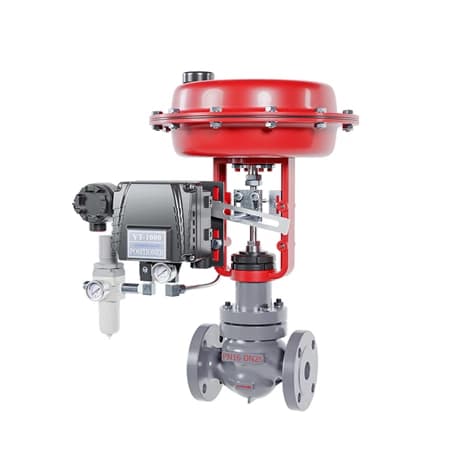
The Single seat valve is the most common choice for applications requiring high sealing integrity. It features a single plug and seat interface, which allows for minimal leakage when fully closed. Because it is an unbalanced design, it is best suited for clean media and lower pressure differentials where the actuator can overcome the fluid force. The S-streamline body design helps reduce flow resistance, making it an efficient solution for general chemical and utility services.
2.2 Cage valve design
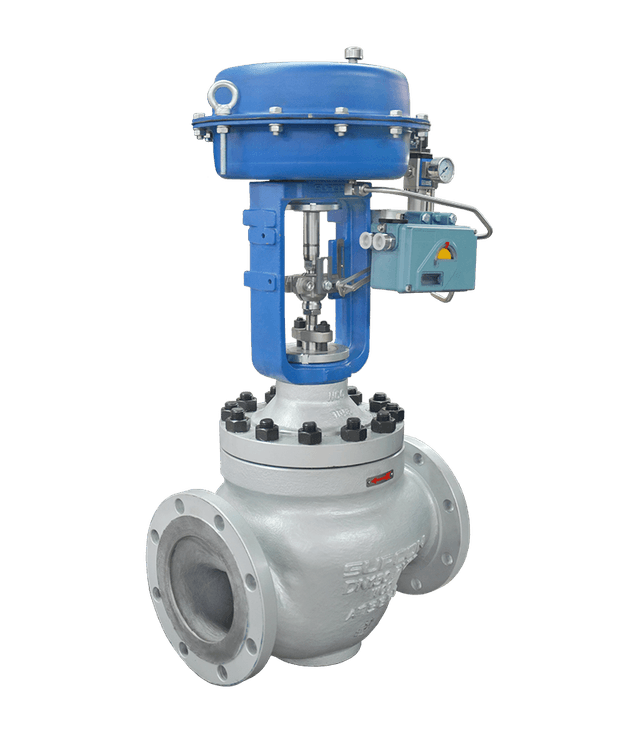
The Cage valve utilizes a cylindrical cage to guide the plug and define the flow characteristics. This design is inherently pressure-balanced, as the fluid pressure acts equally on the top and bottom of the plug through balancing holes. This allows the use of smaller actuators even in high-pressure drop applications. The cage also acts as a shield, protecting the body from erosion and reducing noise levels, which makes it ideal for heavy-duty industrial processes.
2.3 Angle Valve style
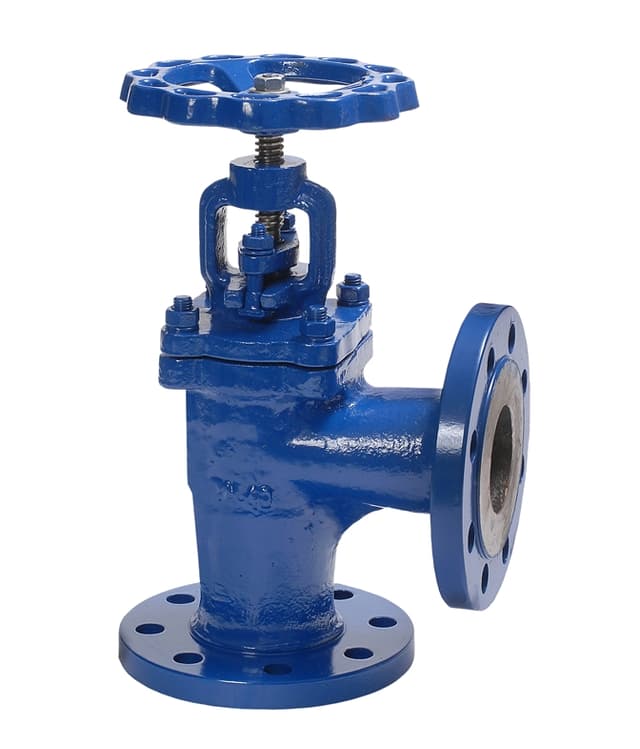
An Angle Valve features a body where the inlet and outlet ports are oriented at 90 degrees to each other. This right-angle configuration is specifically designed to handle media that are erosive, viscous, or prone to flashing and cavitation. The design allows the fluid to discharge directly into the center of the downstream pipe, preventing the medium from impacting the body walls. It is frequently used in high-pressure let-down stations and slurry handling systems.
2.4 PTFE Valve for corrosive service
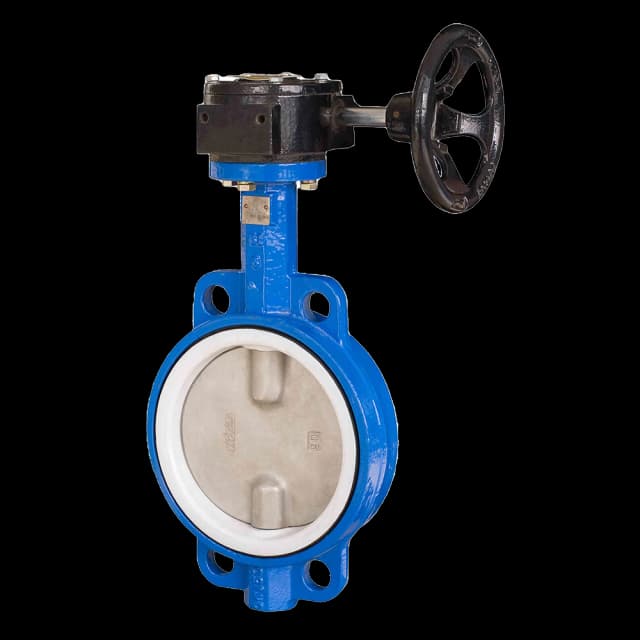
For systems handling aggressive chemicals, the PTFE Valve or plastic-lined variants are utilized. These units use non-metallic materials such as PVDF, PPH, or PTFE for all wetted components. This ensures total immunity to corrosion from strong acids, alkalis, and reactive electrolytes. These versions are essential in the chlor-alkali and semiconductor industries where metal contamination must be avoided and equipment longevity in harsh environments is a priority.
2.5 Pneumatic actuator integration
Many automated systems utilize pneumatic actuators, such as the ZJHA/B multi-spring diaphragm series or the AT/GT rotary series. These actuators convert compressed air into linear or rotary motion to drive the valve stem. When equipped with intelligent positioners, they provide high-speed response and high positioning accuracy, supporting complex control logic and fail-safe requirements in automated chemical plants.
2.6 Electric control units
Electric versions, such as the 3810L electronic series or the ZM intelligent series, use motorized drives for precise positioning. These units are ideal for locations where an air supply is unavailable. They typically accept 4-20mA or 1-5V DC signals, allowing for seamless integration into distributed control systems (DCS). The electronic drive provides steady movement and high-torque performance for various industrial modulation tasks.
3. Advantages of the modulating design
1) High-precision process control
The biggest advantage is the ability to hold a process variable at one set point. Both the fine resolution of trim movement and sophisticated positioners allow precise adjustments to be made while ensuring a constant quality across various production cycles.
2) Versatility in material and trim options
With stainless steel and specialized alloys through to non-metallic materials such as PPH, CPVC etc., the wide range of available materials ensures that equipment can be customized for terms with virtually any technology. This variability also carries over into the trim, where noise-abatement or cavitating-cage and plug geometries can be specified if needed—or high-pressure.
3) Robust and stable operation
The use of advanced guiding systems and pressure-balanced designs ensures that the equipment remains stable even in turbulent flow conditions. This stability reduces wear on the internal components, minimizes maintenance requirements, and prevents system oscillations that could lead to process instability.
4. Selection guide for industrial service
1) Analyzing pressure drop and flow capacity
Choosing the right Regulating Valve begins with computing the Cv (circulation coefficient) required for both maximum and minimum flow rates. The pressure drop across the unit should be evaluated as well, to confirm that it can give effective control without creating high noise or cavitation. Cage-guided or multi-stage trim designs are sometimes needed for high-pressure drop cases.
2) Environmental and chemical compatibility
The body and seal materials must be compatible with the chemical nature and temperature of the fluid. For basic water and mild chemicals, UPVC or PPH may be sufficient. However, for aggressive acids at higher temperatures, PVDF or PTFE-lined models are required. The choice of seal material—whether resilient or metallic—should be based on the required leakage class and operating temperature.
3) Actuator and positioner requirements
Identify the necessary actuation power and the type of control signal available. For critical safety loops, pneumatic actuators with spring-return functionality are preferred. For intelligent monitoring, positioners with HART or Profibus communication capabilities should be selected to provide real-time diagnostic data and improved control accuracy.
5. Industry standards and compliance
Global standards ensure the reliability of industrial service. GB,ANSI,DIN standard design,dimension and testing Every plant complies with ISO 9001 quality management systems. Also, Material purity, wall thickness and pressure ratings are maintained at the rigorous standards demanded by these markets (power/chemical/oil) as well equipment destined for safety-critical applications must be marked “TS” (Special Equipment Manufacturing Licence).
6. Typical application scenarios
This equipment is vital in a wide range of modern industries. In the lithium battery and copper foil sectors, it regulates the precise flow of electrolytes and chemical slurries. The chemical and pharmaceutical industries rely on plastic-lined models for handling high-purity and corrosive fluids. Water treatment plants and desalination facilities use them for pressure management and filtration control. Additionally, they are critical in power plant cooling systems and HVAC networks, where they modulate the flow of water and steam to maintain thermal efficiency.
7. Frequently asked questions (FAQ)
1) What is the main benefit of a balanced cage design?
It reduces the force required from the actuator by equalizing the pressure across the plug, allowing for stable control in high-pressure applications with smaller, more economical actuators.
2) When should a Single seat valve be selected over a cage design?
A single seat design is preferred when the application requires tight shut-off (lower leakage class) and the fluid is relatively clean with low-pressure differentials.
3) Can a Regulating Valve handle high-temperature fluids?
Yes, by using metallic seals and specialized materials like PVDF or stainless steel, these units can operate effectively across a wide temperature range, provided the actuator is properly insulated or offset.
4) Why is equal percentage the most common flow characteristic?
It provides a constant percentage change in flow for a given change in valve position, which compensates for the non-linear pressure drops often found in industrial piping systems.
5) What role does a positioner play in an automated system?
A positioner acts as a local controller that compares the command signal from the DCS to the actual stem position, adjusting the air pressure to the actuator to ensure the valve reaches the exact desired opening.