Angle Valve
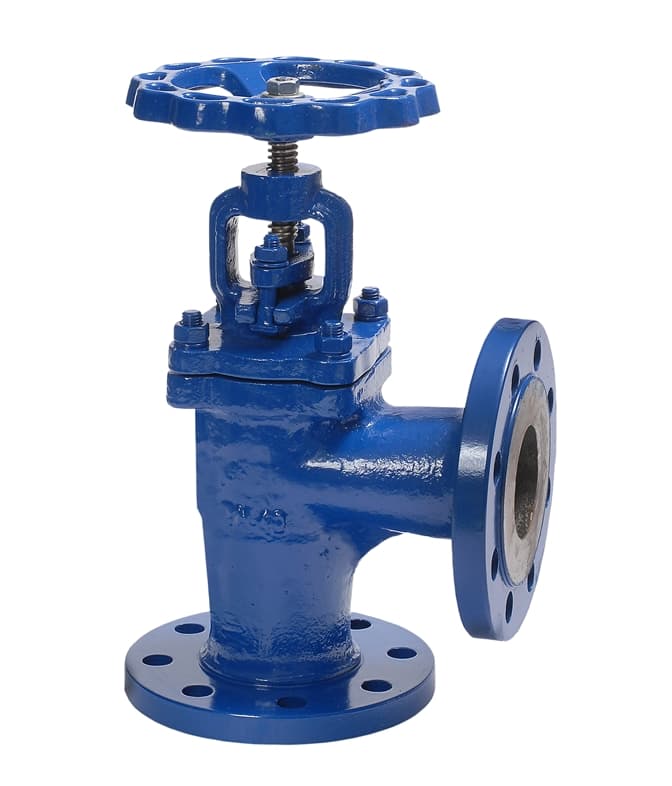
Angle valves are designed for flashing or erosive services, with a streamlined flow path to minimize wear.
⍉ Size Range:DN25 to DN150
⍉ Body Type:Angle Pattern
⍉ Material:Stainless Steel, Alloy Steel
⍉ Application:Slurry, High Viscosity
Angle valves are designed for flashing or erosive services, with a streamlined flow path to minimize wear.
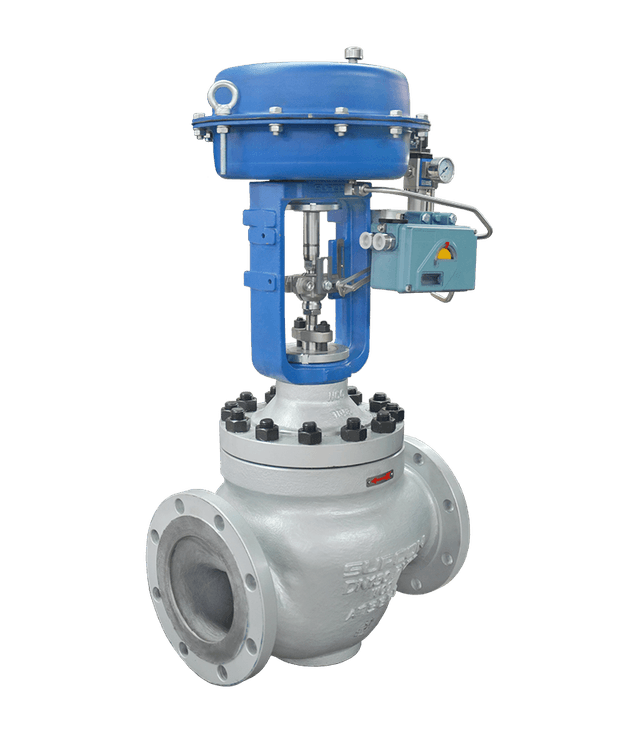
The HTA series provides the unique adaptation of the efficient single-seat control unit for piping systems that need an angle pattern. The design of this Angle Valve Body features an S-shape flow passageway that allows a smooth transfer of fluids through it without any pressure loss. A discharge at a 90-degree angle to the inlet, supplied by its distinctive body geometry, makes this valve an important part of handling harsh or thick fluids and creates slurry clogging conditions. Designed for operation in high-stress industrial environments with global pressure ratings from PN16 through to PN110, the assembly boasts robust construction.
This equipment is used in various sectors, such as food and beverage production to water treatment for high-performance modulation. Inside the cover, a clean flow path and chamber design eliminate areas for oil to puddle or air to stagnate keeping all sealing surfaces pristine. Large or small, these cast steel- and proprietary stainless-based control solutions ensure a durable gate for decades of reliable service.
The operational principle of this industrial assembly centers on a linear movement mechanism that translates vertical actuator thrust into a precise throttling action within the 90-degree body cavity. By utilizing a top-guided plug design, the device ensures maximum stability and resistance against lateral flow forces.
The core operational stages include:
To meet the demands of various chemical and thermal environments, these units are produced in several metallurgical configurations:
Carbon Steel (WCB/LCC) Series: The standard choice for non-corrosive service in general industrial applications. These units offer high structural strength and can operate reliably in temperatures ranging from -29 to 425 degrees Celsius.
Stainless Steel (CF8, CF8M, CF3, CF3M) Series: Specifically designed for corrosive media or high-purity applications. These models provide superior resistance to acid-base reactions and are essential for the chemical processing and pharmaceutical industries.
Extended Temperature Configurations: For extreme services, the unit can be equipped with a radiator-style bonnet for high-temperature steam or a cryo-extension for liquified gas applications, extending the operational range from -250 up to 566 degrees Celsius.
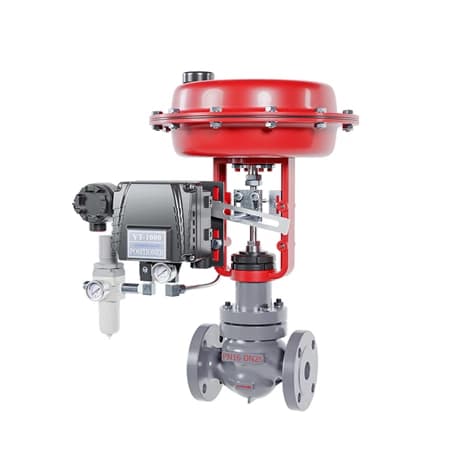
Pneumatic Diaphragm Systems: Equipped with HA multi-spring actuators, these provide a rapid response and fail-safe functionality, suitable for automated process loops.
Electronic Actuator Systems: Utilizing high-torque electric motors, these allow for digital precision and status feedback in facilities without a compressed air supply.
The integration of a right-angle single-seat system provides several technical benefits that enhance the operational lifespan and safety of industrial infrastructure.
Self-Cleaning Flow Path: The internal geometry prevents the accumulation of solids or viscous buildup, making it superior to standard valves for slurry management.
High Flow Capacity: Optimized internal passages allow for high Cv values, ensuring that process fluids move through the unit with maximum efficiency and minimal energy loss.
High Pressure Stability: The top-guided plug ensures that the valve remains stable under high differential pressures, reducing noise and preventing internal component fatigue.
| Component | Example Materials | Performance Advantage |
|---|---|---|
| Main Body | WCB, CF8, CF8M, CF3M | Robust right-angle design with PN110 rating |
| Internal Plug | 304SS, 316SS, Stellite | Smooth modulation and wear resistance |
| Seat Ring | 316SS, Stellite faced | Durable sealing surface for long-term shut-off |
| Drive Stem | 2Cr13, 304SS, 316SS | High strength and corrosion resistance |
| Actuator | Multi-spring Pneumatic | Reliable remote operation and rapid response |
Its flexibility and strong functionality of the Angle Valve makes it a stage that is vitally important in numerous superior markets:
Request a Quote