1. What is Single Seat Valve?
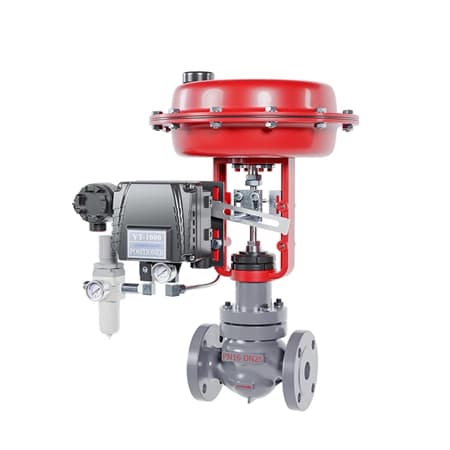
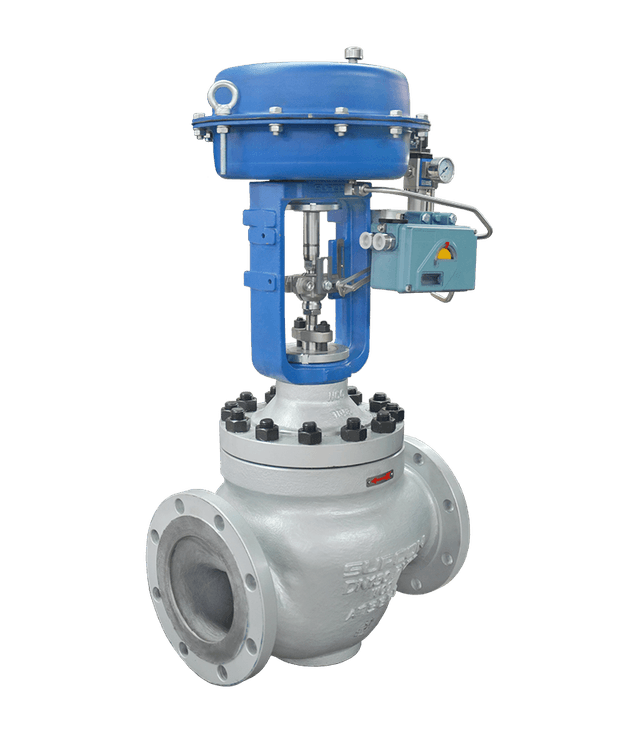
HTS series is a new generation high-tech fluid regulation technology that has been developed for accurate control demands in current industrial systems. This is designed for single seat valve and has an S-shaped flow passage that greatly reduces pressure loss to increase the maximum capacity. Designed to meet the needs of high shut-off integrity and precise flow modulation, offering a stable and reliable control solution. This gear with rugged body and top guided plug is made to international specifications ensuring operational resilience under various pressures running from PN16 up to 110 or ANSI Class 150 as much as600.
This assembly is mainly used to seal under high-performance control in demanding thermal and chemical loops where the leakage should be minimum. An engineered internal assembly can economically be designed to accommodate a large range of fluids, including steam, water and corrosive chemicals. This regulatory solution — equipped for normal temperatures, or optionally with bellows seals to accommodate highly toxic media — offers a durable barrier that guards system integrity across extensive operational periods.
2. How this Single seat valve technology works?
The operational principle of this industrial assembly centers on a linear movement mechanism that translates pneumatic or electric force into precise plug positioning. By utilizing a top-guided design, the device ensures that the plug remains stable even under high-velocity flow conditions, preventing vibration and premature wear.
The core operational stages include:
- Signal Input and Actuation: The process is initiated when a control signal is received by the execution unit, such as the HA multi-spring pneumatic diaphragm actuator. This unit generates a linear thrust transmitted through a precision-machined stem. The actuator can be configured for air-to-open or air-to-close action to meet specific safety requirements.
- Plug Positioning and Guidance: Once the actuator generates force, the internal plug moves vertically within the body. The top-guided structure provides a large guiding surface, which maintains alignment between the plug and the seat ring. This stage ensures that the flow path is modulated accurately, providing a rangeability of 50:1 for fine-tuned process control.
- Flow Regulation and Tight Shut-off: Upon reaching the desired setpoint, the plug maintains its position to balance the flow. In the fully closed position, the plug is driven firmly into the seat ring. High-quality packing materials like PTFE or flexible graphite are utilized around the stem to maintain a leak-free external seal. This mechanical contact provides a tight shut-off that meets ANSI Class IV, V, or VI standards.
3. Types of Specialized Control Units
3.1 Material Classification and Properties
To meet the demands of various chemical and thermal environments, these units are produced in several metallurgical configurations:
Carbon Steel (WCB/LCC) Series: The standard choice for non-corrosive industrial service. These units offer excellent structural durability and can operate reliably in temperatures ranging from -29 to 425 degrees Celsius.
Stainless Steel (CF8, CF8M, CF3M) Series: Specifically designed for corrosive media, these models provide superior resistance to oxidation and acid-base reactions. They are essential for chemical processing and specialized industrial sectors requiring high purity.
Special Alloy Variants: For extreme conditions involving high pressure or severe erosion, components can be treated with Stellite or manufactured from specialized alloys to ensure the internal trim resists cavitation and flashing.
3.2 Actuation and Control Variants
Pneumatic Diaphragm Systems: Equipped with multi-spring actuators, these provide rapid response times and fail-safe positions. They are the industry standard for reliable plant automation.
Electric Motorized Systems: Utilizing high-torque electronic actuators, these allow for precise movement and status feedback within a central control room, functioning effectively in facilities without compressed air infrastructure.
Bellows Seal Configurations: For applications involving hazardous or precious fluids, a bellows seal assembly ensures zero leakage along the stem, protecting the environment and personnel.
4. Core Advantages of the Single seat valve design
Incorporating a separate top-guided control system offers distinct technical advantages that improves the longevity and safety of industrial infrastructure
The reduced number of contact points between the plug and seat creates tiny leakages that are available at a lower rate compared to a double-seated valve, so this design is also beneficial for critical isolation.
S-Streamlined Flow Path — The internal body shape was designed for high Cv values, permitting the process fluid minimally disturbed as it travels through the unit to reduce energy loss.
Precision Control: A price-performance premium actuator and top-guided plug form a high uniformity of flow rates, providing better process steady state conditions.
| Component | Example Materials | Performance Advantage |
|---|
| Main Body | WCB, CF8, CF8M, CF3M | Robust design with high pressure rating |
| Internal Plug | 304, 316, 17-4PH | Precision modulation and wear resistance |
| Seat Ring | 304, 316, Stellite | Excellent sealing and long service life |
| Stem Packing | PTFE, Graphite | High-integrity external seal under pressure |
| Actuator | Multi-spring Pneumatic | Reliable remote operation and rapid response |
5. Industrial Applications
Given its flexibility and strength, the Single seat valve is required in many other specialized sectors:
- Power Generation: Boiler feedwater and steam distribution control with the high-pressure, tight shut-off offers for superior plant economy.
- Fine Chemicals: stainless steel models serve for the reliable handling of aggressive chemical reagents, ensuring system integrity in demanding corrosive conditions.
- Food and Pharma: Specialised clean versions for nudging of ingredients/ utilities so that the process is contamination free while providing stringent flow requirements.