PTFE Valve
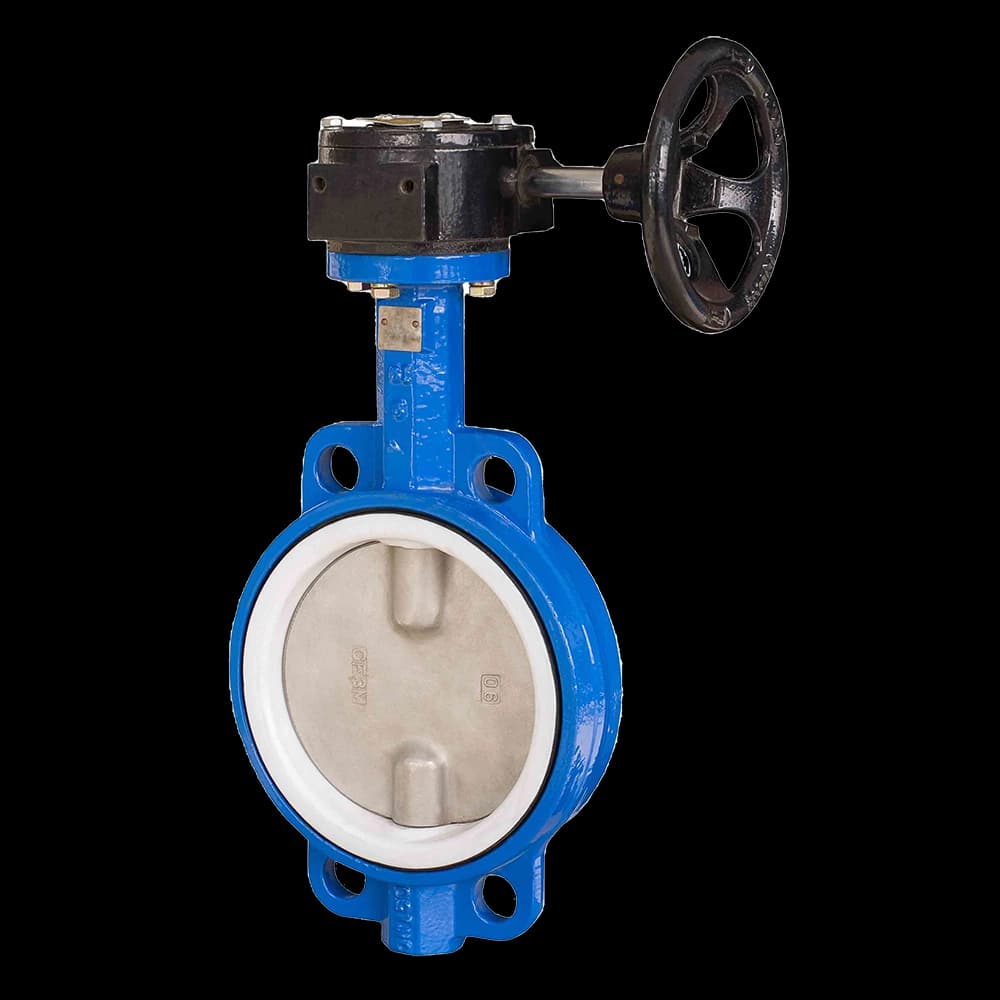
PTFE valves are corrosion-resistant and ideal for handling aggressive chemicals and ultra-pure fluids.
⍉ Size Range:DN15 to DN100
⍉ Body Material:PTFE / PFA
⍉ Temperature:-20°C to 180°C
⍉ Application:Chemical, Pharmaceutical
PTFE valves are corrosion-resistant and ideal for handling aggressive chemicals and ultra-pure fluids.
Solution of greatest concern: sodium fluorine (commonly used in industrial piping to solve the problem of strong corrosion), is called "fluoride valve technology" (PTFE Valve) Core production technologies. Because of the excellent chemical stability, the LINER tightly bonded within this PTFE Valve takes amazing features by adopting advanced lining processes to compound fluoroplastics and high-strength metal substrates. This results in an optimum combination of both corrosion resistance and mechanical load bearing capacity. The design is intended to wrap the whole cavity and all of internals which in contact with medium by Polytetrafluoroethylene(PTFE),Fluorinated Ethylene Propylene (FEP/F46),PFA。 Thus, this structure can not only resist the erosion of strong acid and alkali dissolving liquid solvents but also prevent them from leaking into metal body. It is typically used as a material of choice for the outer shell in cast steel WCB or stainless versions like CF8 and CF8M by assembly, to ensure that all pressure standards from PN1. 0 to PN1. Safety for Severe Services: 6 MPa (ANSI Class 150) The Added Safety Requirements of Harsh Industrial Environments
A high-level fluid control unit is used in many precision industrial sectors such as chemical processing, pharmaceuticals and semiconductor manufacturing. Its interior is composed of materials that are designed to handle very aggressive media, such as sulfuric acid (98%), hydrochloric acid (35 and 25% ), aqua regia yed various strong oxidants – without compromising its properties. Regardless of whether the valve is fitted with a pneumatic diaphragm actuator or destined for manual use, this fluorine-lined isolation device creates an impenetrable barrier that retains system integrity during a protracted operational lifetime.
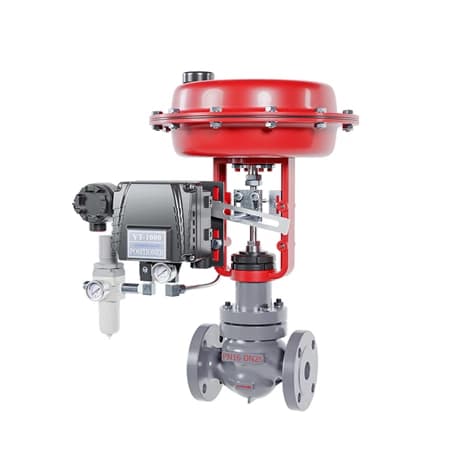
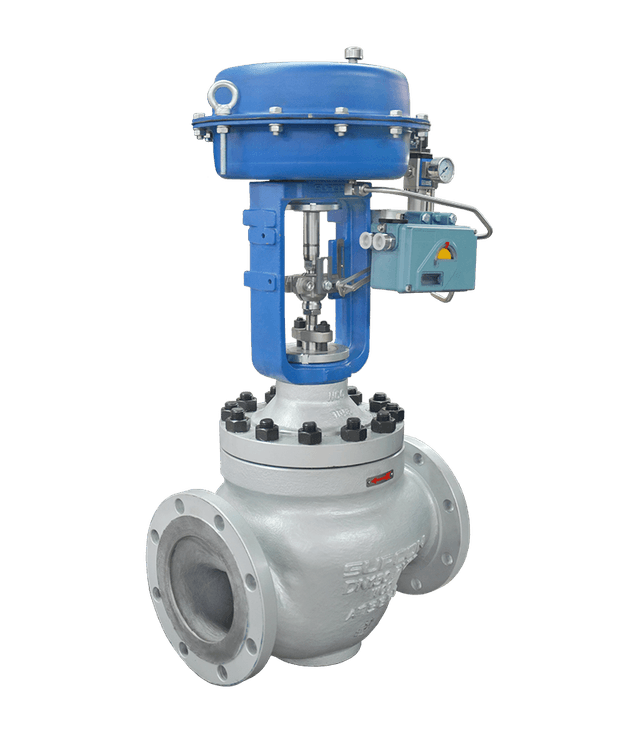
The operational principle of this industrial assembly focuses on achieving physical isolation between the medium and the metal through a complete lining layer. Taking a fluorine-lined regulating valve as an example, the mechanical action is typically driven by a pneumatic or electric actuator to achieve precise flow regulation through accurate stroke control.
The core operational stages include:
To meet the requirements of different chemical environments and temperature ranges, these isolation units utilize various high-performance fluoroplastic configurations:
Polytetrafluoroethylene (PTFE) Series: This is the most widely applied configuration, featuring excellent chemical inertia and thermal stability. It can resist almost all chemical media except for molten alkali metals and high-temperature fluorine gas, with a maximum operating temperature of 180 degrees Celsius.
Fluorinated Ethylene Propylene (FEP/F46) Series: Achieved through high-pressure injection molding for a full lining. FEP offers excellent anti-permeability and transparency, remaining stable in the range of -20 to 150 degrees Celsius, making it a common choice for handling strong acids and alkalis.
Perfluoroalkoxy (PFA) Series: Suitable for higher temperatures and stronger permeability requirements. PFA linings maintain good mechanical strength at high temperatures and have extremely low adsorption, often used in high-purity chemicals and semiconductor processes.
Pneumatic Automation Systems: Equipped with the HA series multi-spring pneumatic diaphragm actuator, these provide rapid response speeds and include fail-safe positions (fail-to-open or fail-to-close), serving as the standard configuration for process industry automation.
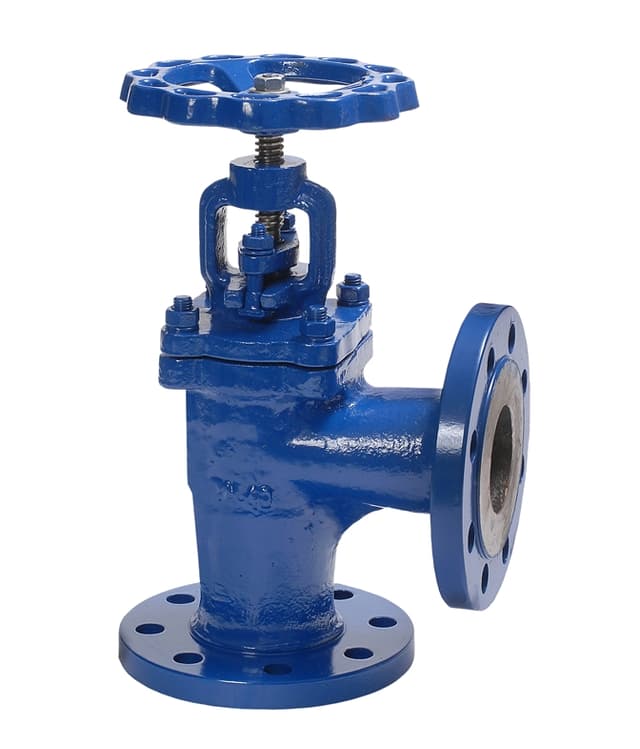
Manual Operation Mode: Driven directly by a handwheel or handle, this configuration is simple and reliable, suitable for pipelines that do not require frequent adjustment or remote control.
Integrating a dedicated fluorine-lined system provides several technical benefits that significantly enhance the lifespan and safety of industrial infrastructure.
Superior Corrosion Resistance: All parts contacting the medium are fully lined with fluoroplastics, effectively resisting the erosion of strong corrosive media and extending maintenance intervals in harsh environments.
High Standard of Sealing Integrity: Utilizing the self-lubricating properties and micro-elasticity of fluoroplastics, combined with bellows sealing technology, a near-zero leakage seal is achieved.
Optimized Fluid Characteristics: The S-streamlined flow path design, paired with low-friction lined surfaces, ensures minimal pressure loss as fluid passes through and prevents material buildup or scaling.
| Component | Common Materials | Performance Advantage |
|---|---|---|
| Main Body | WCB, CF8, CF8M Shell + PTFE/F46 Lining | High-strength metal shell with all-around chemical protection |
| Valve Plug | Stainless Steel Base + Fluoroplastic Coating | Precise regulation and resistance to media erosion |
| Stem Seal | PTFE Bellows, PTFE Packing | Multiple seals ensuring zero risk of external leakage |
| Actuator | HA Pneumatic Diaphragm, Electric Actuator | Smooth operation supporting high-frequency regulation |
| Connection | PN10, PN16, ANSI 150 | Complies with major international flange standards |
It has a wide range of uses and, thanks to its robust design as well as high chemical resistanceFluor lined valves are used in countless industries:
Request a Quote