Ceramic Valve

Explore our comprehensive range of high-performance industrial valves, engineered for reliability and precision in every application.

Showing 2 of 2 results

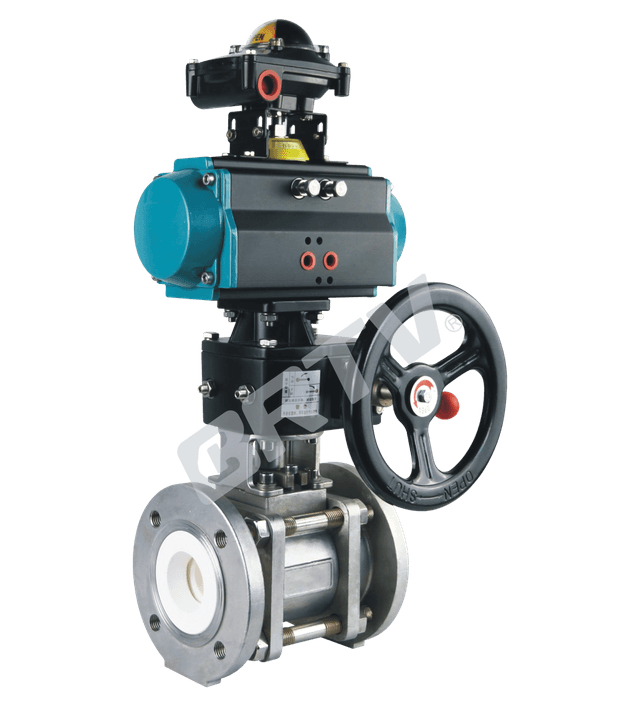
Ceramic Ball Valve

Ceramic Valve

Ceramic Ball Valve

Read More
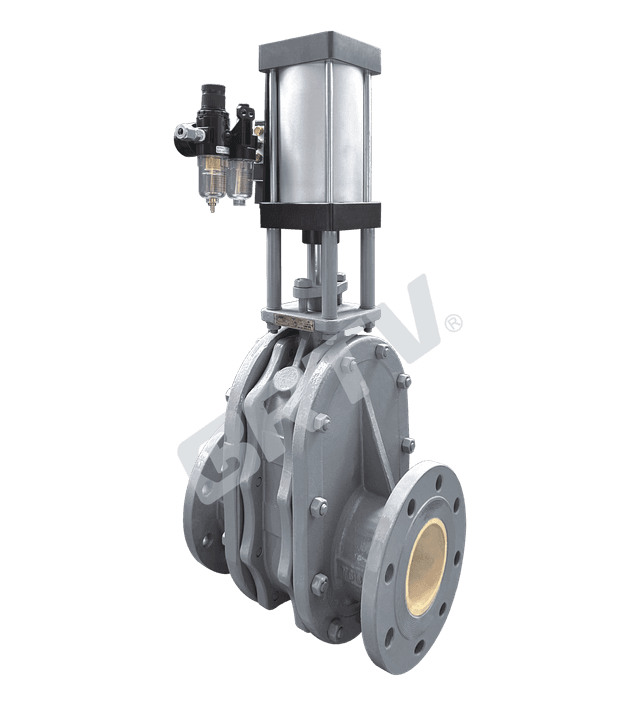
Ceramic Gate Valve

Ceramic Valve

Ceramic Gate Valve

Read More

1. Ceramic Valve working principle

1) Structural hardness and sealing mechanism

A specialized Ceramic Valve operates by utilizing the extreme physical properties of technical ceramics, such as alumina or zirconia, for its internal sealing components. Unlike standard metallic units, the closure mechanism in this hardware relies on precision-ground ceramic surfaces that slide against one another. When the actuator rotates or slides the internal element, these surfaces create a high-pressure seal that is virtually immune to the abrasive effects of solid particles. The structural integrity of a Ceramic Valve ensures that the sealing interface remains intact even when subjected to high-velocity flows of fly ash or mineral slurries, providing a level of durability that metal alloys cannot match.

2) Internal components and materials

The primary construction of a Ceramic Valve involves a robust metal outer shell, often made of carbon steel or stainless steel, which houses the ceramic liners and closure members. The wetted parts—including the sphere, disc, and seats—are crafted from solid structural ceramics. This material selection is critical for preventing erosion and chemical degradation. In a Ceramic Valve, the stem is usually designed with a high-strength connection to handle the operational torque while protecting the ceramic parts from mechanical stress. Specialized gaskets and secondary seals ensure that the external environment is protected from the internal medium.

3) Flow regulation characteristics

The flow path within a Ceramic Valve is designed to minimize turbulence and localized wear. Because ceramics maintain their shape under extreme friction, the flow coefficient remains stable throughout the life of the device. Whether used for simple on-off service or precise throttling, the geometry of the ceramic trim prevents the rounding of edges that typically causes leakage in metal-seated alternatives. This stability is vital for maintaining process accuracy in pneumatic conveying and slurry transport systems.

2. Ceramic Valve product type classification

2.1 Ceramic Ball Valve

The Ceramic Ball Valve is the primary solution for handling aggressive chemical media and abrasive solids. It utilizes a solid ceramic sphere that rotates within ceramic seats. This configuration is exceptionally effective at resisting "wire drawing" and cavitation. Due to its high chemical inertness, this Ceramic Valve type is frequently installed in lines carrying strong acids or abrasive catalysts in the petrochemical and polysilicon industries where metallic contamination must be eliminated.

2.2 Ceramic Gate Valve

For dry powder and ash handling, the Ceramic Gate Valve is the preferred technological choice. It often features a double-disc design where ceramic plates are pushed against ceramic seats by internal springs. The sliding action of the disc during operation effectively shears through accumulated solids and clears the sealing surface. This specific Ceramic Valve design is standard in power plant ash removal systems and cement production lines, where traditional gate designs would fail within weeks.

3. Advantages of choosing a Ceramic Valve

1) Unrivaled abrasion and erosion resistance

The most significant benefit of a Ceramic Valve is its hardness, which typically reaches HRA 88 or higher. This characteristic allows the device to process fluids containing silica, alumina, and other hard particles without suffering from surface degradation. By significantly extending the intervals between replacements, a Ceramic Valve lowers the total cost of ownership in high-wear environments.

2) Exceptional chemical and thermal stability

A Ceramic Valve is almost entirely inert to the vast majority of industrial chemicals. It does not suffer from the pitting or stress-corrosion cracking that affects stainless steel. Furthermore, the material maintains its mechanical strength and dimensional accuracy at elevated temperatures, ensuring that the Ceramic Valve remains operational in conditions that would cause metallic components to seize or deform.

3) Prevention of metallic contamination

In industries such as lithium battery manufacturing and semiconductor production, any trace of metal ions can compromise the final product. A Ceramic Valve provides a completely non-metallic flow path for the medium, ensuring high purity and preventing iron or other metallic elements from leaching into the process stream.

4. Ceramic Valve selection guide

1) Analyzing medium hardness and velocity

The selection of a Ceramic Valve must begin with an evaluation of the medium's abrasive properties. High-velocity flows with high-concentration solids require full-ceramic trims. If the particles are particularly large, the internal bore of the Ceramic Valve must be sized to prevent clogging while maintaining the necessary pressure rating of the external housing.

2) Operating temperature and thermal shock

While a Ceramic Valve is excellent for high temperatures, the rate of temperature change must be monitored. Thermal shock can affect certain ceramic grades, so it is important to select zirconia-based components for applications where sudden temperature fluctuations occur. The expansion coefficients of the metal housing and the ceramic liner must also be synchronized to ensure a Ceramic Valve maintains its seal at all operating points.

3) Actuation and control interface

Determining whether a Ceramic Valve requires pneumatic or electric actuation depends on the process logic. For frequent cycling in ash transport, a high-speed pneumatic actuator is often used. For modulating control of chemical slurries, an electric actuator with an intelligent positioner provides the precise movement required to leverage the stable flow characteristics of the Ceramic Valve.

5. Industry standards and quality compliance

Every Ceramic Valve is manufactured under strict quality controls to ensure structural safety. Design and pressure testing often comply with international standards such as ASME B16.34. The ceramic components undergo rigorous non-destructive testing, including dye penetrant and ultrasonic inspections, to verify the absence of defects. Production facilities typically maintain ISO 9001 certification and specialized licenses for pressure piping components, ensuring that each Ceramic Valve meets the safety criteria for high-pressure and hazardous environments.

6. Typical application scenarios

The Ceramic Valve is a critical component across several heavy industries. In the power sector, these devices manage the discharge of dry ash and the circulation of limestone slurries in desulfurization units. The mining industry uses a Ceramic Valve to control the flow of tailings and mineral concentrates. In the chemical field, they are indispensable for polysilicon and titanium dioxide production. Modern lithium battery plants rely on the Ceramic Valve to transport cathode materials safely without risking metal contamination, while the metallurgy sector uses them for coal injection and dust collection.

7. Frequently asked questions (FAQ)

1) Why is a Ceramic Valve more durable than a metal one in slurry service?

The surface hardness of the ceramic components is far higher than that of hardened steel or specialized alloys, meaning that abrasive particles cannot scratch or erode the sealing surfaces of the Ceramic Valve.

2) Can a Ceramic Valve be used in high-pressure gas lines?

Yes, a Ceramic Valve is suitable for high-pressure gas, especially if the gas contains particulate matter like sand or scale that would quickly erode standard metal seats.

3) What is the typical life expectancy of a Ceramic Valve?

Depending on the concentration of abrasives, a Ceramic Valve can last 5 to 10 times longer than a hard-faced metal valve in identical conditions, significantly reducing maintenance downtime.

4) Are there any restrictions on the installation orientation of a Ceramic Valve?

Generally, a Ceramic Valve can be installed in any orientation, though for gate designs handling heavy powders, vertical orientation is often preferred to assist with the self-cleaning action.

5) How does a Ceramic Valve handle corrosive acids?

Because the internal ceramic materials are chemically inert, they do not react with acids or alkalis, allowing the Ceramic Valve to maintain its seal where metals would undergo rapid chemical corrosion.

WhatsApp