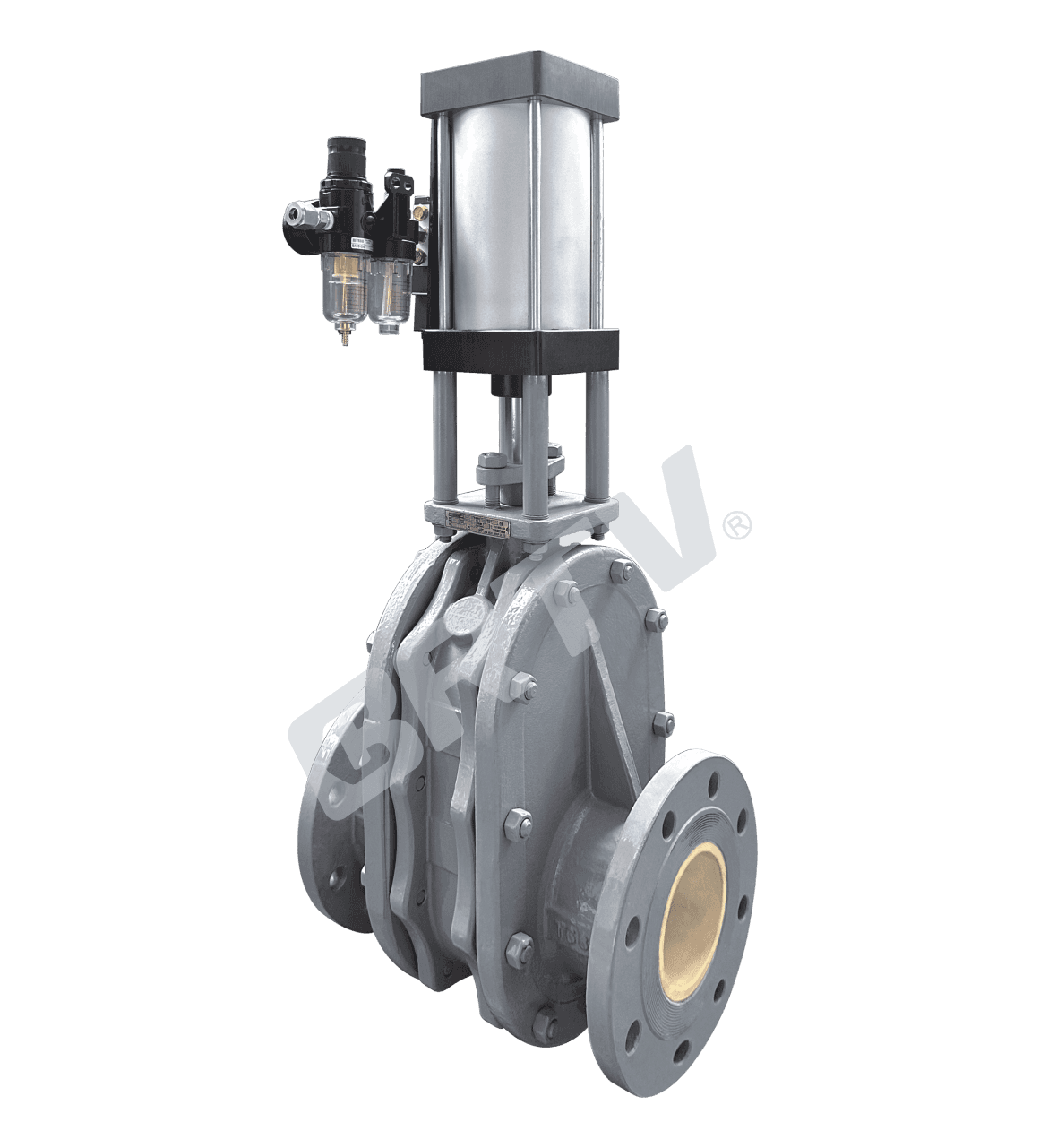
Technical Specification
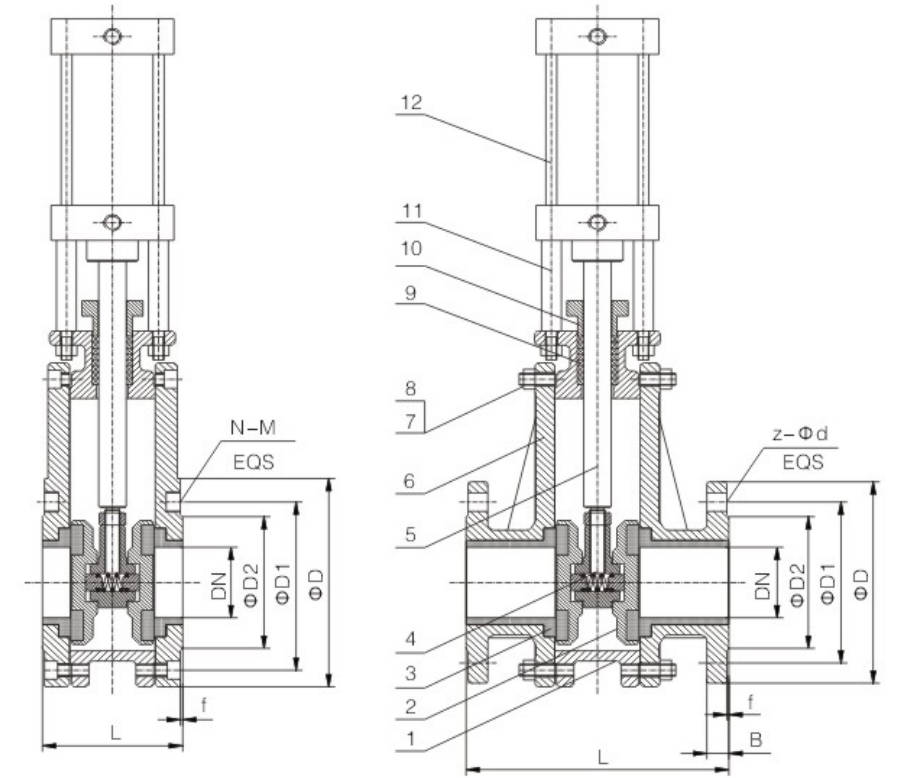
| Design and Manufacture | JB/T 10529 |
|---|
| Face to Face (Connection End) | Manufacturer Standard |
| Flange End (Connection End) | GB/T 9113 |
| Inspection & Test | JB/T 9092 |
| Mark | GB/T 12220 |
| Delivery | GB/T 12252 |
Main Component Materials
| No. | Name | Material | No. | Name | Material |
|---|
| 1 | Body | WCB | 7 | Stud | 35CrMo |
| 2 | Disc | WCB + Engineering Ceramic | 8 | Nut | 45# |
| 3 | Seat | Engineering Ceramic | 9 | Packing | PTFE |
| 4 | Hood | WCB | 10 | Packing Gland | WCB |
| 5 | Rod | 45# | 11 | Yoke | Q235 |
| 6 | Cover | WCB | 12 | Pneumatic | — |
Main Outline and Connecting Size
| DN | L | L1 | D | D1 | D2 | B | f | N-M | Z-d |
|---|
| 50 | 120 | 205 | 165 | 125 | 102 | 18 | 3 | 4-M16 | 4-18 |
| 65 | 120 | 220 | 185 | 145 | 122 | 18 | 3 | 4-M16 | 4-18 |
| 80 | 120 | 240 | 200 | 160 | 138 | 20 | 3 | 8-M16 | 8-18 |
| 100 | 120 | 280 | 220 | 180 | 158 | 20 | 3 | 8-M16 | 8-18 |
| 125 | 160 | 300 | 250 | 210 | 188 | 22 | 3 | 8-M16 | 8-18 |
| 150 | 160 | 320 | 285 | 240 | 212 | 22 | 3 | 8-M20 | 8-22 |
| 200 | 160 | 350 | 340 | 295 | 268 | 24 | 3 | 8-M20 | 8-22 |
| 250 | 200 | 400 | 395 | 350 | 320 | 26 | 3 | 12-M20 | 12-22 |
| 300 | 200 | 450 | 445 | 400 | 370 | 26 | 4 | 12-M20 | 12-22 |
Manufacturing Process
Step 1: Order and Design
Based on the operating conditions parameters provided by the customer, such as pressure, temperature, medium type, pipe diameter size and connection method, the structural scheme of the ceramic gate valve is determined. Subsequently, the drawing design is completed, with a focus on confirming the valve body material, the size and tolerance requirements of the ceramic liner or ceramic sealing pair, as well as the driving method (manual, pneumatic or electric).
Step 2: Forging & Casting
According to the design requirements, the metal components such as the valve body and valve cover should be cast or forged. For ceramic gate valves, the metal base needs to have sufficient strength and stability to allow for the subsequent installation of ceramic seals or wear-resistant liners, while ensuring the overall pressure-bearing performance.
Step 3: Machining
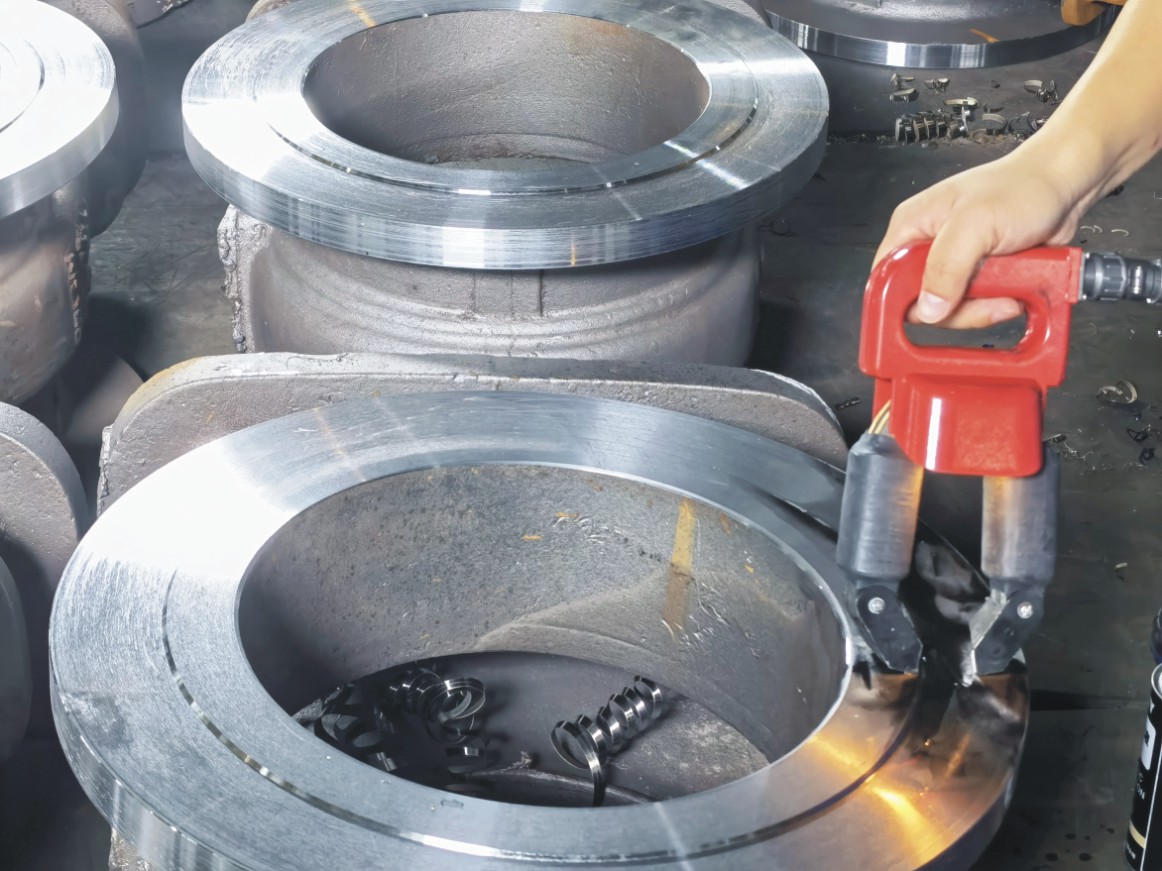
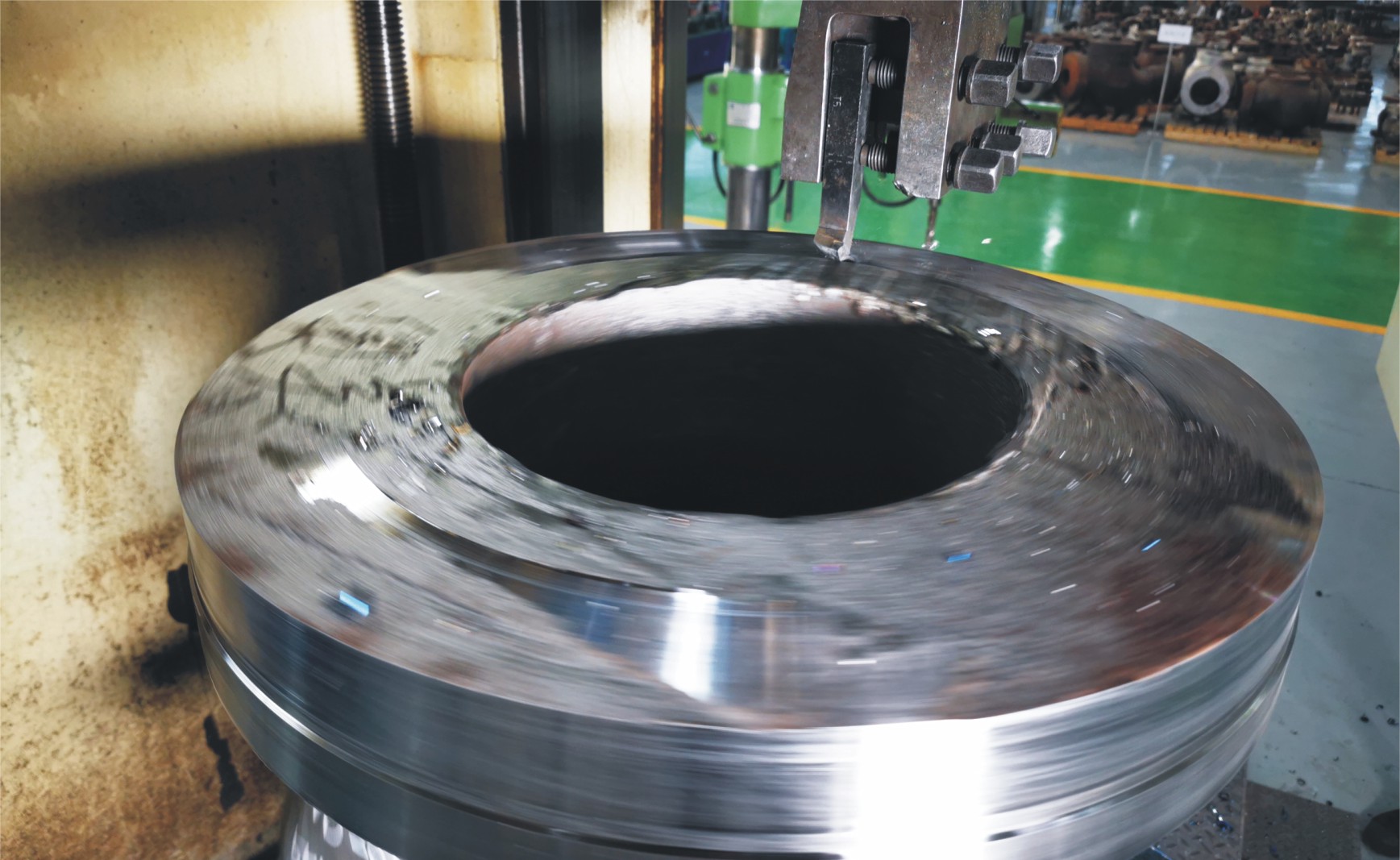
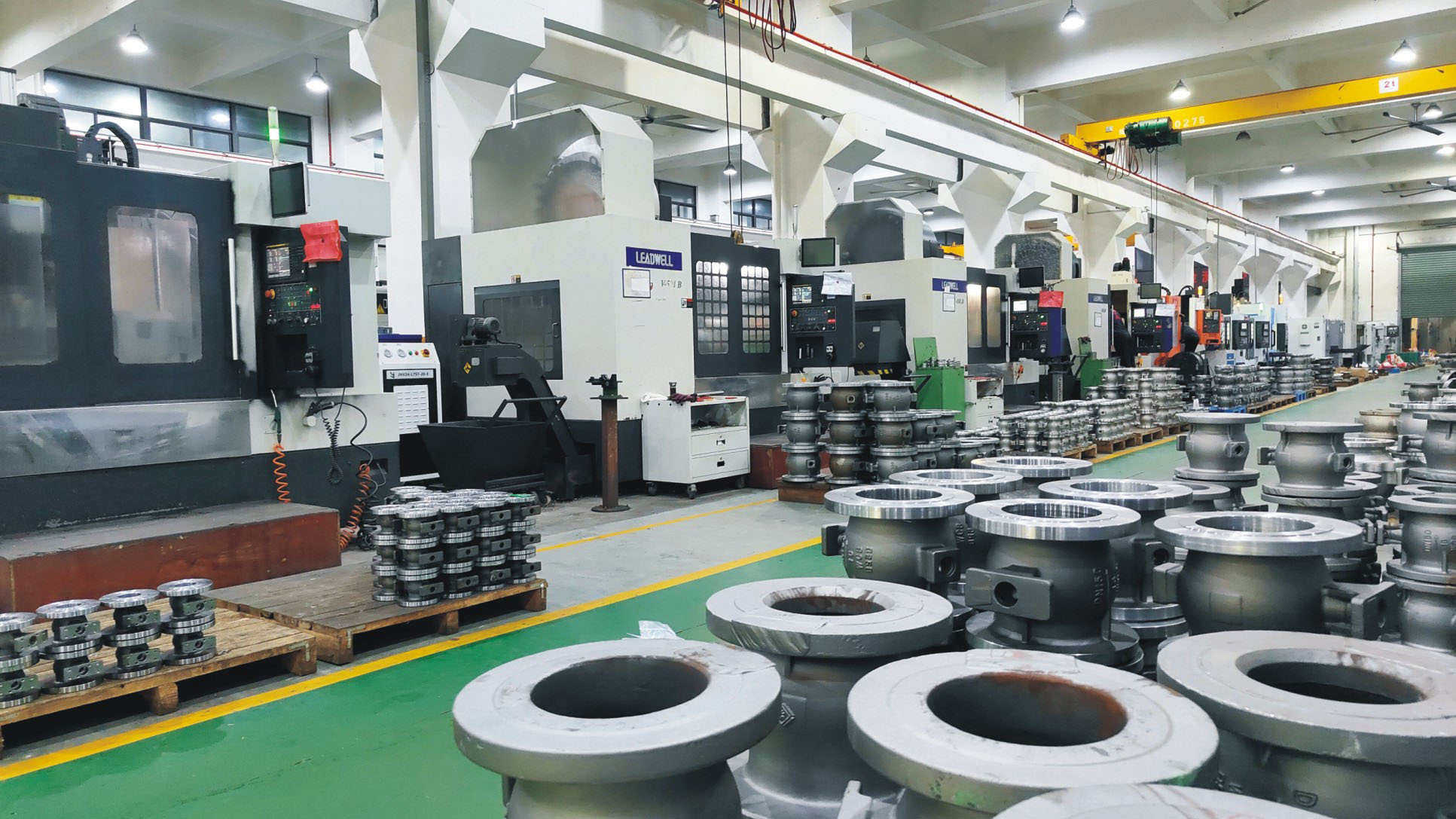
Carry out precise mechanical processing on castings or forgings, including flanges, valve chambers, guide grooves, connection holes and sealing mating surfaces. For ceramic gate valves, processing accuracy is particularly important because the fit between the valve plate, valve seat and ceramic components directly affects the sealing performance and service life.
Step 4: Assembly
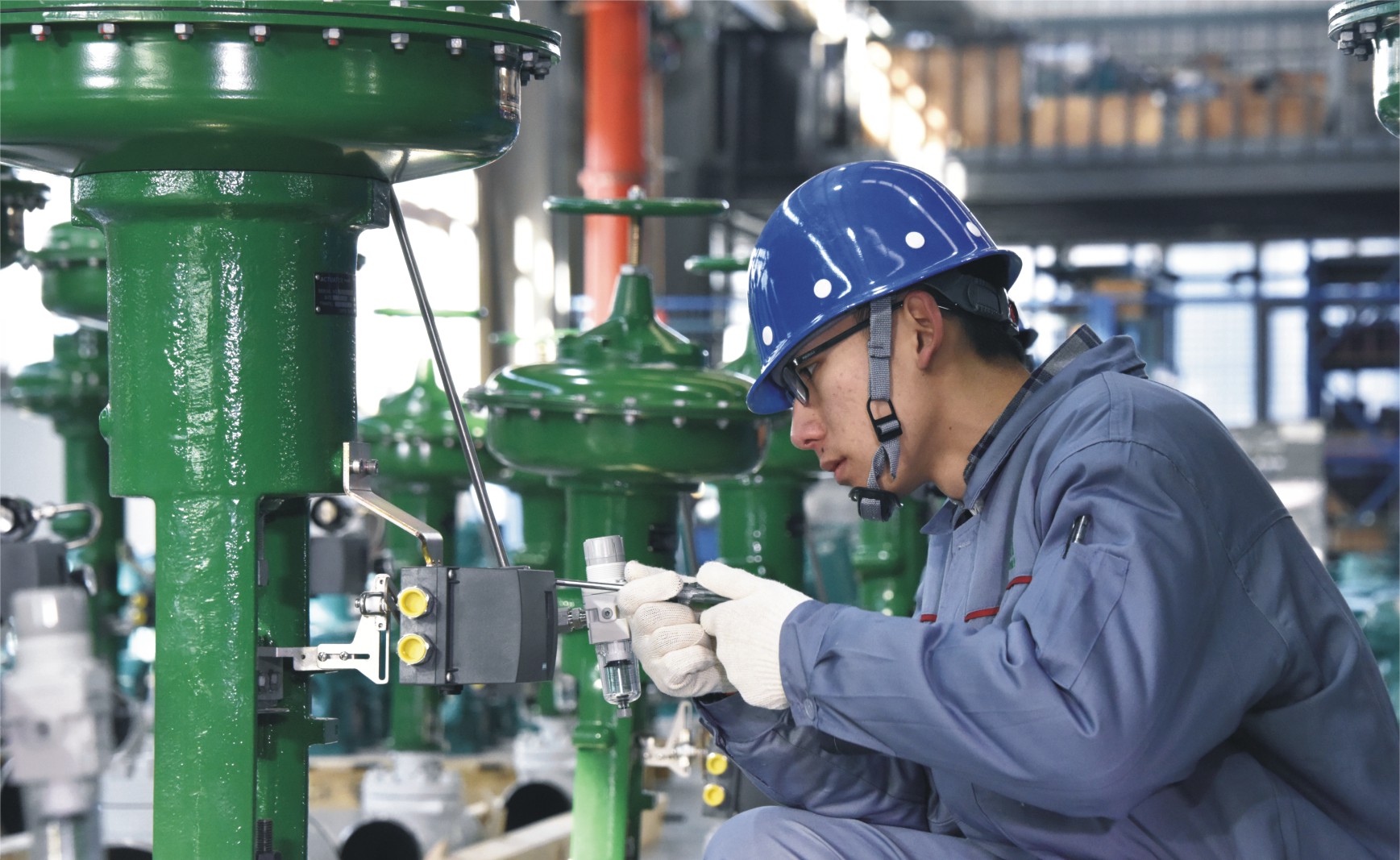
Assemble the processed valve body, valve cover, gate plate, valve stem, actuator and ceramic sealing components. During the assembly process of the ceramic gate valve, special attention should be paid to the installation accuracy and protection of the ceramic components to avoid damage, chipping or excessive assembly stress, ensuring smooth opening and closing.
Step 5: Testing & Quality Assurance
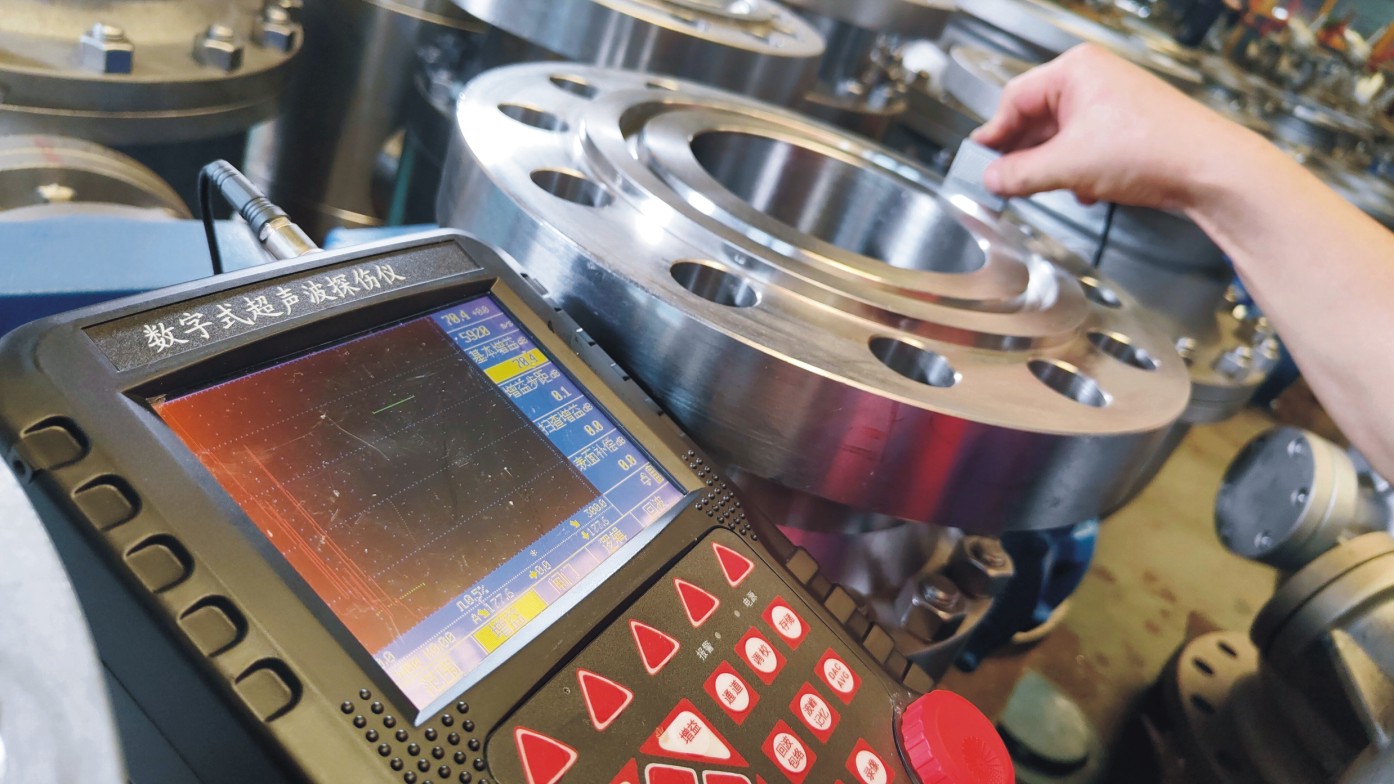
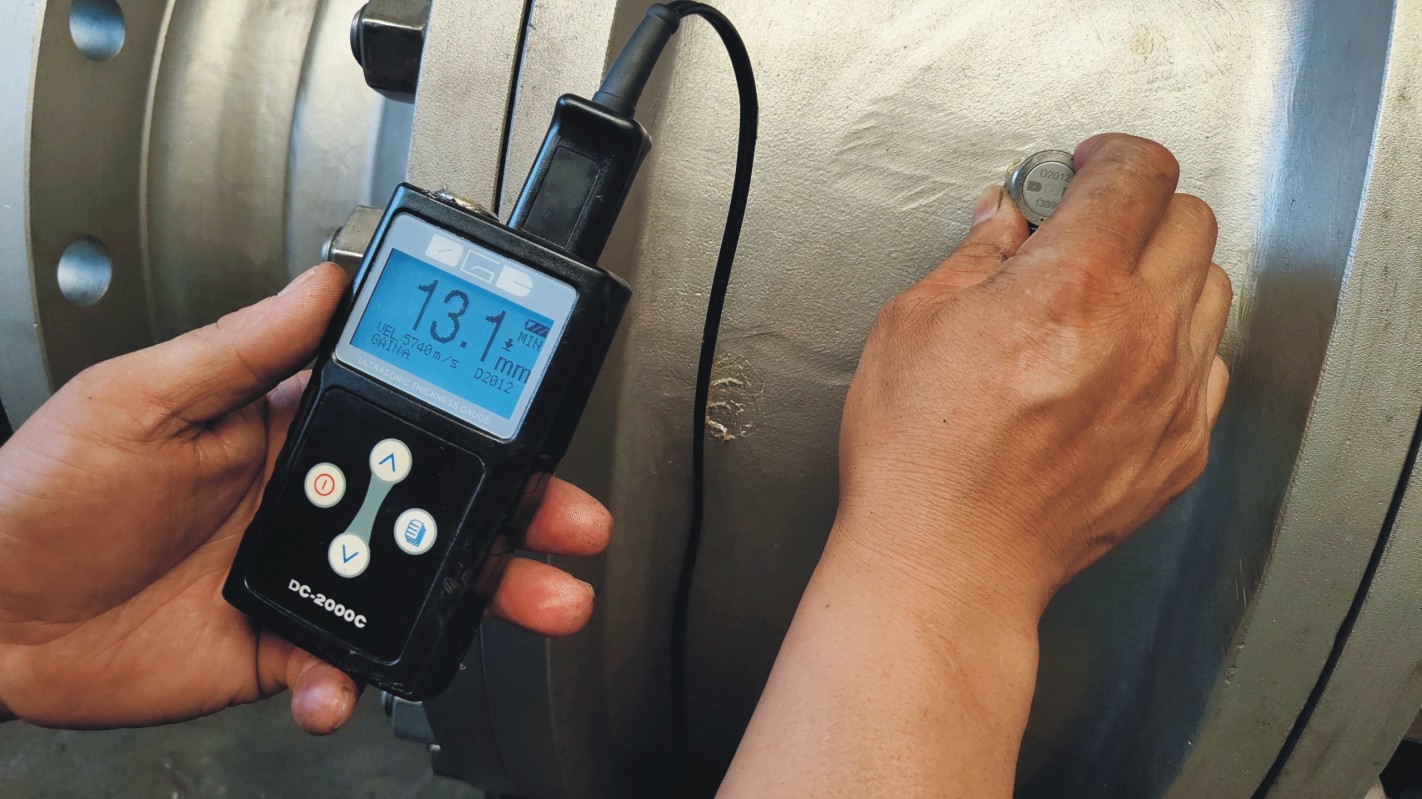
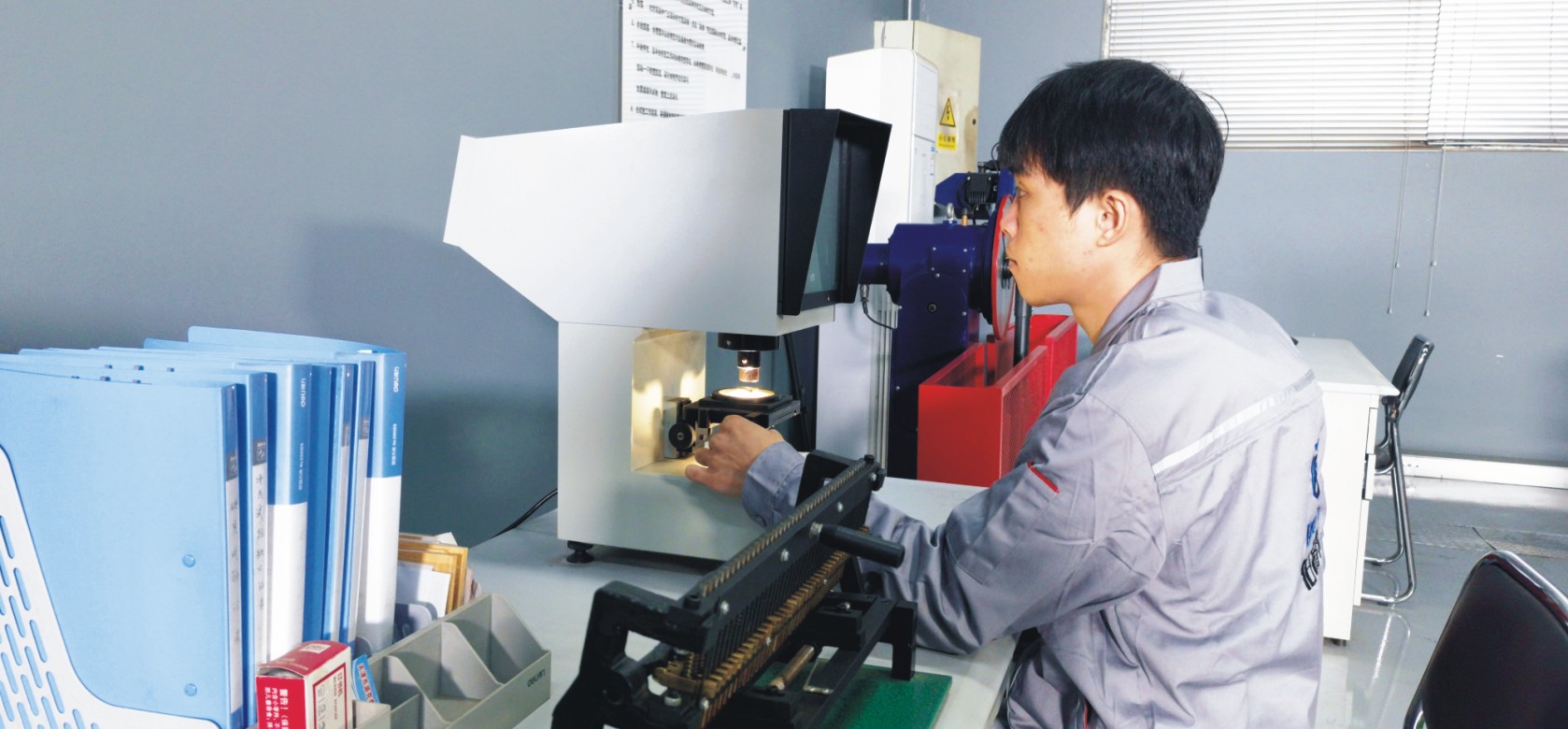
After assembly is completed, conduct pressure tests, seal tests, opening and closing tests, and appearance inspections on the ceramic gate valve. If necessary, also check the adhesion of the ceramic sealing surfaces to ensure that the valve maintains reliable performance and stable quality under high wear and corrosion conditions.
Step 6: Painting and Finishing
After passing the test, the outer surface of the valve will be cleaned, undergo anti-rust treatment, be painted and marked. Finally, the nameplate installation, packaging and pre-shipment inspection will be completed to ensure that the product appearance is neat, the markings are clear, and it meets the requirements for transportation and delivery.
Applications
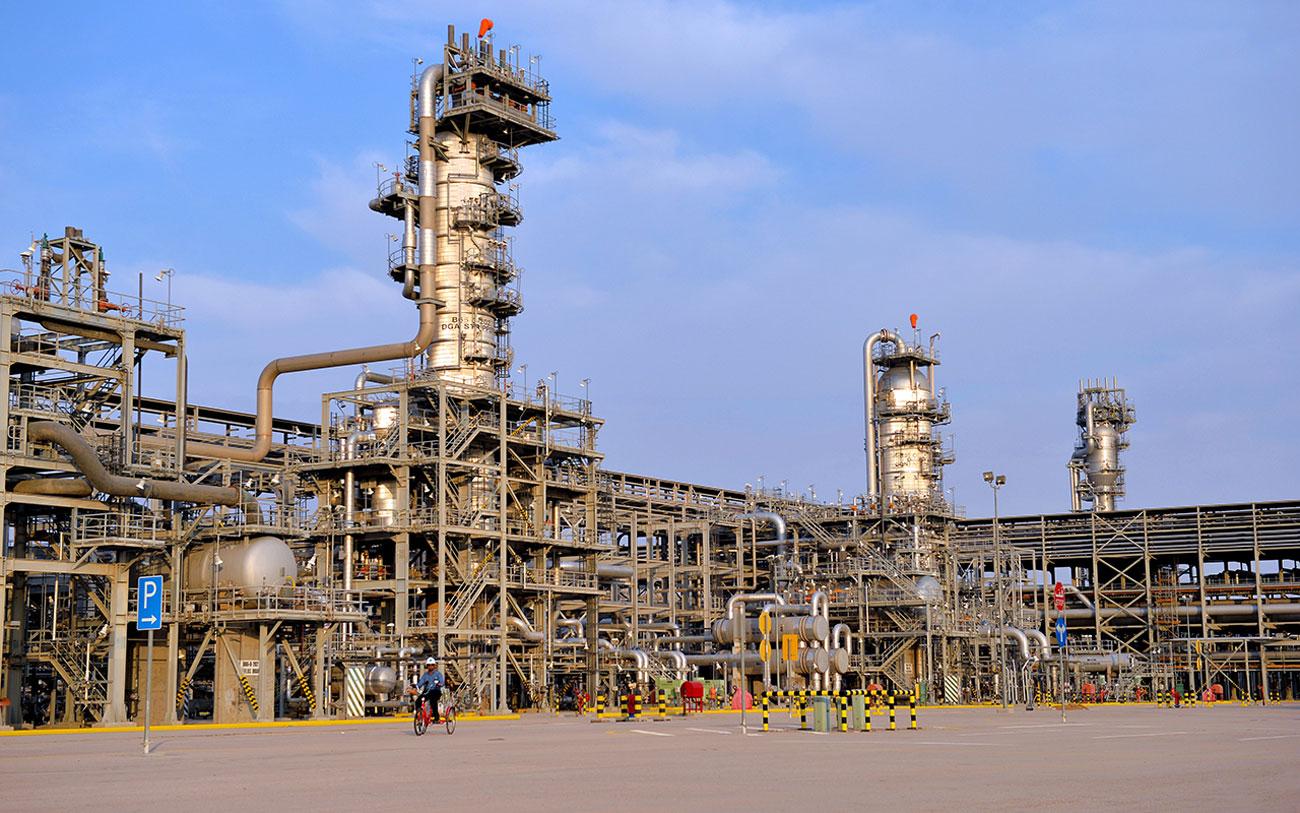
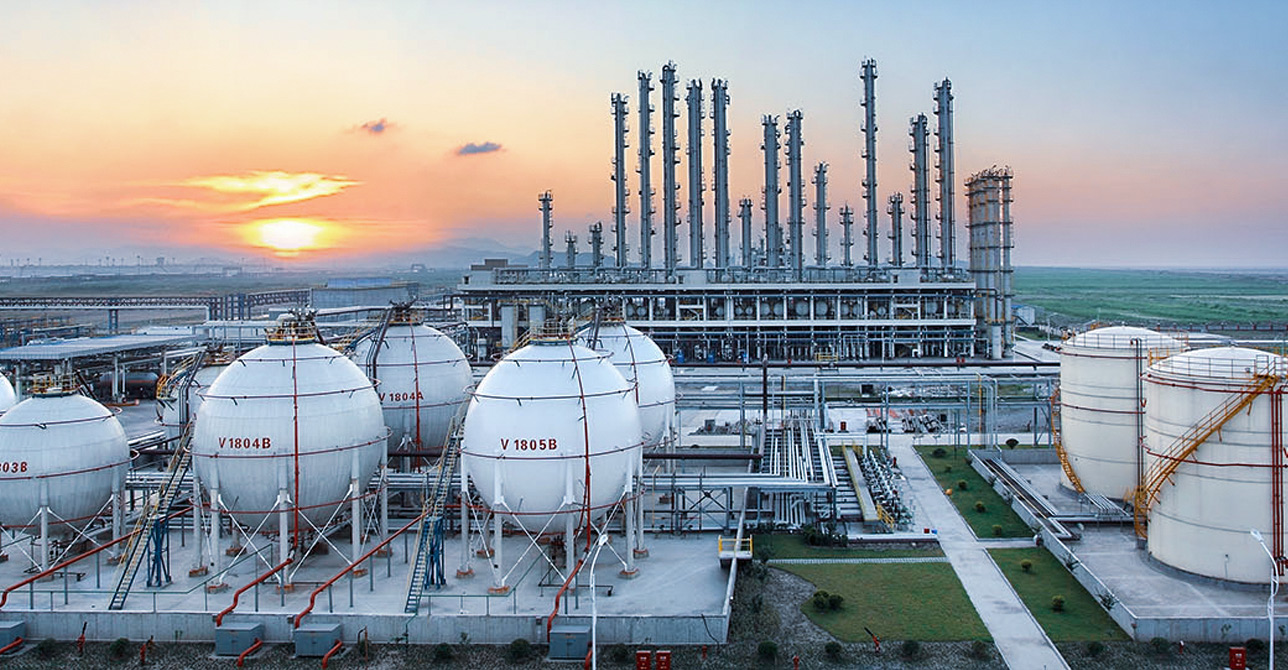
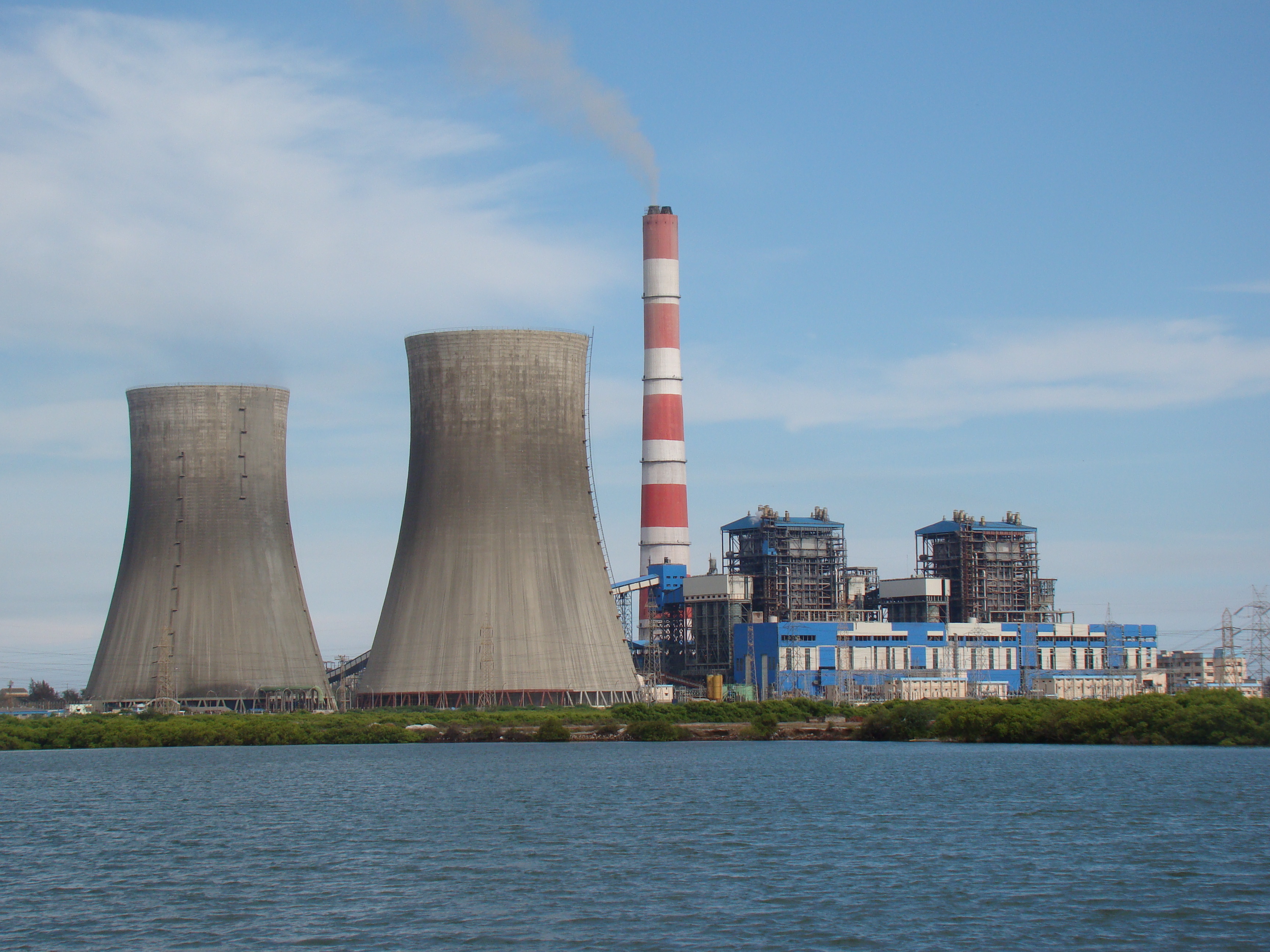
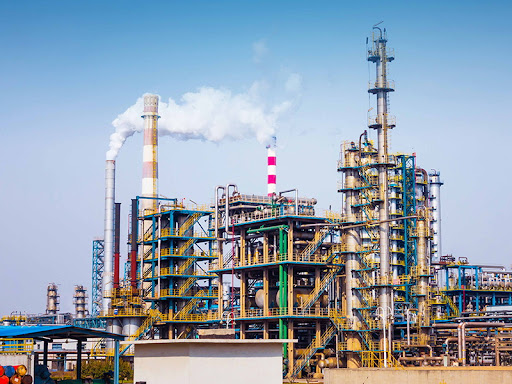
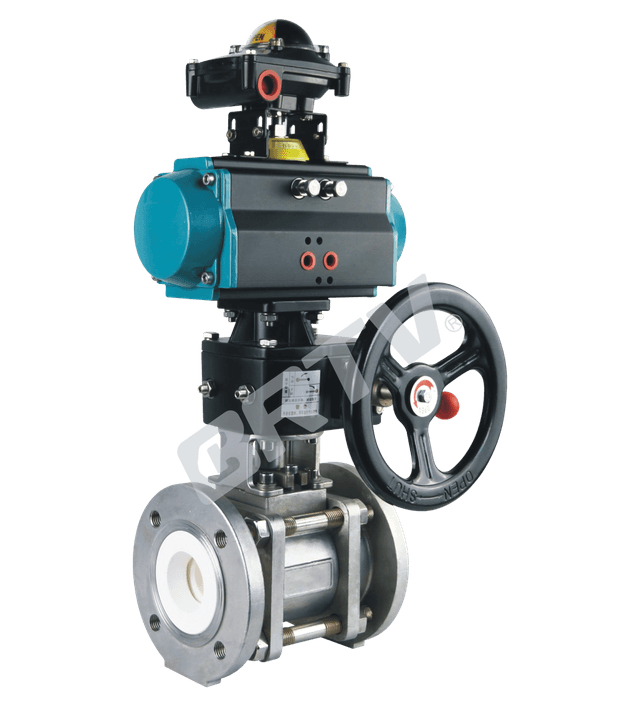
The ceramic gate valve is manufactured with high-performance ceramic materials, featuring excellent corrosion resistance, wear resistance and sealing performance. It can operate stably for a long time in corrosive media such as acids and alkalis, as well as in high-speed fluid environments. It has a long service life, flexible operation and high reliability. Therefore, ceramic gate valve are widely used in industrial fields such as chemical, pharmaceutical and power industries. However, ceramic gate valve also have disadvantages such as high cost and sensitivity to shock and vibration. Therefore, when choosing them in practice, it is necessary to consider specific working conditions and requirements comprehensively.
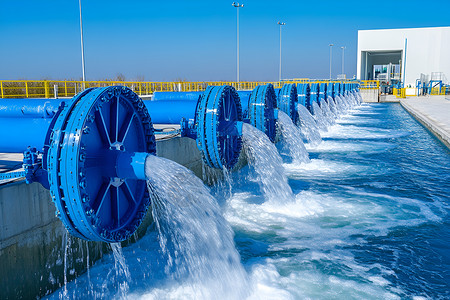
These valves are widely used in:
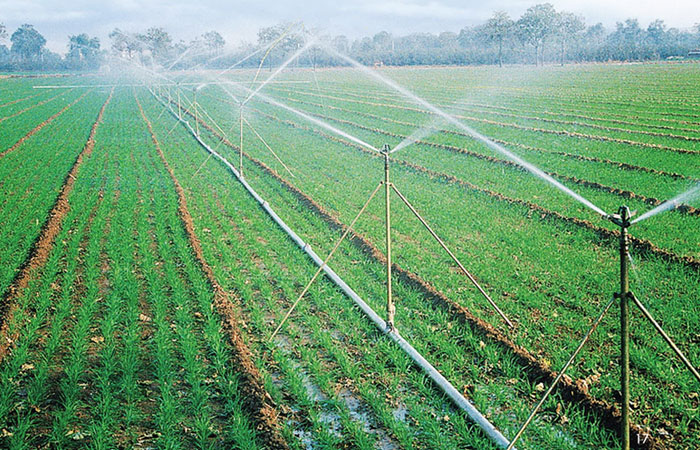
Agriculture and Irrigation
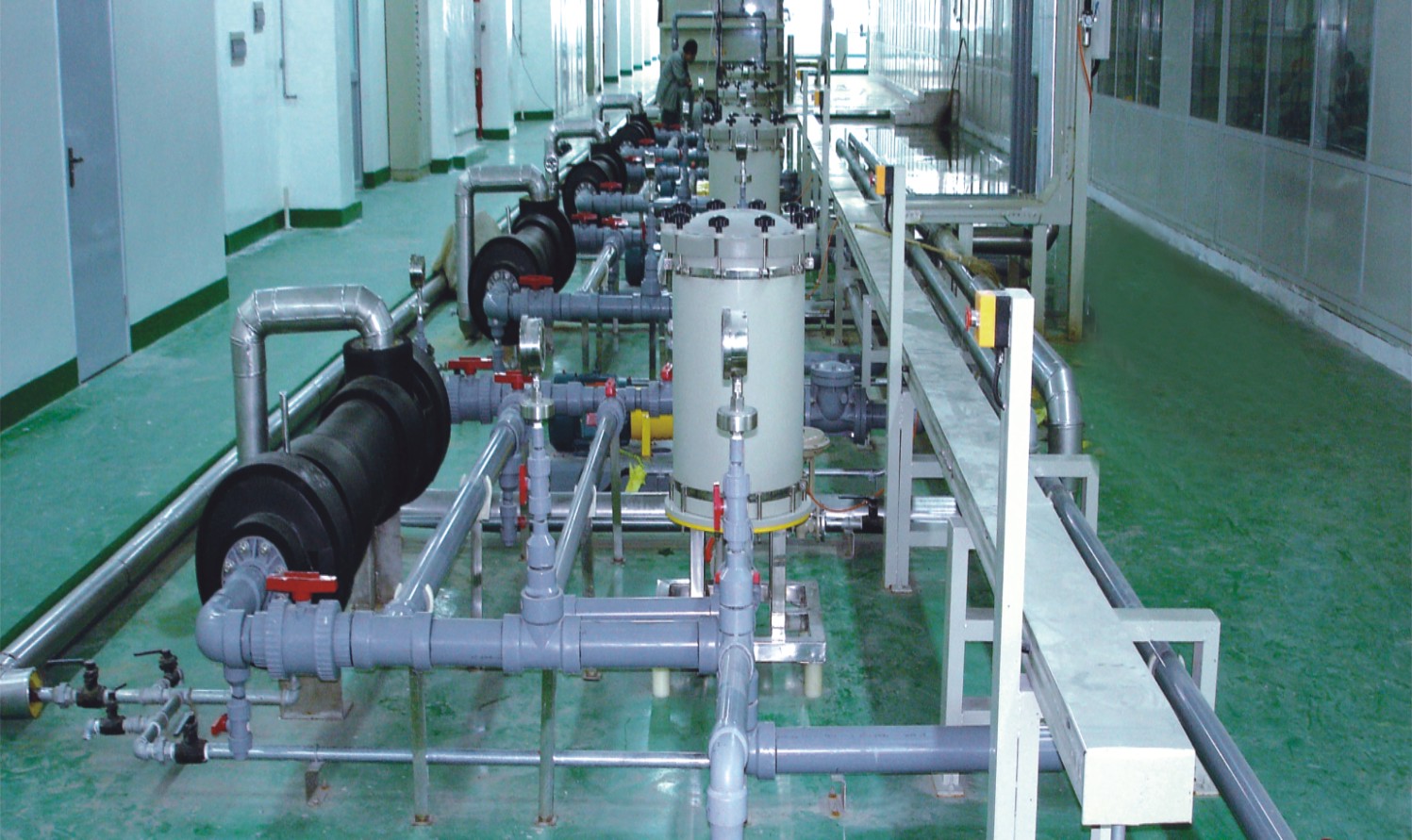
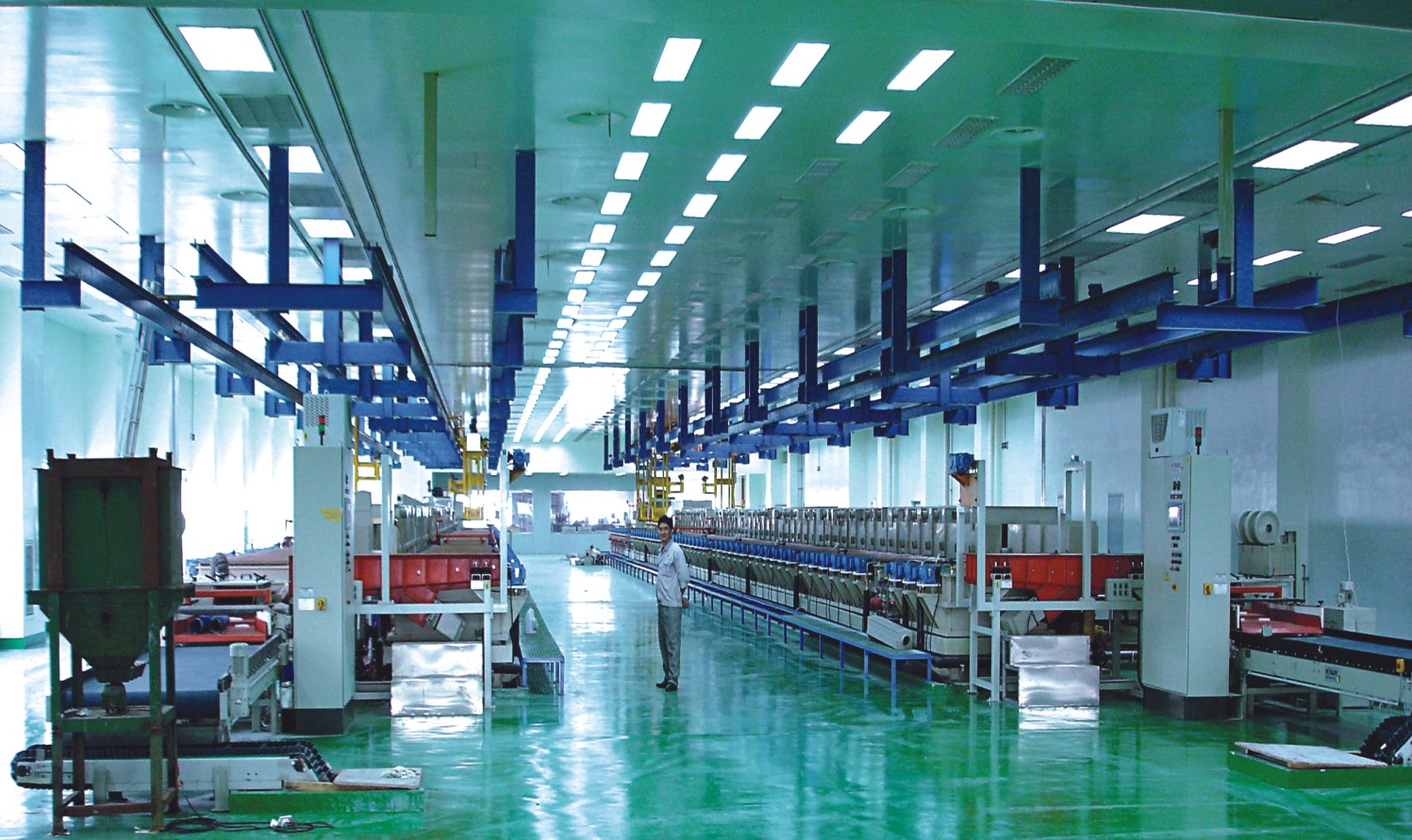
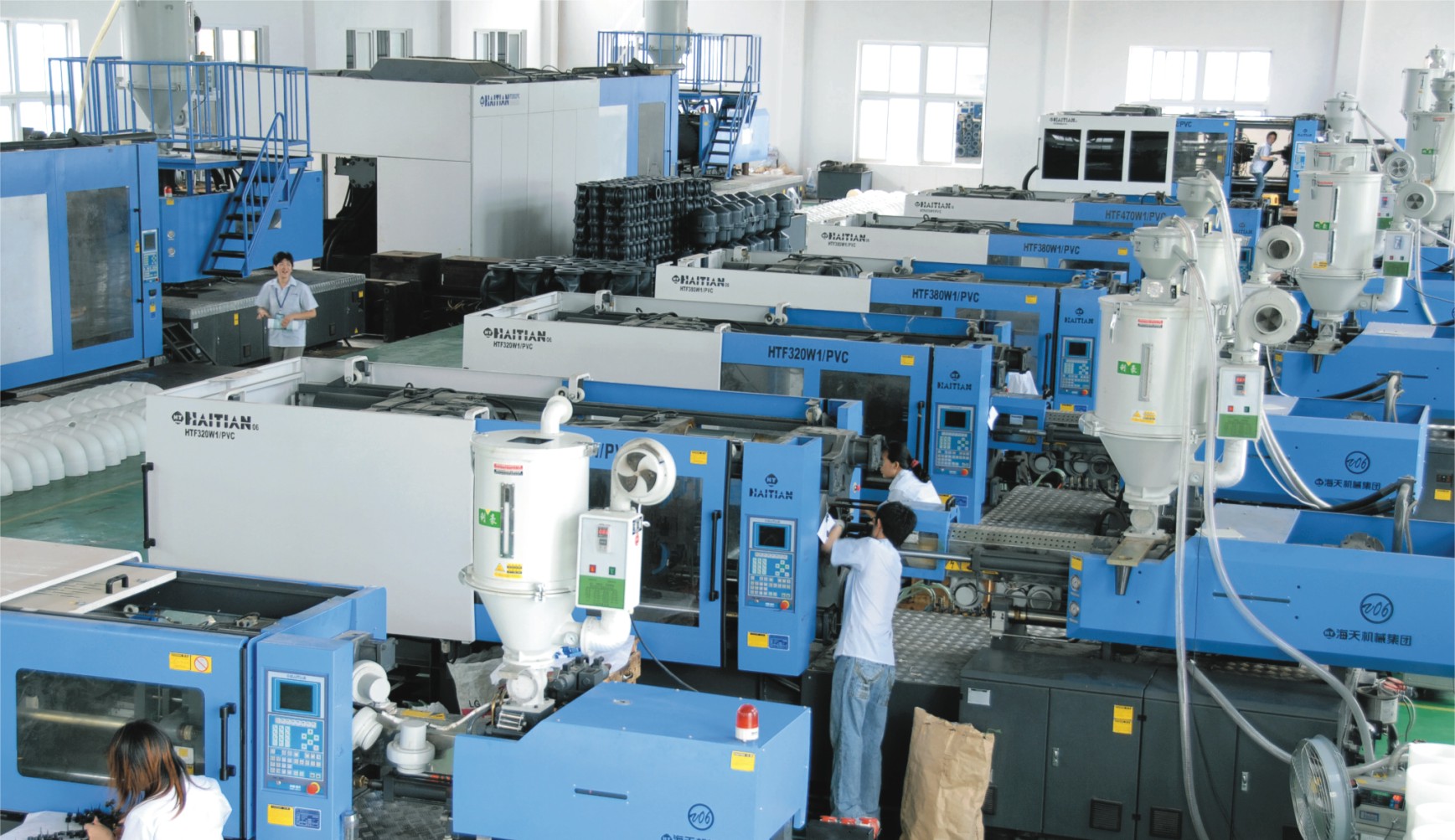
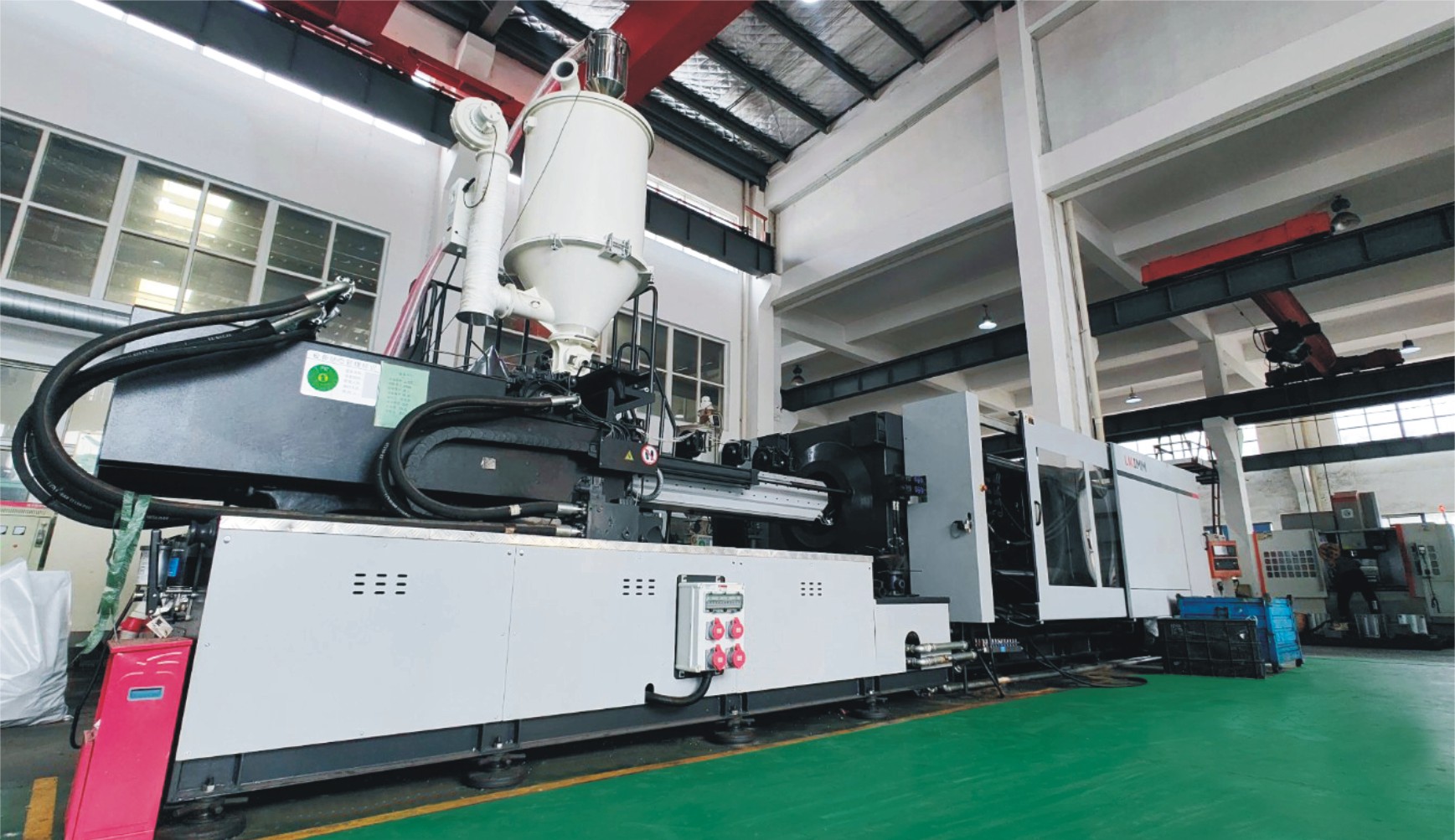
Factory Environment
Why Choose Us
Superior Quality
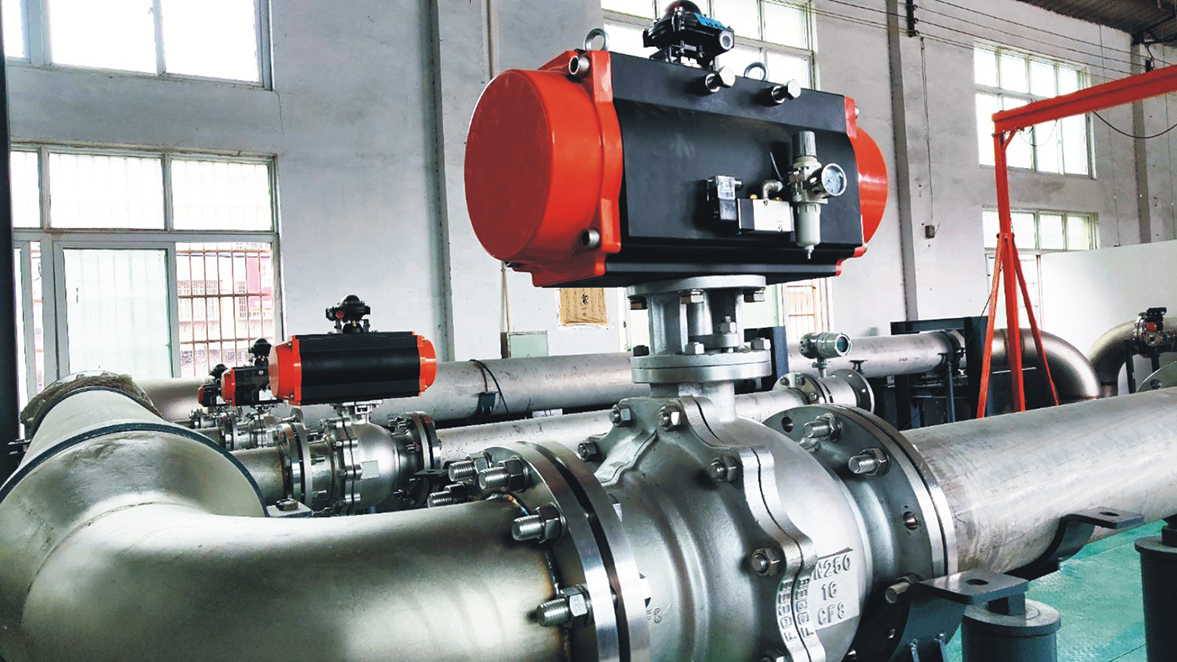
Our valves are manufactured using premium materials and undergo rigorous quality testing to ensure reliable performance in demanding industrial applications.
Advanced Technology
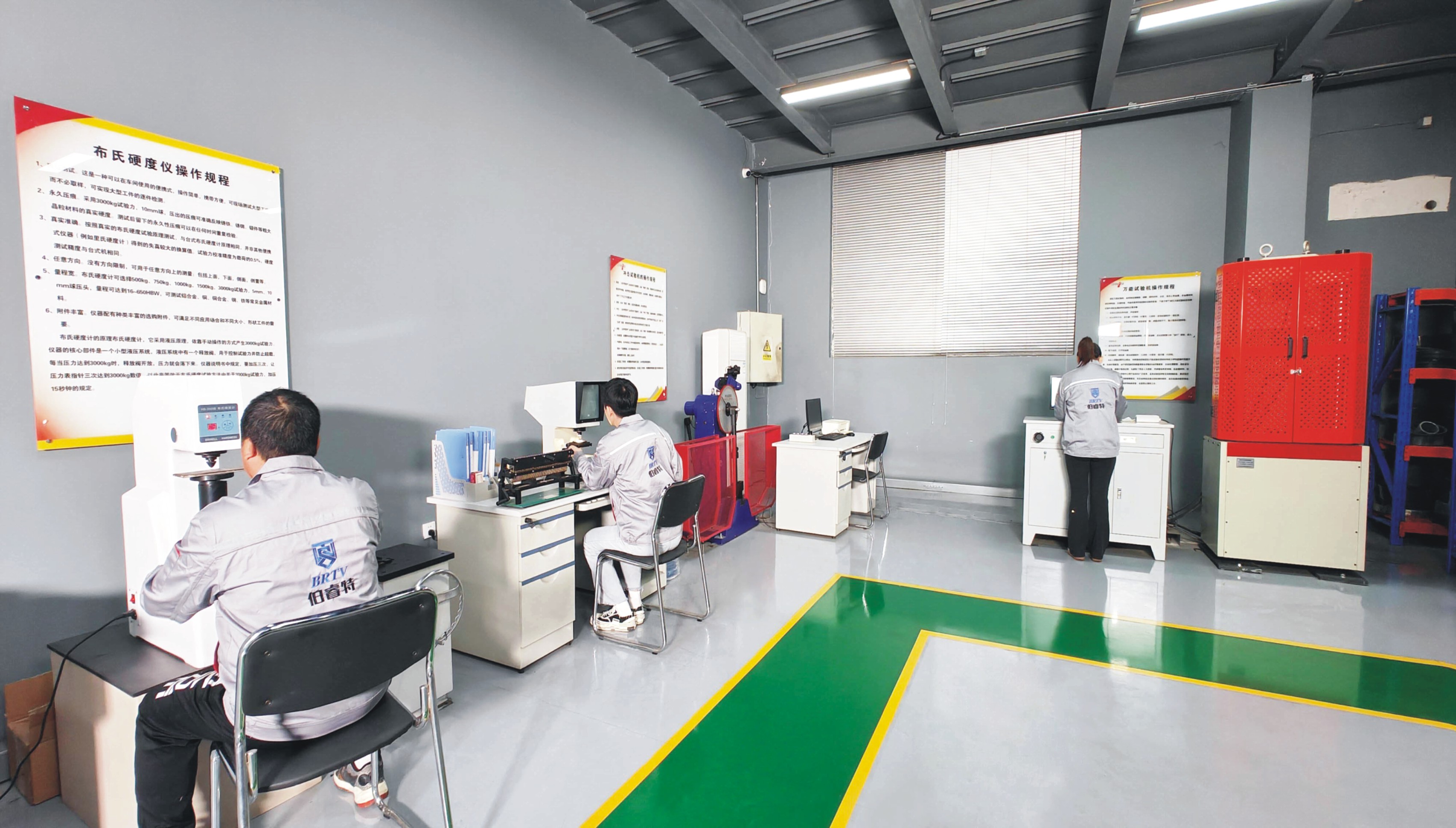
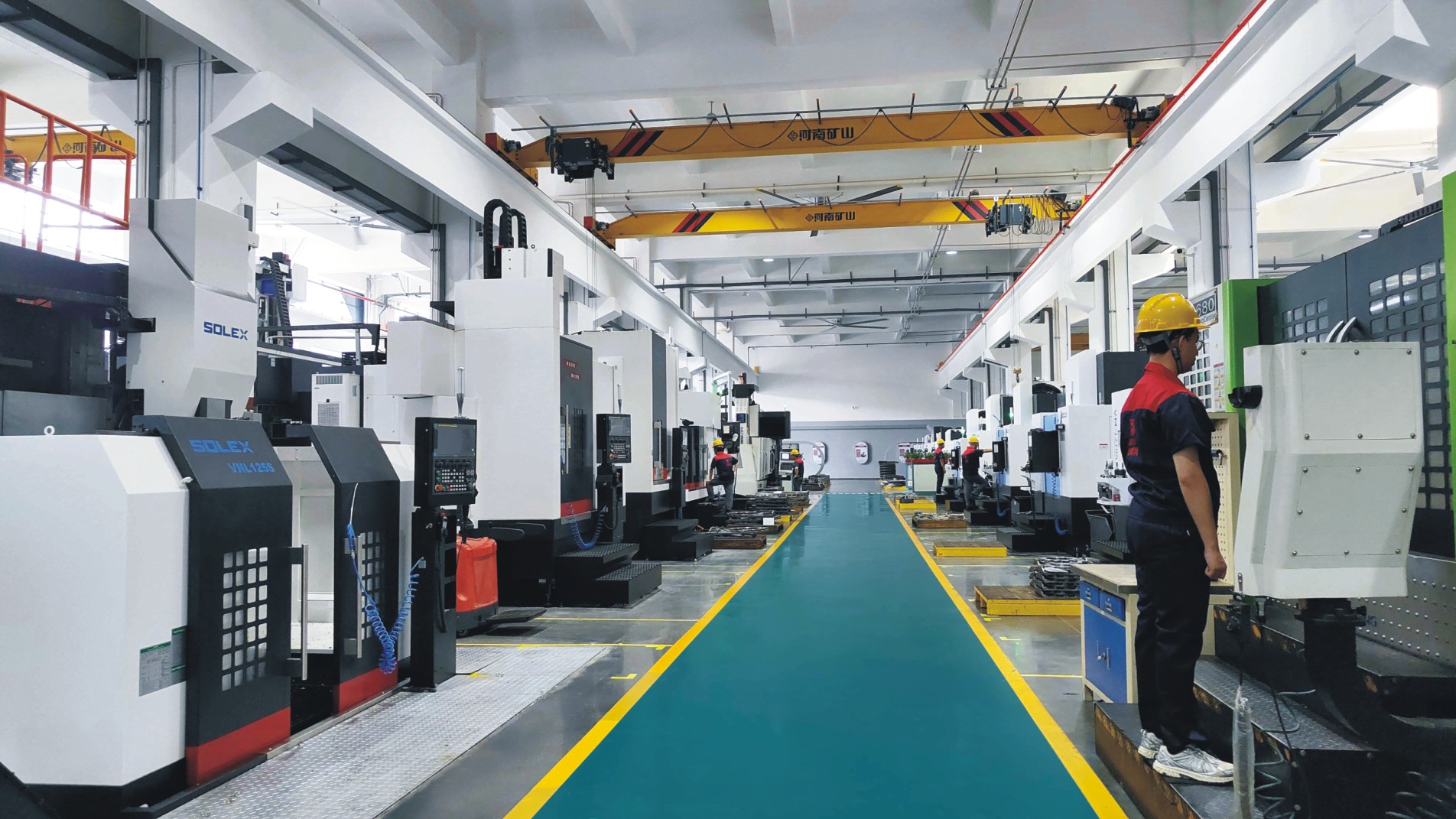
Equipped with state-of-the-art CNC machining centers and precision manufacturing equipment, we deliver valves with exceptional accuracy and consistency.
Competitive Pricing
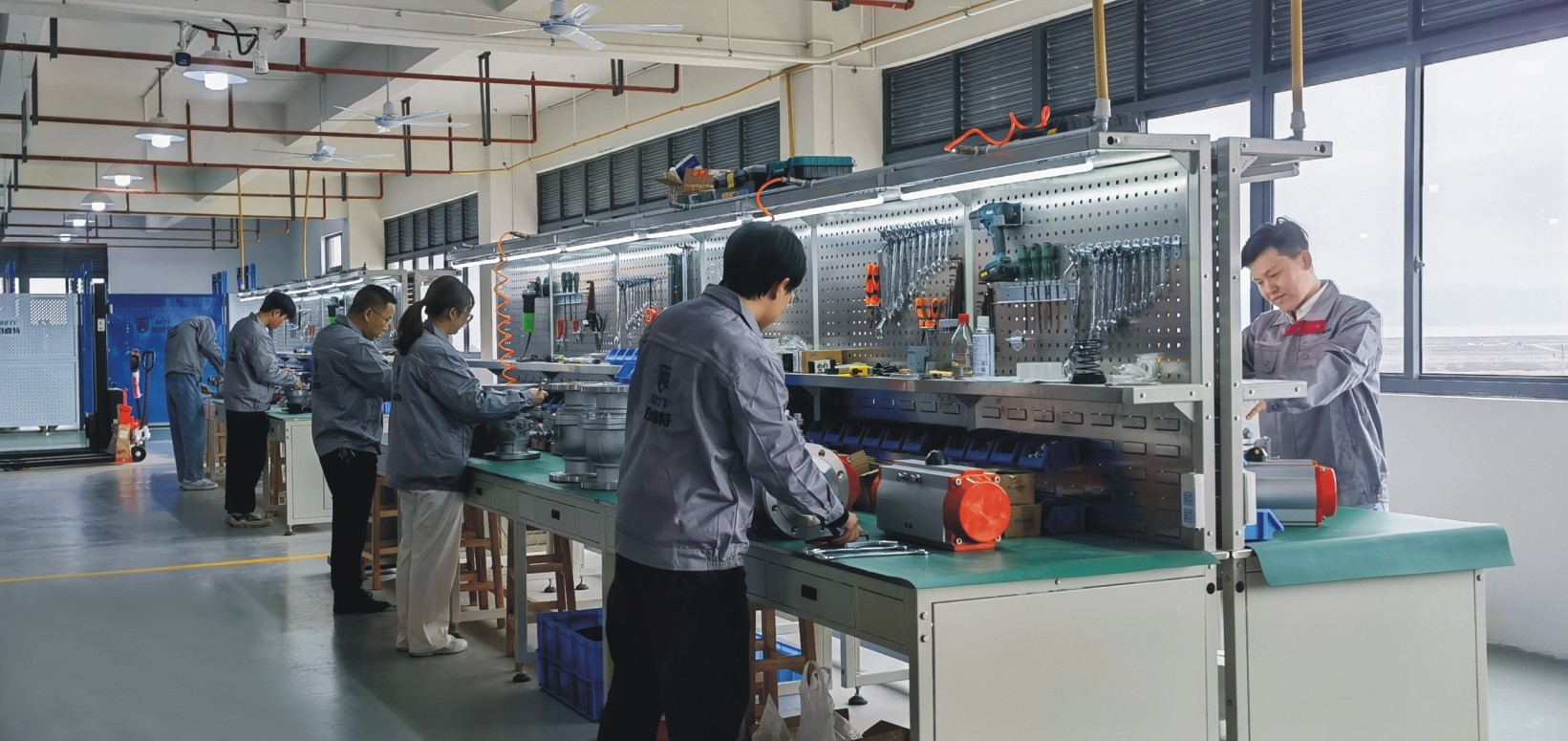
Through optimized manufacturing processes and bulk material procurement, we offer high-quality valves at competitive prices without compromising on quality.
Expert Support
Our experienced technical team provides comprehensive support from product selection to after-sales service, ensuring optimal valve performance for your specific application.