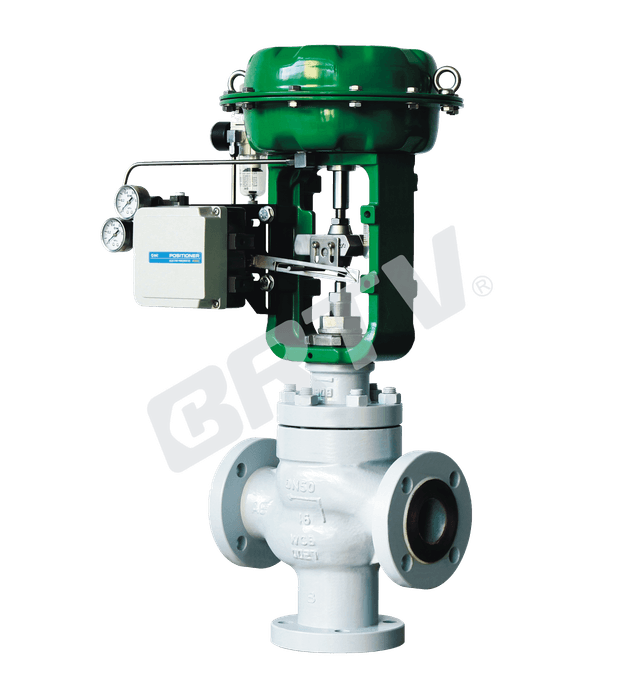
Control Valve

Explore our comprehensive range of high-performance industrial valves, engineered for reliability and precision in every application.

Showing 4 of 4 results

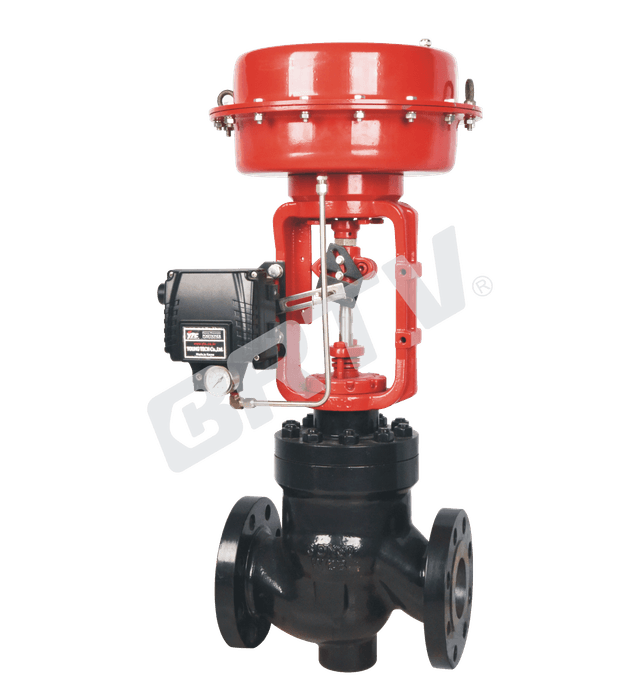
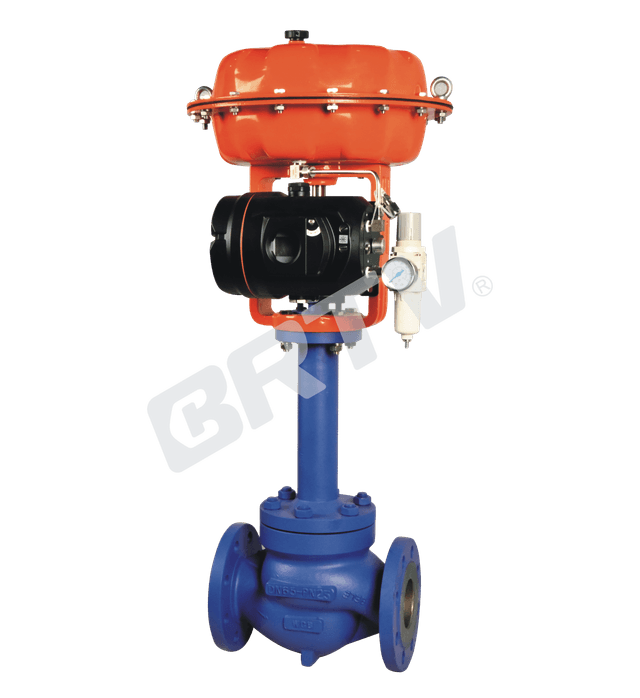
PTFE lined Ball Valve

Control Valve

PTFE lined Ball Valve

Read More
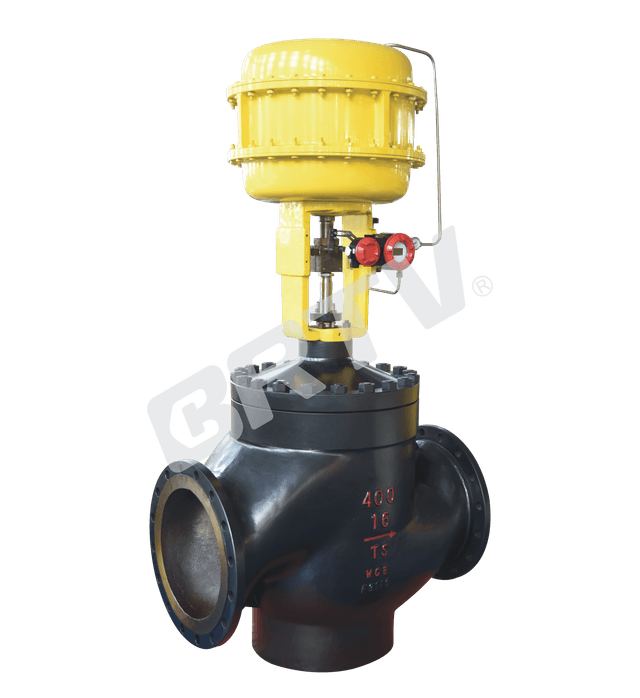
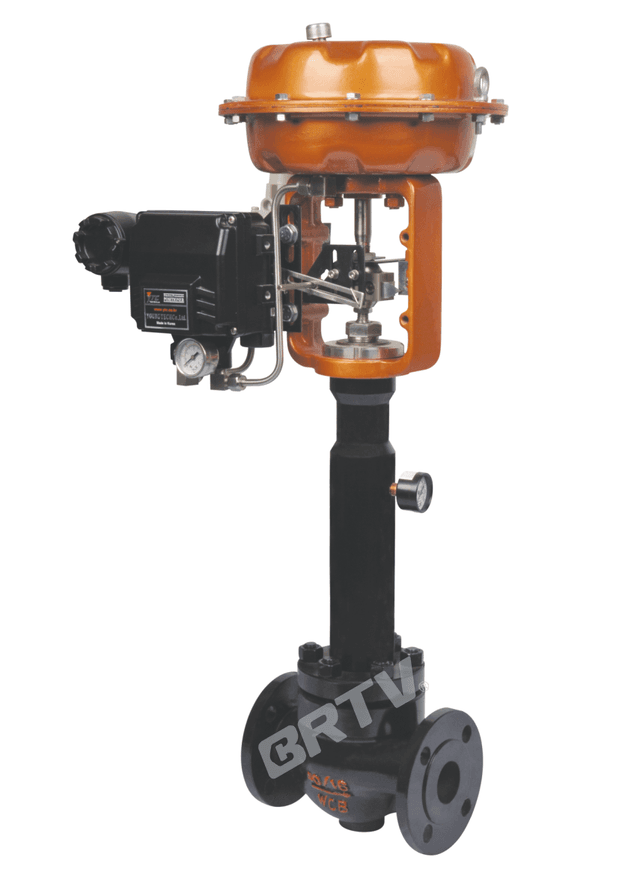
Trunnion mounted Ball Valve

Control Valve

Trunnion mounted Ball Valve

Read More
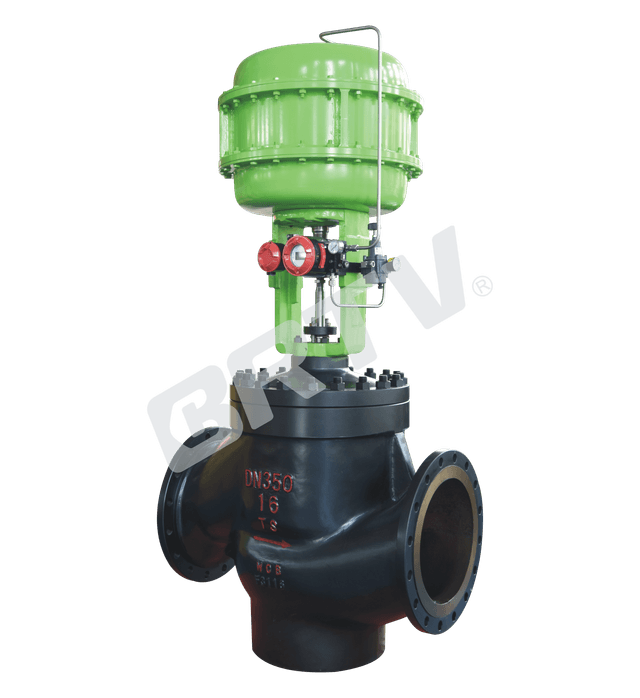
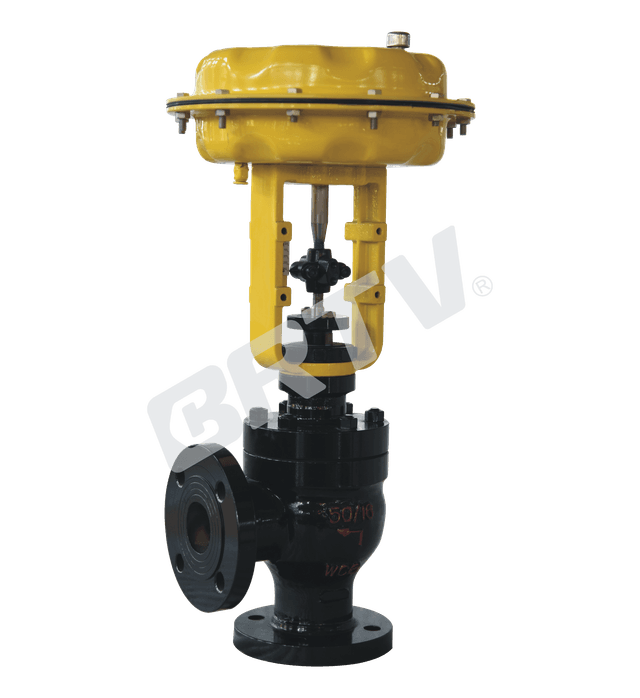
Forged Steel Ball Valve

Control Valve

Forged Steel Ball Valve

Read More
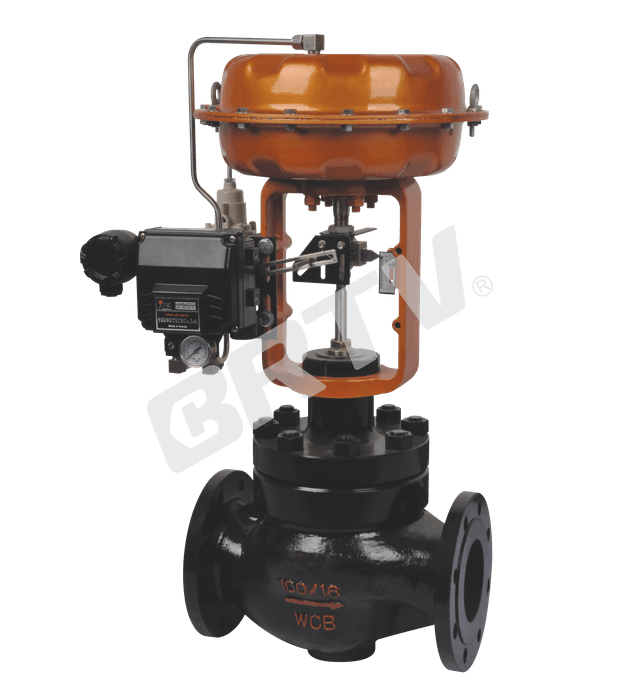
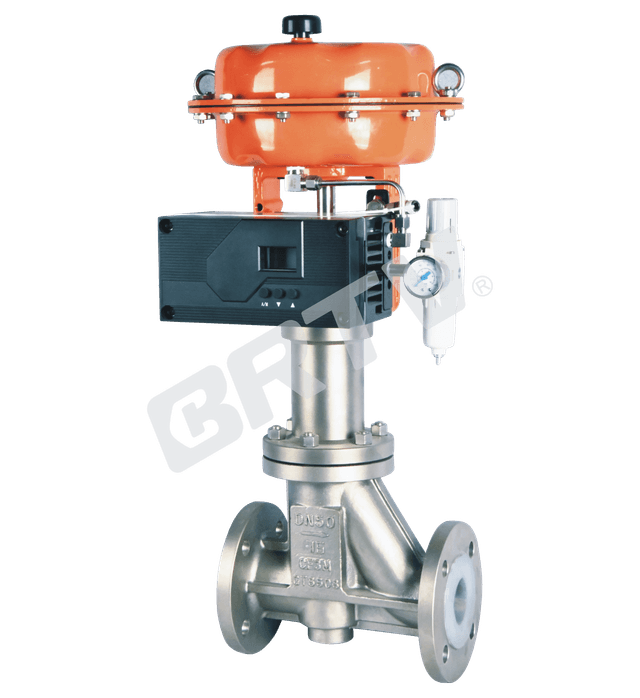
Temperature Control Valve

Control Valve

Temperature Control Valve

Read More

1. Control Valve working principle

1) Modulation and regulation mechanism

A high-performance Control Valve serves as the primary component in an automated fluid system, responsible for modulating flow, pressure, or temperature by varying the size of the flow passage. This regulation is driven by an actuator—either pneumatic or electric—which receives a control signal from a remote instrument or computer system. As the signal changes, the actuator moves the internal stem and closure element to a specific position, allowing for precise throttled flow. This dynamic response is crucial for maintaining stable process conditions and ensuring that industrial operations remain within their specified safety and performance parameters.

2) Main components and internal trim

The basic assembly of this regulating equipment consists of a pressure-retaining body, the internal trim, and the drive system. The trim includes the wetted parts such as the plug, ball, or disc, along with the seats that define the flow geometry. For harsh environments, these components are often crafted from reinforced alloys or protected by chemical-resistant linings. The body must be robust enough to withstand the maximum system pressure and temperature. Stem packing and specialized seals are utilized to prevent external leakage, while the precision of the seat-to-plug interface determines the shut-off class of the unit.

3) Flow control characteristics

Unlike standard shut-off devices, a Control Valve is engineered with specific flow profiles to meet different process requirements. These profiles, such as linear, equal-percentage, or quick-opening, are achieved through the unique shape of the internal trim. By optimizing the internal geometry, the device minimizes turbulence and cavitation, which protects the hardware from erosion. This level of design sophistication ensures that the system responds predictably to command signals, providing smooth and accurate regulation across a wide range of operating conditions.

2. Control Valve product type classification

2.1 Temperature Control Valve

The Temperature Control Valve is a specialized, self-operated solution designed to maintain thermal stability without the need for an external power source. It employs a temperature-sensing bulb containing a thermal medium that expands or contracts based on fluid temperature. This change in volume creates physical pressure that is transmitted via a capillary to the actuator, which then adjusts the flow of the heating or cooling medium. It is an ideal choice for heat exchangers and tank heating systems due to its autonomous operation and simplified installation.

2.2 PTFE lined Ball Valve

For handling the most aggressive chemical media, the PTFE lined Ball Valve provides an inert barrier against corrosion. Both the internal sphere and the body cavity are completely encased in high-density fluoroplastics. This construction prevents strong acids, alkalis, and ultra-pure fluids from coming into contact with the metal housing. It combines the excellent sealing properties of a spherical closure with total chemical resistance, making it an essential component for the pharmaceutical, semiconductor, and chlor-alkali industries.

2.3 Trunnion mounted Ball Valve

In a Trunnion mounted Ball Valve, the closure element is supported by a fixed shaft at both the top and bottom. This trunnion design ensures that the pressure from the pipeline is absorbed by the support bearings rather than being transmitted to the seats. As a result, the operating torque remains consistently low even under high differential pressures. These units are specifically designed for large-diameter pipelines and high-pressure service in the oil, gas, and petrochemical sectors where operational reliability is a primary safety requirement.

2.4 Forged Steel Ball Valve

The Forged Steel Ball Valve is manufactured through a high-pressure forging process that creates a superior, uniform grain structure in the metal. This makes the body much stronger and more resistant to thermal fatigue and high-pressure cycles compared to traditional cast versions. Available in various grades of carbon and stainless steel, these units are preferred for critical service in power plants and high-pressure processing facilities where structural integrity and longevity are paramount.

3. Advantages of advanced regulation units

1) High precision and repeatable performance

The primary benefit of these devices is their ability to provide fine-tuned, accurate regulation over long periods. Whether integrated with a pneumatic positioner or a digital electric actuator, the response remains consistent, allowing industrial plants to automate complex production cycles with high confidence.

2) Extreme environment durability

By utilizing specialized materials like forged steel or corrosion-resistant linings, this family of equipment can handle extreme pressures, high temperatures, and highly reactive chemicals. This durability significantly reduces the risk of unplanned downtime and extends the intervals between routine maintenance.

3) Intelligent integration and monitoring

Modern regulation hardware is designed for full integration into distributed control systems (DCS). When equipped with smart positioners and diagnostic sensors, the unit can provide real-time feedback on its performance and health, enabling predictive maintenance strategies and remote management of the entire facility.

4. Control Valve selection guide

1) Media analysis and material compatibility

Selection must begin with a thorough analysis of the fluid's chemical and physical properties. For highly corrosive liquids, a PTFE lined Ball Valve is often the safest choice. For high-pressure gases or steam, forged steel bodies are required to provide the necessary mechanical strength. Understanding the concentration of particles in the medium is also vital to avoid premature wear on the internal seats.

2) Temperature and pressure ratings

The chosen hardware must be verified against the maximum and minimum design temperatures and pressures of the system. Trunnion-mounted designs should be prioritized for high-pressure loops to manage torque, while forged steel models are better suited for thermal cycling. Always check the manufacturer's pressure-temperature charts to ensure the materials remain within their elastic limits.

3) Actuation type and fail-safe logic

Determine whether a self-operated unit like a Temperature Control Valve is sufficient or if a fully automated pneumatic or electric solution is needed. Pneumatic actuators are often preferred for their high speed and ease of implementing fail-safe logic (fail-open or fail-closed), while electric actuators offer higher positioning precision and easier wiring in remote locations.

5. Industry standards and compliance

Ensuring the safety of industrial operations requires adherence to global standards for design, testing, and materials. Manufacturing processes typically follow ASME B16.34 for pressure-temperature ratings and API 6D for pipeline integrity. Facilities should maintain ISO 9001 quality management systems and hold relevant safety licenses such as the TS (Special Equipment Manufacturing License) and CE certifications. These standards verify that every unit meets the required wall thickness, material purity, and performance criteria for hazardous and high-pressure service.

6. Typical application scenarios

This category of equipment is fundamental to a wide range of modern industries. In lithium battery and copper foil production, lined and forged units are used to manage the flow of corrosive electrolytes. The petrochemical and oil industries rely on trunnion-mounted designs for the safe transport of high-pressure hydrocarbons. Power generation facilities utilize forged steel models for high-temperature steam and water management. Additionally, the pharmaceutical and food sectors use specialized regulating units to maintain precise thermal and pressure environments for sensitive production processes.

7. Frequently asked questions (FAQ)

1) What is the main advantage of a Trunnion mounted Ball Valve in large systems?

The trunnion support handles the pipeline pressure, keeping the operating torque low and preventing seat deformation, which is essential for large-scale, high-pressure operations.

2) When is a Temperature Control Valve preferred over an electric one?

A self-operated thermal unit is preferred when simplicity and reliability are key, particularly in remote areas or systems where an external power source or complex control wiring is not practical.

3) Why are forged bodies superior for high-pressure service?

Forging eliminates internal porosity and defects common in casting, resulting in a denser material that can better withstand thermal stress and extreme mechanical loads.

4) Can a PTFE lined Ball Valve handle high-temperature chemicals?

While highly resistant to chemicals, the operating temperature is limited by the properties of the PTFE lining; it is vital to verify that the process temperature does not exceed the lining's rated limit.

5) How does a Control Valve contribute to energy efficiency?

By accurately regulating the flow of heating or cooling media, the device prevents energy waste and ensures that processes run at their optimal thermal and mechanical efficiency.

WhatsApp