1. What is Forged Steel Ball Valve?
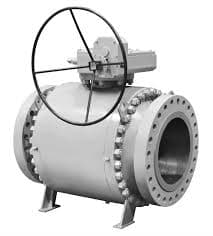
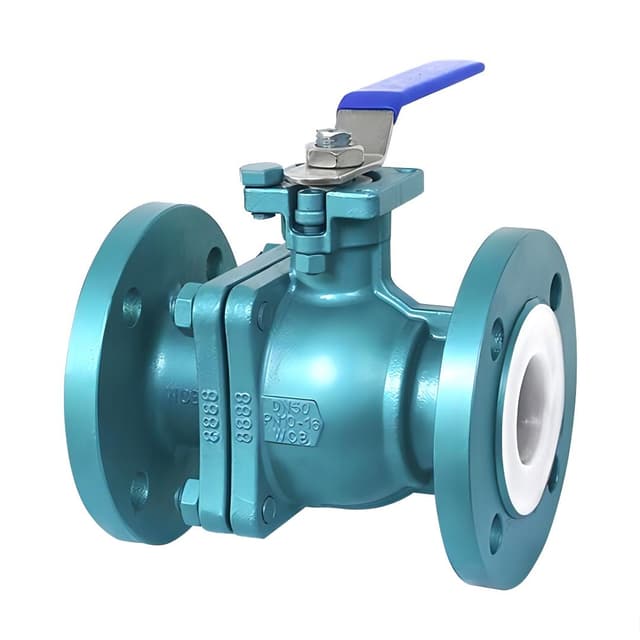
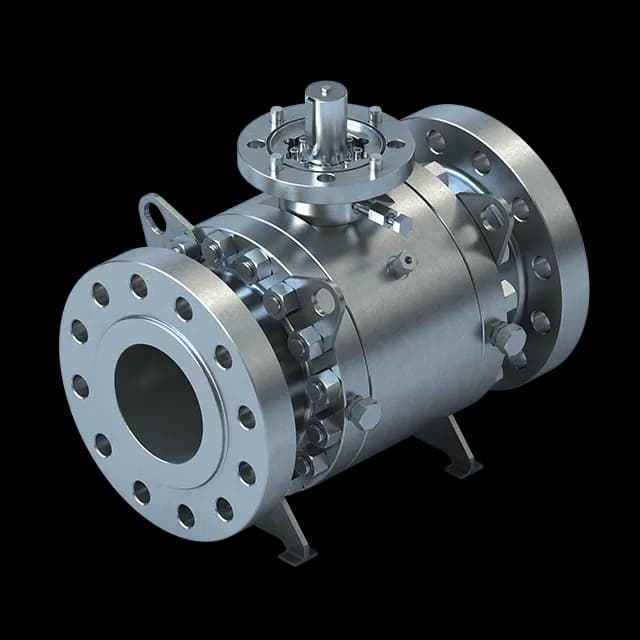
A Forged Steel Ball Valve is a double-block and bleed high-integrity isolation unit with the unique structure for harsh industrial piping services down to -50 degree C up to 5000 psi API pressure classes. This body is forged rather than cast as are all of the competition's versions, and forging eliminates internal porosity that can weaken a part and also aligns the grain structure within the metal to further enhance its strength. It possesses better mechanical strength and impact resistanceFilters Generally, the equipment is made from either forged A105 carbon steel or F304 &F316 stainless steels to ensure that it can provide maximum reliability when exposed to extreme stress.
At the heart of high performance fluid automation, this patented rotary unit is engineered to global specifications that are some of the most stringent in industry – API 6D and ANSI B16. 34, and GB/T 12237. It's available as a two-piece or three-piece split body architecture for easy service and inspection. This includes being integrated into high-pressure stem lines or a part of hazardous chemical transport systems, the true forged steel construction is robust when it comes to the safety barrier. Fully compatible with high-torque automation systems such as the AT series of pneumatic actuators, and intelligent electric drivesReady for integration into complex remote-control infrastructures
2. How this Forged Rotary Device Works?
The operational principle of this equipment centers on a precision-engineered internal sphere that controls the flow of media through a quarter-turn rotation. Because the body is forged, the internal cavities are precisely machined to maintain perfect alignment of the sphere and seat components even under fluctuating pressure conditions.
The core operational stages include:
- Opening Phase: When the drive system—such as an AT series pneumatic actuator featuring a rack and pinion design—applies torque to the stem, the internal sphere rotates ninety degrees. The stem, typically made of high-strength 2Cr13 or 17-4PH alloy, ensures smooth transmission of force. As the bore of the sphere aligns with the pipeline, the medium flows with a high flow coefficient (Cv).
- Closing and Sealing Phase: Upon rotation back to the closed position, the sphere meets the sealing seats. In soft-seated models, materials like RPTFE or PPL provide a tight shut-off. For higher temperatures, metal-to-metal sealing with hardened surfaces is employed. The force of the line pressure often assists in pressing the ball or the seat together to ensure a zero-leakage seal.
- Fire-Safe and Anti-Static Functionality: A unique feature of the forged design is the integration of fire-safe sealing. In the event of a fire that destroys the soft seals, a secondary metal-to-metal contact prevents major leakage. Furthermore, internal spring devices ensure electrical continuity between the ball, stem, and body to prevent static build-up.
3. Types of Forged Steel Control Units
3.1 Material Classification and Properties
To meet diverse industrial requirements, these devices are categorized based on their forged metallurgical composition:
- Series: Carbon Steel (A105)Application: Designed for hot water, steam or oil services at high pressure and temperature. The high-strength A105 forging is applied to Class 2500.
- F304, F316 Stainless Steel Series: Resists the effects of oxidation and failure due to chemical corrosion. These are suitable for offshore as well as chemical processing, environments that needs to handle aggressive or potent media.
- Low Carbon/F316L Series – used in applications where either welding is specified with a minimum possible carbon percent or to prevent intergranular-corrosion and post-welding cannot be performedirrespective of how much the effort assures long term piping-integrity.
3.2 Sealing and Actuation Variants
- Floating Design: Used for smaller diameters and lower pressure ranges where the sphere is supported by the seats, allowing the pressure to push the ball against the downstream seat for sealing.
- Trunnion Mounted Design: Used for large diameters or ultra-high pressure. The ball is fixed by top and bottom bearings, which reduces operating torque and extends seal life.
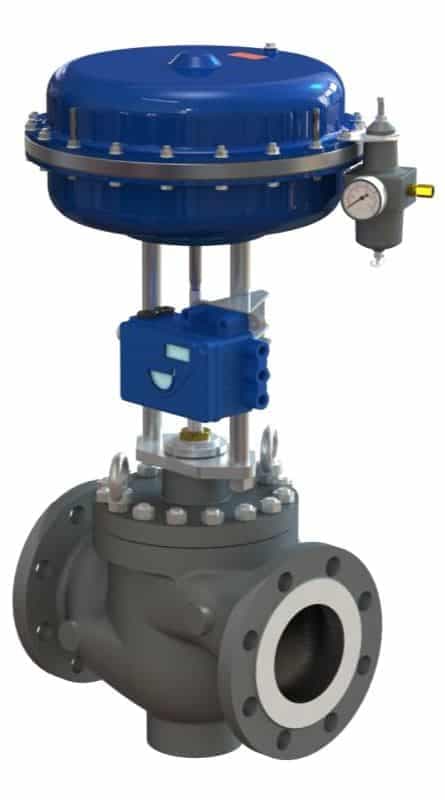
- Automated Assemblies: These units are frequently equipped with BW or AT series pneumatic actuators or motorized electric units, allowing for integration into PLC-managed automation loops.
4. Core Advantages of the Forged System
The forged construction provides several technical benefits that enhance the safety and longevity of industrial facilities.
- High Pressure Resilience: The dense grain structure of forged steel allows the valve to handle pressures up to PN42.0 MPa without the risk of shell leakage common in cast components.
- Operational Safety: Features like blow-out proof stems and fire-safe designs make these units essential for hazardous fluid management.
- High Temperature Stability: Forged materials maintain their mechanical properties at much higher temperatures than standard plastic or lower-grade metal valves.
| Component | Example Materials | Performance Advantage |
|---|
| Valve Body | A105, F316, F304 | Maximum density and pressure resistance |
| Internal Sphere | SS316, SS304 | Precision ground for low torque and tight seal |
| Sealing Seat | RPTFE, PPL, Metal | Reliable shut-off across high temperature ranges |
| Valve Stem | 2Cr13, 17-4PH | High torsional strength and corrosion resistance |
| Actuator | Aluminum Alloy / Ductile Iron | High-torque automation for remote plant control |
5. Industrial Applications
Because of the Forged Steel Ball Valve china stability and high-strength characteristics, it is essential in various critical sectors.:
- Oil and Gas Production: The high pressure equipment used in extraction processes to transmission pipelines require materials that may be subjected to mechanical shock, abrasion or environmental stress.
- Petrochemical and Refining: Cracking units, high pressure reactor loops with large tensile stresses, severe thermal cycling for the reason of good forgeability.
- For Power Generation: This valve is used in a high-pressure steam line and boiler feed water systems where metal-seated forged units have to work for reliable isolation, required by plant safety.
- Chemical Distribution: If bulk transportation of pressurized chemical reagents is the issue, our zero leakage forged stainless steel models offer a solution that benefits both your plant and environment.