1. What is PTFE Lined Ball Valve?
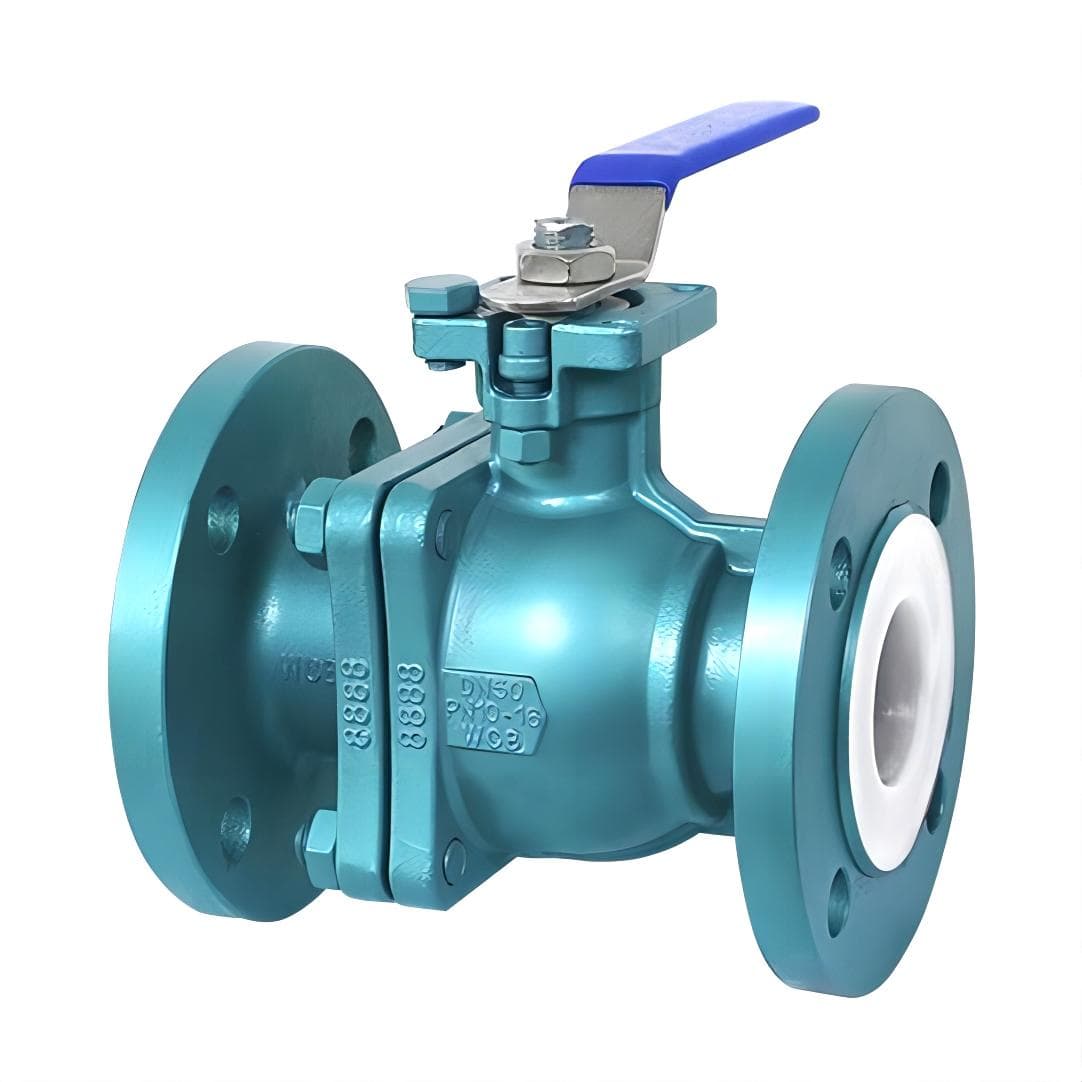
A PTFE lined Ball Valve is an effective control solution suitable for high-pressure, temperature and the conveyance with highly corrosive or aggressive media. This is constructed with carbon steel or stainless inner and outer casings for support, and then a thick PTFE lining totally encapsulates the body of this equipment. High-strength materials WCB carbon steel or CF8M stainless steel are used for the outer body to bear pipeline pressure and mechanical stresses typically. The entire surface of the unit is lined and, as such, prevents corrosion from occurring because there is no process fluid in contact with a metal housing.
This rotary unit is part of advanced fluid automation systems, that can be manufactured completely to ANSI, DIN and JIS standards as well as GB standard. The design usually includes an ISO 5211 mounting pad making it very easy to install pneumatic or electric actuators. From chemical processing to pharmaceutical manufacturing and high-purity water systems, the fluorine-lined design provides unparalleled safety. It also carry international piping classes such as PN10, PN16 and Class 150 well adapted to the worldwide industrial environments where safety or chemical inertia are significantly demanded.
2. How this Lined Rotary Device Works?
The operational principle of this equipment centers on a precision-ground rotary sphere that manages fluid flow through a ninety-degree rotation within a fully lined cavity. Because the entire internal flow path and the sphere itself are encapsulated in PTFE or PFA, the alignment remains stable even under the influence of harsh chemical environments.
The core operational stages include:
- Opening Phase: When the actuator—such as an AT series pneumatic unit—transmits torque through the stem, the internal lined sphere pivots from a position perpendicular to the flow to one parallel to it. This transition allows the media to pass through the body with a high flow coefficient (Cv) and minimal pressure drop, thanks to the smooth, non-stick surface of the lining.
- Closing and Sealing Phase: Upon receiving a signal to close, the sphere rotates ninety degrees back to meet the integrated seat. In these lined models, the interference between the lined sphere and the elastic PTFE seat ensures a bubble-tight, zero-leakage seal. The unique properties of fluorine plastics provide excellent sealing performance even at low operating torques.
- Stem Sealing Integrity: To prevent external leakage through the stem, the unit utilizes a multi-layered packing system, often incorporating V-type PTFE packing. This design ensures that the stem area remains pressurized and leak-free throughout thousands of operational cycles.
3. Types of Fluorine-lined Control Units
3.1 Material Classification and Properties
To handle a diverse range of industrial media and temperature requirements, these devices are manufactured using various high-performance linings:
- PTFE (Polytetrafluoroethylene) Series: The most common lining material which offer excellent abrasion resis Secondly,tance of almost all kinds acids, alkalis and organic solvents. Suitable for general corrosive services and the temperature is generally from -20 to 180 degrees.
- PFA (Perfluoroalkoxy) Series: PFA linings are designed for use in more rigorous applications with improved melt-processing characteristics and lower permeation resistance. PFA models are also utilized in high-purity semiconductor and pharmaceutical processes where cleanliness is important.
- FEP (Fluorinated Ethylene Propylene) Series(Q4700, Q4800, Q4901): Similar chemical resistance as PTFE with unique mechanical properties FEP is often chosen for specific industrial duties where a combination of cost-effectiveness and high-purity are required.
3.2 Sealing and Actuation Variants
- Resilient Lined Seating: Features an elastic seat that provides excellent sealing for general chemical services, ensuring that the valve maintains its tight shut-off capabilities over a long service life.
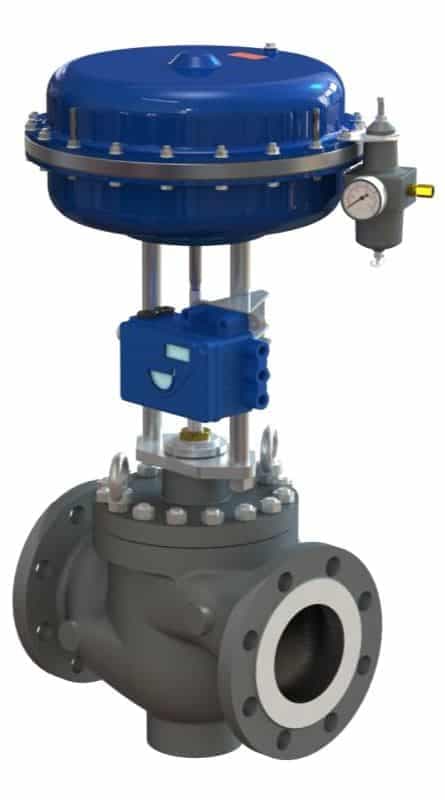
- Automated Assemblies: These units are frequently equipped with AT or BW series pneumatic actuators or motorized electric actuators. This allows for precise on-off or proportional control through 4-20mA signals, managed by high-precision positioners or solenoid valves.
4. Core Advantages of the Lined System
The lined design provides several technical benefits that enhance the safety and efficiency of industrial operations handling hazardous fluids.
- Ultimate Corrosion Resistance: The thick fluorine lining provides an impenetrable barrier against aggressive chemicals, significantly extending the service life of the equipment compared to expensive alloy alternatives.
- Zero Contamination: The non-reactive nature of PTFE and PFA ensures that the process media remains pure, which is a mandatory requirement in the lithium battery and pharmaceutical sectors.
- High Sealing Reliability: The precision-molded lining and sphere create a perfect interface, achieving Class VI leakage standards and ensuring plant safety during the transport of toxic fluids.
| Component | Example Materials | Performance Advantage |
|---|
| Body Shell | WCB, CF8, CF8M | High structural integrity and pressure resistance |
| Internal Lining | PTFE, PFA, FEP | Total chemical inertness and non-stick properties |
| Rotary Sphere | Lined Stainless Steel | Optimized for high flow and corrosion protection |
| Actuator | Anodized Aluminum Alloy | Lightweight and reliable remote automation |
5. Industrial Applications
The stability and chemical resistance of the PTFE lined Ball Valve make it indispensable across multiple critical sectors:
- Chemical and Petrochemical : These plants have a requirement of transporting high concentrated Sulfuric Acid, Hydrochloric acid or other aggressive solvent in nature. Guaranteeing no media is contaminated, the valve body or degraded fluorine lining
- Commercially Available Applications Pharmaceutical and Biotech Production of APIs requires PFA-lined equipment to introduce pure reagents without the presence of metallic ions, that can degrade product purity.
- For Semiconductor, Lithium Battery: Lined units designed to handle ultrapure water and electrolytes in high-purity environments. Smooth inner walls impede particle retention, and ensure the highest hygiene levels.
- Environmental compliance – These valves which can be used in recovering waste acid and desulfurizing flue gas etc, provide an economical solution for the management of corrosive wastewater and slurry.