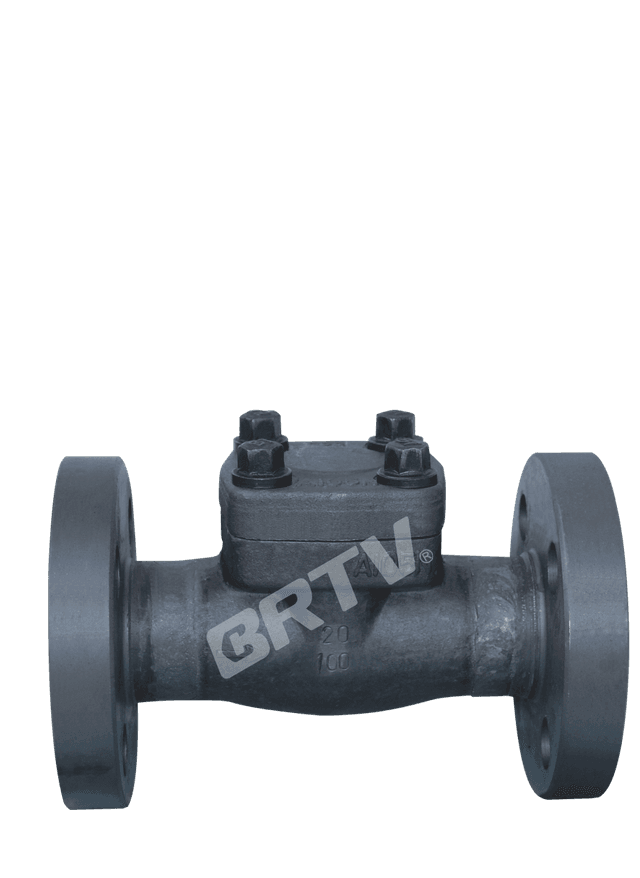
Gate Valve
Explore our comprehensive range of high-performance industrial valves, engineered for reliability and precision in every application.
1. Gate Valve working principle
1) Linear motion obstruction mechanism
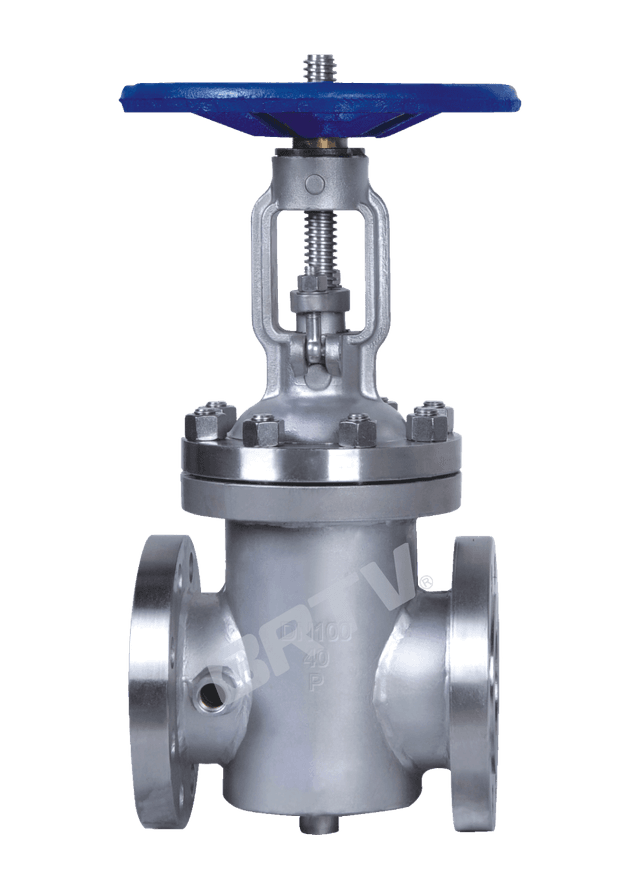
This equipment operates through a linear motion mechanism where a flat or wedge-shaped closure element moves vertically to the direction of the fluid. When the stem is actuated, the internal gate travels downward to obstruct the flow path entirely or upward to clear the passage. Unlike rotary units, this design is intended for fully open or fully closed service. The perpendicular movement ensures that the sealing surfaces undergo minimal friction during the final stages of closure, preserving the integrity of the seating material over extended operational cycles.
2) Internal assembly and sealing interface
The core assembly includes a robust body, a movable gate, a stem, and precisely machined seats. In non-metallic versions, specialized polymers such as CPVC, PPH, or PVDF are utilized to ensure chemical compatibility with aggressive media. The interface between the gate and the seat is designed to achieve a tight seal through mechanical force. In wedge configurations, the geometry of the gate provides an additional tightening effect as it is pressed into the seat, whereas parallel designs rely on upstream pressure to assist in sealing.
3) Pressure drop and flow efficiency
One of the primary characteristics of this family is the full-bore flow path when in the fully open position. The internal diameter of the unit matches the pipeline diameter, resulting in negligible resistance to flow. This minimizes pressure drop across the system, making it highly energy-efficient for long-distance transport of liquids. Because the obstruction is completely removed from the stream, it is less susceptible to erosion compared to designs where the disc remains in the flow path.
2. Gate Valve product type classification
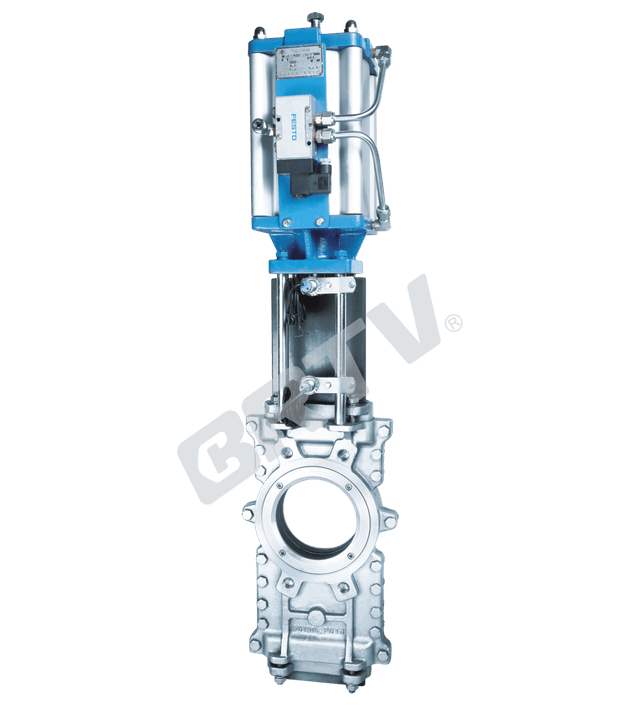
2.1 Knife Gate Valve configuration
The Knife Gate Valve is specifically engineered for handling slurries, viscous fluids, and media containing suspended solids. It features a thin, sharp-edged gate that can cut through thick liquids or fibrous materials to ensure a complete shut-off. This design is prevalent in the pulp and paper, mining, and wastewater treatment industries. The compact face-to-face dimension allows for installation in tight spaces while providing reliable performance in environments where standard valves might become clogged.
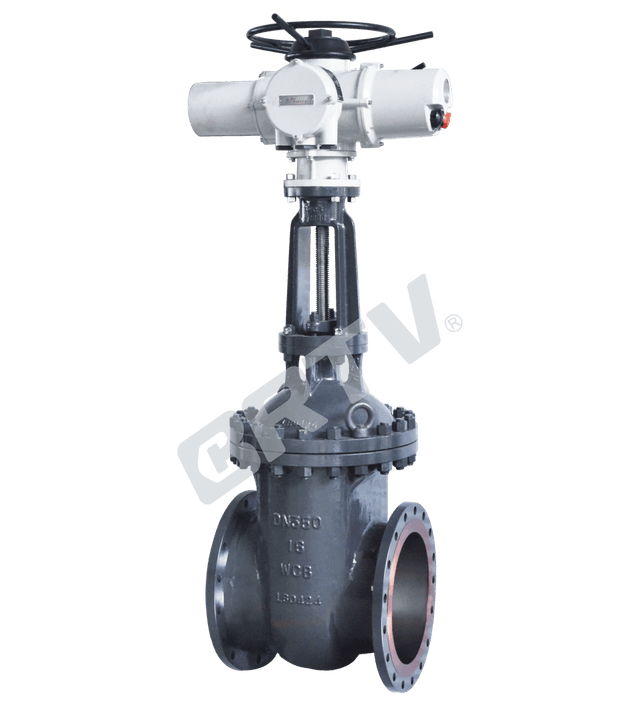
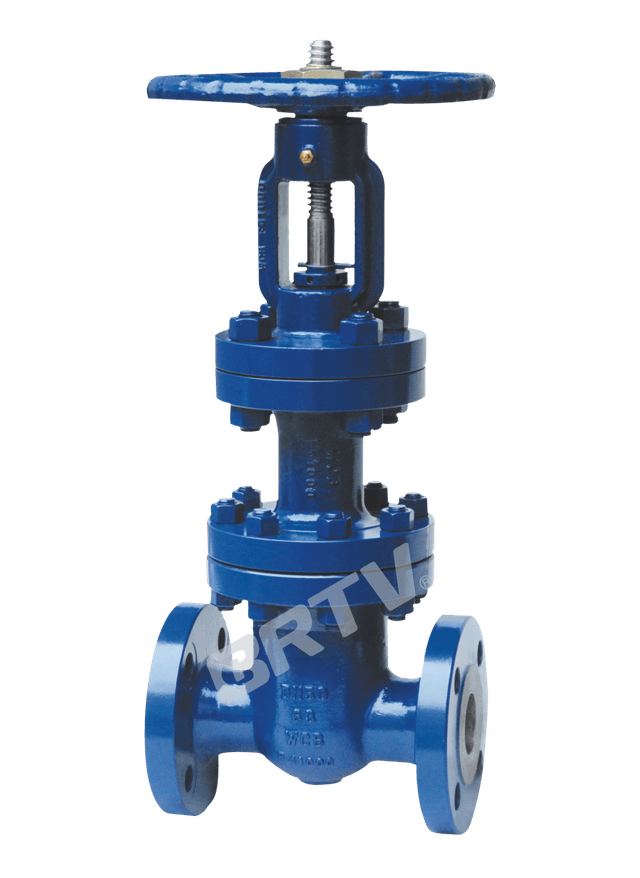
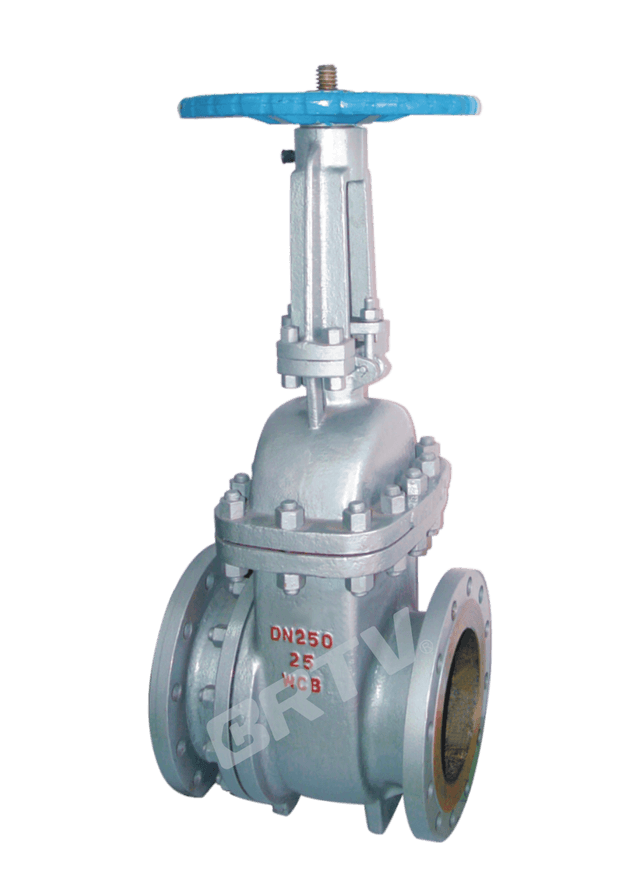
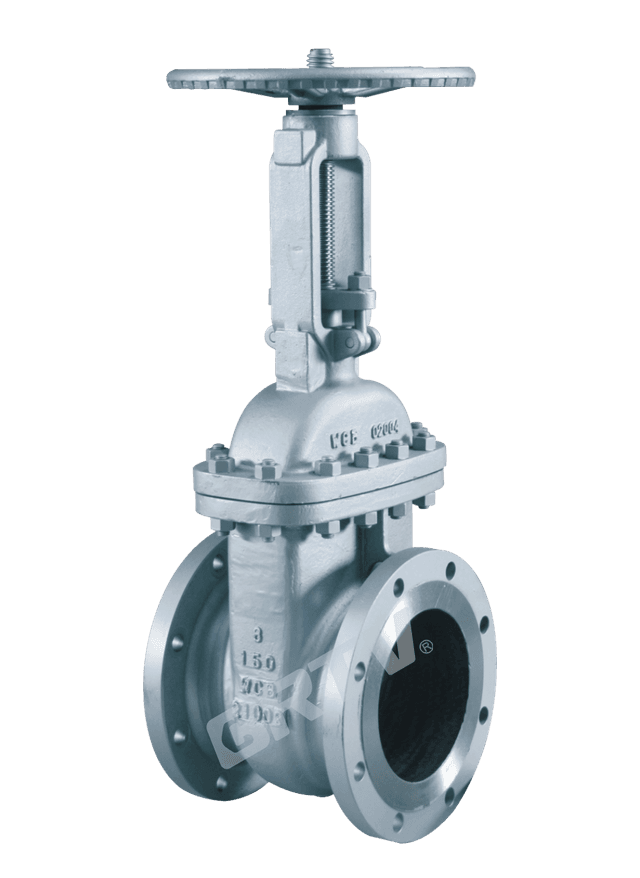
2.2 Flanged Gate Valve design
The Flanged Gate Valve utilizes integrated end flanges for secure attachment to the piping system. This configuration is widely recognized for its structural stability and ease of alignment during installation. It is suitable for a broad range of industrial applications, including water distribution and chemical processing. The flanged connection provides a robust seal and allows for high mechanical loads, ensuring the assembly remains leak-proof under various thermal and vibrational stresses.
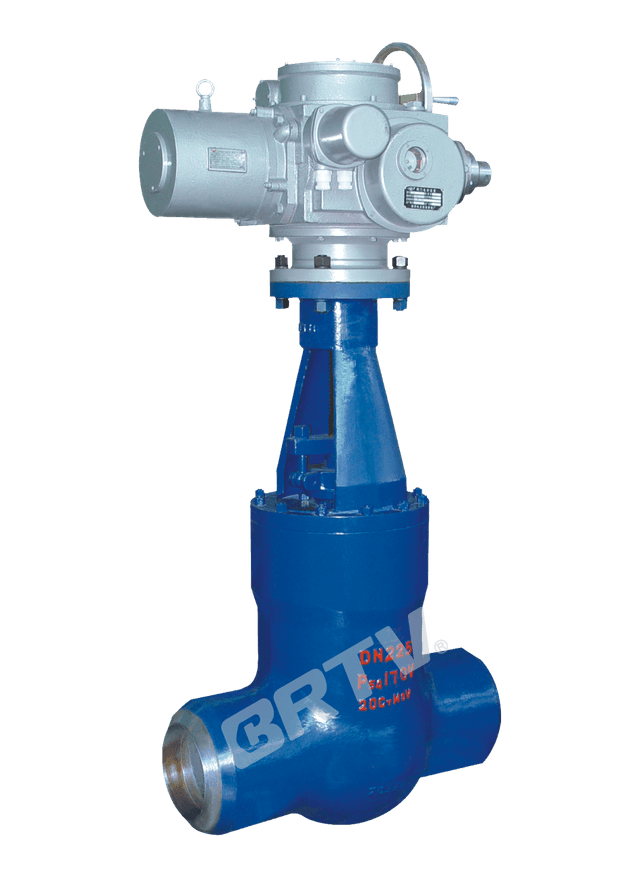
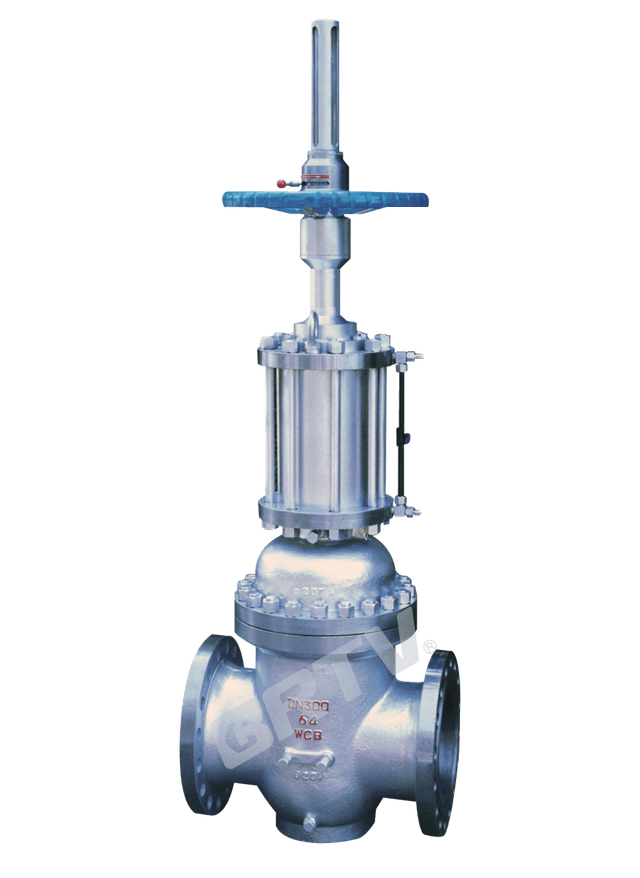
2.3 High Pressure Gate Valve variant
For systems operating under extreme mechanical stress, the High Pressure Gate Valve is the designated choice. These units are constructed with thickened wall sections and high-strength materials such as forged steel or reinforced polymers to withstand significant internal forces. They often incorporate specialized bonnet designs, such as pressure-sealed covers, which utilize the internal system pressure to enhance the seal between the body and the bonnet, preventing leaks in critical energy and petrochemical sectors.
2.4 Wafer Gate Valve style
The Wafer Gate Valve is designed to be clamped between two pipe flanges using long studs. This style is characterized by its lightweight and narrow profile, making it an excellent space-saving solution for modern industrial skids. Despite its slim design, it maintains high sealing performance. It is frequently used in chemical lines and water treatment facilities where reducing the overall weight of the piping system is a priority.
2.5 Automated pneumatic assemblies
Automated versions can be equipped with pneumatic actuators to allow for remote operation. These systems utilize compressed air to drive the stem, enabling rapid response in emergency situations or integrated process control. By adding limit switches and solenoid valves, the units can be synchronized with a centralized control room, providing real-time feedback on the status of the flow path in large-scale manufacturing plants.
2.6 Motorized electric units
Electric actuators provide a motorized solution for precise control in locations where compressed air is unavailable. These units support various voltage requirements and can be integrated into digital monitoring networks. The slow, steady movement of the electric drive helps prevent hydraulic shock within the pipeline, ensuring a smooth transition between the open and closed states while allowing for remote management of the fluid infrastructure.
3. Advantages of the linear motion design
1) Superior sealing and bidirectional flow
The design provides an excellent seal in both directions, allowing for flexibility in system layout. The mechanical force applied through the stem ensures that the closure element is firmly seated, preventing any bypass of the medium. This makes it ideal for isolation tasks where a bubble-tight shut-off is required to protect downstream equipment.
2) Minimal turbulence and erosion
Because the gate moves completely out of the flow stream, there is no obstruction to cause turbulence or cavitation. This reduces the wear and tear on the internal components and the pipeline itself. The unobstructed path ensures that the velocity of the medium remains constant, preserving the service life of the equipment even when handling abrasive or high-velocity fluids.
3) Material versatility for corrosive media
The availability of diverse materials such as UPVC, CPVC, and high-performance plastics allows these units to handle highly corrosive acids and alkalis. Non-metallic options provide a cost-effective alternative to expensive alloys, offering exceptional resistance to chemical degradation and ensuring purity in pharmaceutical or semiconductor manufacturing processes.
4. Selection guide for industrial service
1) Evaluating media and solid content
The first step in selection is identifying the nature of the fluid. For clean liquids, a standard wedge design is sufficient. However, if the medium contains fibers or solids, a Knife Gate Valve must be used to prevent buildup in the seat area. Matching the body material to the chemical properties of the fluid is essential to prevent premature failure due to corrosion.
2) Pressure ratings and temperature limits
It is critical to ensure that the chosen unit meets the pressure and temperature requirements of the application. For low-pressure water service, plastic variants are often preferred for their lightweight properties. In contrast, steam or high-pressure chemical lines require metallic or reinforced high-pressure models that comply with specific industrial safety ratings to prevent catastrophic leaks.
3) Space constraints and installation method
Consider the physical dimensions available for the installation. Wafer designs are best for compact areas, while flanged connections offer better support for heavy-duty or high-vibration environments. Additionally, the orientation of the stem—whether rising or non-rising—should be chosen based on the overhead clearance available at the site.
5. Industry standards and compliance
Quality assurance is maintained through strict adherence to international manufacturing protocols such as GB, ANSI, DIN, and JIS. These standards dictate the wall thickness, flange dimensions, and pressure testing procedures required for industrial equipment. Manufacturing facilities certified to ISO 9001 and holding specialized licenses like the TS (Special Equipment Manufacturing License) ensure that every unit undergoes rigorous inspections, including material analysis and pressure testing, to guarantee safety and reliability in hazardous environments.
6. Typical application scenarios
This equipment is essential across a wide spectrum of industries. In the mining and pulp sectors, specialized versions manage the flow of thick slurries and recycled paper stock. The chemical industry utilizes plastic models for the safe transport of aggressive acids and caustic solutions. Water treatment plants and desalination facilities rely on large-diameter units for distribution and filtration management. Furthermore, the lithium battery and copper foil industries employ these devices for precise fluid isolation in automated production lines, where reliability and chemical purity are paramount.
7. Frequently asked questions (FAQ)
1) Why is a Knife Gate Valve used for slurries?
The sharp blade-like gate is designed to cut through thick fluids and solids, ensuring the valve can close completely even when the medium contains heavy particles that would obstruct a standard wedge.
2) Can these units be used for throttling flow?
Generally, they are not recommended for throttling because the gate can vibrate and suffer from erosion when partially open. They are best suited for on-off isolation service.
3) What is the advantage of a rising stem?
A rising stem provides a clear visual indication of whether the valve is open or closed, which is an important safety feature for manual operation in industrial plants.
4) When is PVDF material required for the body?
PVDF is selected for its superior thermal stability and resistance to highly concentrated acids, making it ideal for high-temperature chemical processing where other plastics might lose their mechanical strength.
5) How does a flanged connection improve stability?
The bolted flange interface provides a rigid connection that can withstand pipeline stress and thermal expansion more effectively than wafer designs, making it suitable for larger and more critical piping systems.