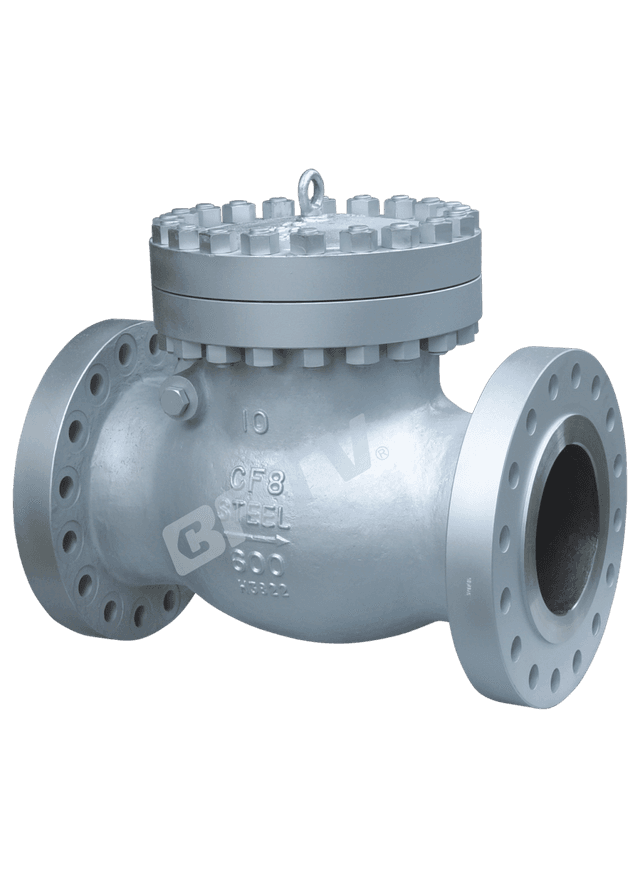
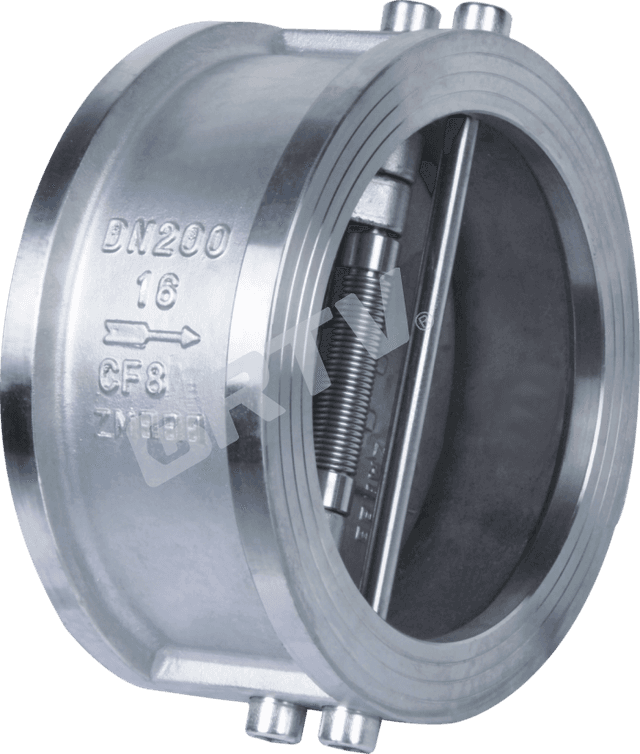
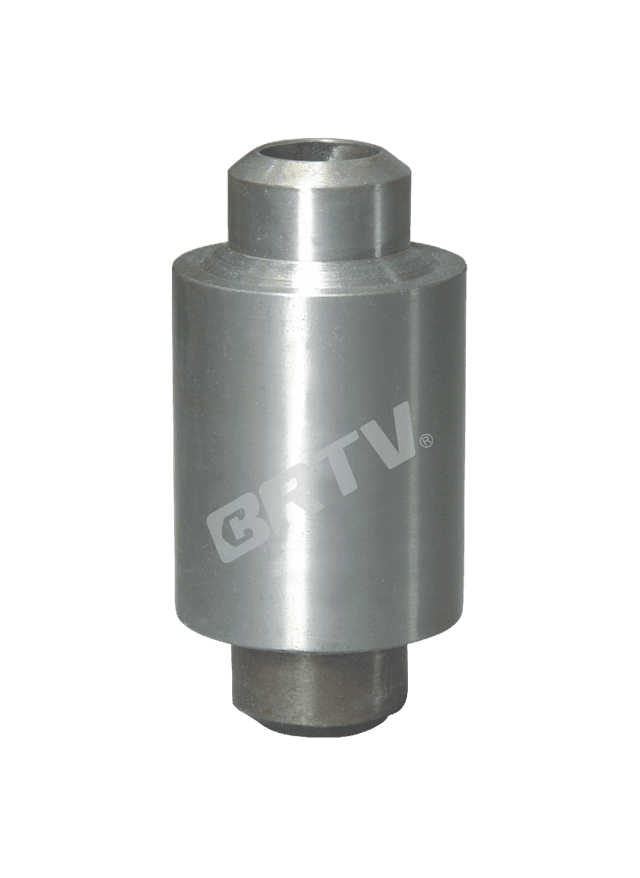
Structure Features
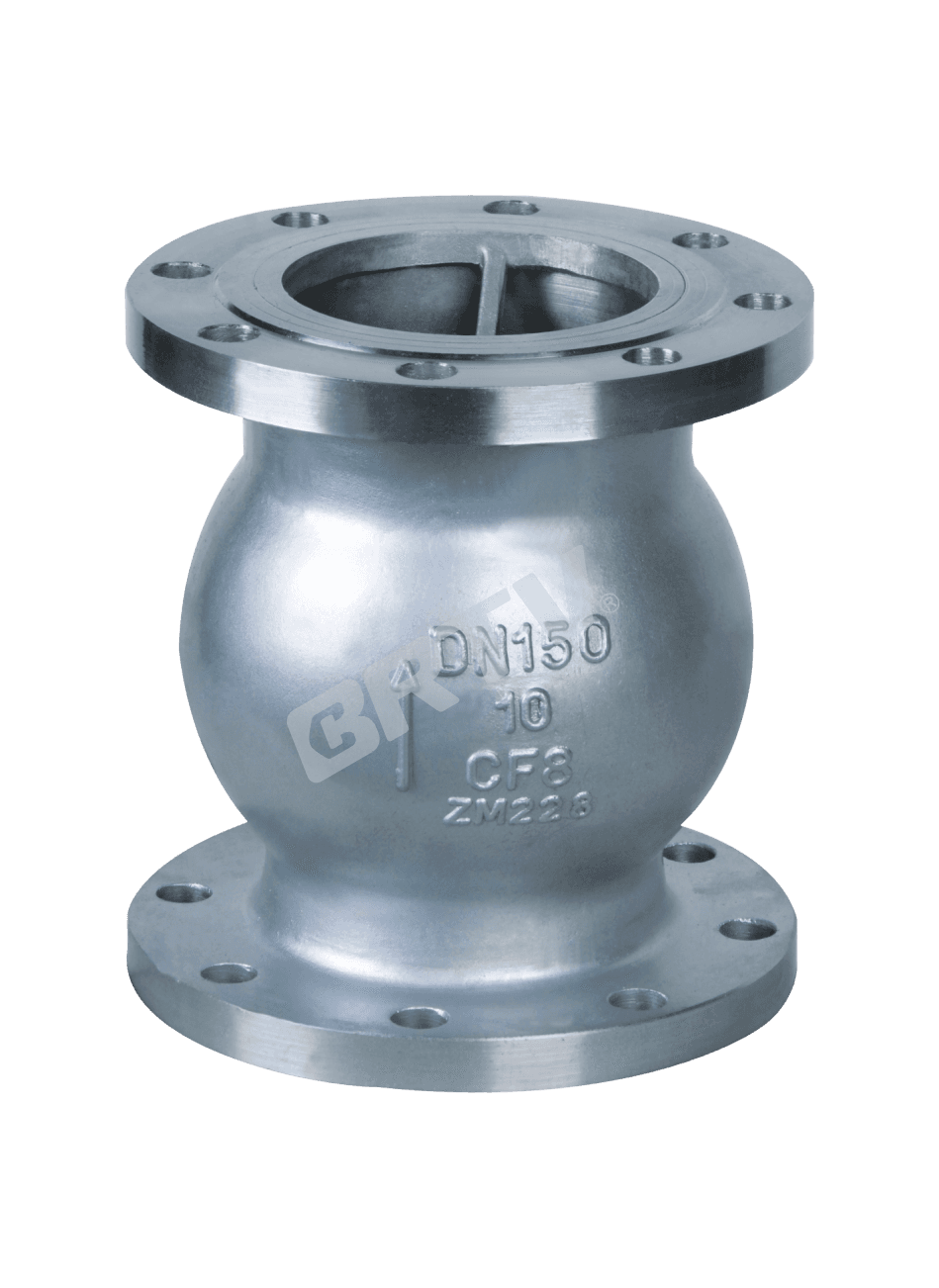
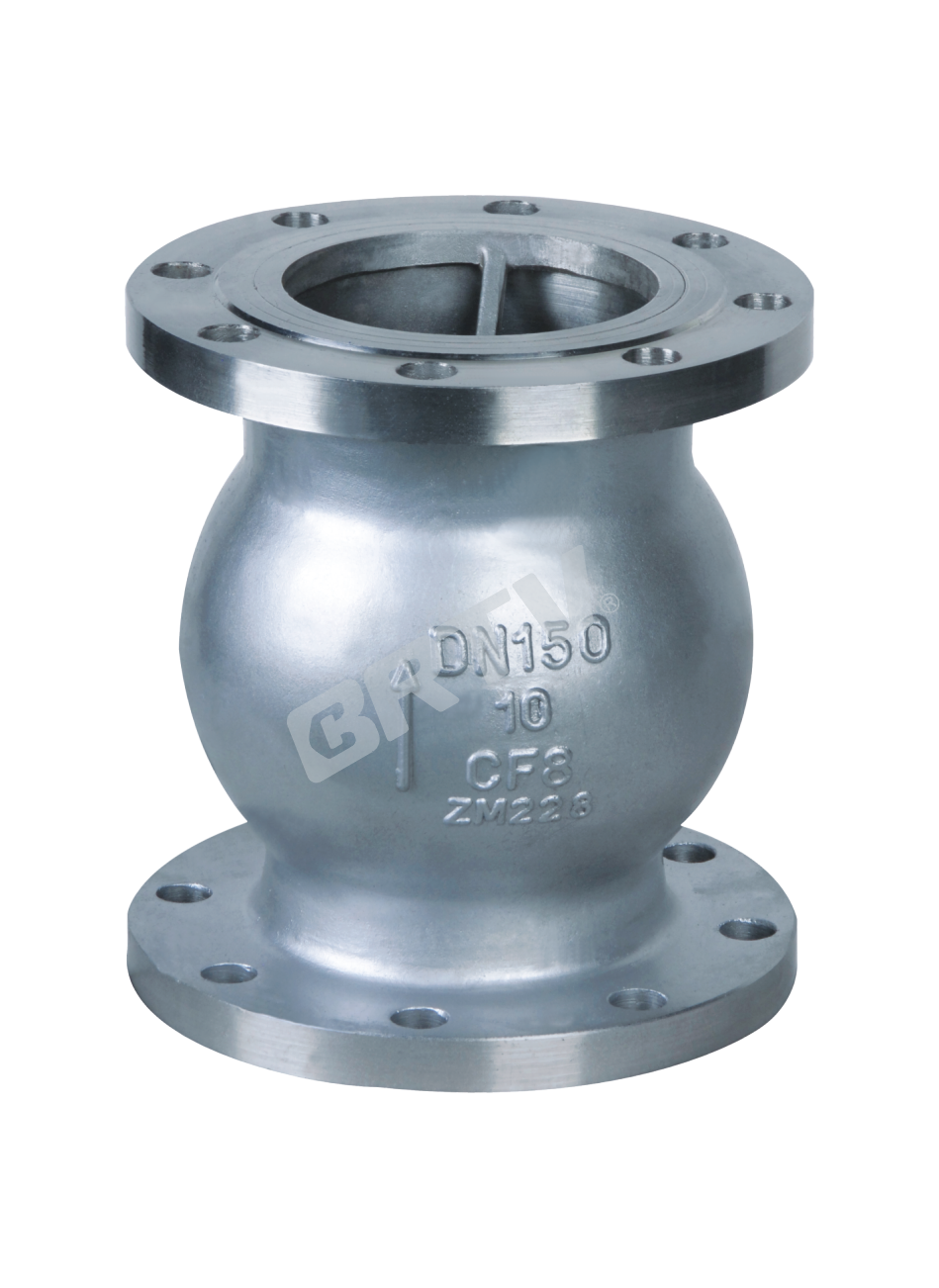
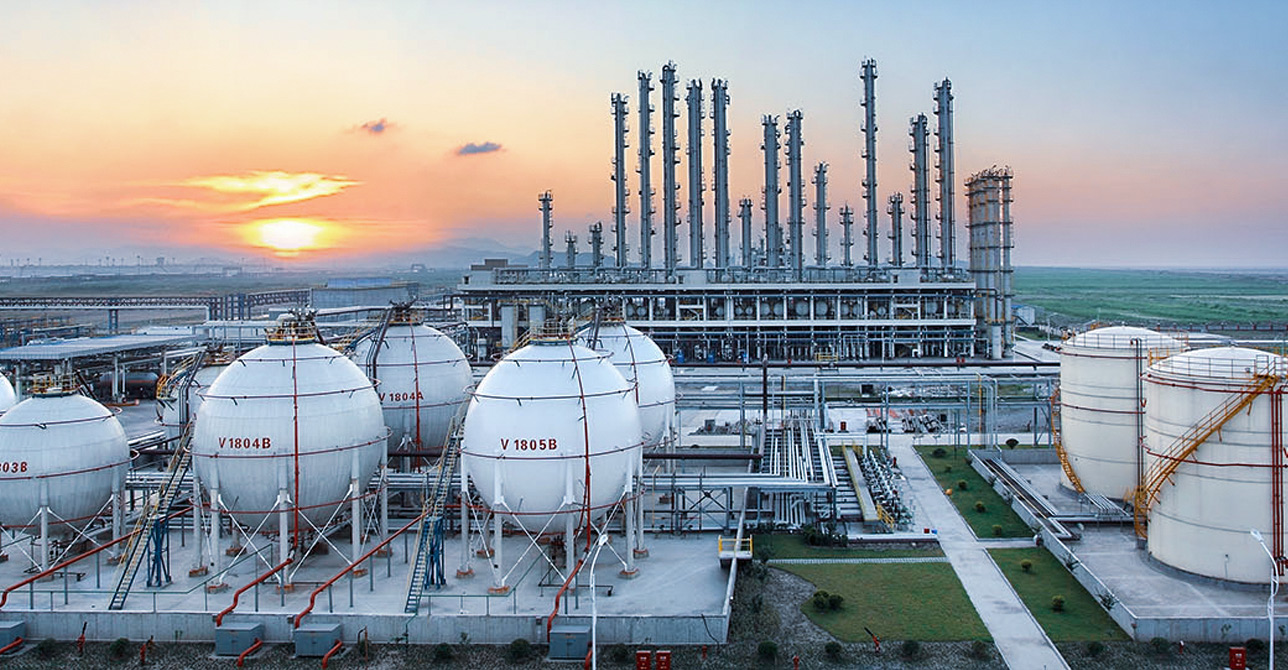
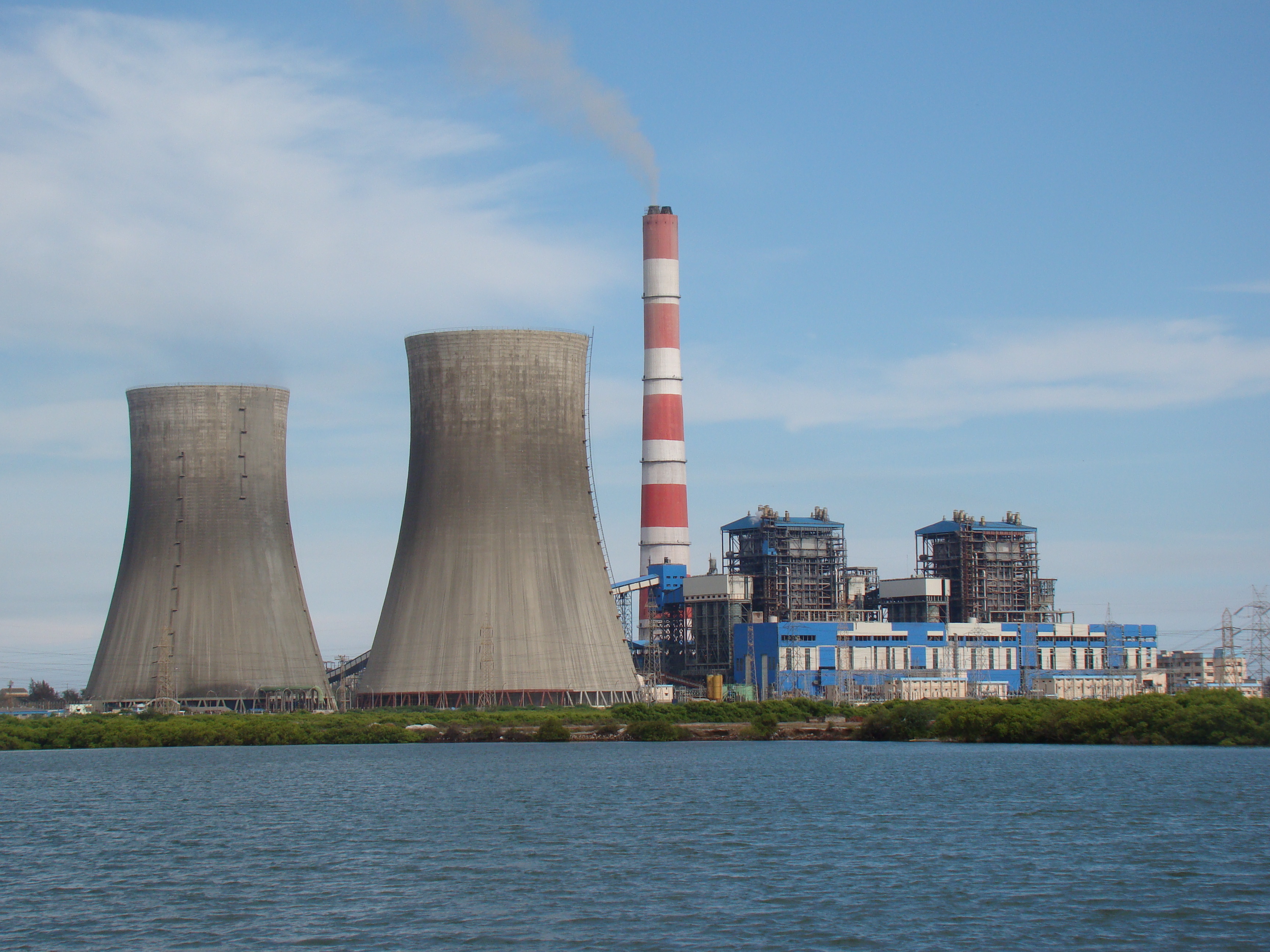
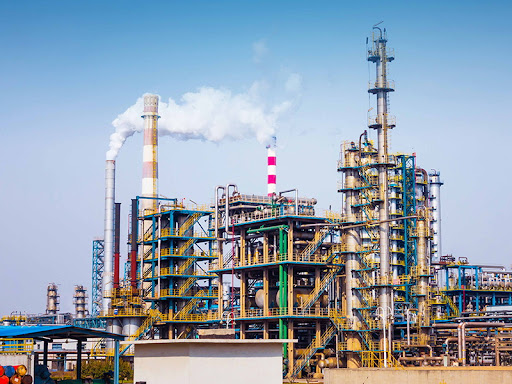
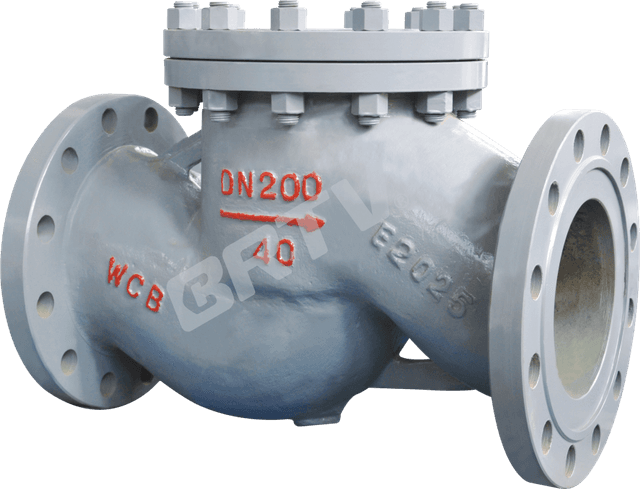
Vertical check valve is made of special materials with good grinding performance and small friction coefficient, which is flexible and reliable in operation and excellent in sealing performance. Vertical check valve products are widely used in petroleum, chemical industry and manufacturingMedicine, power industry and other conditions of the pipeline.
Application Specification
1, Valve design and manufacture according to GB/T 12235-89 requirements
2, Valve structural length according to GB/T 12221-89 requirements
3, The connection flange according to JB/T 79-1994 requirements
4, Valve inspection and acceptance by JB/T 9092-1999 requirements
Main Parts Material
| No. | Part Name | Stainless Steel | Cast Steel |
|---|
| 1 | Body | CF8 | WCB |
| 2 | Disc | 304 | 2Cr13 |
| 3 | Stem | F304 | 2Cr13 |
| 4 | Positioning Frame | CF8 | WCB |
| 5 | Screws | 304 | 25 |
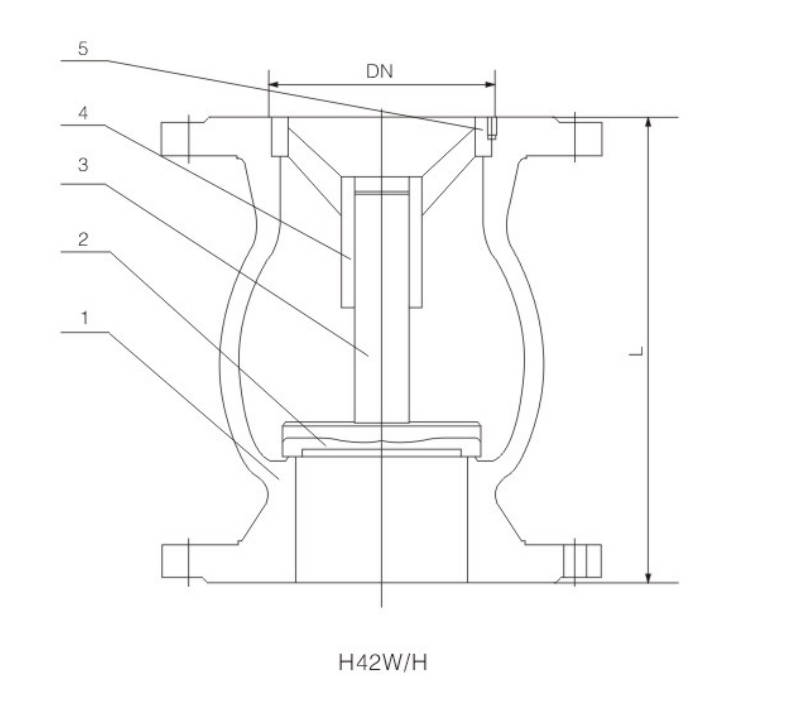
Main Connection Dimension
PN 1.6–4.0 MPa
| DN | 15 | 20 | 25 | 32 | 40 | 50 | 65 | 80 | 100 | 125 | 150 | 200 |
|---|
| L | 85 | 95 | 105 | 150 | 160 | 170 | 180 | 200 | 210 | 275 | 300 | 380 |
PN 6.4–10.0 MPa
| DN | 15 | 20 | 25 | 32 | 40 | 50 | 65 | 80 | 100 | 125 | 150 | 200 |
|---|
| L | 90 | 100 | 110 | 160 | 170 | 180 | 190 | 220 | 260 | 300 | 340 | 420 |
Manufacturing Process
Step 1: Order and Design
Based on the pressure level, diameter, flange standard, material requirements and operating conditions provided by the customer, the structural form and technical parameters of the vertical check valve are confirmed.
The engineering department completes the drawing design, including the valve body, valve disc, guiding structure, sealing surface and connection dimensions, and formulates the production process card and inspection requirements.
Step 2: Forging & Casting
According to the design requirements, the main pressure-bearing parts such as the valve body and valve cover are cast or forged.
The commonly used materials for vertical check valves include WCB, stainless steel CF8/CF8M, etc. After the blank is formed, sand removal, grinding, and inspection of the casting surface for defects such as pores, shrinkage cavities, and cracks are carried out to ensure that the blank quality meets the requirements for subsequent processing.
Step 3: Machining
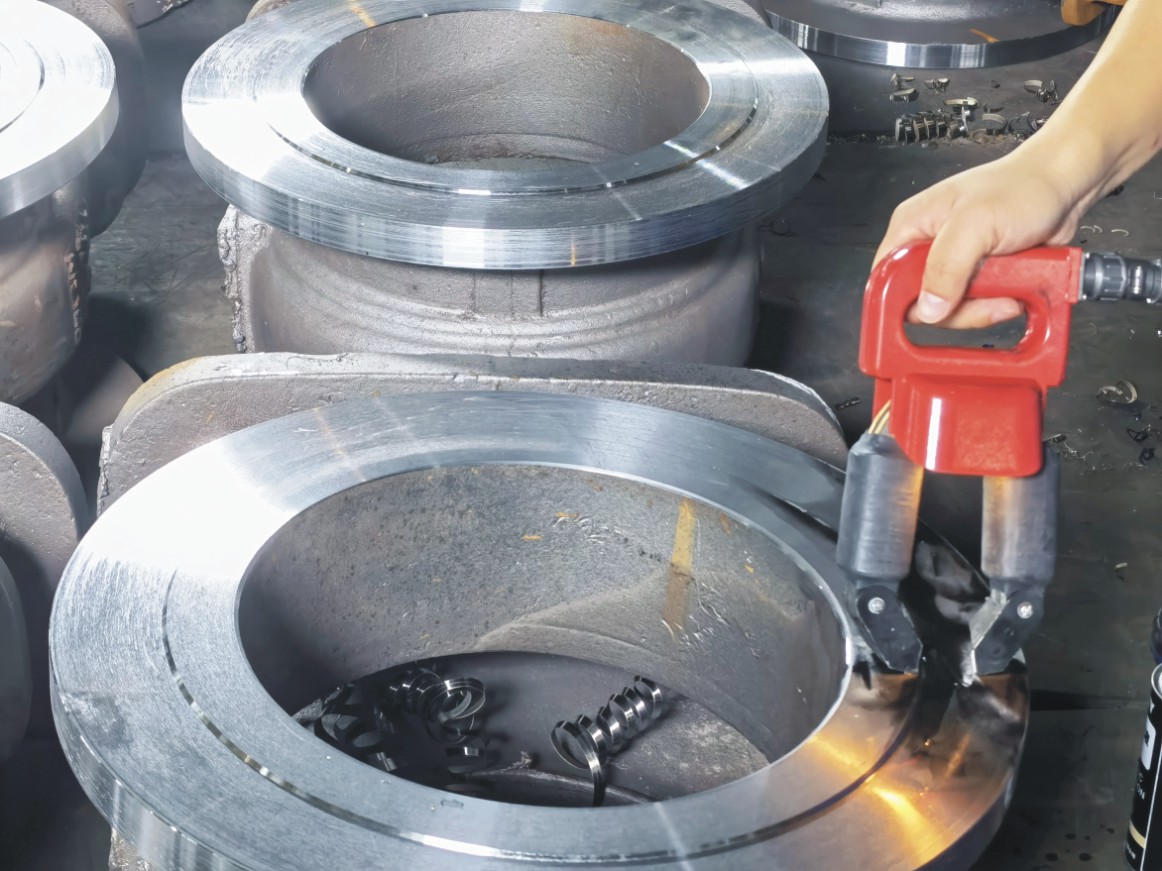
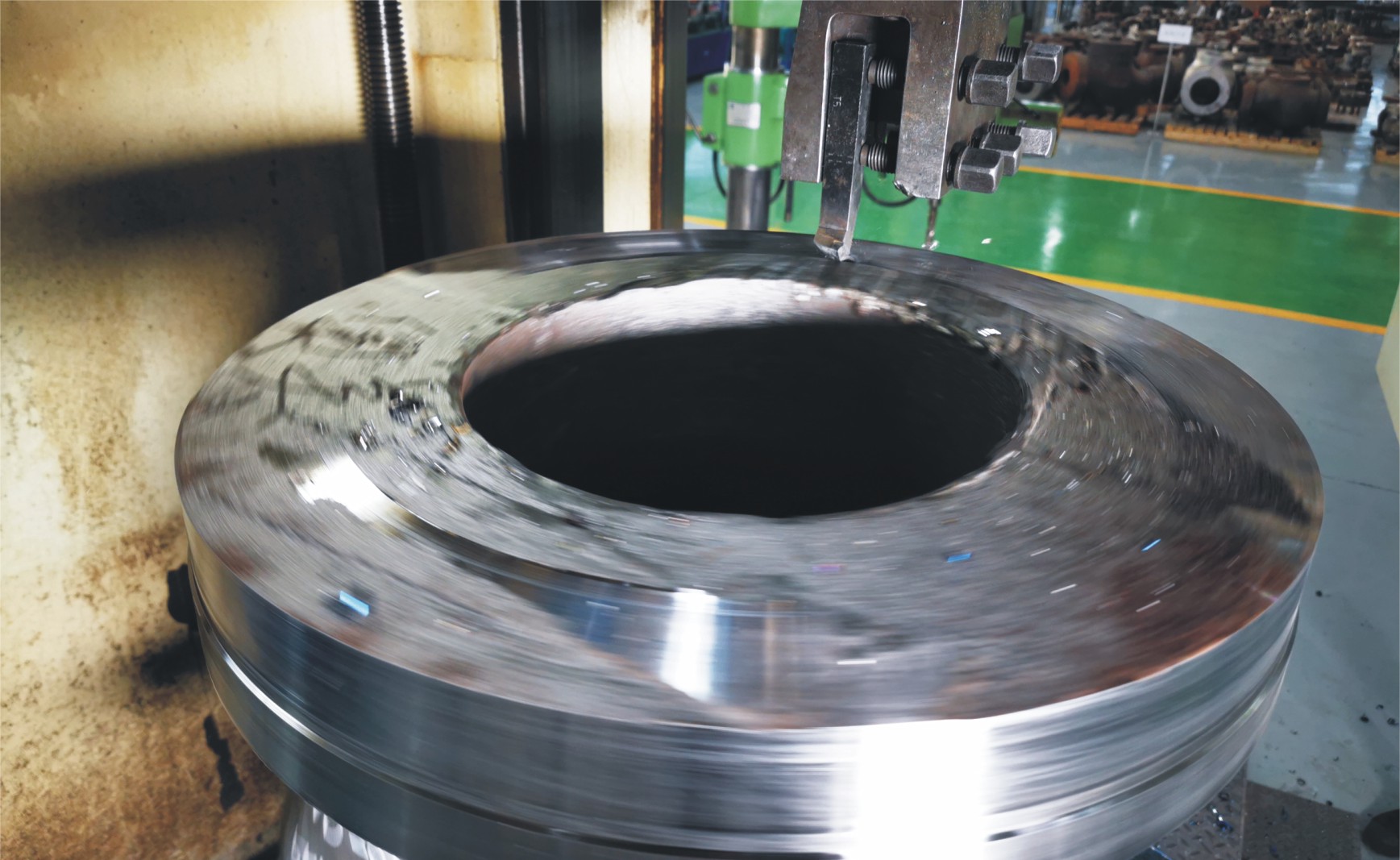
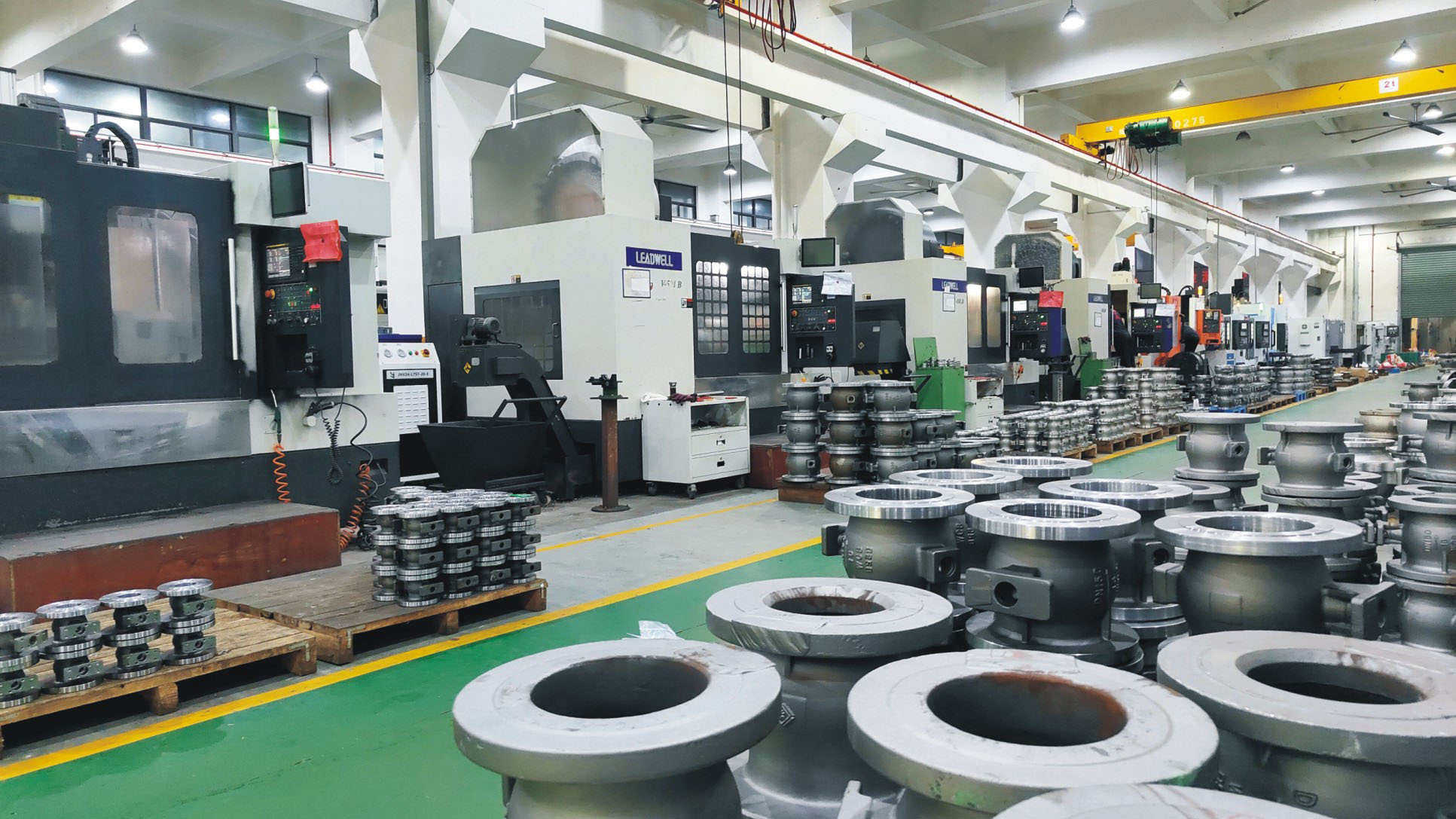
The valve body, valve cover, valve seat, valve disc and other components of the vertical check valve are subjected to mechanical processing.
The main processes include turning, drilling, boring, tapping, processing the flange end face and the sealing surface, to ensure that the dimensional accuracy, coaxiality and the smoothness of the sealing surface meet the assembly and sealing requirements.
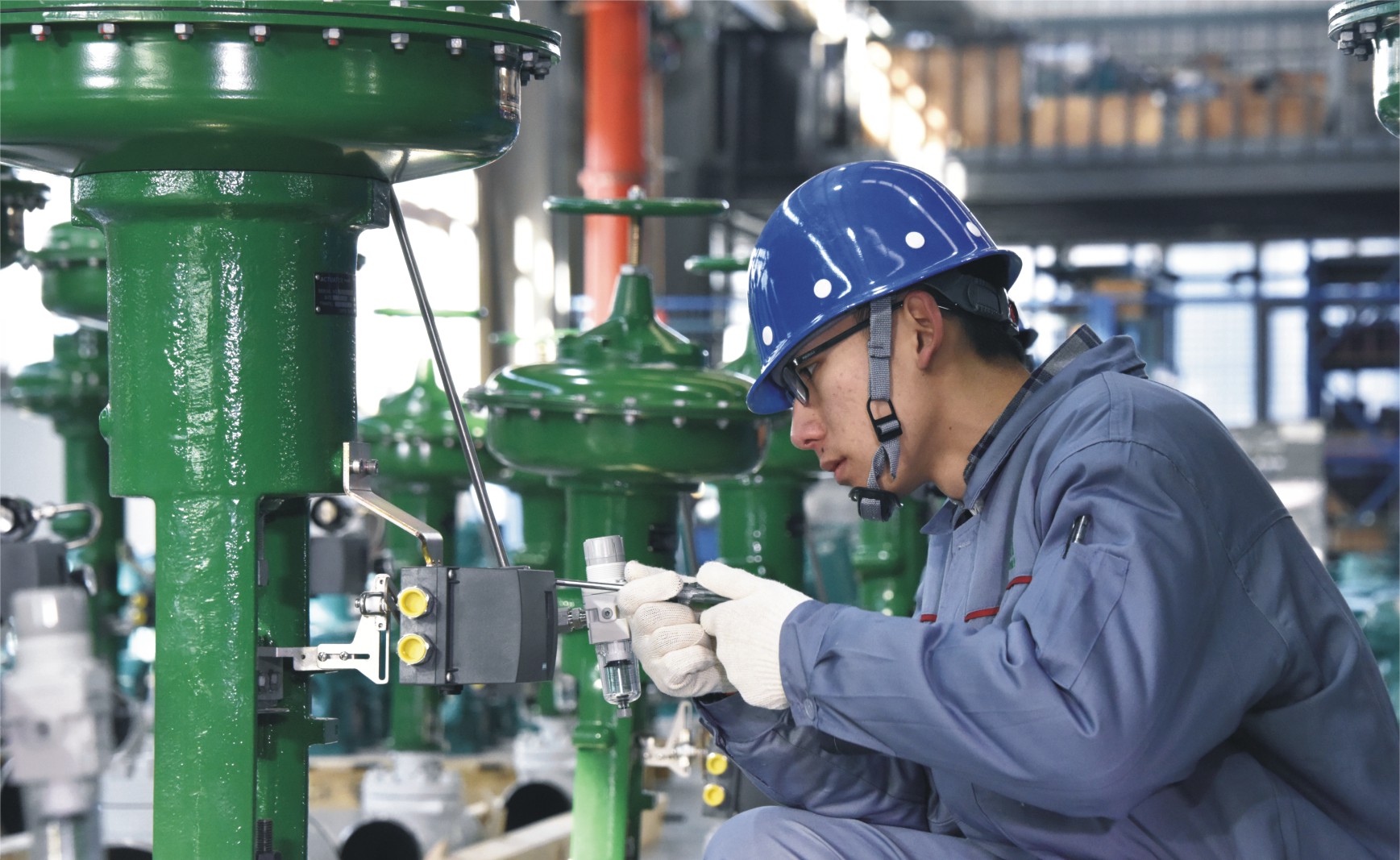
Step 4: Assembly
After cleaning and inspection of the processed and qualified components, they are assembled.
The assembly content includes the installation of the valve disc and the guiding components, the fitting of the valve seat, the installation of fasteners, and the inspection of the flange connection part. During the assembly process of the vertical check valve, special attention should be paid to whether the up and down movement of the valve disc is flexible, to ensure normal opening and closing without any jamming.
Step 5: Testing & Quality Assurance
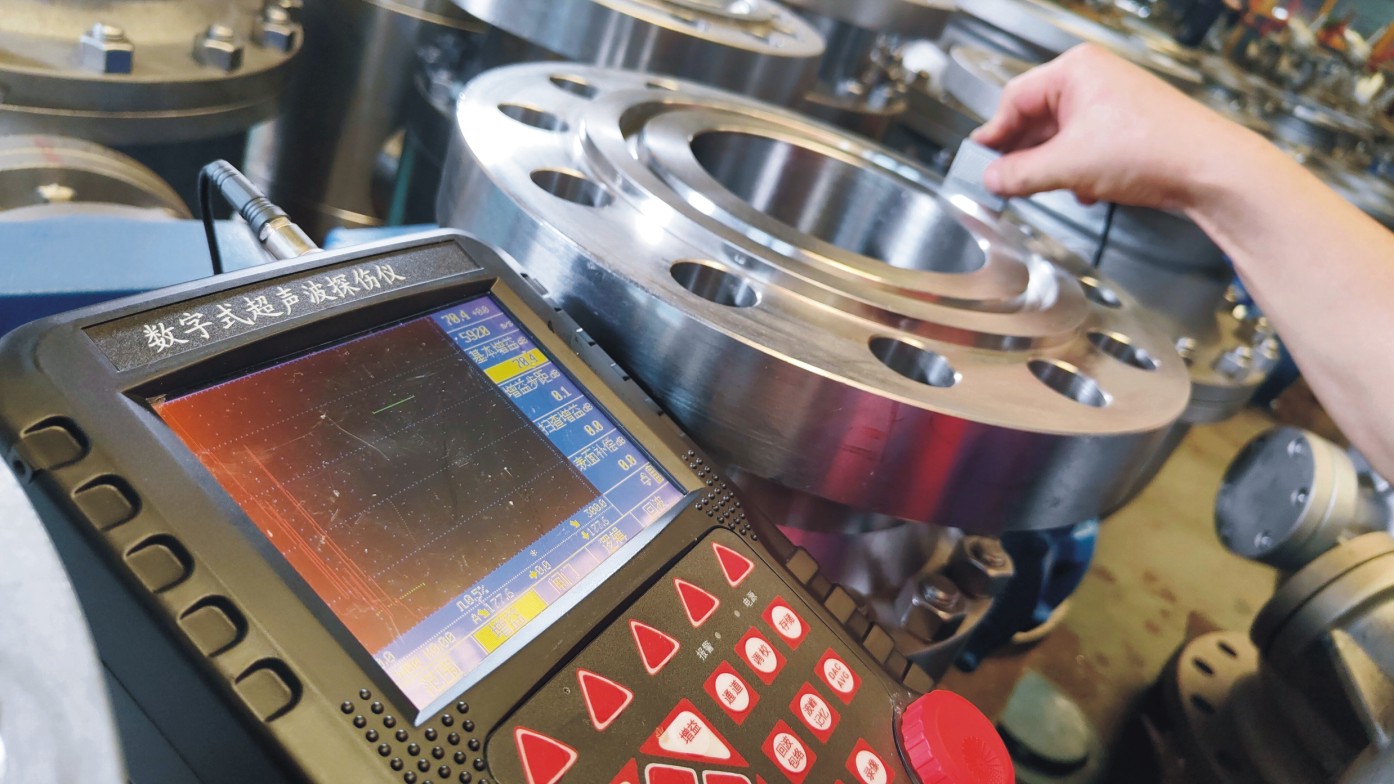
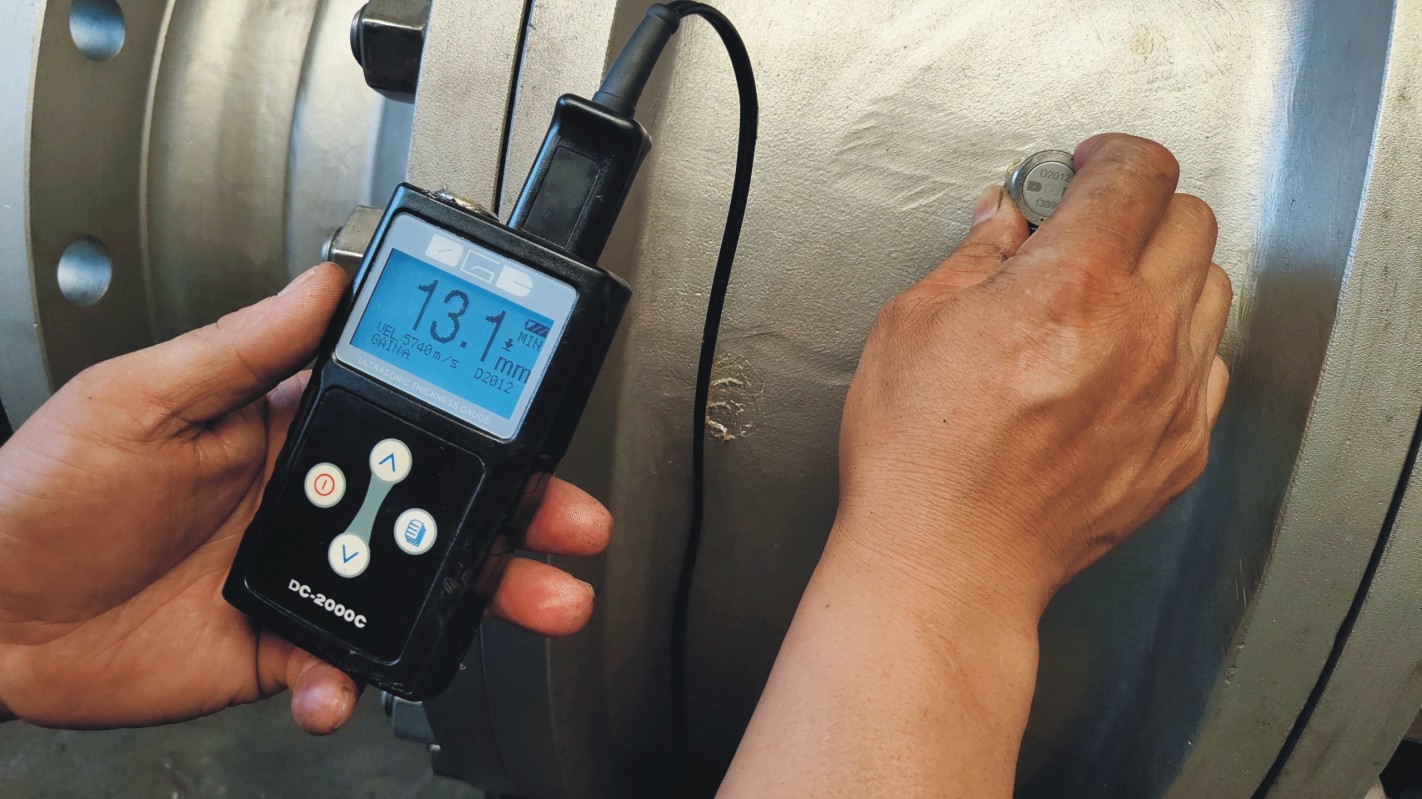
After assembly is completed, a pressure test and quality inspection are conducted on the vertical check valve.
This usually includes strength tests of the shell, sealing tests, and necessary size rechecks to ensure that the valve has no leakage, no abnormalities, operates reliably, and meets the factory standards and customer requirements under the rated pressure.
Step 6: Painting and Finishing
After passing the inspection, surface treatment is carried out, including rust removal, painting, marking printing and final product packaging.
According to the customer's requirements, nameplates, furnace numbers, pressure grades and material markings are completed. Finally, flange protection and pre-shipping inspection are done to ensure the product is neat, attractive and suitable for transportation.
Applications
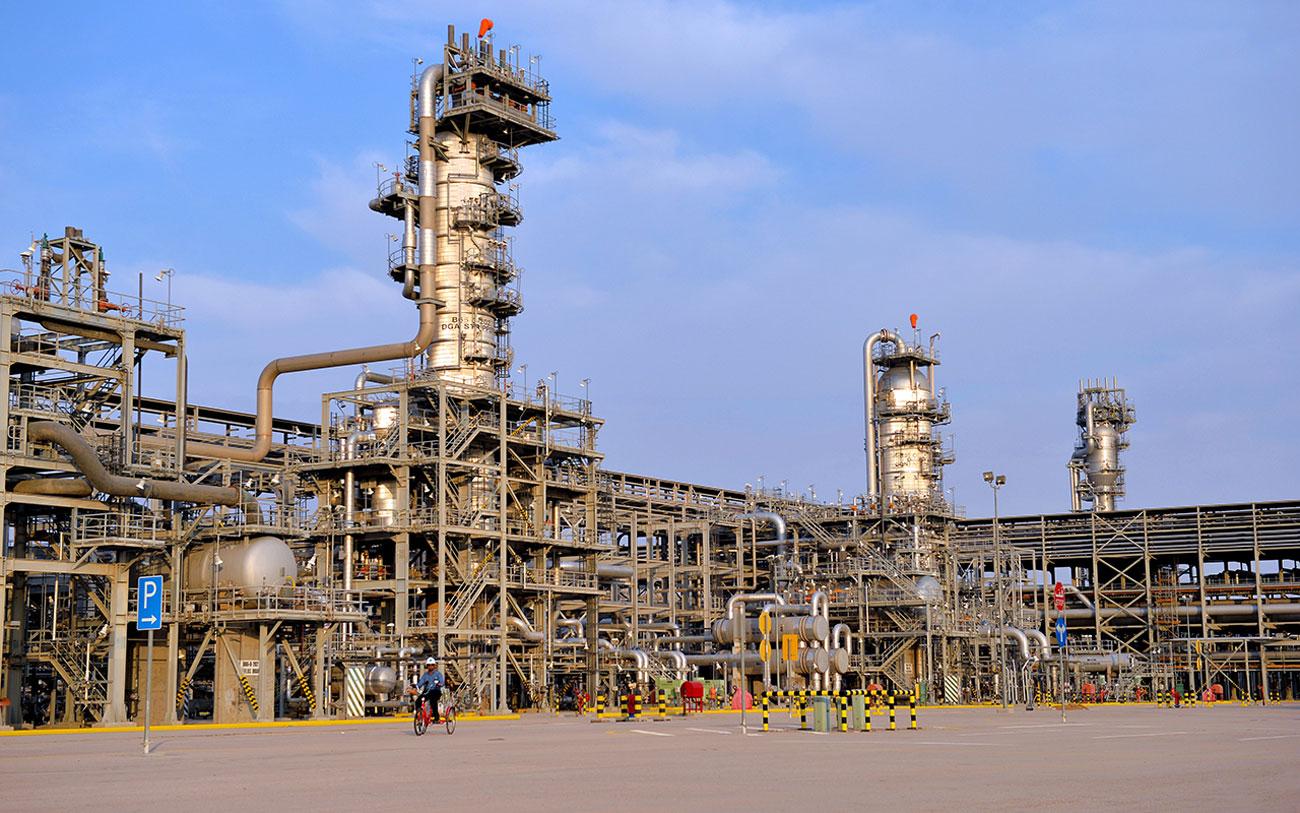
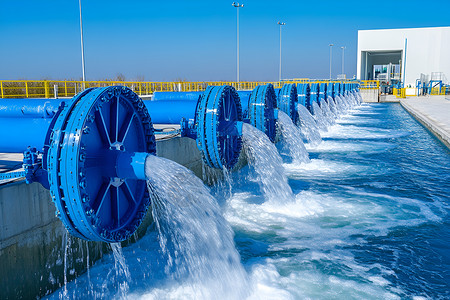
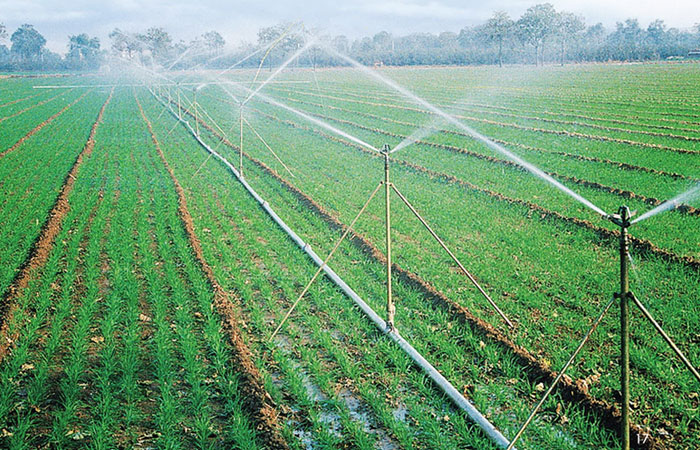
The vertical check valve is mainly used in pipeline systems to control the unidirectional flow of media, prevent backflow, and mitigate water hammer impact by closing promptly. It is often installed at the pump outlet to protect the pump unit from damage caused by backflow after shutdown. At the same time, it can also prevent backflow pollution in scenarios such as sewage treatment and chemical production, thereby ensuring the safety of equipment, systems and the environment.
These valves are widely used in:
Agriculture and Irrigation
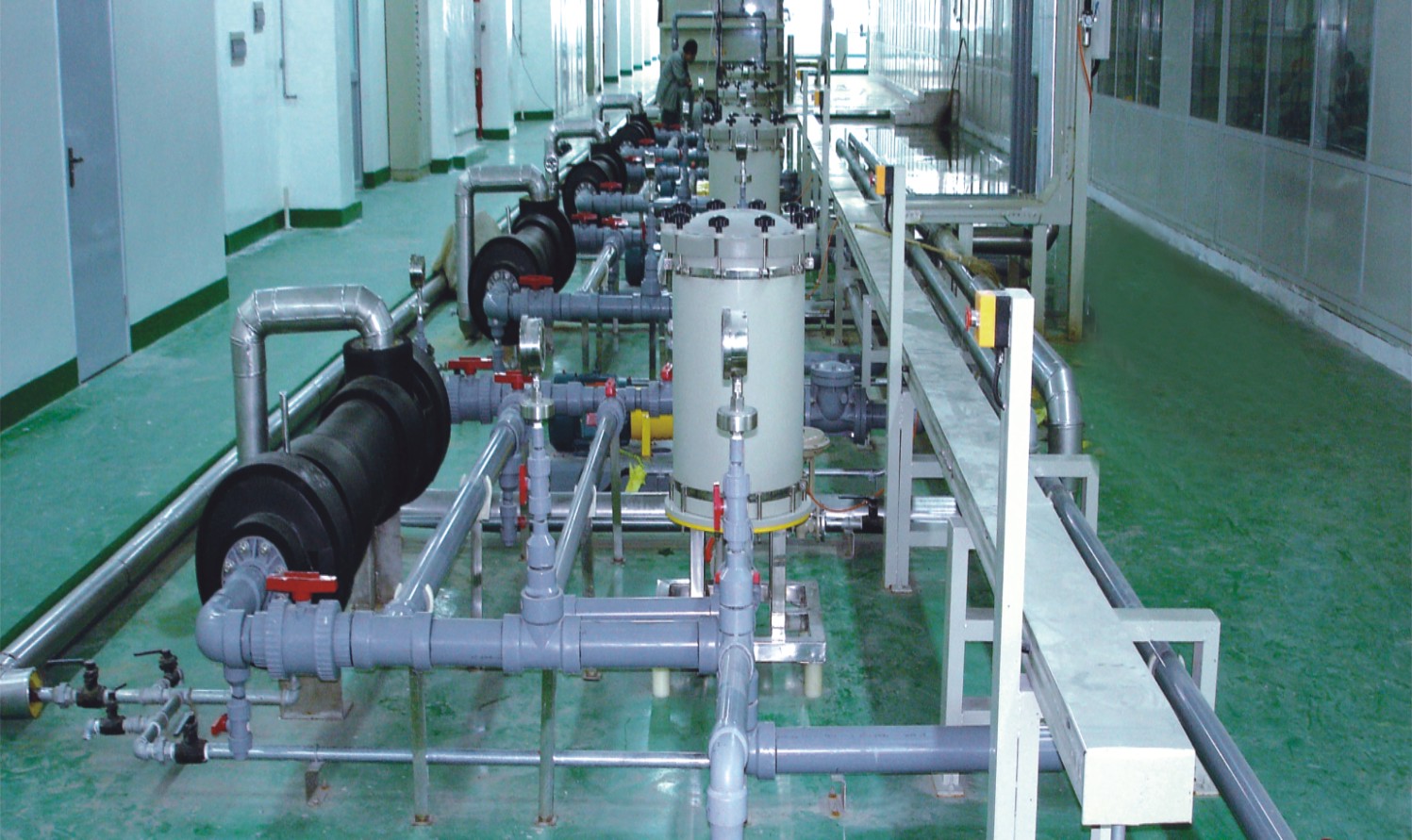
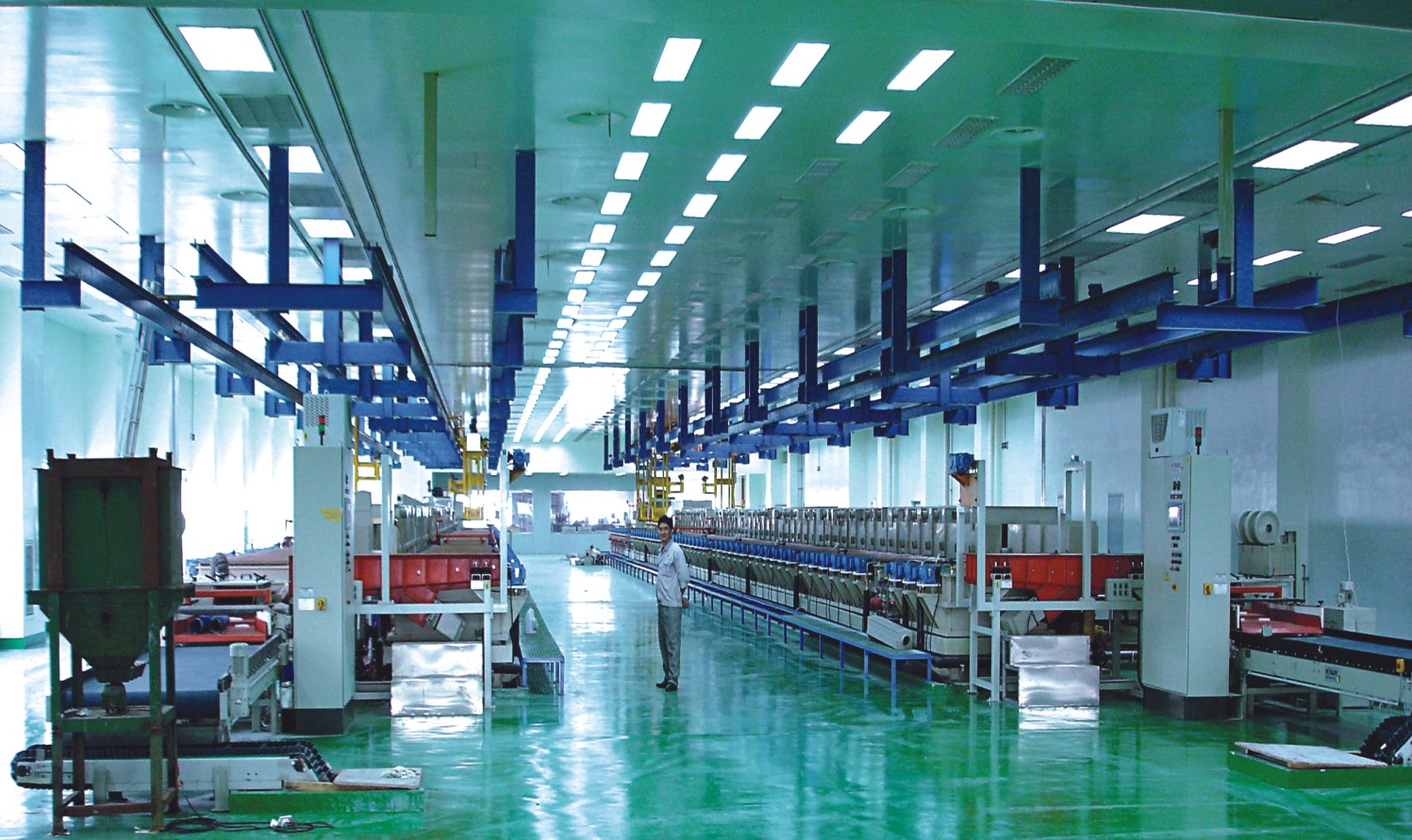
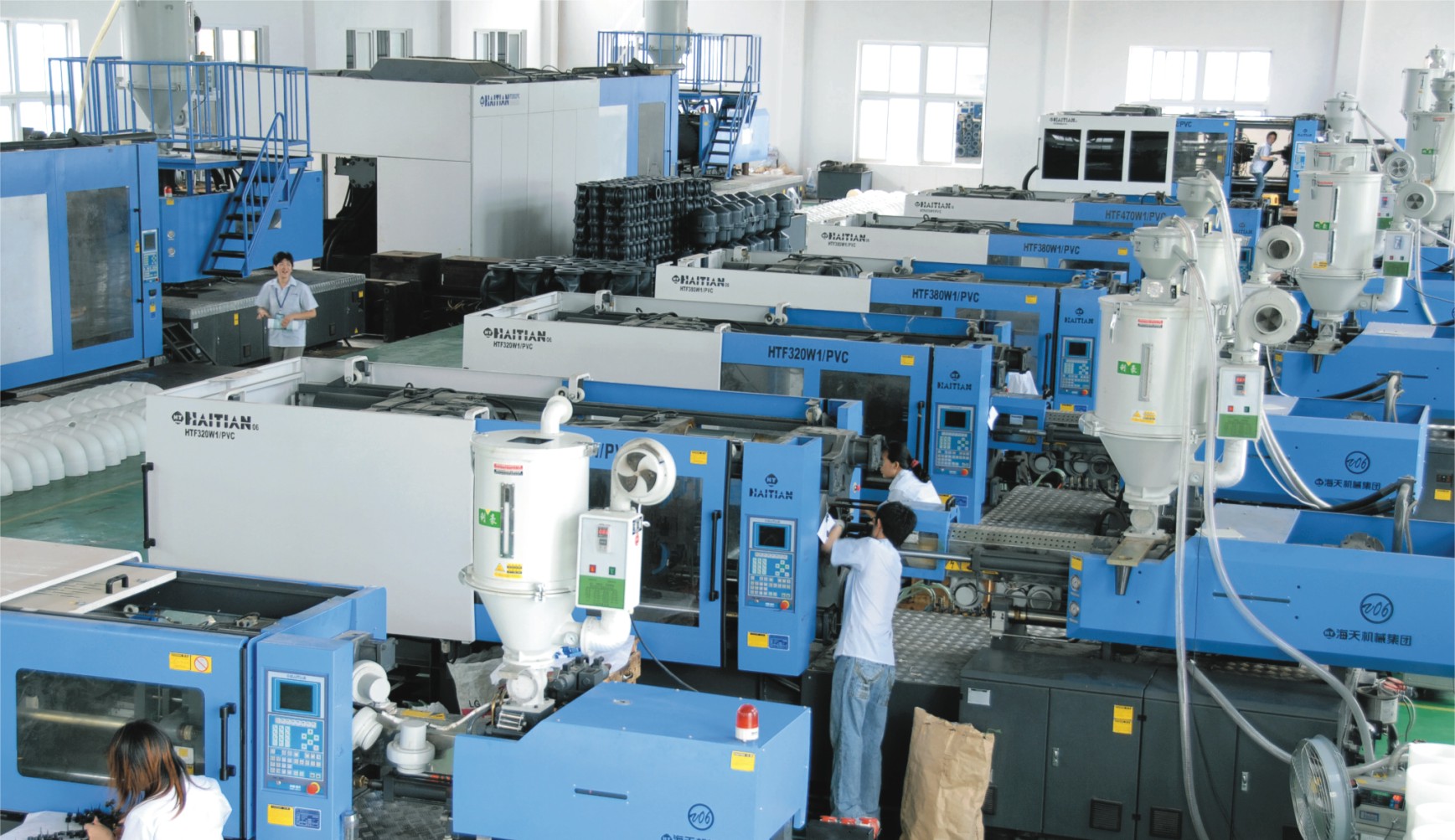
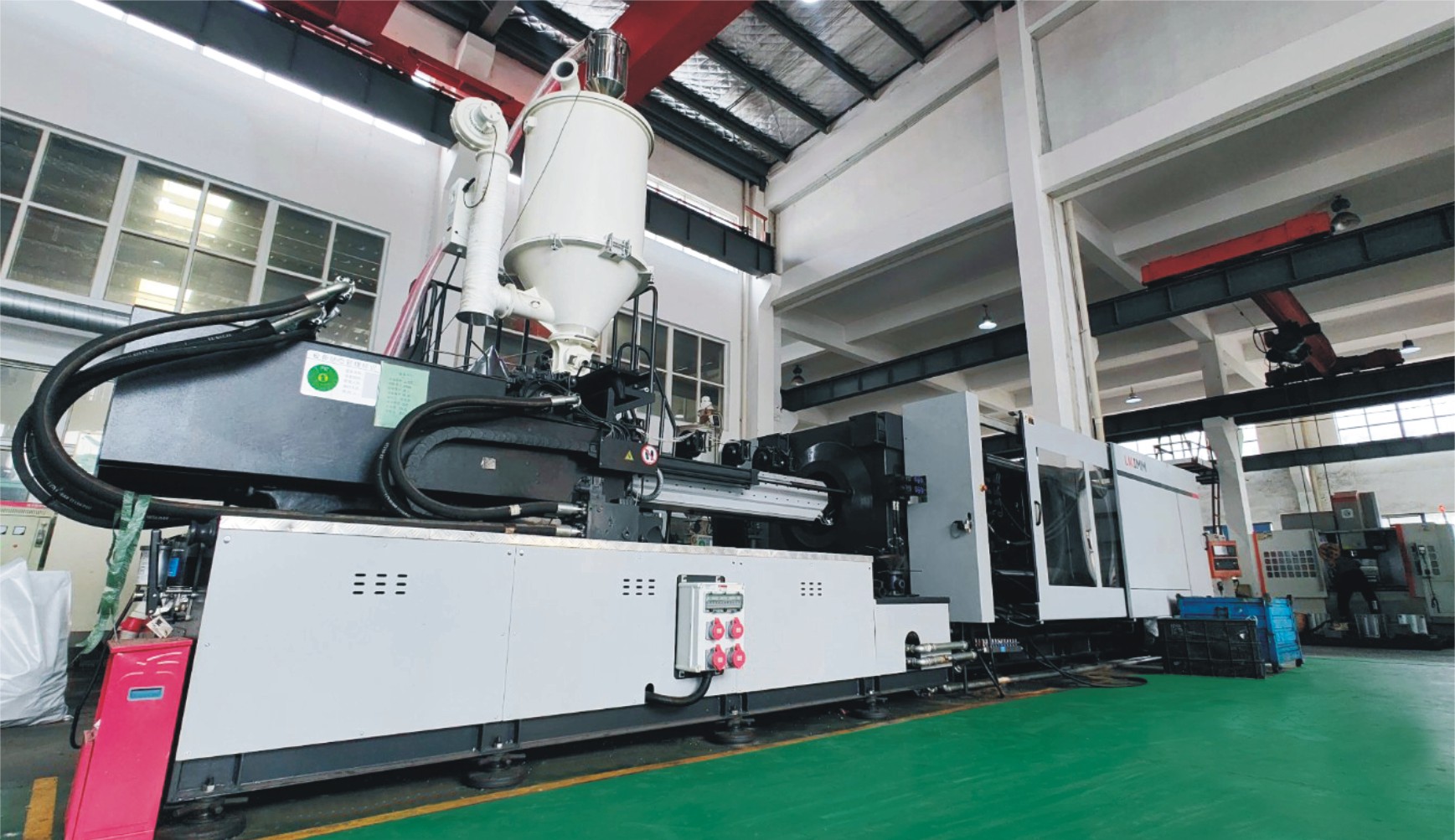
Factory Environment
Why Choose Us
Superior Quality
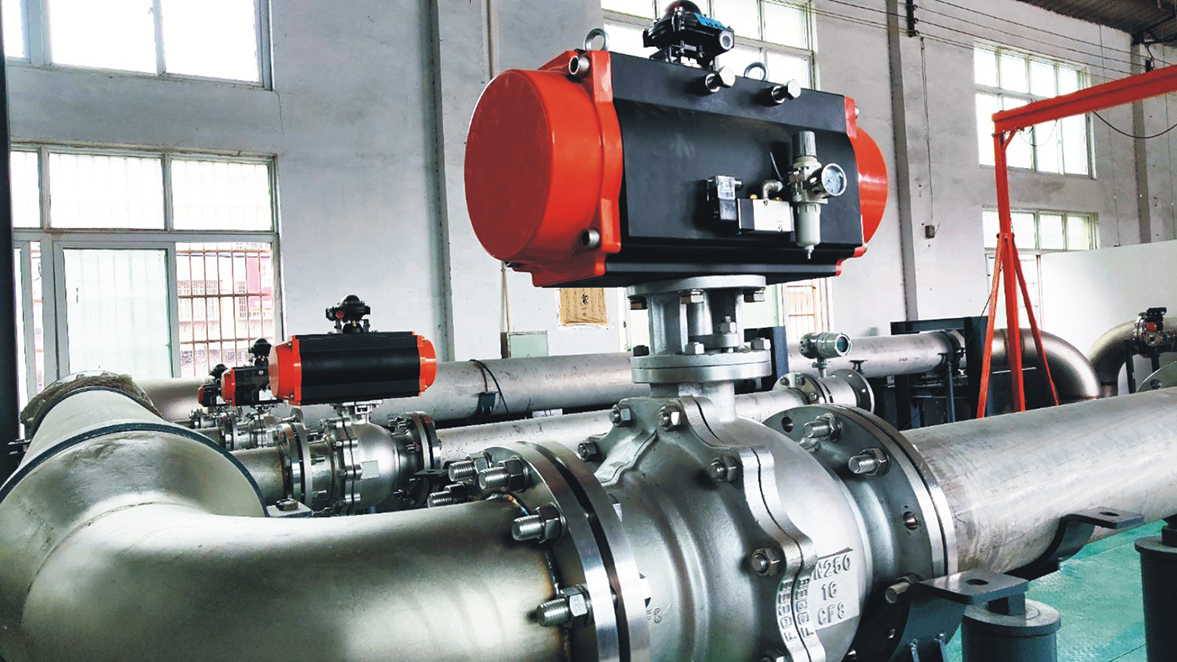
Our valves are manufactured using premium materials and undergo rigorous quality testing to ensure reliable performance in demanding industrial applications.
Advanced Technology
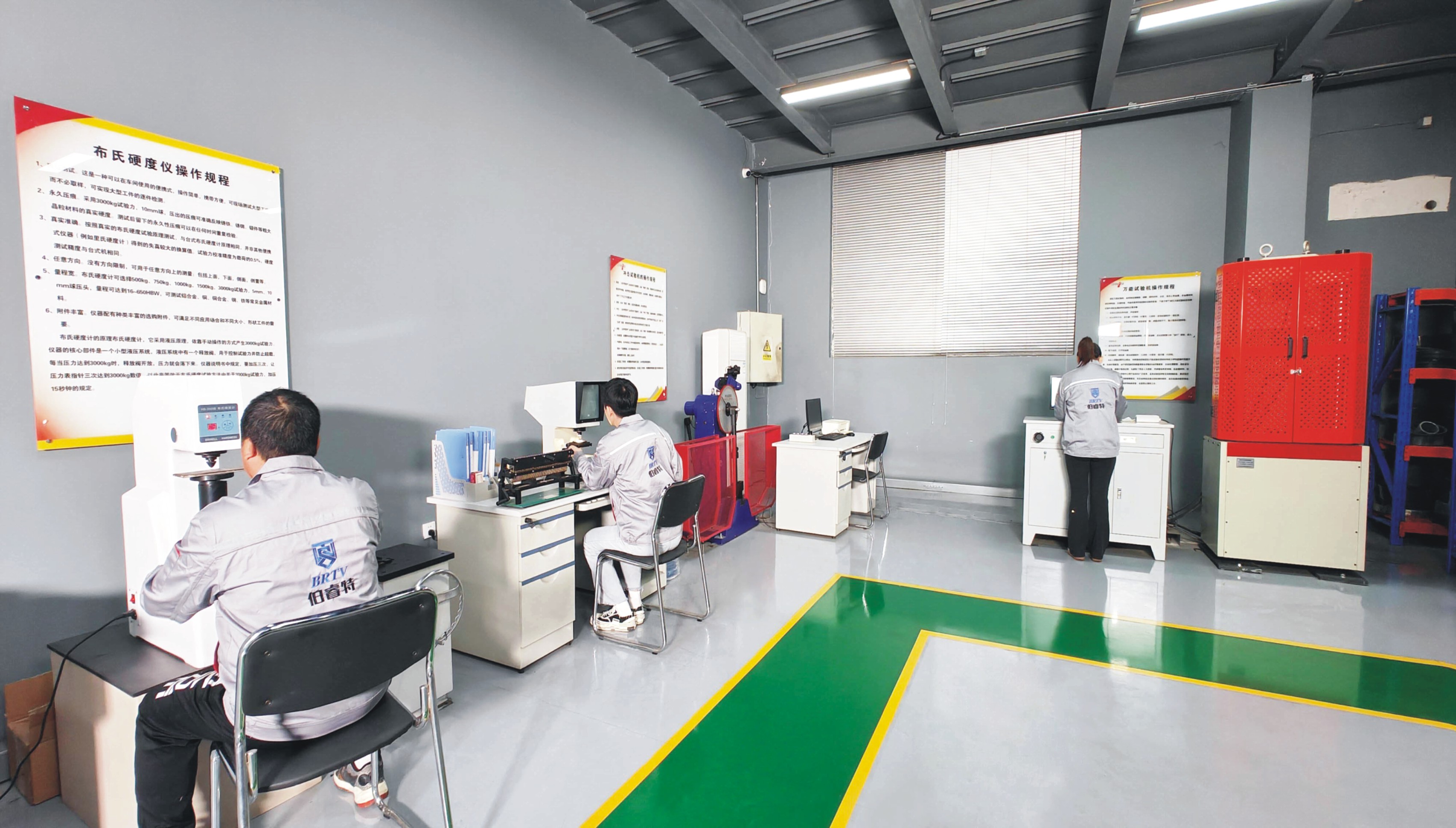
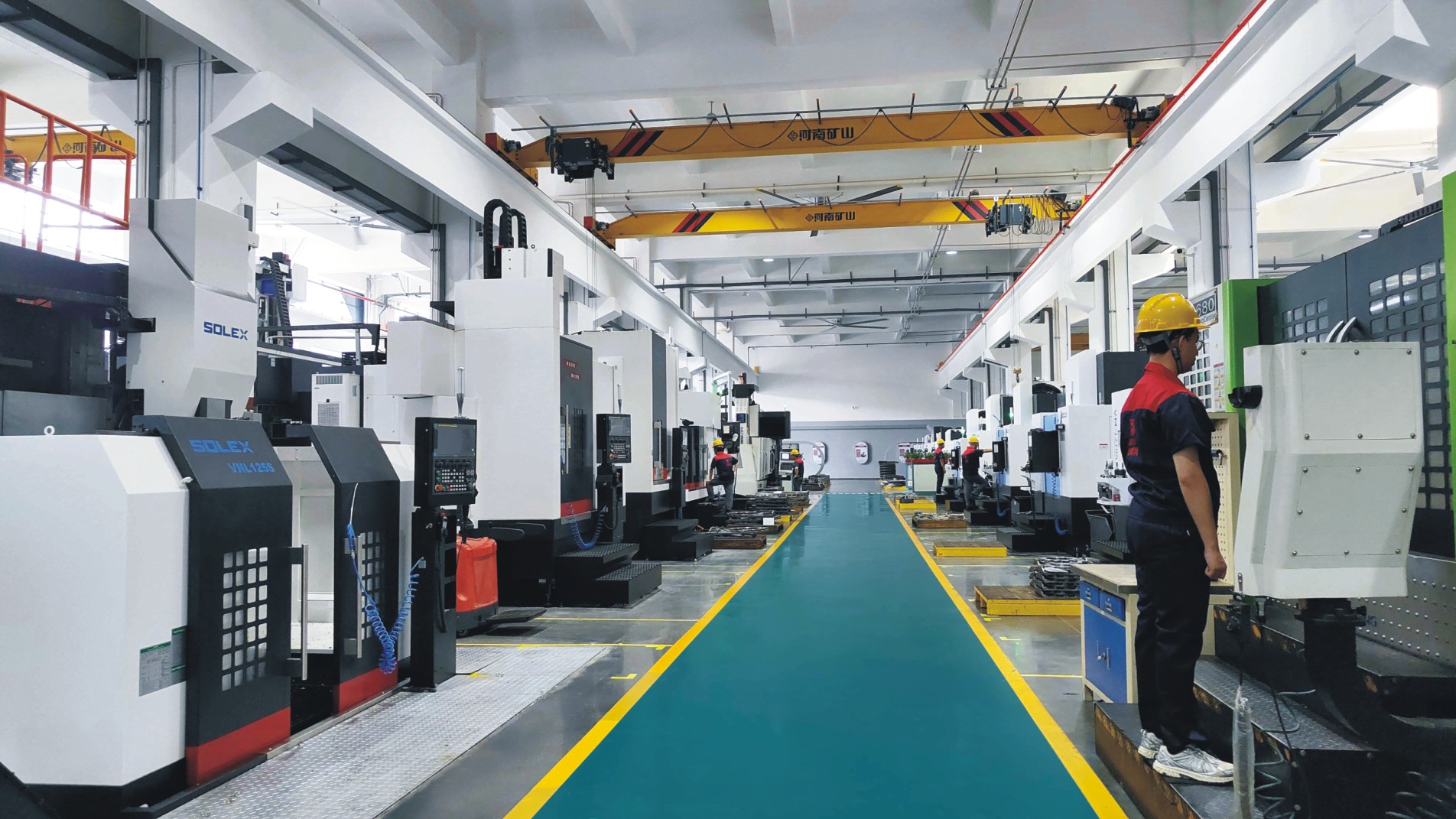
Equipped with state-of-the-art CNC machining centers and precision manufacturing equipment, we deliver valves with exceptional accuracy and consistency.
Competitive Pricing
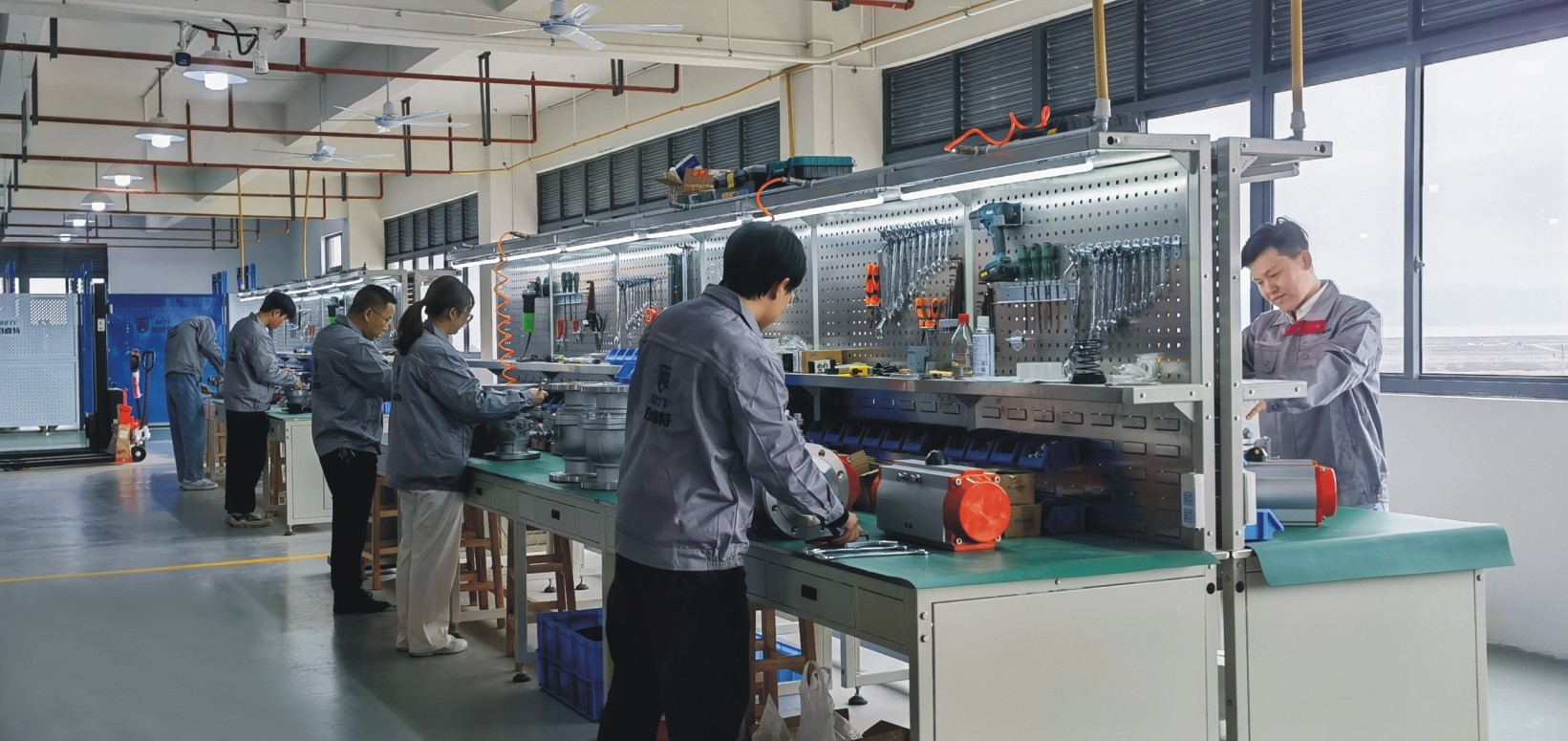
Through optimized manufacturing processes and bulk material procurement, we offer high-quality valves at competitive prices without compromising on quality.
Expert Support
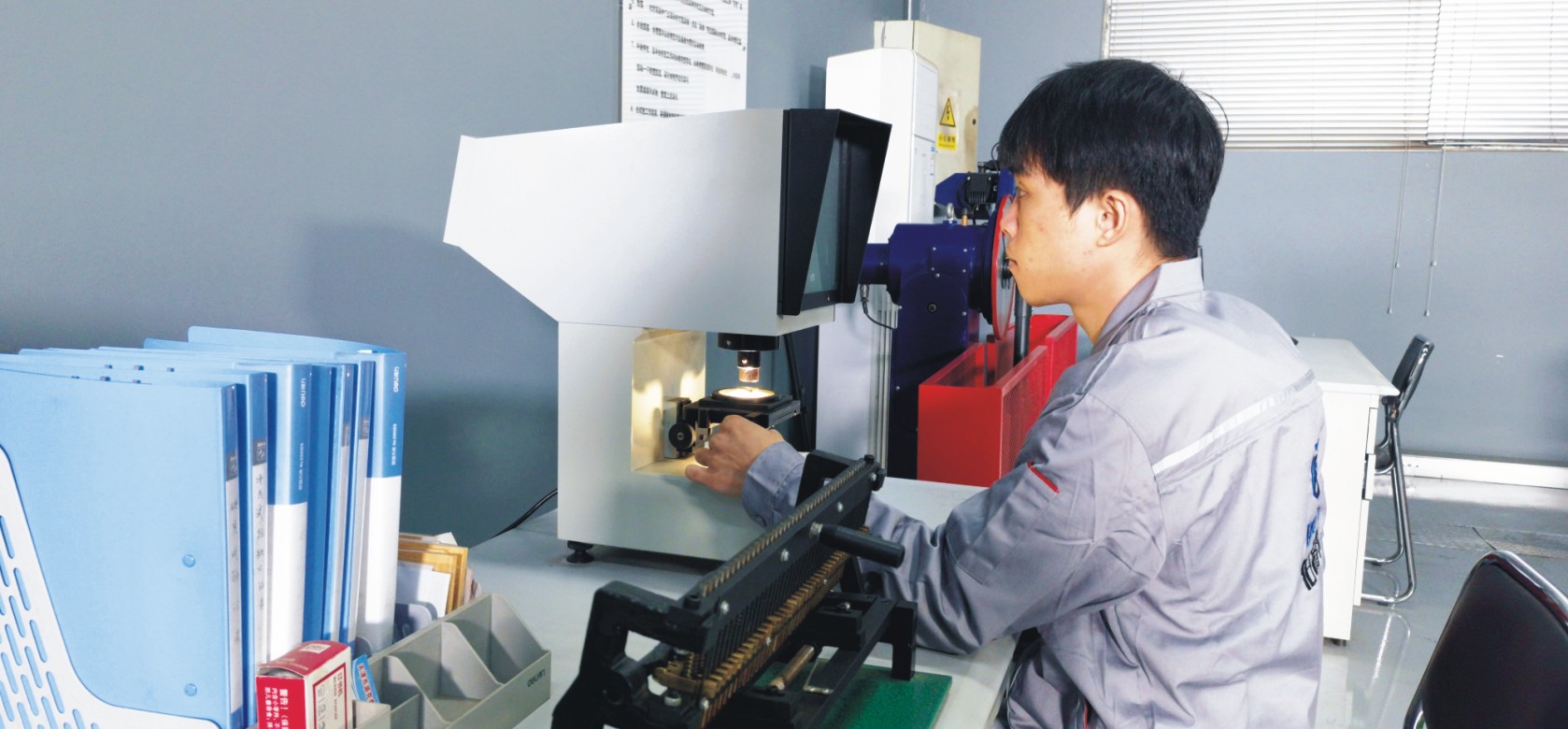
Our experienced technical team provides comprehensive support from product selection to after-sales service, ensuring optimal valve performance for your specific application.