Application
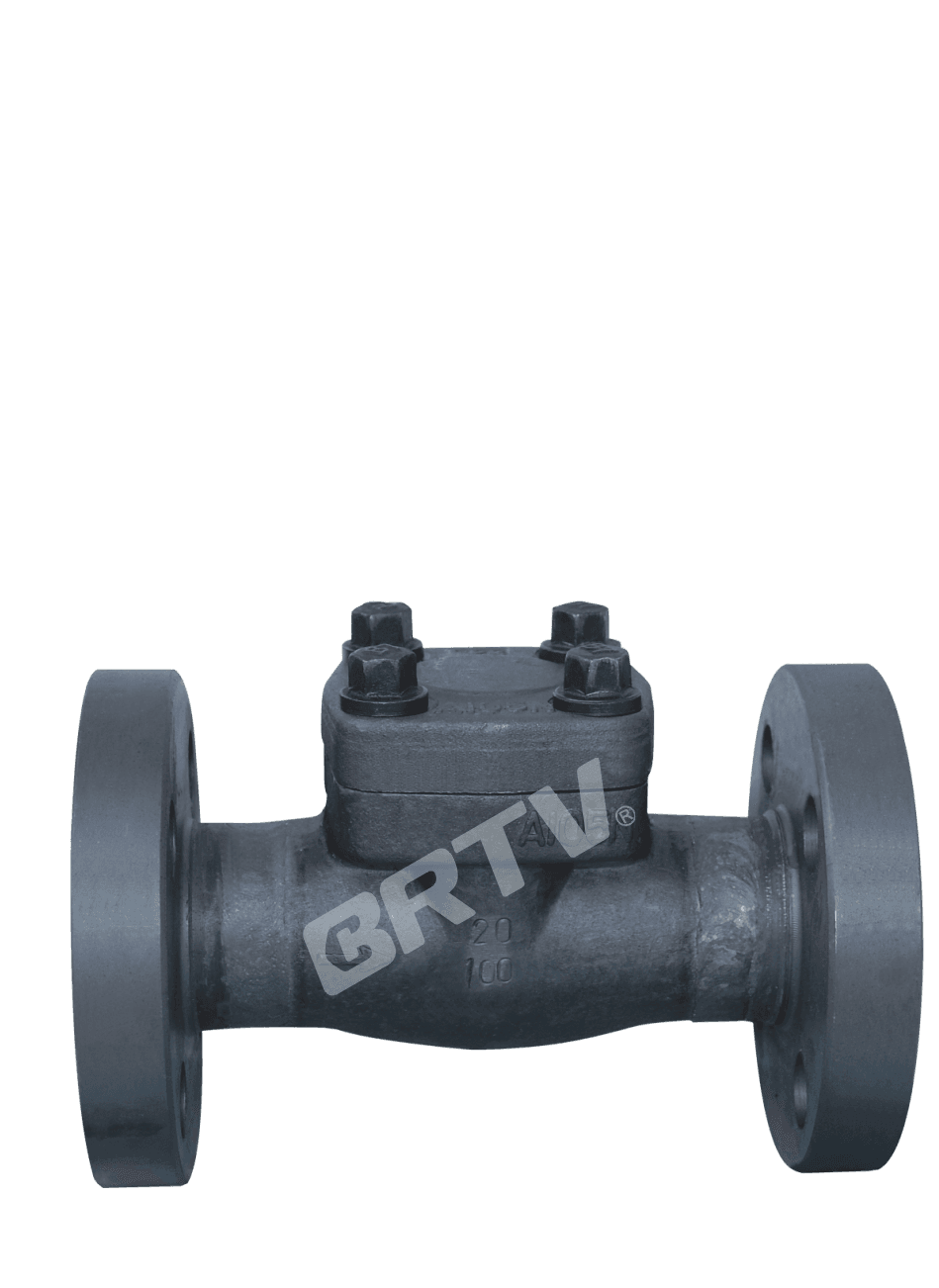
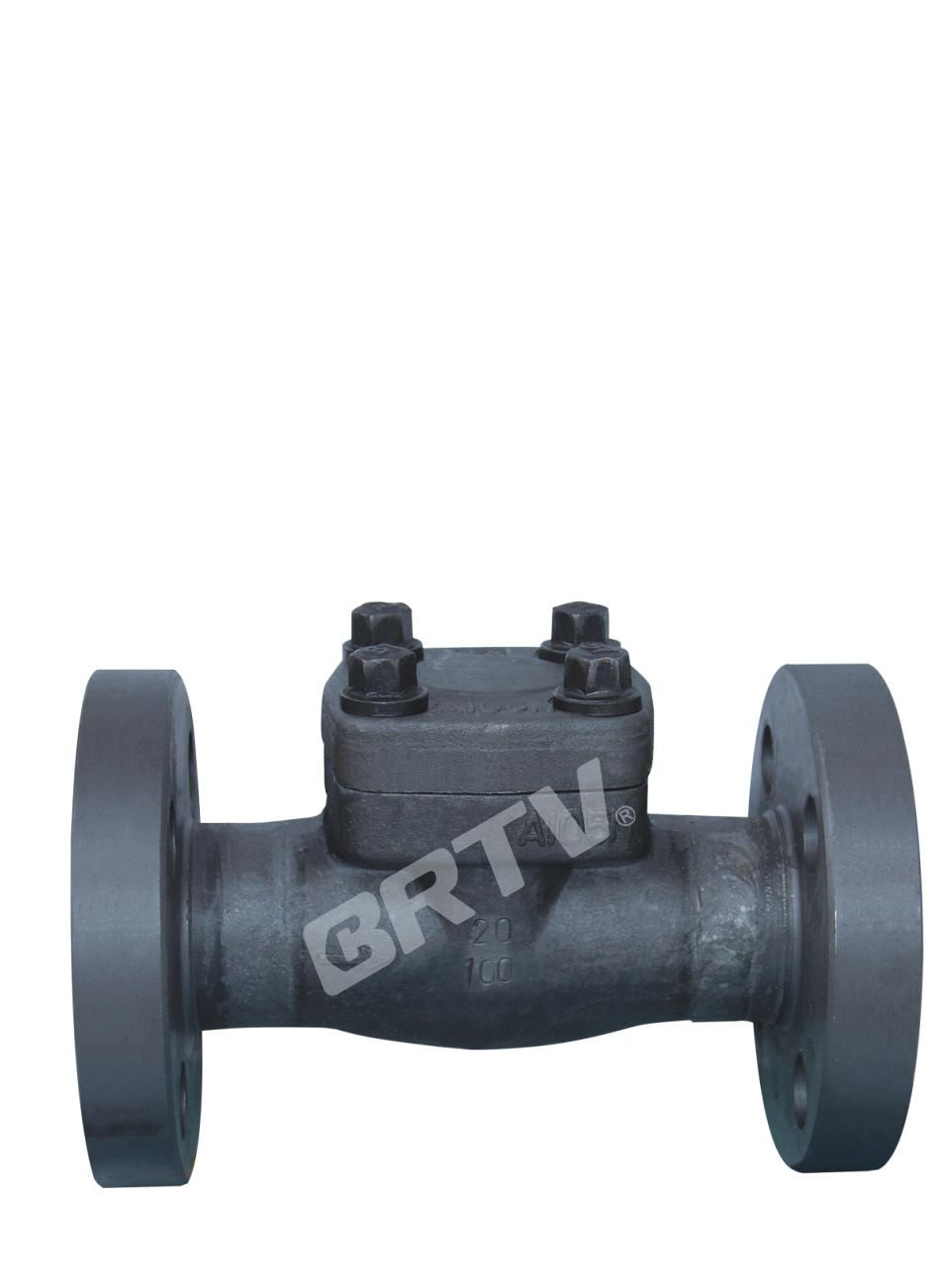
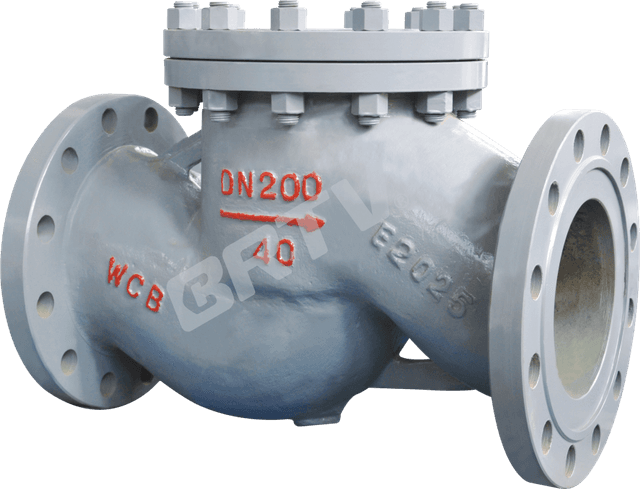
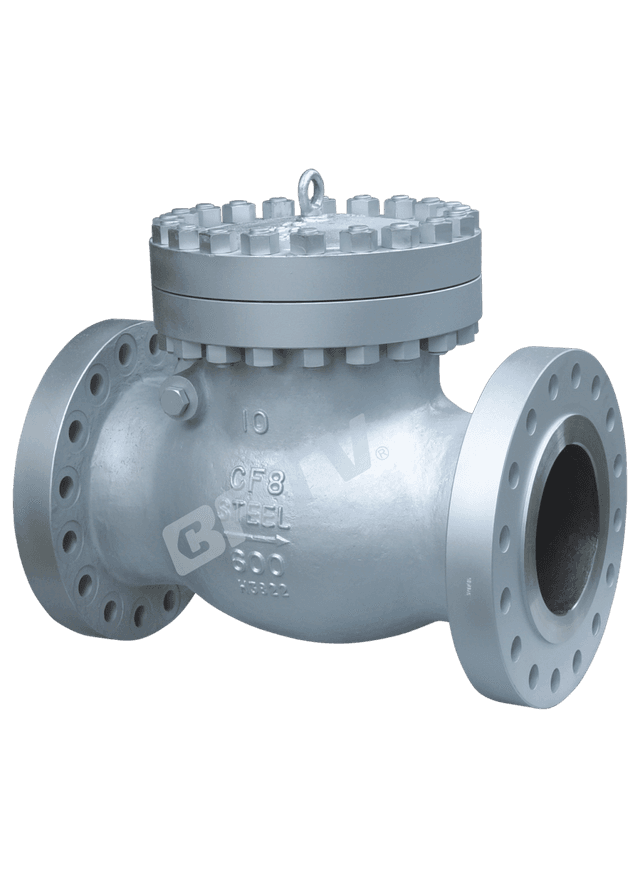
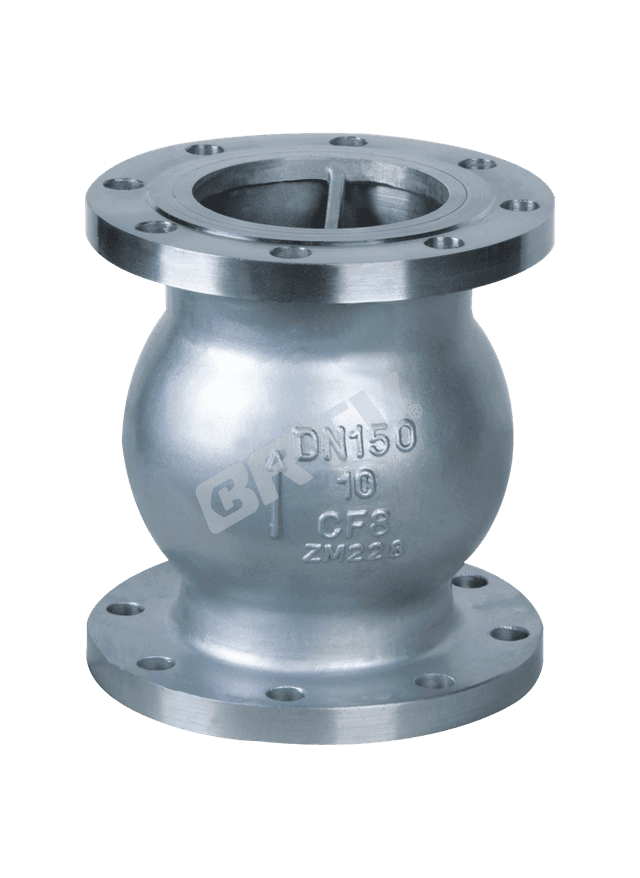
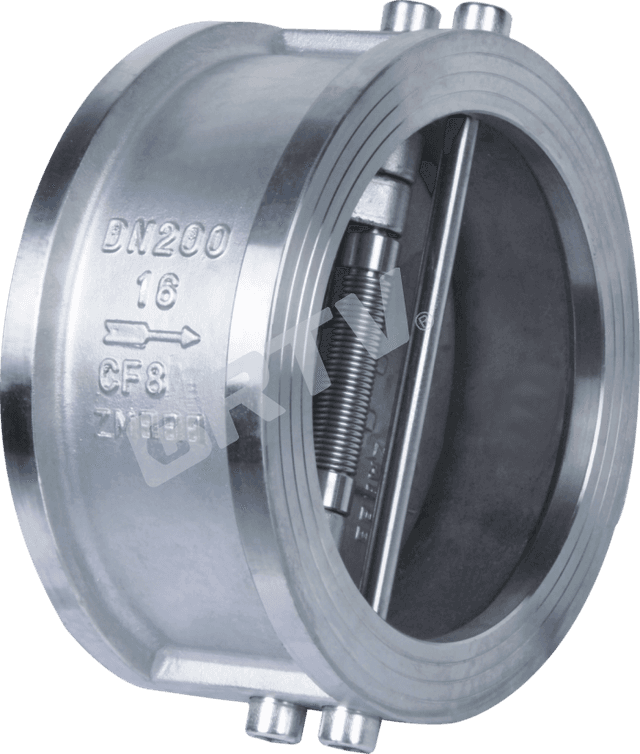
Forged Steel Check Valve valves are available in Three bonnet designs. The first design is the Bolted Bonnet, with male-female joint, spiral wound gasket, made in F304+flexible graphite. Ring joint gasket are also available on request. The second design is the welded bonnet, with a threaded and seal welded joint. On request a full penetration strength welded joint is available. The third design is the pressure seal bonnet, with a threaded and pressure seal bonnet joint. The check valves are also available in three different design configurations. These are piston check, ball check, or swing check designs.
Structure features
• Full port or reduced port;
• Lift type check valves;
• Ball type check valves;
• Swing type check valves;
• According to requirement to equip inside spring;
• Bolted bonnet with spiral-wound gasket, threaded and seal welded bonnet or threaded and pressure seal bonnet;
• Socket weld ends to ASME B16.11;
• Screwed ends (NPT) to ANSI/ASME B1.20.1;
• Disc can change for soft seal disc and ball disc.
Design Construction
-
Structural formation: Bolt-jointed bonnet lifting type, bolt-jointed bonnet swing type check valve
-
Design standard: ASME B16.34, BS5352
-
Face to face: ASME B16.10
-
Flanged ends: ASME B16.5
-
Thread ends: ASME B1.20.1
-
Socket welded ends: ASME B16.11
-
Test & inspection: API 598
Notes: The sizes of valve connecting flange and butt-welding terminas can be designed according to customer's requirement.
Major Parts Material Form
| No. | Part name | Material |
|---|
| 1 | Body | ASTM A105; ASTM A182-F11, F22, F5, F9; ASTM A182-F304, F316, F321, F304L, F316L |
| 2 | Disc | ASTM A105; ASTM A182-F11, F22, F5, F9; ASTM A182-F304, F316, F321, F304L, F316L |
| 3 | Spring | Graphite & stainless steel |
| 4 | Bonnet | ASTM A105; ASTM A182-F11, F22, F5, F9; ASTM A182-F304, F316, F321, F304L, F316L |
| 5 | Bolt | ASTM A193-B7, A320-B8, A193-B8M |
| 6 | Ball | ASTM A105; ASTM A182-F11, F22, F5, F9; ASTM A182-F304, F316, F321, F304L, F316L |
| 7 | Spring | AISI 9260, AISI 6150; ASTM A182-F304, F316, F321, F304L, F316L |
| 8 | Rocker | ASTM A182 Gr.F6a, ASTM A182 F22; ASTM A182-F304, F316, F321, F304L, F316L |
| 9 | Pivot | ASTM A105; ASTM A182-F11, F22, F5, F9; ASTM A182-F304, F316, F321, F304L, F316L |
| 10 | Seat | ASTM A105; ASTM A182-F11, F22, F5, F9; ASTM A182-F304, F316, F321, F304L, F316L |
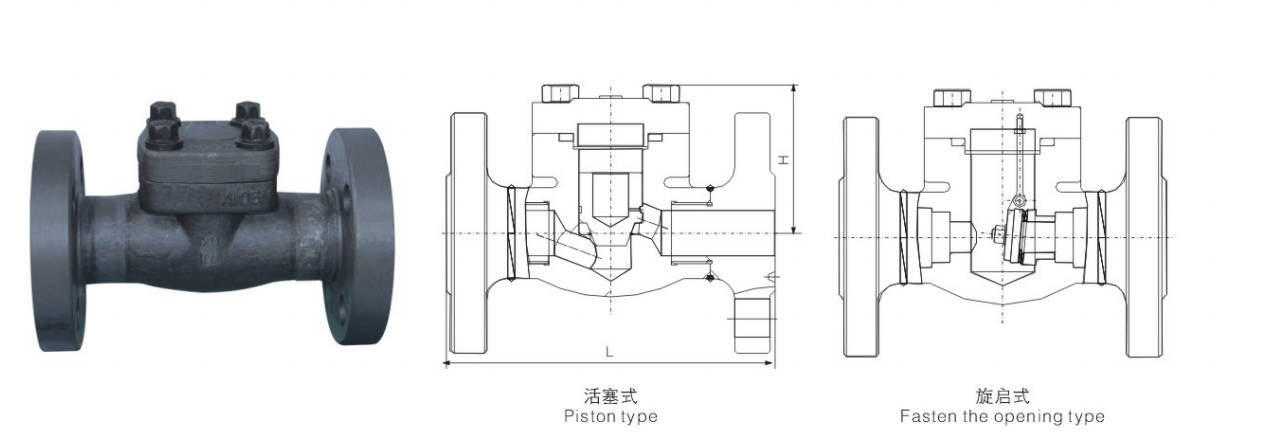
Main Size of Outside & Weight
| DN (mm) | DN (in) | Class | L (RF) | L (RTJ) | H | Weight (kg) |
|---|
| 15 | 1/2 | 150 | 108 | 119 | 60 | 2.5 (2.5) |
| 15 | 1/2 | 300 | 152.5 | 163.5 | 60 | 2.5 (2.7) |
| 15 | 1/2 | 600 | 165 | 163.5 | 60 | 2.8 (3.0) |
| 20 | 3/4 | 150 | 117.5 | 130 | 60 | 3.3 (3.4) |
| 20 | 3/4 | 300 | 178 | 191 | 60 | 3.5 (3.5) |
| 20 | 3/4 | 600 | 191 | 190.5 | 60 | 4.2 (4.1) |
| 25 | 1 | 150 | 127 | 140 | 76 | 4.8 (4.4) |
| 25 | 1 | 300 | 203 | 216 | 76 | 5.0 (4.8) |
| 25 | 1 | 600 | 216 | 216 | 76 | 5.2 (5.8) |
| 32 | 1-1/4 | 150 | 140 | 153 | 85 | 7.0 (8.2) |
| 32 | 1-1/4 | 300 | 216 | 229 | 85 | 7.5 (8.8) |
| 32 | 1-1/4 | 600 | 229 | 229 | 85 | 7.7 (9.5) |
| 40 | 1-1/2 | 150 | 165 | 178 | 103 | 7.5 (8.9) |
| 40 | 1-1/2 | 300 | 228.5 | 241 | 103 | 7.9 (9.8) |
| 40 | 1-1/2 | 600 | 241 | 241 | 103 | 9.3 (10.0) |
| 50 | 2 | 150 | 203 | 216 | 118 | 11.0 (12.5) |
| 50 | 2 | 300 | 266.5 | 282 | 118 | 11.6 (13.5) |
| 50 | 2 | 600 | 292 | 295 | 118 | 13.2 (15.5) |
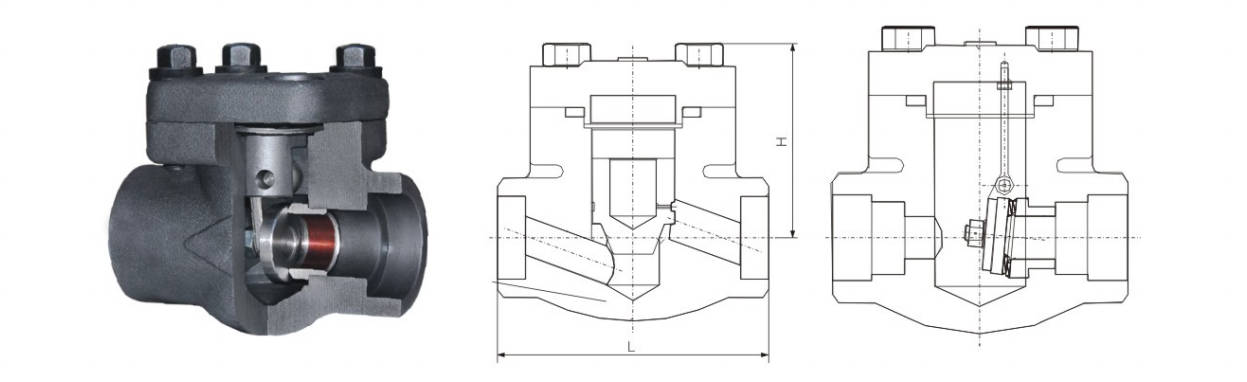
Class 800 (Piston type)
| DN Reduced (mm) | DN Full (mm) | NPS Reduced (in) | NPS Full (in) | L (mm) | H (mm) | Weight (kg) |
|---|
| 15 | 10 | 1/2 | 3/8 | 80 | 61 | 1.0 |
| 20 | 15 | 3/4 | 1/2 | 92 | 61 | 1.1 |
| 25 | 20 | 1 | 3/4 | 111 | 78 | 1.8 |
| 32 | 25 | 1-1/4 | 1 | 120 | 85 | 3.2 |
| 40 | 32 | 1-1/2 | 1-1/4 | 120 | 103 | 4.5 |
| 50 | 40 | 2 | 1-1/2 | 140 | 119 | 7.3 |
| 50 | 50 | — | 2 | 170 | 132 | 9.8 |
Class 1500 (Fasten the opening type)
| DN Reduced (mm) | DN Full (mm) | NPS Reduced (in) | NPS Full (in) | L (mm) | H (mm) | Weight (kg) |
|---|
| 15 | 10 | 1/2 | 3/8 | 111 | 79 | 3.3 |
| 20 | 15 | 3/4 | 1/2 | 111 | 79 | 3.6 |
| 25 | 20 | 1 | 3/4 | 120 | 96 | 4.3 |
| 32 | 25 | 1-1/4 | 1 | 140 | 105 | 6.0 |
| 40 | 32 | 1-1/2 | 1-1/4 | 140 | 120 | 8.7 |
| 50 | 40 | 2 | 1-1/2 | 160 | 140 | 12.5 |
| 50 | 50 | 3/8 | 2 | 220 | 160 | 16.0 |
Manufacturing Process
Step 1: Order and Design
Based on the pressure level, connection method, size standards and operating conditions provided by the customer, the technical parameters of the forged steel check valve are confirmed, and the drawing design, material selection and production process assessment are completed.
Step 2: Forging & Casting
The main pressure-bearing components such as the valve body and valve cover are usually formed by forging to ensure that the forged steel check valve has higher strength, density and pressure resistance. After the forging process, the parts undergo heat treatment to improve the material's structure and mechanical properties.
Step 3: Machining
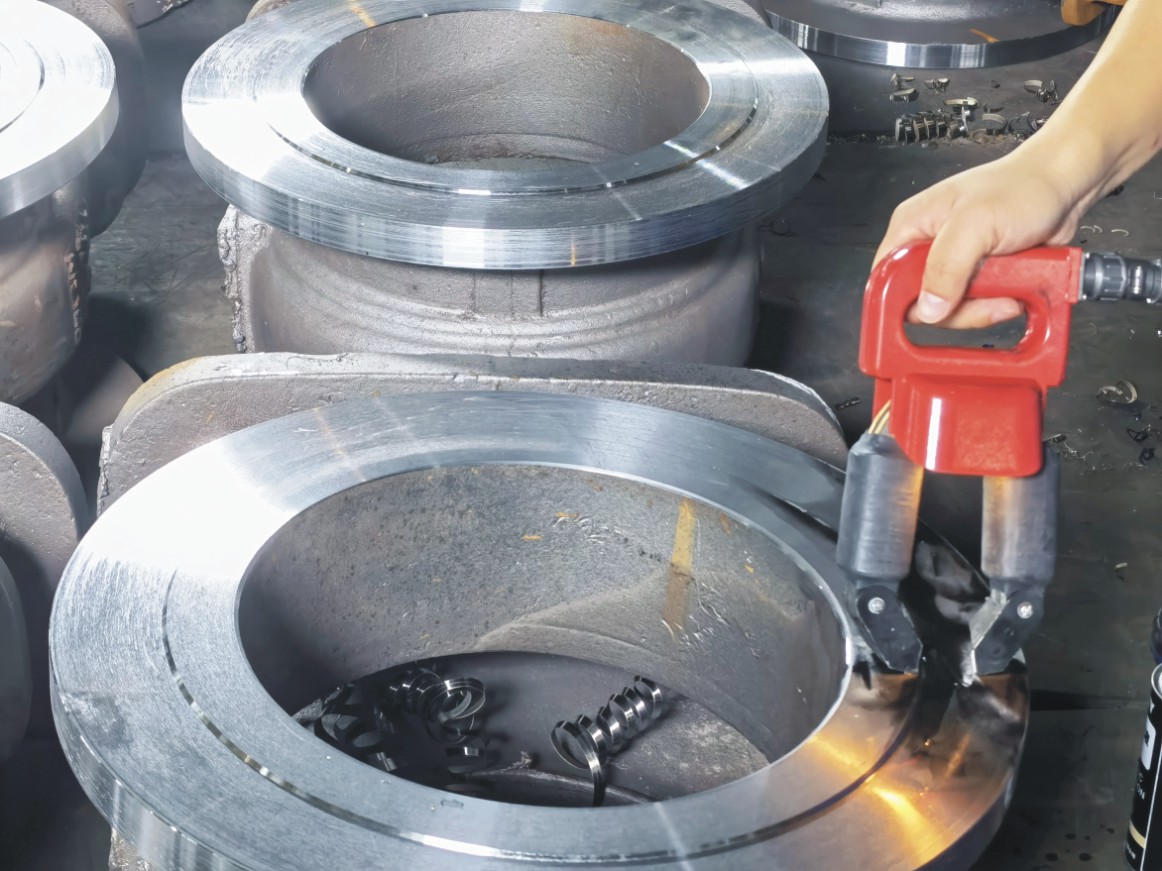
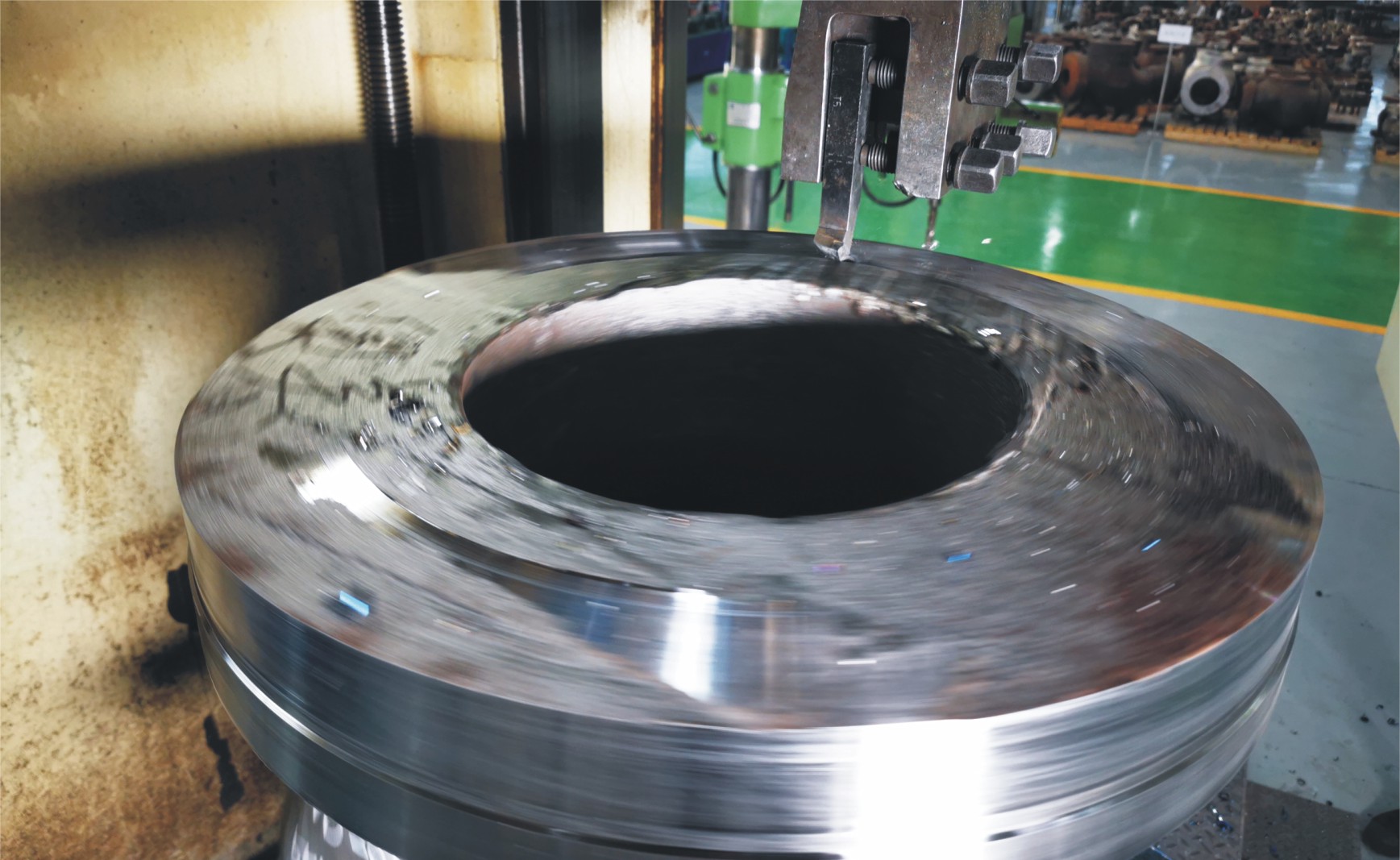
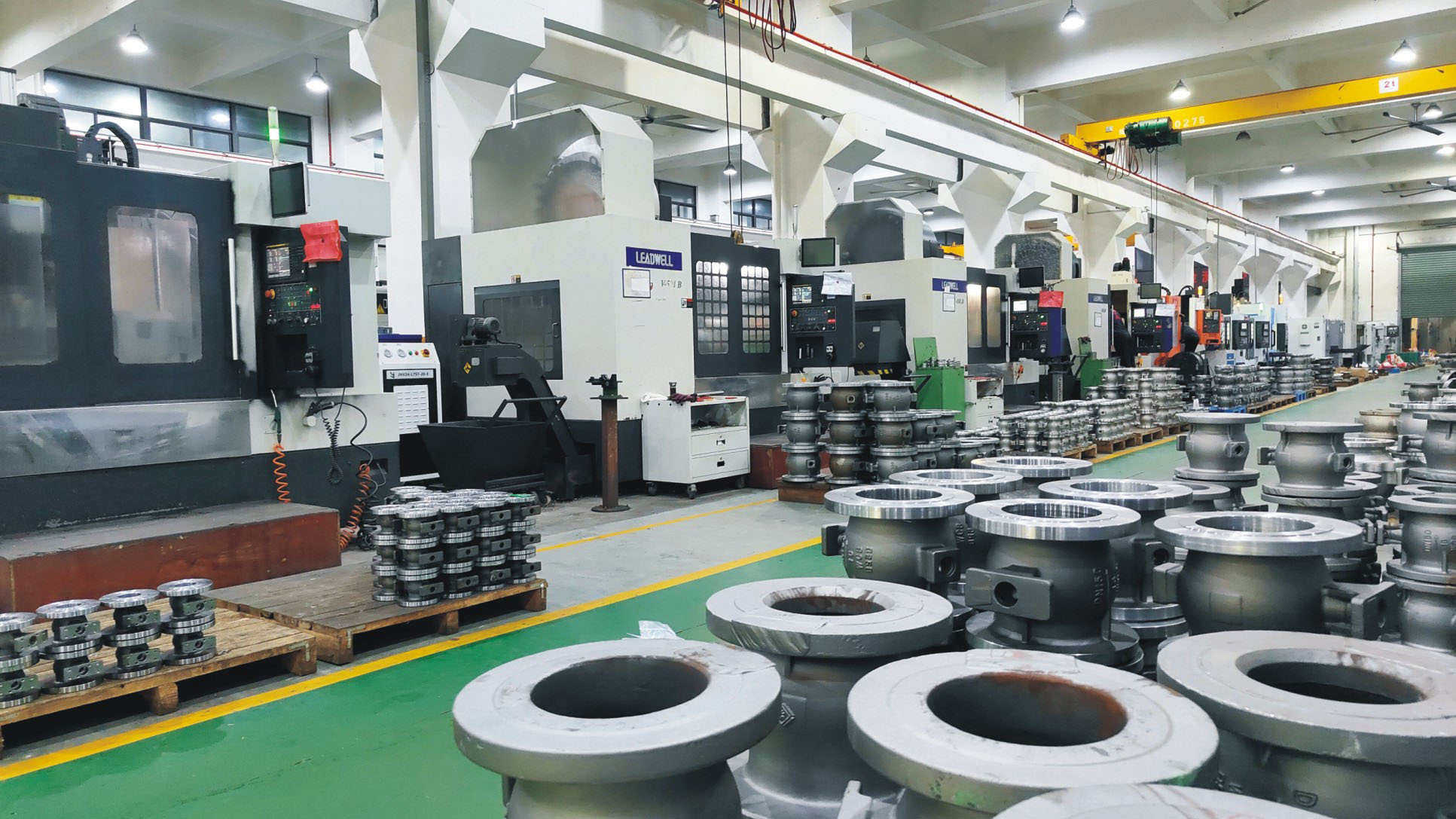
Carry out mechanical processing on the forged components, including turning, drilling, boring, sealing surface processing and flange end face treatment, to ensure that the size accuracy, fit tolerance and sealing performance of the forged steel check valve meet the standard requirements.
Step 4: Assembly
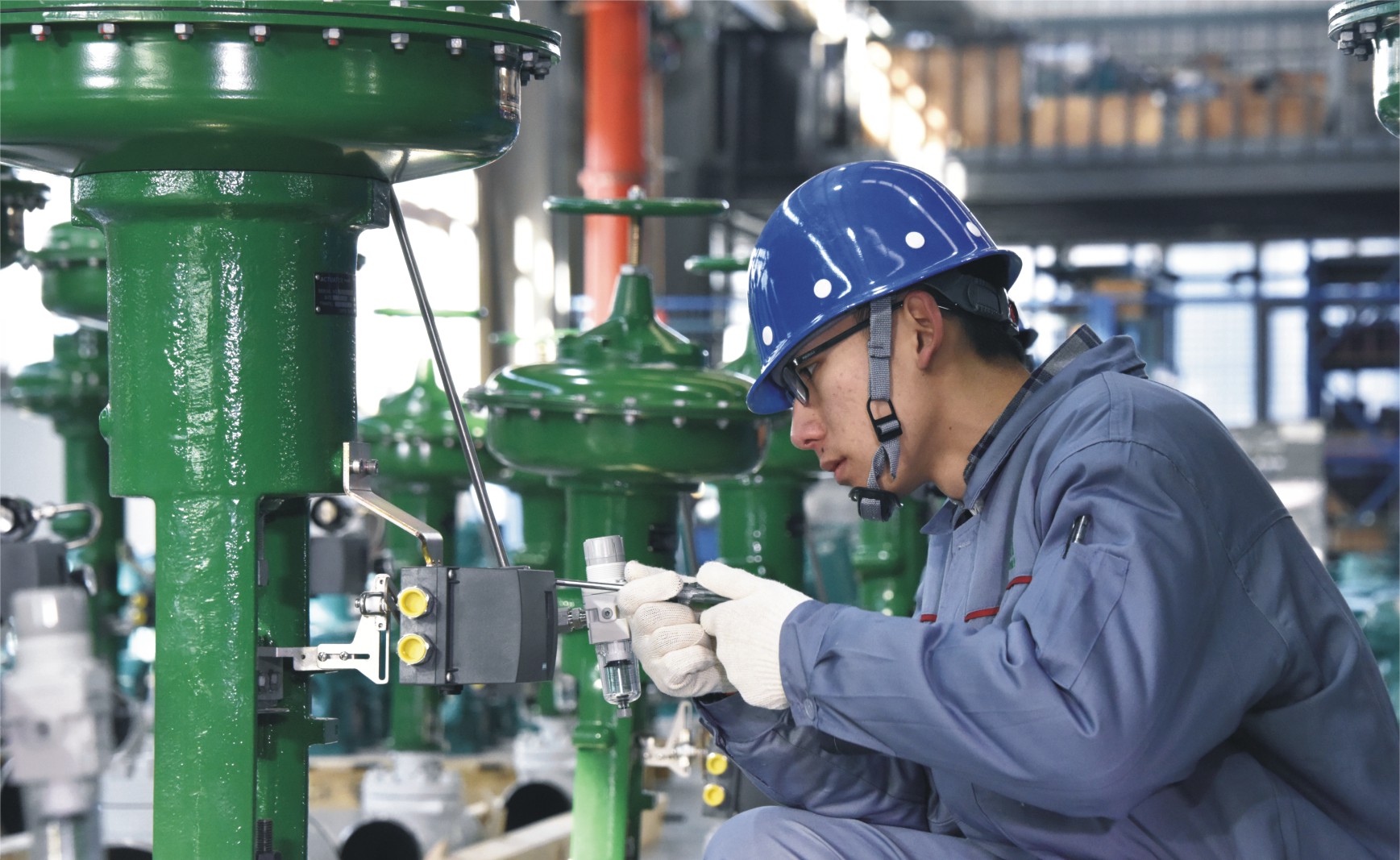
The valve disc, valve seat, valve cover, gasket and fasteners and other components are assembled in accordance with the process requirements to ensure that the opening and closing actions are flexible, the internal fit is accurate, and the entire forged steel check valve structure is stable and reliable.
Step 5: Testing & Quality Assurance
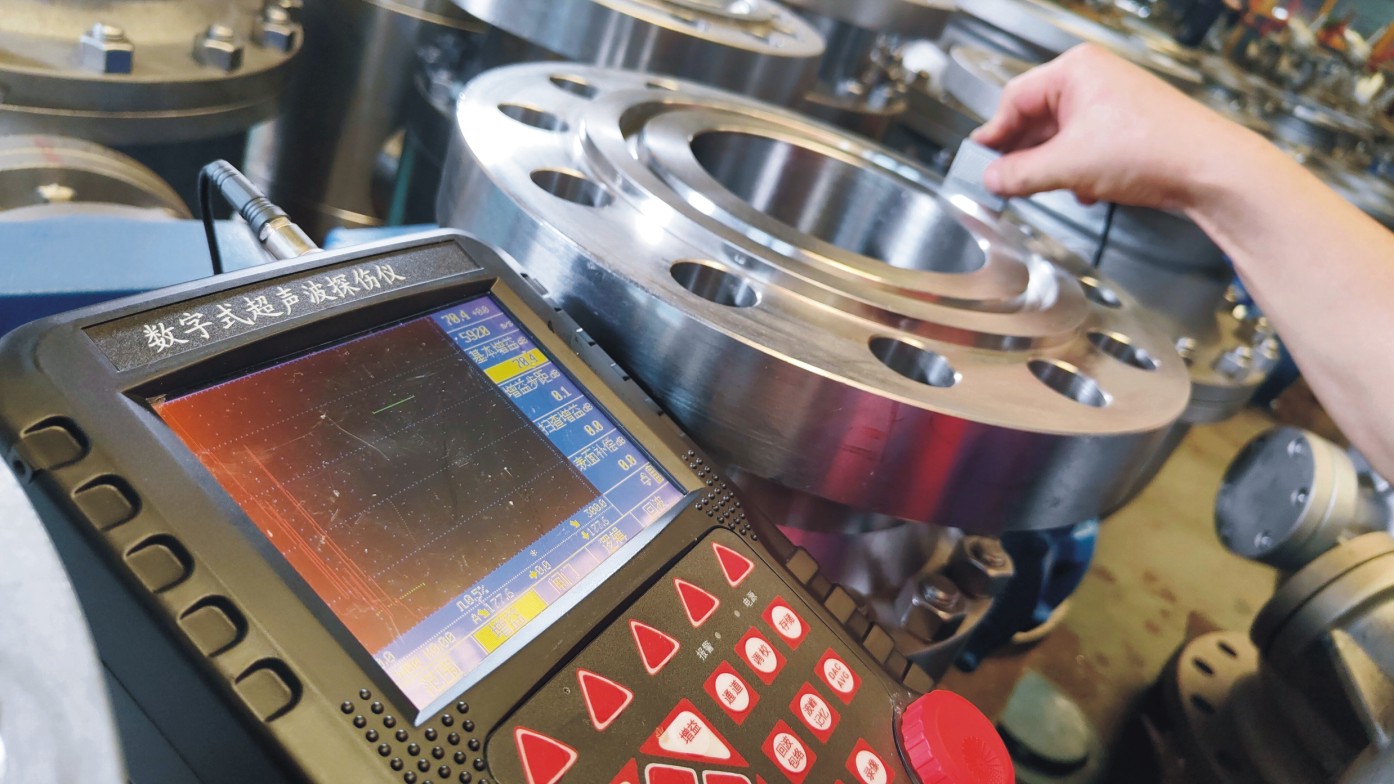
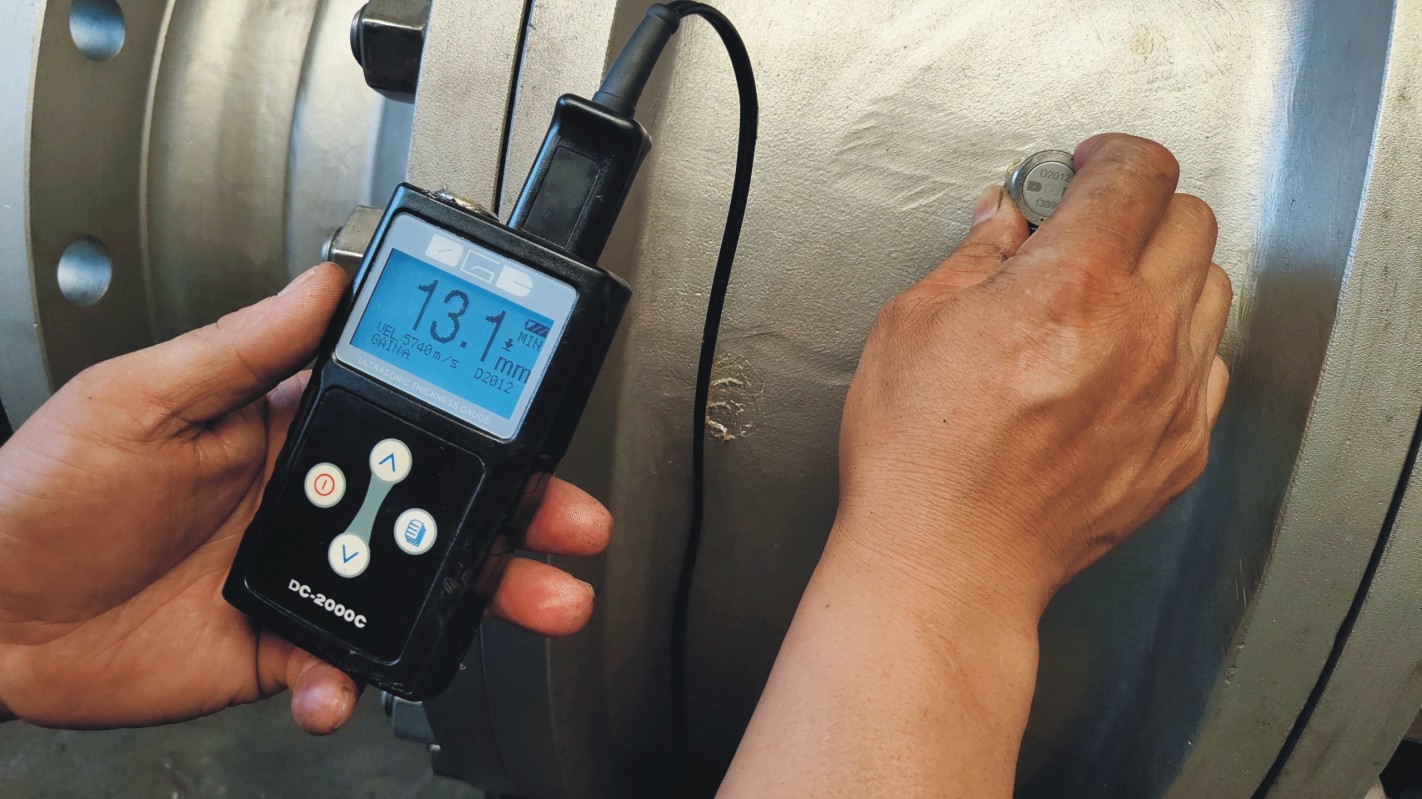
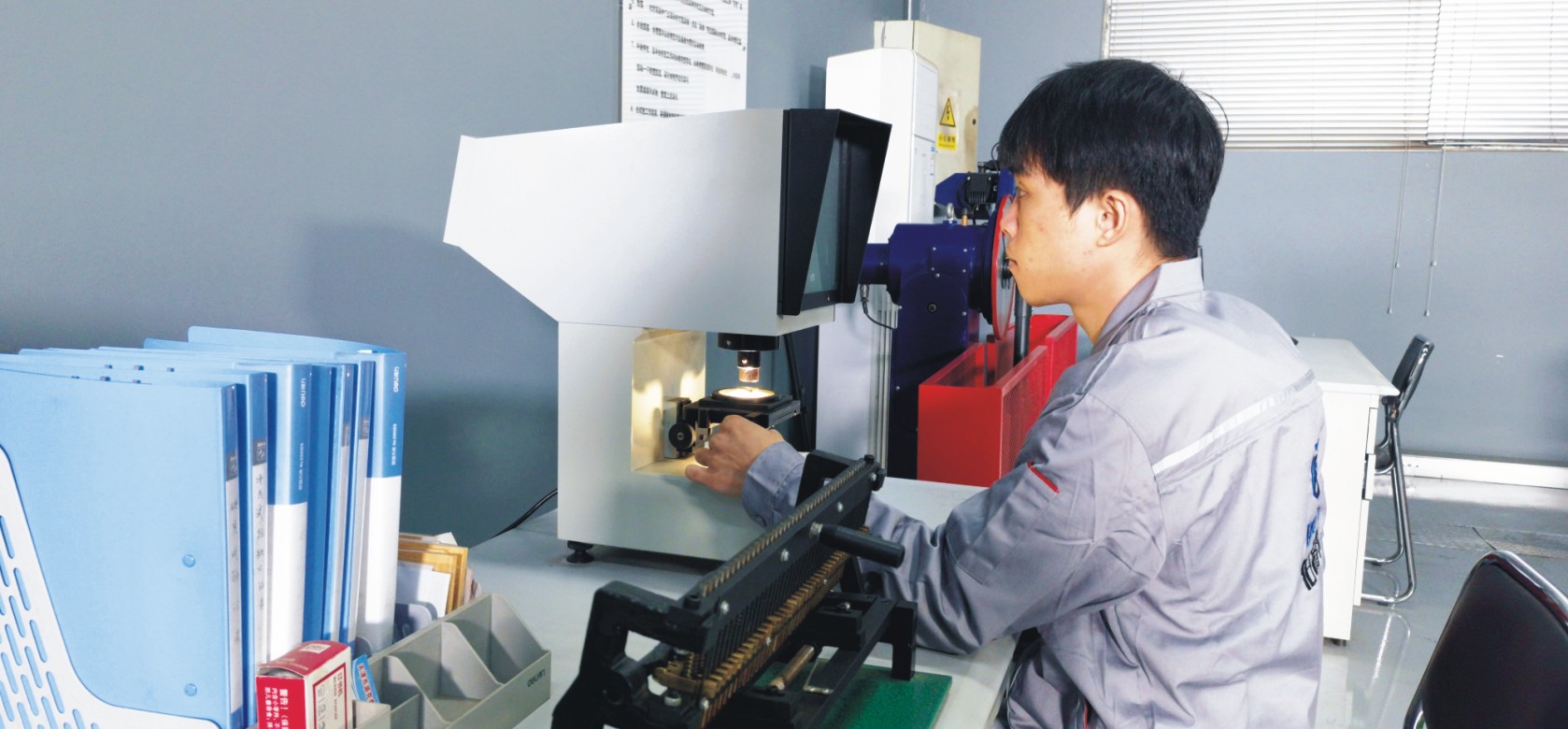
After assembly is completed, the forged steel check valve undergoes shell strength testing, sealing test and appearance inspection. At the same time, the dimensions, material reports and pressure ratings are checked to ensure that the product meets the relevant standards and customer requirements.
Step 6: Painting and Finishing
After the product passes the inspection, surface cleaning, rust prevention treatment, painting, marking printing and final packaging are carried out to make the valve appearance neat and facilitate transportation, storage and on-site installation.
Applications
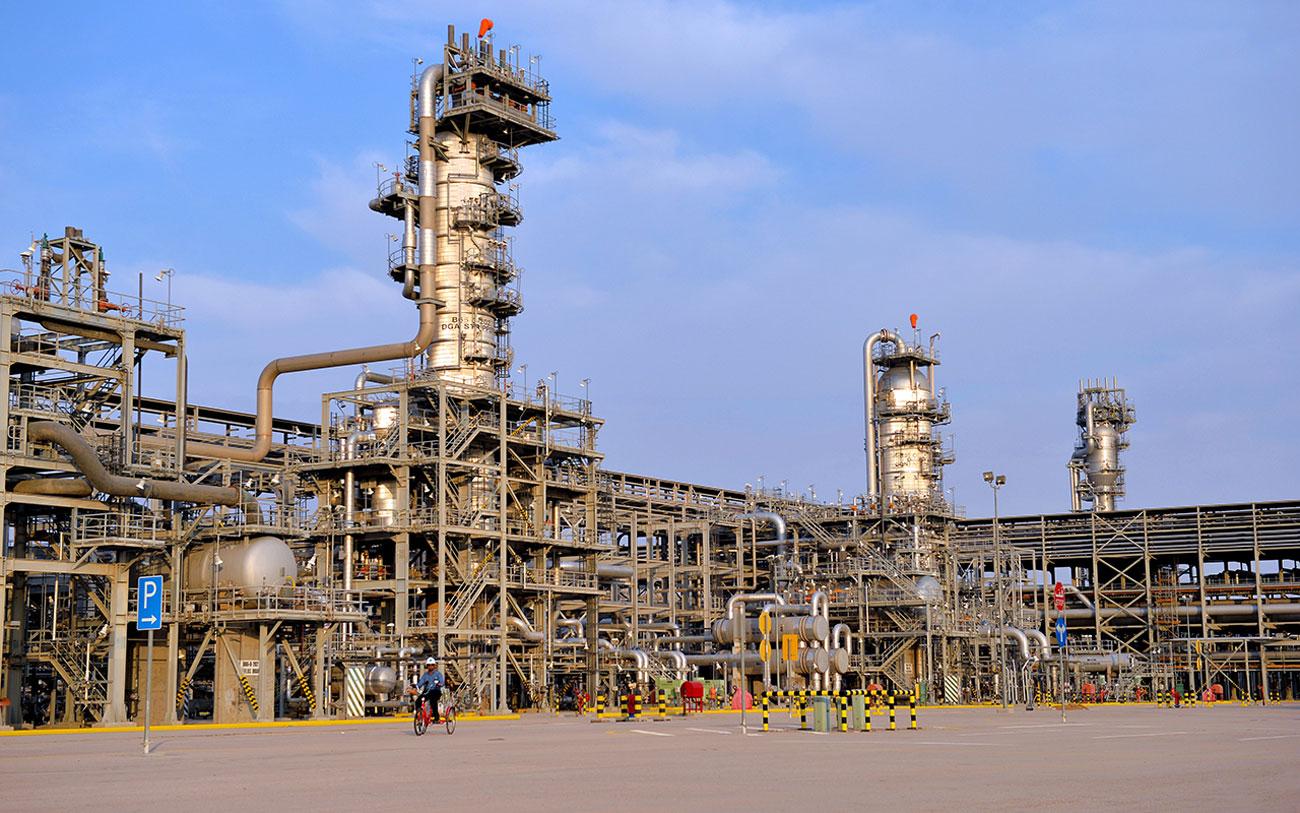
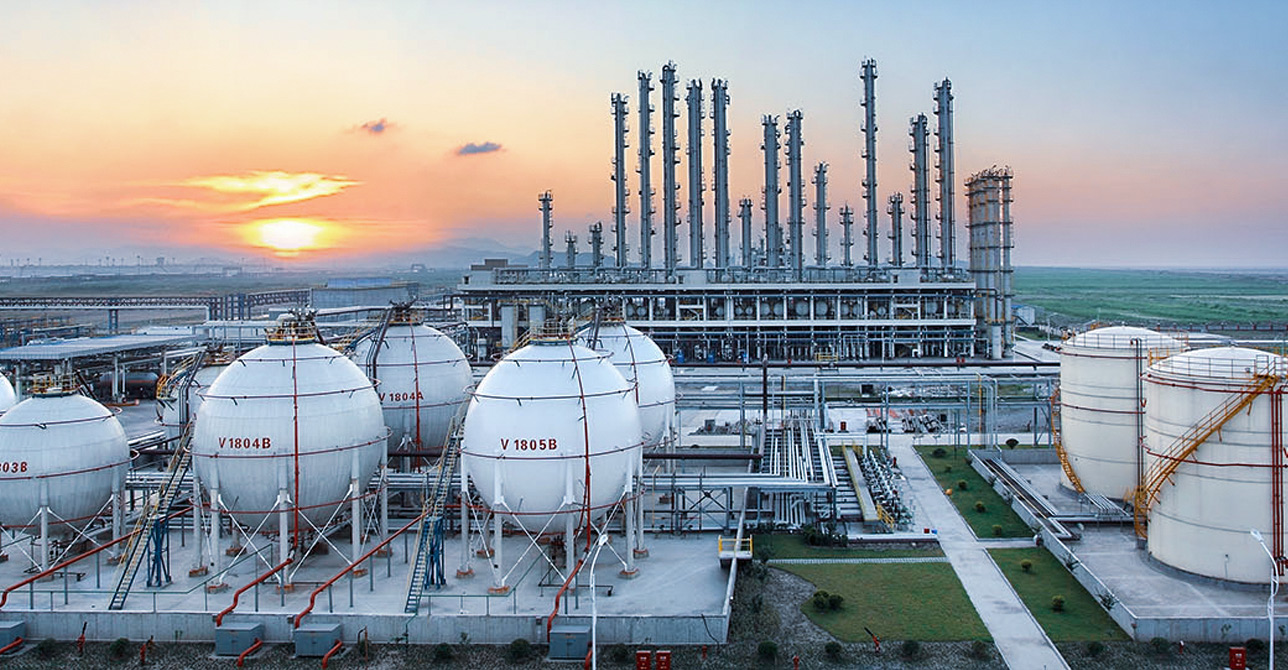
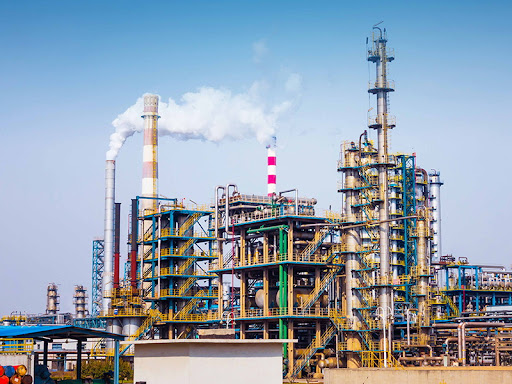
In the petrochemical industry, forged steel check valves are widely used at key nodes such as cracking units and catalytic units. Their high-temperature resistance ensures stable sealing even at a temperature of 580℃, and the special surface hardening treatment technology can resist corrosion from substances like hydrogen sulfide.
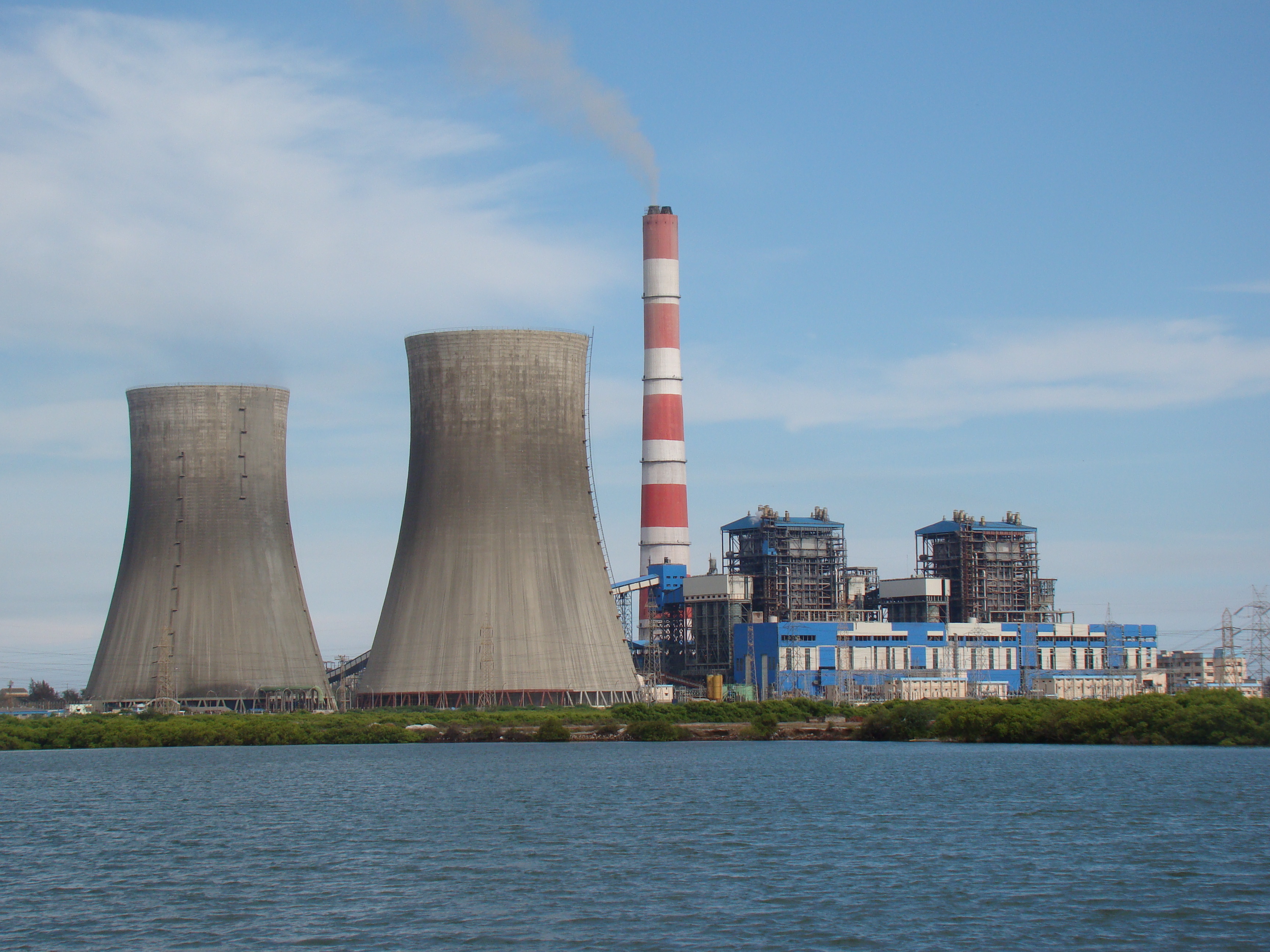
The power industry also relies on such valves to ensure system safety. The forged steel check valves used in the main feedwater system of nuclear power plants, equipped with a spring-assisted closing mechanism, can complete an emergency shut-off within 0.3 seconds. The usage record of a 100-megawatt unit shows that after 18,000 hours of continuous operation, the valve's sealing performance still maintained over 98% of the factory standard.
These valves are widely used in:
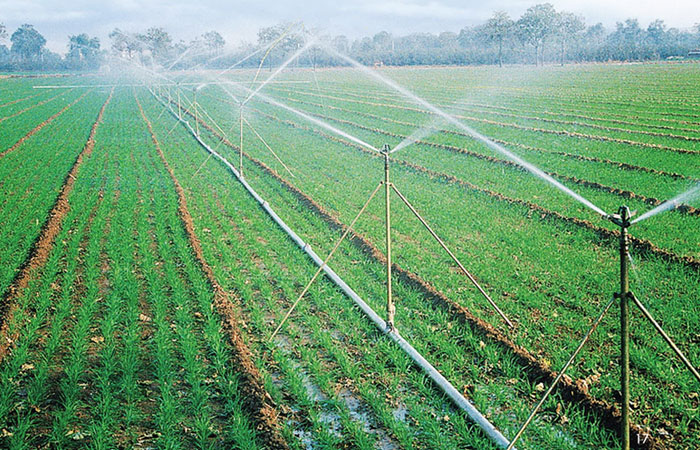
Agriculture and Irrigation
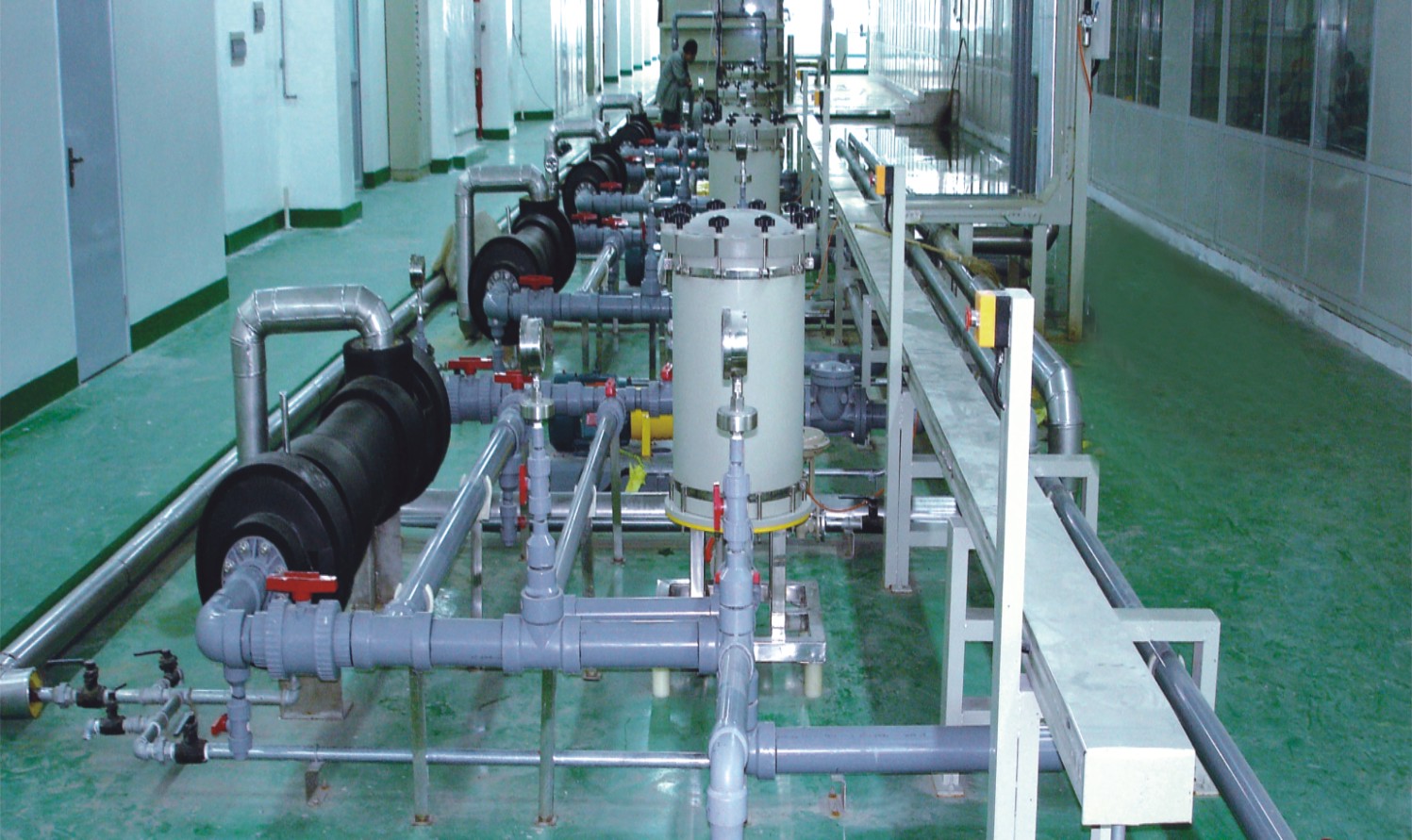
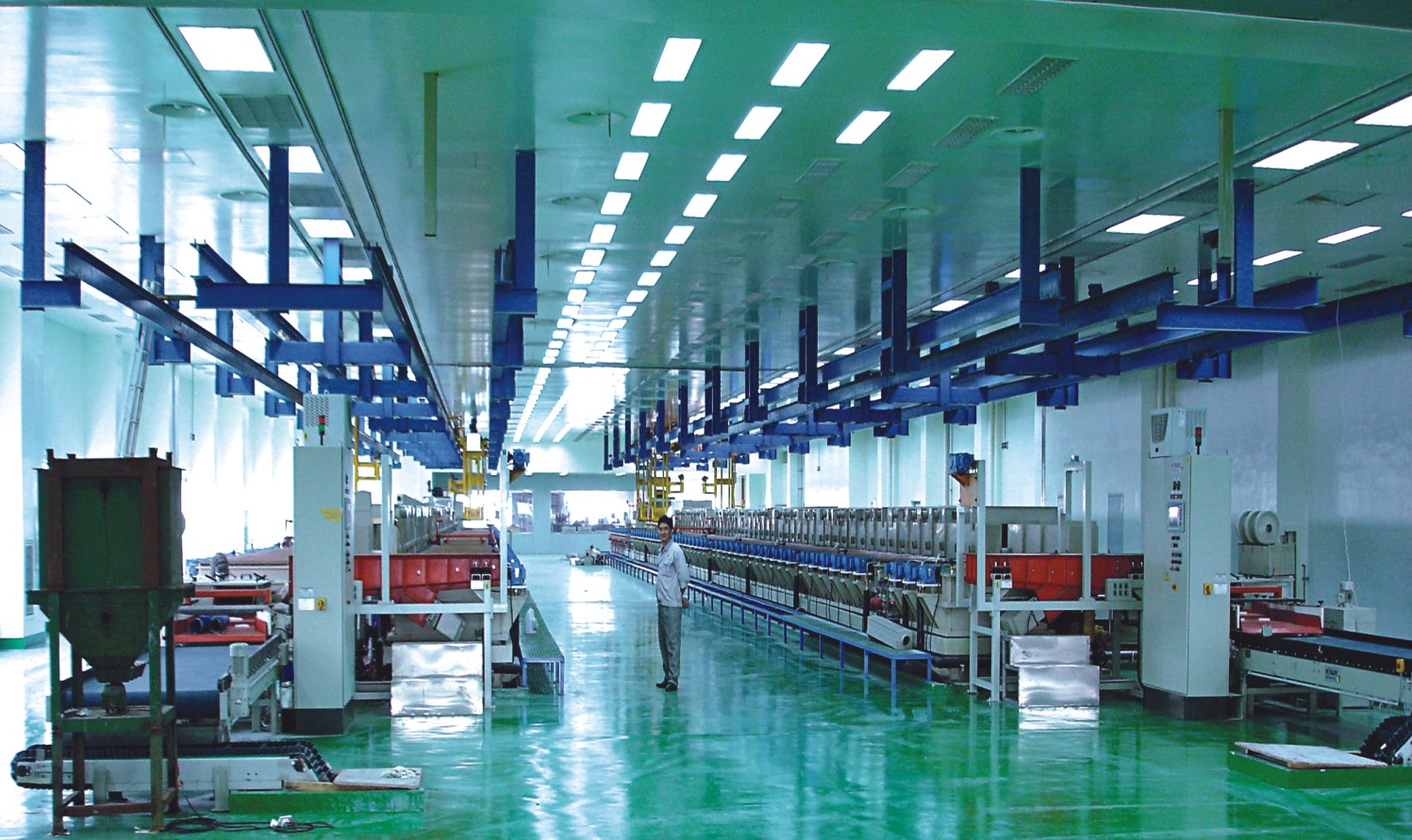
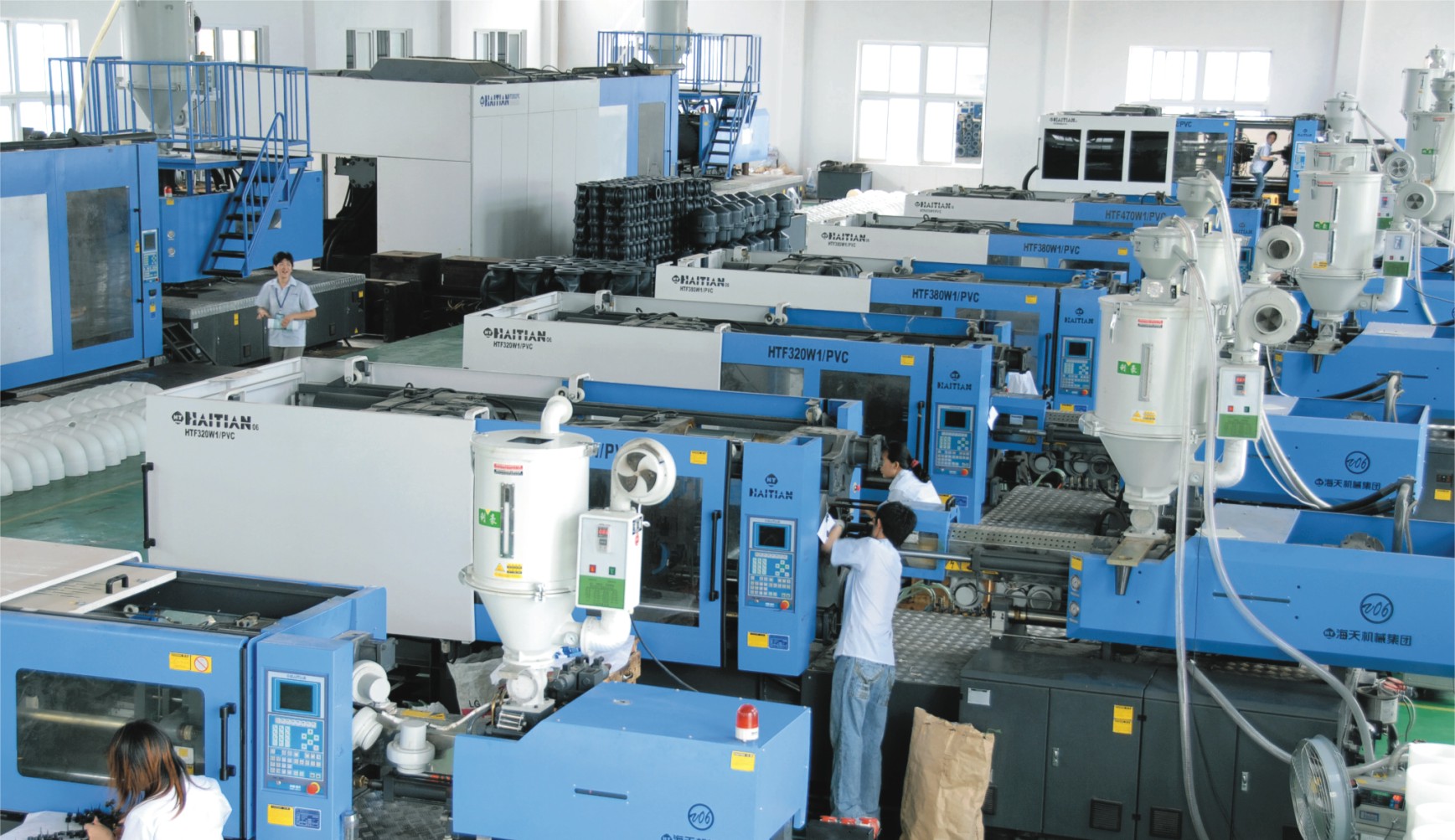
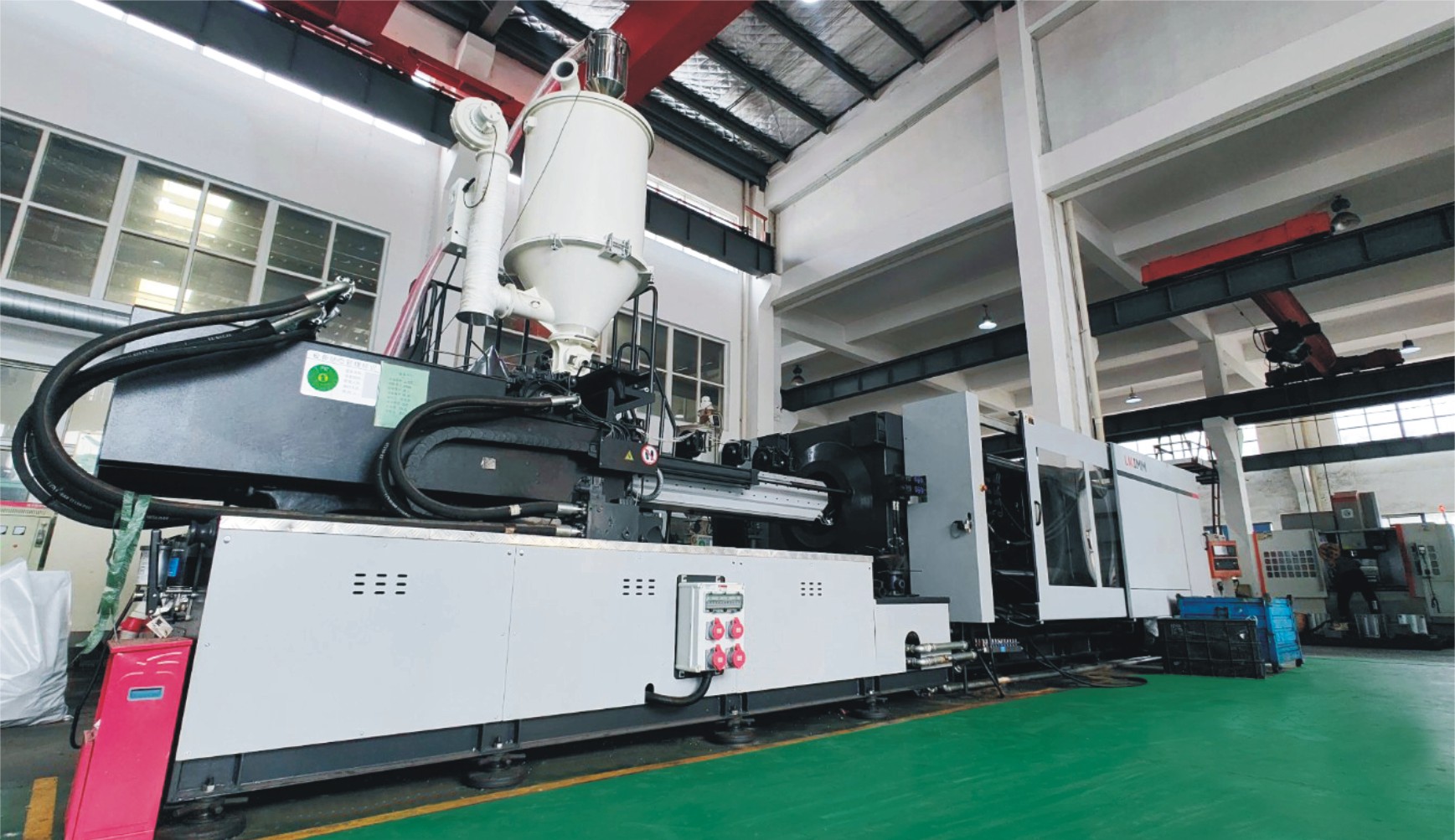
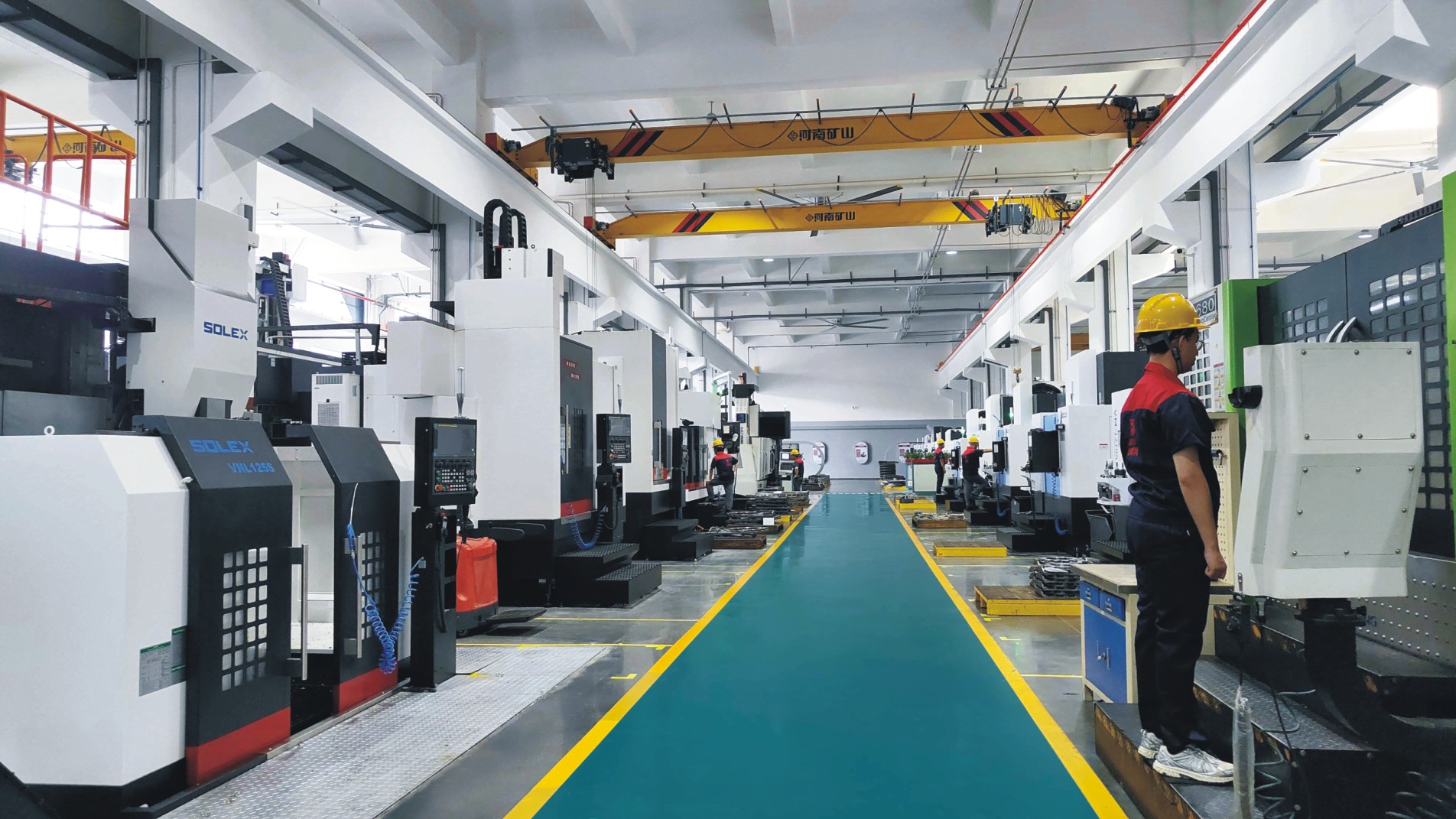
Factory Environment
Why Choose Us
Superior Quality
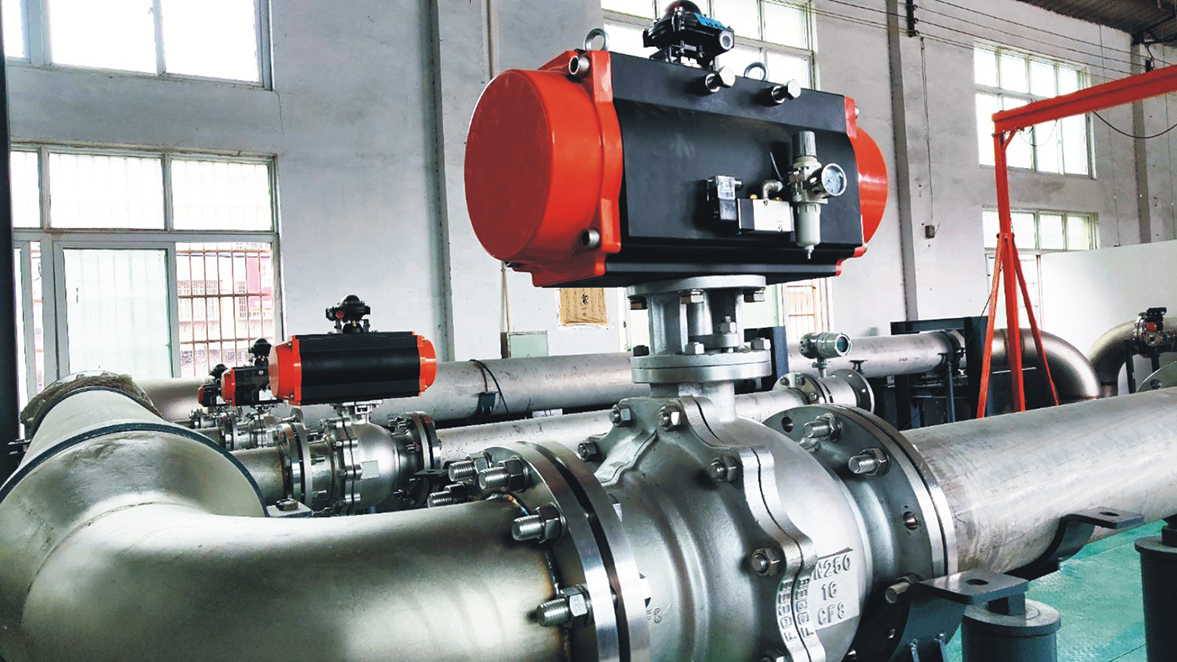
Our valves are manufactured using premium materials and undergo rigorous quality testing to ensure reliable performance in demanding industrial applications.
Advanced Technology
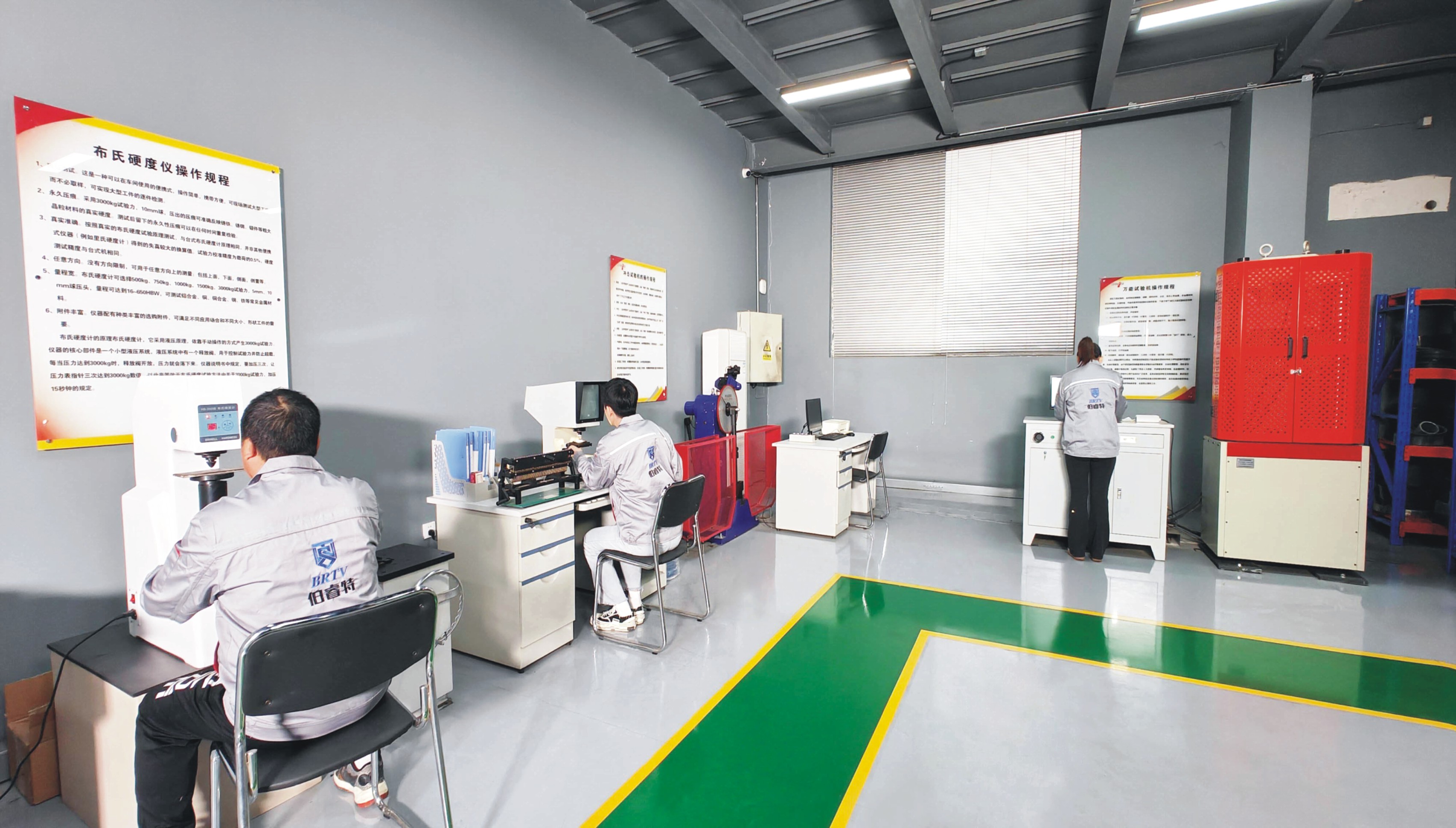
Equipped with state-of-the-art CNC machining centers and precision manufacturing equipment, we deliver valves with exceptional accuracy and consistency.
Competitive Pricing
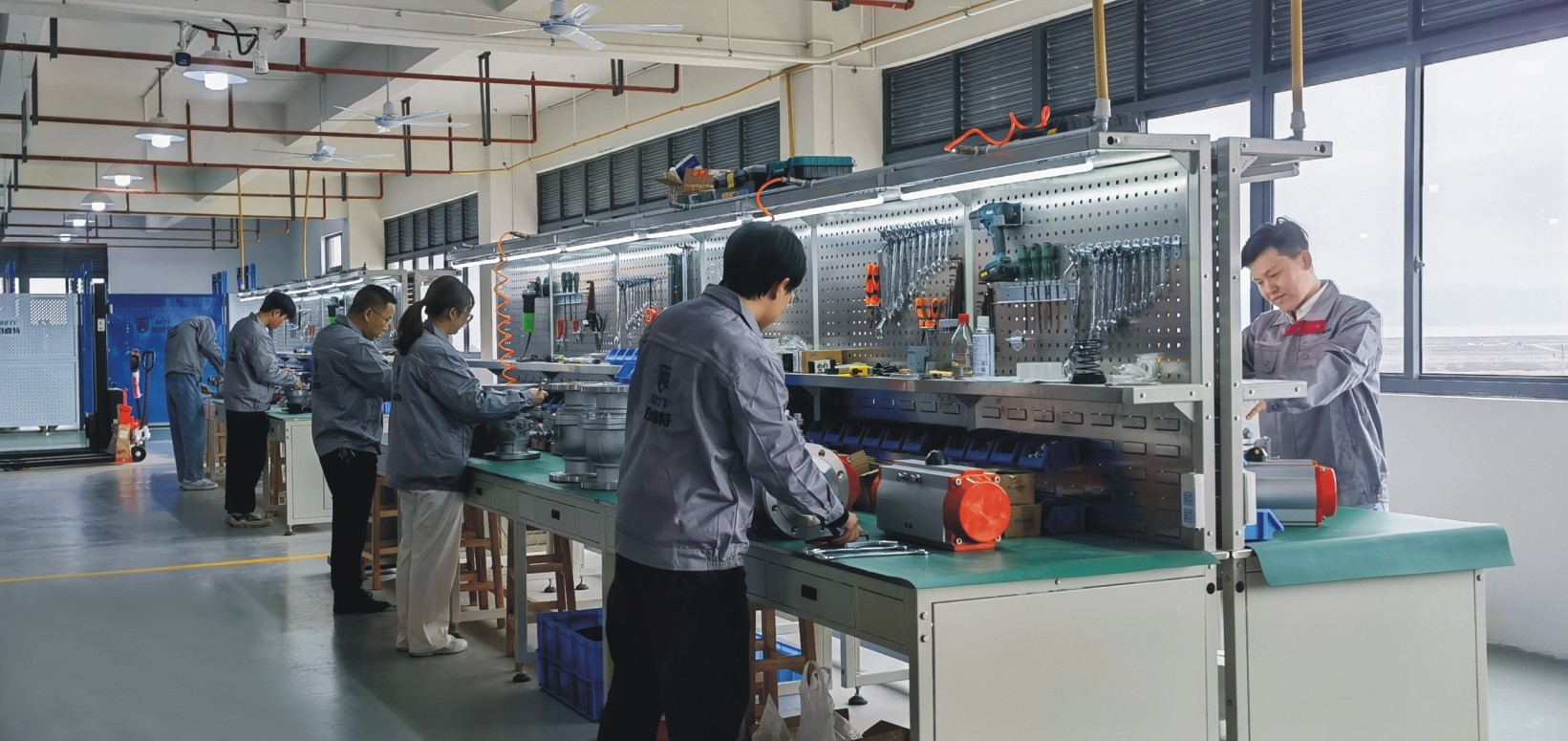
Through optimized manufacturing processes and bulk material procurement, we offer high-quality valves at competitive prices without compromising on quality.
Expert Support
Our experienced technical team provides comprehensive support from product selection to after-sales service, ensuring optimal valve performance for your specific application.