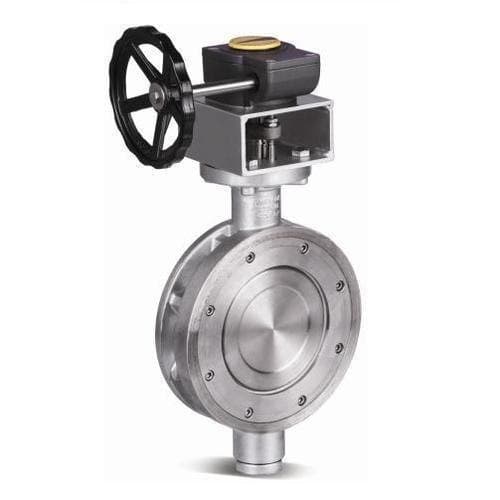
1. What is Wafer Butterfly Valve?
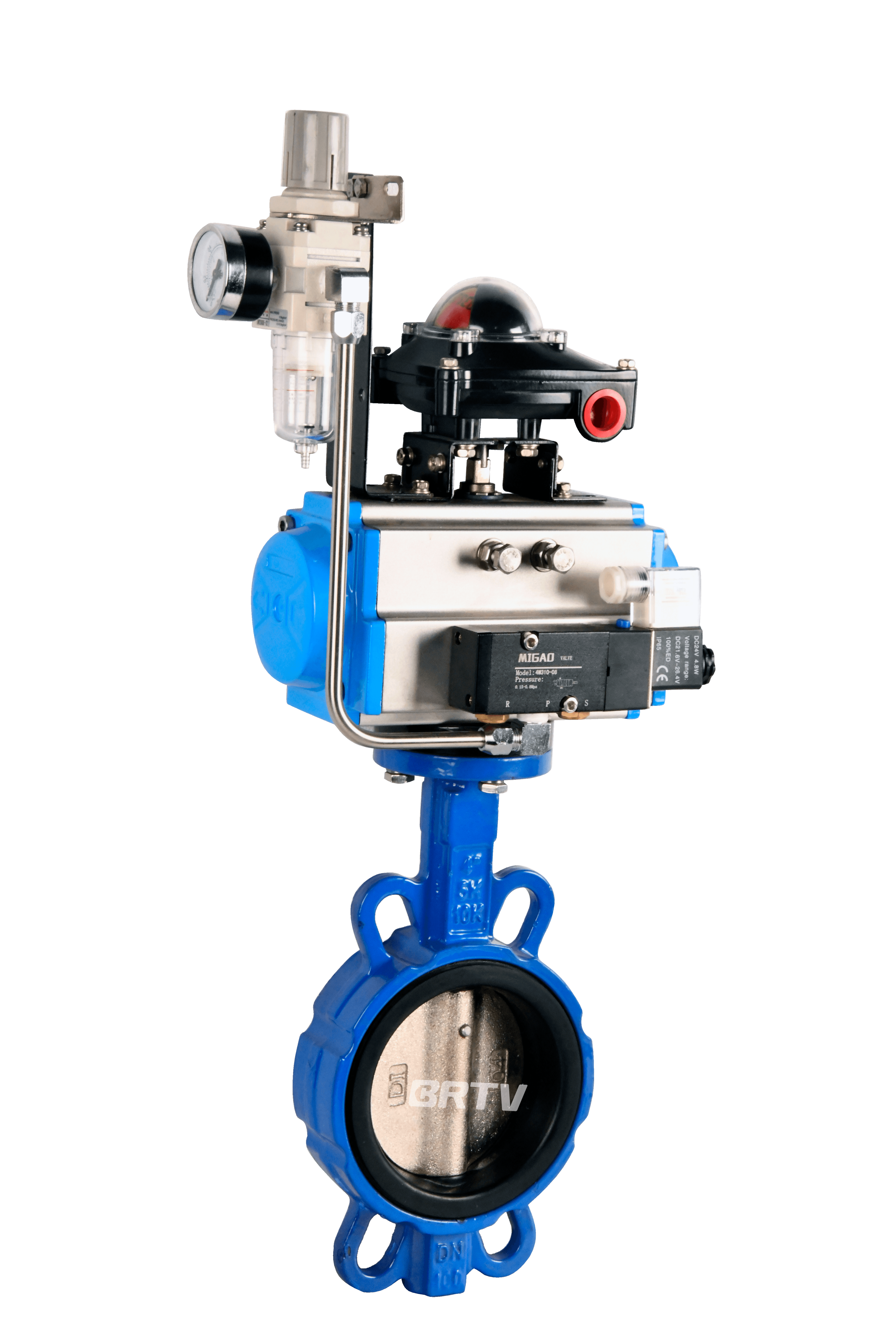
A Wafer Butterfly Valve serves as an essential flow management component within modern industrial piping networks. This specific design features a compact, circular body intended to be clamped between pipe flanges using long bolts, which provides a significantly shorter face-to-face dimension compared to traditional gate or globe designs. By utilizing a central disc that rotates around a stem, the equipment achieves rapid isolation and modulation of fluid media across various industrial sectors.
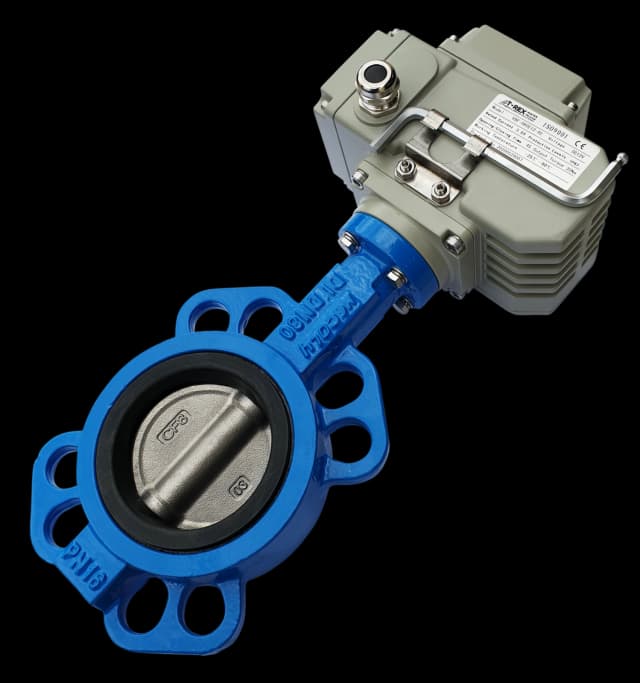
Fills this domain, and it is a piece of equipment that features high precision rotary mechanisms with flexible actuation options shaping how automation services across production line. A spanner wrench is used to secure the wafer-style valve into place, versus bulkier flanged alternatives. Built to meet the most demanding international specifications for strength, including GB, ANSI. JIS and DIN due having matching global infrastructure This gadget serves a reliable purpose in handling pure water to extremely acidic chemicals, whether set for manual use or remotely regulated by the complex pneumatic or electric control systems.
2. How this Rotary Device Works?
The operational mechanism of this clamped flow controller relies on the rotational synergy between the actuator and the internal disc assembly. When the driving force—typically compressed air for pneumatic units or electrical signals for motorized versions—is applied, the stem transfers torque to the disc, causing it to pivot within the flow path.
The core operational stages are as follows:
- Opening Phase: As the actuator rotates the stem, the disc turns from a position perpendicular to the flow to one parallel to it. In this state, the media can pass through the body with minimal obstruction. The streamlined disc profile is designed to maintain high flow coefficients (Cv) while minimizing pressure drop across the system.
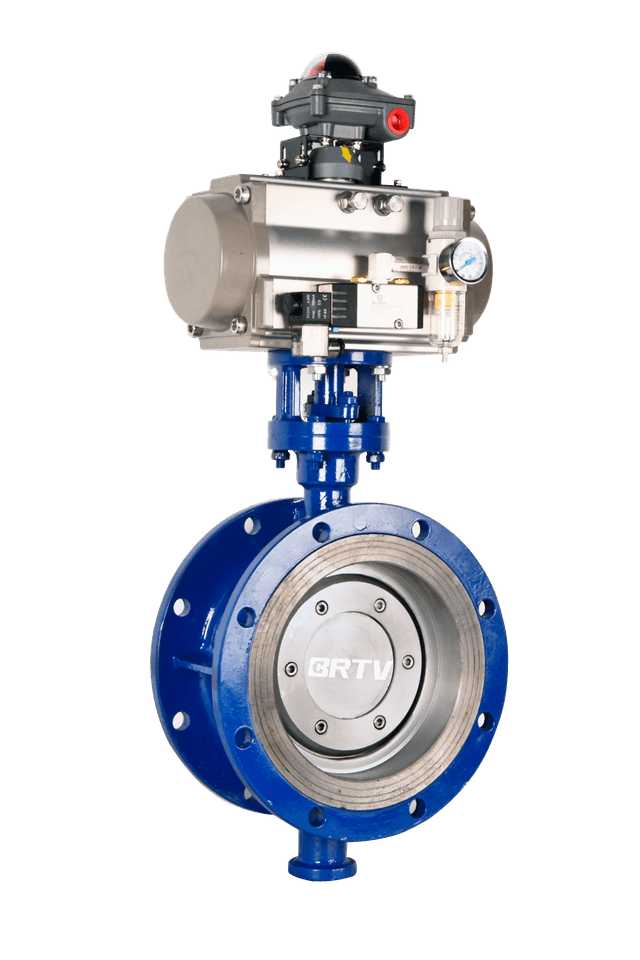
- Closing and Sealing Phase: A ninety-degree rotation in the opposite direction brings the disc edge into contact with the seat. In center-lined plastic units, an interference fit between the polymer disc and the elastic seat ensures a bubble-tight seal. In high-performance metal versions, a triple eccentric design is often employed. This configuration offsets the stem in three dimensions, allowing the disc to wedge into the seat only at the final moment of closure, which eliminates friction during the travel and significantly extends the life of the sealing surfaces.
- Actuation and Control: Many models utilize the AT or GT series pneumatic actuators. These units convert linear piston motion into rotational torque through a rack-and-pinion system. For precise modulation, accessories such as intelligent positioners are added to adjust the disc angle according to real-time process requirements.
3. Types of Wafer-style Units
3.1 Material and Body Classification
The choice of material is determined by the chemical properties and temperature of the handled media:
- Plastic Series: Constructed from advanced polymers like UPVC, CPVC, PPH, and PVDF. The UPVC models are ideal for water treatment at ambient temperatures, while PVDF units offer extreme chemical resistance and can operate in temperatures ranging from -40 to 140 degrees Celsius. These are preferred for semiconductor and lithium battery manufacturing due to their ability to prevent metal ion contamination.
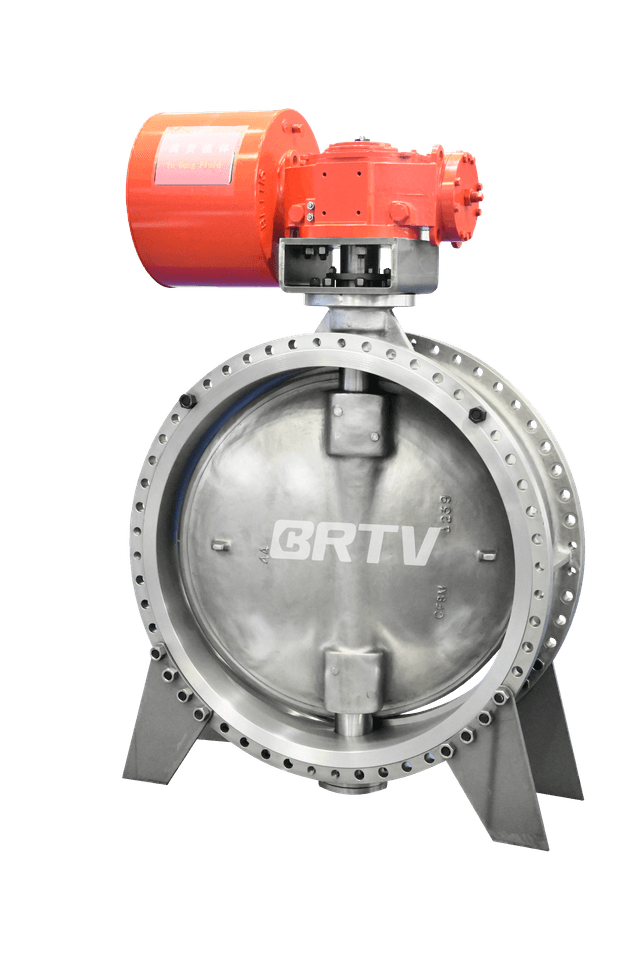
- Metal Series: Manufactured using carbon steel (WCB) or stainless steel alloys such as 304, 316, and 316L. These metal units are designed for high-pressure environments (up to PN25 or higher) and can withstand much higher thermal stresses than plastic counterparts.
- Lined Series: For applications requiring both mechanical strength and chemical inertness, fluorine-lined (PTFE or PFA) models are used. The metal body provides the structural integrity, while the inner lining protects all wetted parts from corrosive attack.
3.2 Structural and Sealing Variations
- Center-lined Soft Seal: Features a symmetrical disc and a resilient seat (EPDM, FPM, or PTFE), suitable for general purpose water and chemical services.
- Triple Eccentric Hard Seal: Utilizes a metal-to-metal sealing mechanism. This design is specifically engineered for high-temperature and high-pressure steam or oil applications where soft seals would fail.
4. Core Advantages of the Clamped System
The compact design of the wafer-style unit offers several distinct benefits for industrial operators:
- Compact Footprint: A short face-to-face dimension minimizes the valuable space required in multiport piping manifolds and reduces the total weight of the system which leads to lower structural support costs.
- Bi-Directional Sealing Capability: The design of the seat is precision-engineered to ensure high sealing integrity. Highly resistant fluoropolymers maintain resistance to high purity grades of aggressive chemicals, while providing the assurance that joints will not leak.
- ISO 5211 Top Flange: An ISO 5211 top flange is standard on most units so that actuators can be exchanged without additional modifications to the valve body.
| Component | Example Materials | Performance Advantage |
|---|
| Body | PVDF, CPVC, WCB, CF8M | Balances chemical resistance with structural rigidity |
| Internal Disc | PPH, SS316, SS304 | Optimized shape reduces turbulence and wear |
| Sealing Seat | PTFE, EPDM, FPM | Provides bubble-tight shut-off across various temperatures |
| Actuator | Aluminum Alloy (AT/GT) | Lightweight design with hard anodized protection |
5. Industrial Applications
Their appliance in countless of the most crucial industrial processes is a mark of their utility as well and rather fast runtime:
- Chemical and Pharmaceutical: Ideal for the exact dosing of acidic as well as alkaline solutions. The units of the PVDF and CPVC models find their success in fight against complex chemical mixture corrosive effect.
- Lithium Battery and Semiconductor: To control ultrapure water, electrolyte two characteristics of the highest degree CL lab environment square plastic units can be controlled to meet no introduction of metal impurities in production sites.
- Water treatment, Desalination: UPVC and PPH equipments are hugely used in sewage treatment as well desalination plants for their excellent chlorine resistance properties & economical is given the highest priority.
- Metallurgy & Power: Metal triple-eccentric models can be found in cooling water systems as well as steam lines where high temperatures and pressures are the norm, providing reliable isolation under severe service conditions.