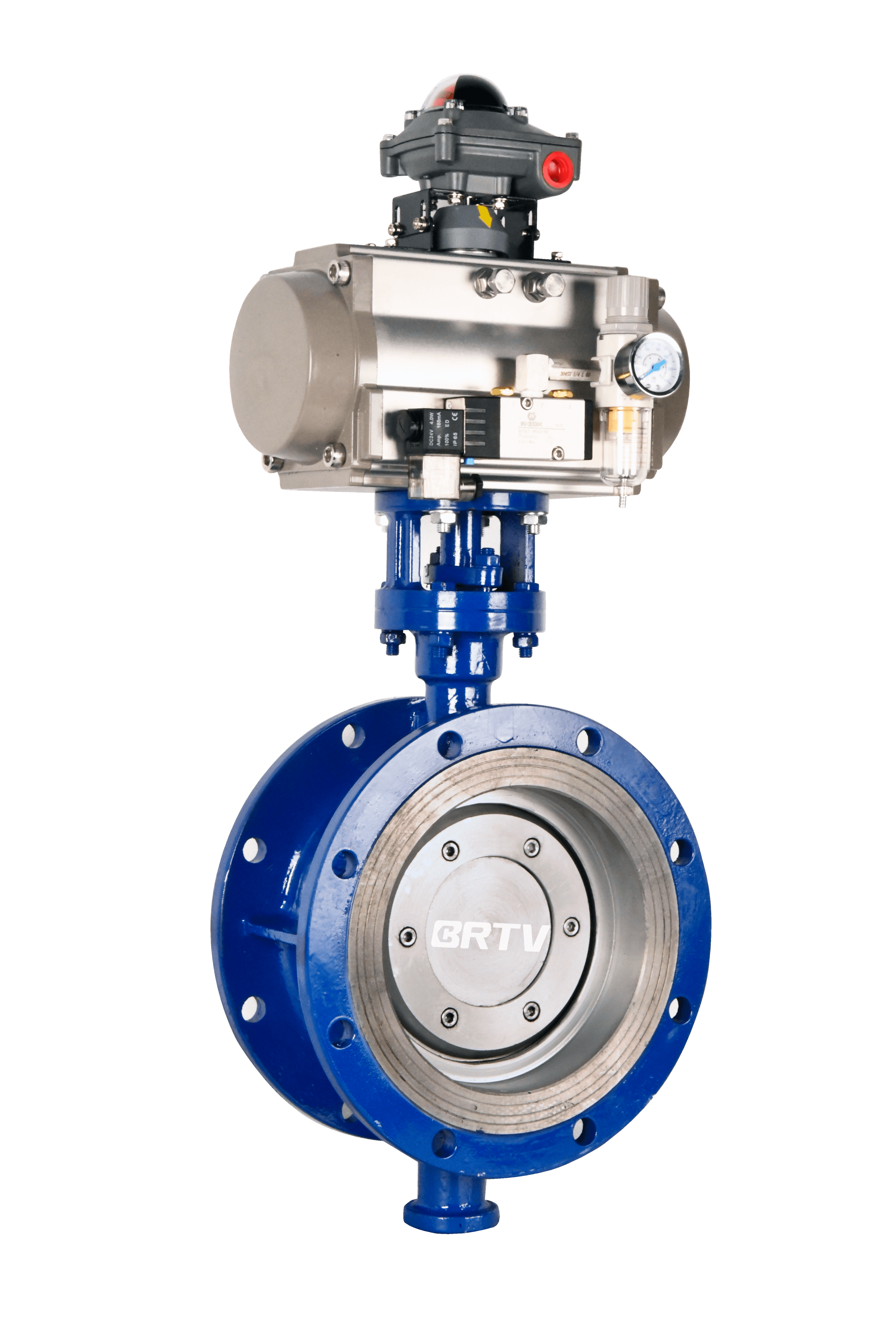
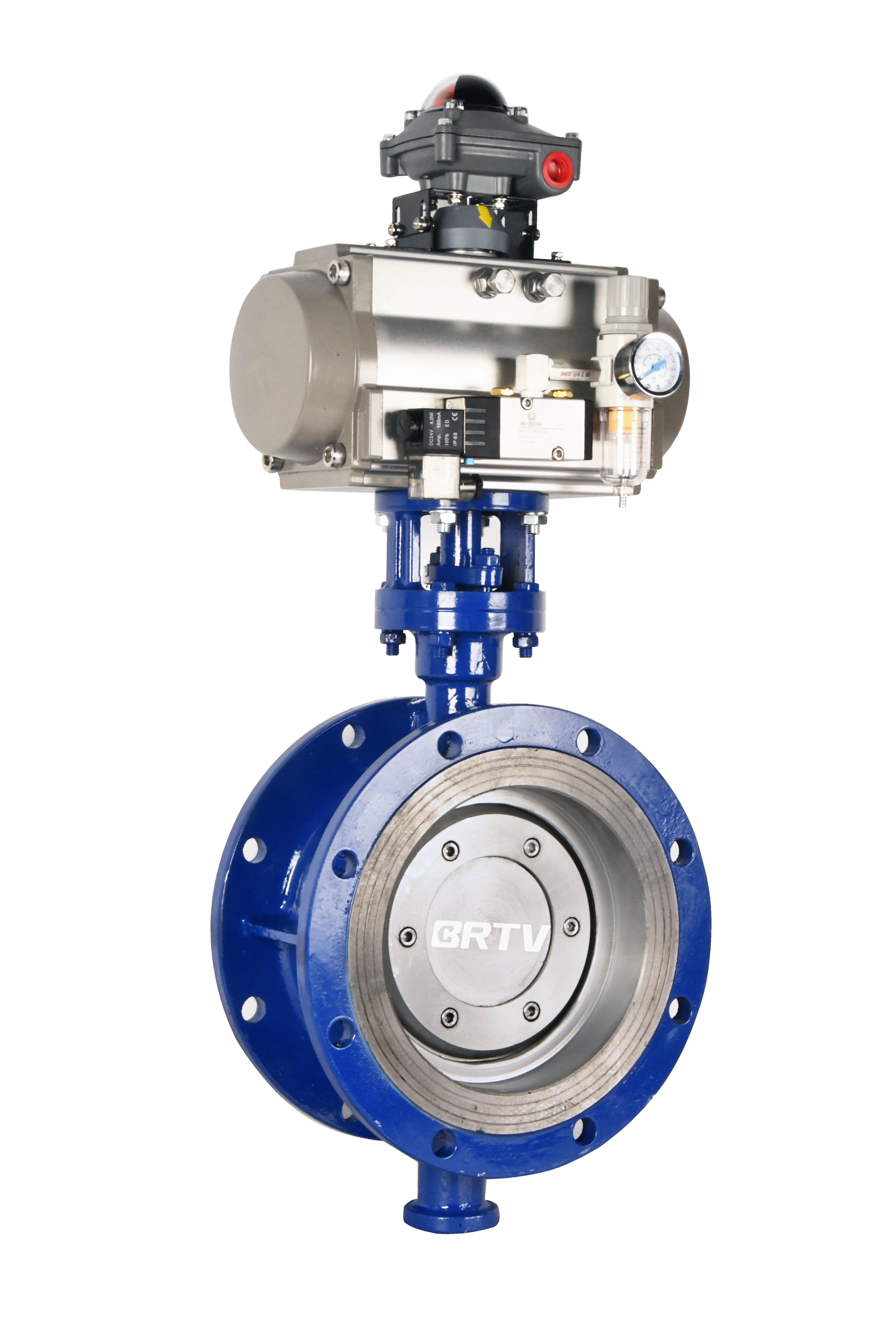
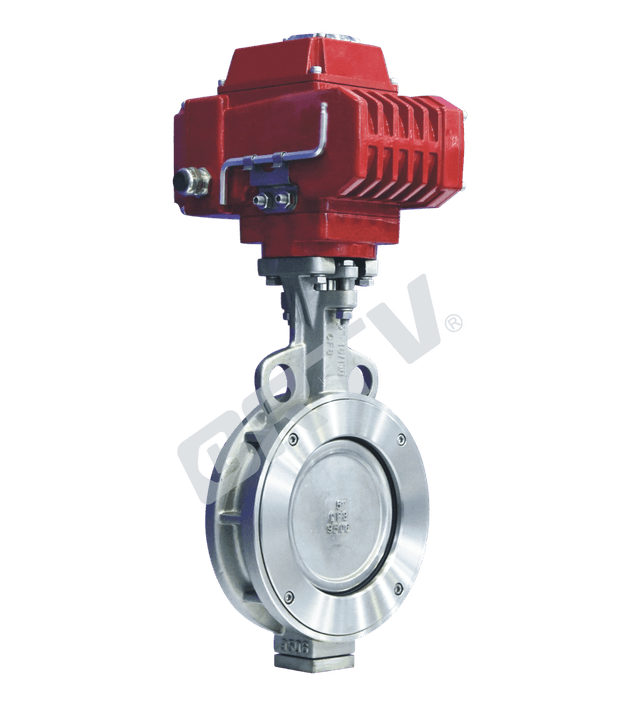
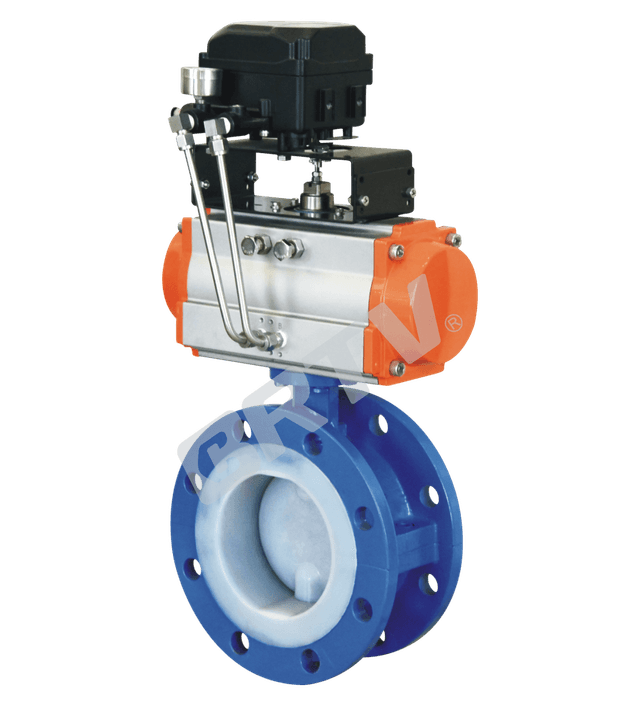
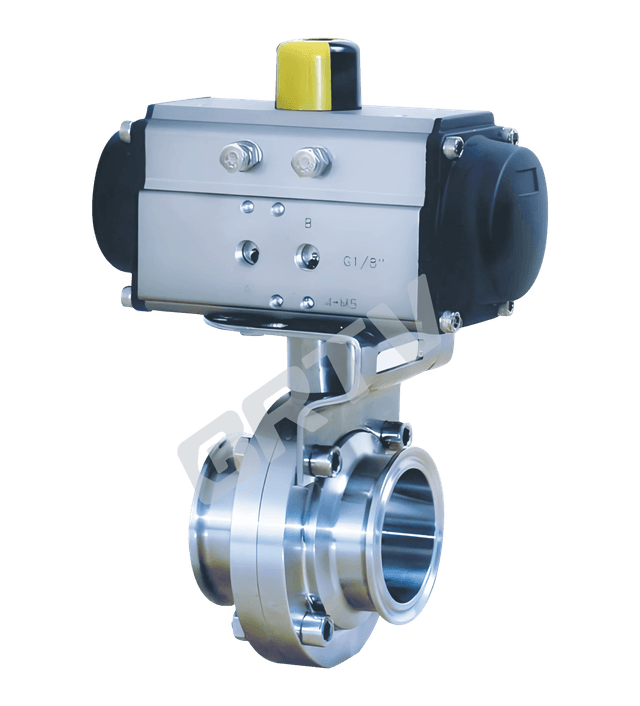
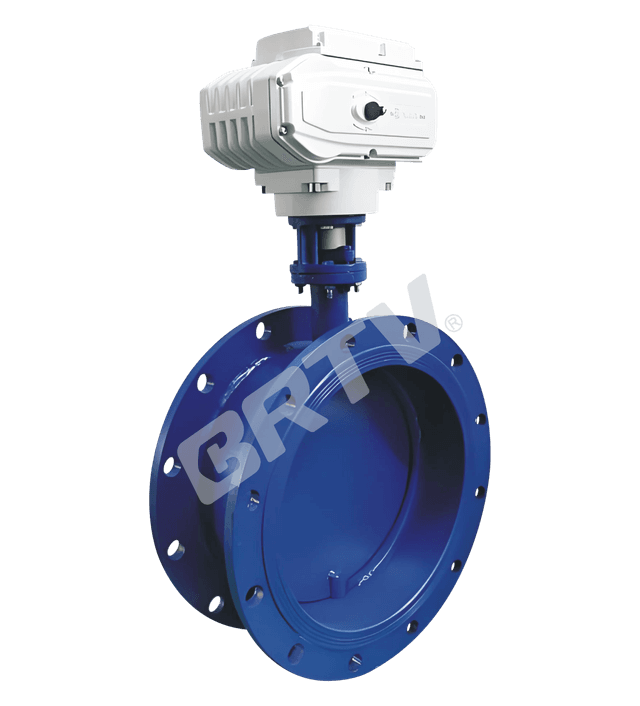
Expansion Flanged Butterfly Valve
Product Use
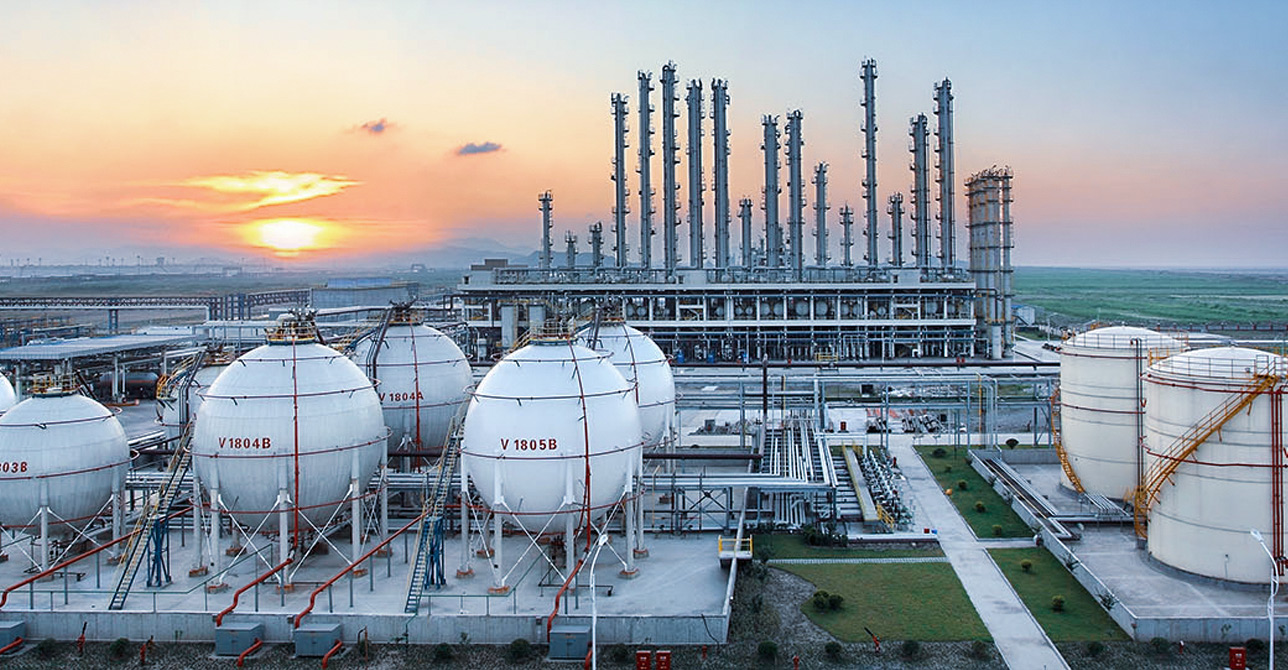
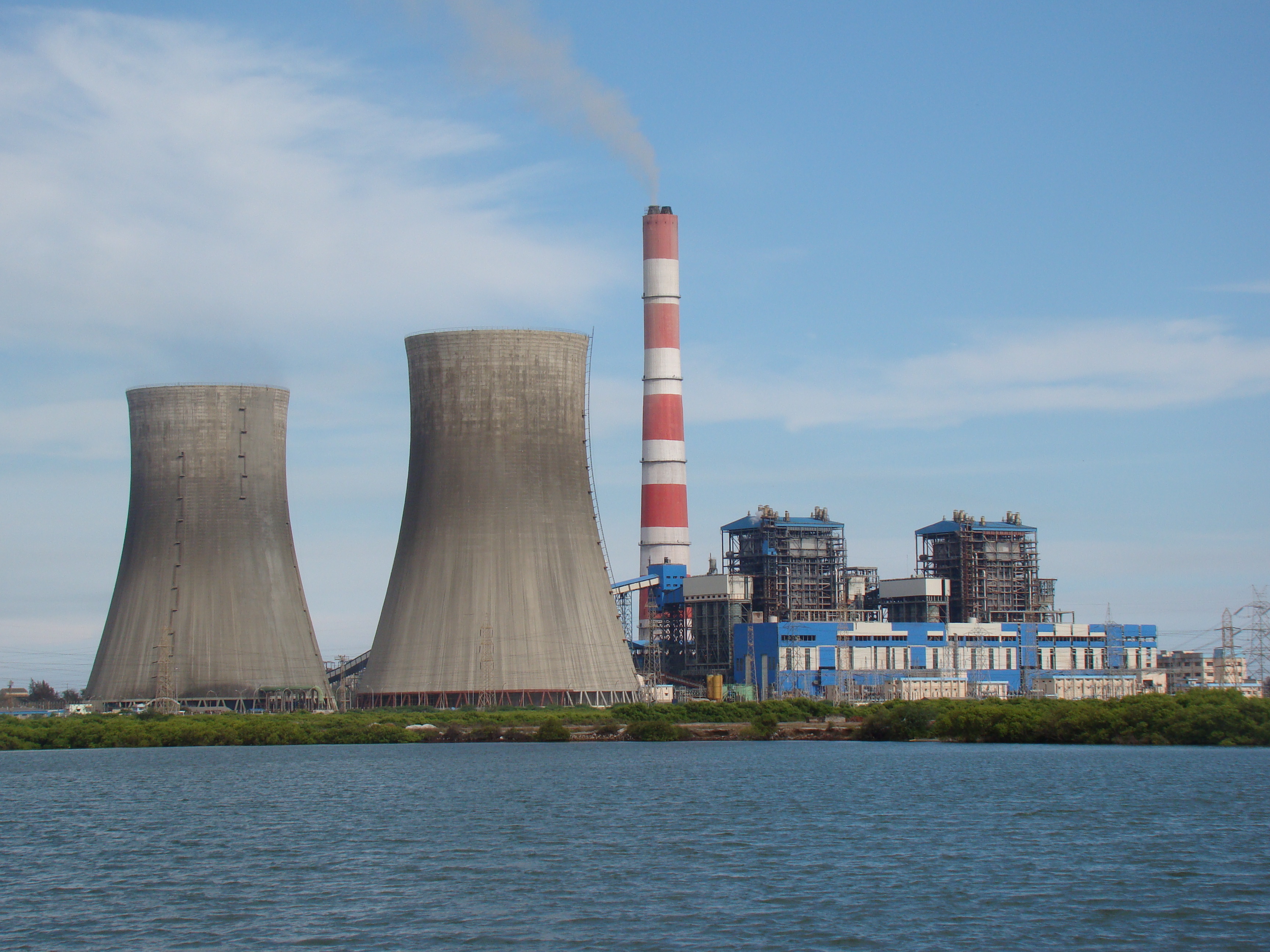
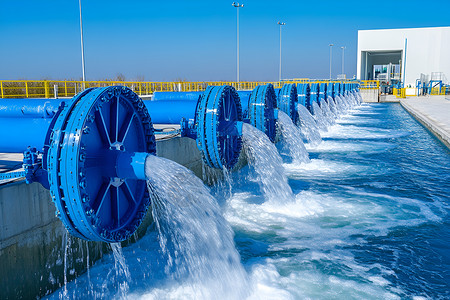
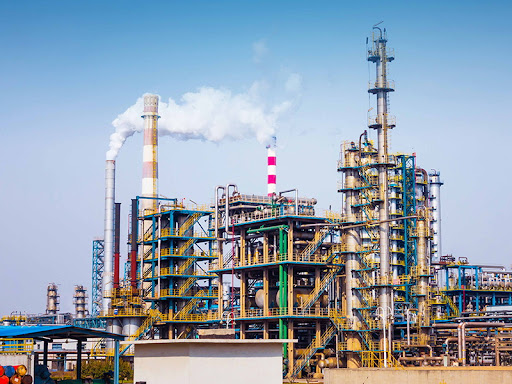
Expansion Flanged butterfly valve mainly used for petroleum industry, chemical industry, food industry, medical industry, power industry, water and drain, gas pipeline as flow adjustment and medium interruption. Having countervail due to the expands with heat and contracts with cold occur pipeline installation dimension, can be convenient for old pipeline transform, maintenance and installation renewal.
Structure Features
- With flange butterfly valve and expansion joint self contained's new structure, countervail pipeline temperature differential occur expands with heat and contracts with cold make a influence of installation dimension, become a valve multi-function products;
- Due to the double-eccentric design principle, the moment of valve opening and closing are small, flexible operation, light and convenient;
- Seat sealing are corrosion resistant, weather resistance, anti-abrasive, long lifetime;
- Disc seat ring adopt rubber seat ring, own sealing zero leakage feature;
- Expansion part have reliable seal performance, convenient to installation, adjustment, renewal and maintenance;
- Accordance with the requests of consumers, can choose electric actuator, pneumatic operated, hydraulic actuator, electro-magnetic-hydraulic actuator or any other actuator, can implement long distance control and automatic operated.
Expansion Flanged Butterfly Valve Installation Attention Detail
- When the pipeline installation spacing over sizing the expansion joint butterfly valve's installation dimension, please adjust the pipeline installation space, do not force to pull expansion joint valve, in order to avoid damaging the valve;
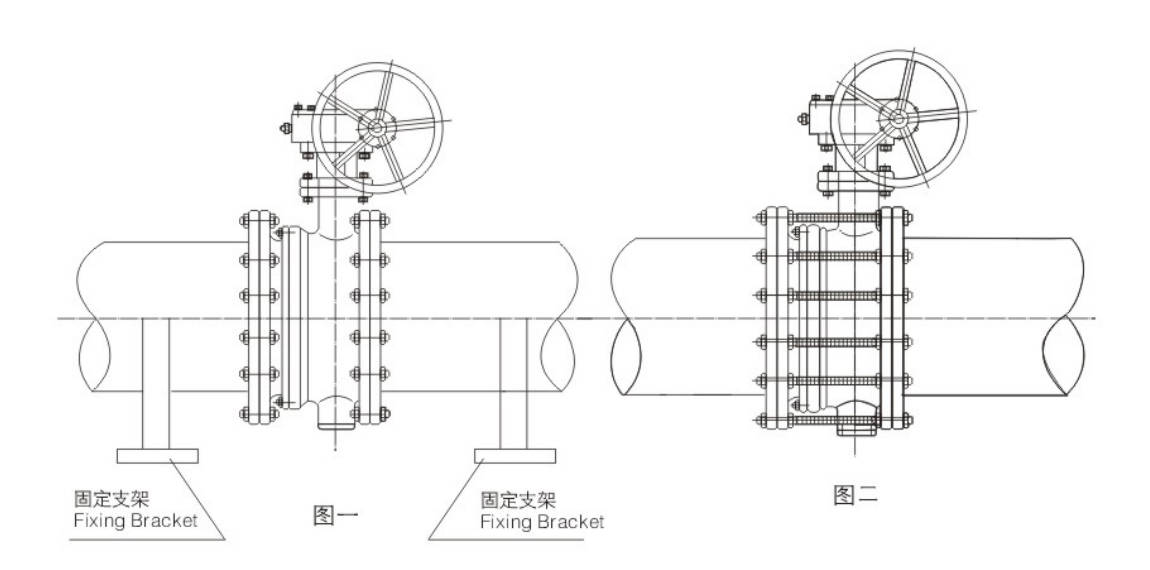
- Expansion joint butterfly valve as temperature compensate expansion use, should add support between pipeline axis direction end, in order to avoid valve expansion tube outstretch, forbid to remove the support during the operation.(see picture 1);
- Expansion joint butterfly valve doesn't as temperature compensate, only as installation, adjustment and maintenance, should adopt fastening pieces symmetric clamp expansion joint butterfly valve limiter, in order to avoid valve expansion tube outstretch, damage expansion joint butterfly valve and pipeline device (see picture 2);
- The expansion part of expansion joint butterfly valve can't install at pipeline corner or the end of pipeline.
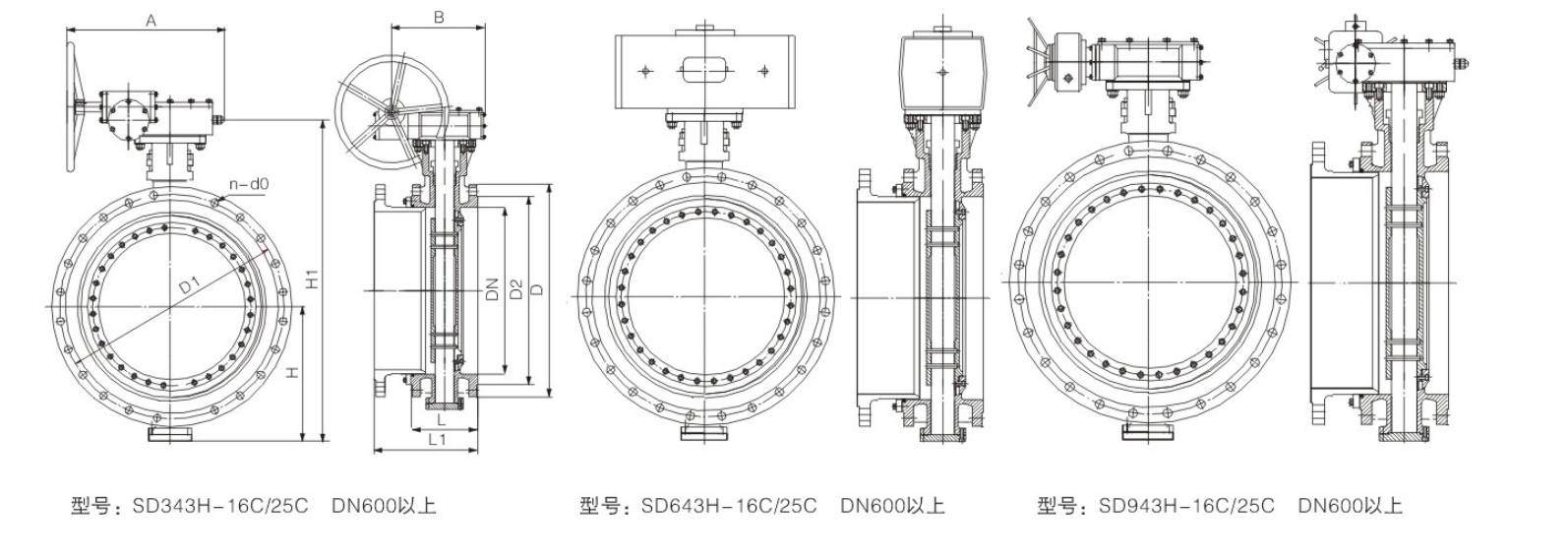
Main Size of Outside
| DN (mm) | inch | H | H1 | Lmax | Lmin | L | A | B | PN0.6 D | D1 | D2 | n-d0 | PN1.0 D | D1 | D2 | n-d0 | PN1.6 D | D1 | D2 | n-d0 |
|---|
| 50 | 2 | 80 | 309 | 164 | 138 | 151 | 180 | 200 | 140 | 110 | 88 | 4-14 | 165 | 125 | 99 | 4-18 | 165 | 125 | 99 | 4-18 |
| 65 | 2½ | 95 | 337 | 190 | 154 | 172 | 180 | 200 | 160 | 130 | 108 | 4-14 | 185 | 145 | 118 | 4-18 | 185 | 145 | 118 | 4-18 |
| 80 | 3 | 98 | 347 | 195 | 163 | 177 | 180 | 200 | 190 | 150 | 124 | 4-18 | 200 | 160 | 132 | 8-18 | 200 | 160 | 132 | 8-18 |
| 100 | 4 | 114 | 373 | 227 | 184 | 206 | 180 | 200 | 210 | 170 | 144 | 4-18 | 220 | 180 | 156 | 8-18 | 220 | 180 | 156 | 8-18 |
| 125 | 5 | 128 | 405 | 254 | 201 | 215 | 180 | 200 | 240 | 200 | 174 | 8-18 | 250 | 210 | 184 | 8-18 | 250 | 210 | 184 | 8-18 |
| 150 | 6 | 139 | 440 | 240 | 195 | 225 | 270 | 280 | 265 | 225 | 199 | 8-18 | 285 | 240 | 211 | 8-22 | 285 | 240 | 211 | 8-22 |
| 200 | 8 | 174 | 612 | 265 | 215 | 245 | 400 | 425 | 320 | 280 | 254 | 8-18 | 340 | 295 | 266 | 8-22 | 340 | 295 | 266 | 12-22 |
| 250 | 10 | 215 | 693 | 295 | 235 | 265 | 400 | 425 | 375 | 335 | 309 | 12-18 | 395 | 350 | 319 | 12-22 | 405 | 355 | 319 | 12-26 |
| 300 | 12 | 245 | 747 | 308 | 254 | 282 | 450 | 560 | 440 | 395 | 363 | 12-22 | 445 | 400 | 370 | 12-22 | 460 | 410 | 370 | 12-26 |
| 350 | 14 | 270 | 802 | 325 | 271 | 300 | 450 | 560 | 490 | 445 | 413 | 12-22 | 505 | 460 | 429 | 16-22 | 520 | 470 | 429 | 16-26 |
| 400 | 16 | 305 | 991 | 345 | 283 | 314 | 535 | 580 | 540 | 495 | 463 | 16-22 | 565 | 515 | 480 | 16-26 | 580 | 525 | 480 | 16-30 |
| 450 | 18 | 325 | 1037 | 370 | 314 | 340 | 535 | 580 | 595 | 550 | 518 | 16-22 | 615 | 565 | 530 | 20-26 | 640 | 585 | 548 | 20-30 |
| 500 | 20 | 360 | 1127 | 377 | 316 | 346 | 535 | 580 | 645 | 600 | 568 | 20-22 | 670 | 620 | 582 | 20-26 | 715 | 650 | 609 | 20-33 |
| 600 | 24 | 445 | 1377 | 446 | 388 | 417 | 570 | 660 | 755 | 705 | 667 | 20-26 | 780 | 725 | 682 | 20-30 | 840 | 770 | 720 | 20-36 |
| 700 | 28 | 505 | 1496 | 445 | 395 | 425 | 750 | 550 | 860 | 810 | 772 | 24-26 | 895 | 840 | 794 | 24-30 | 910 | 840 | 794 | 24-36 |
| 800 | 32 | 560 | 1584 | 479 | 425 | 455 | 750 | 550 | 975 | 920 | 878 | 24-30 | 1015 | 950 | 901 | 24-33 | 1025 | 950 | 901 | 24-39 |
| 900 | 36 | 630 | 1676 | 515 | 455 | 485 | 750 | 550 | 1075 | 1020 | 978 | 24-30 | 1115 | 1050 | 1001 | 28-33 | 1125 | 1050 | 1001 | 28-39 |
| 1000 | 40 | 680 | 1760 | 525 | 465 | 495 | 900 | 750 | 1175 | 1120 | 1078 | 28-30 | 1230 | 1160 | 1112 | 28-36 | 1255 | 1170 | 1112 | 28-42 |
| 1200 | 48 | 795 | 2018 | 574 | 512 | 542 | 1000 | 925 | 1405 | 1340 | 1295 | 32-33 | 1455 | 1380 | 1328 | 32-39 | 1485 | 1390 | 1328 | 32-48 |
Manufacturing Process
Step 1: Order and Design
Based on the customer's requirements for pressure level, connection standard, valve body material, sealing form and drive method, the production plan and drawings for the flanged butterfly valve are formulated. The flange size, valve plate structure, valve stem configuration and actuator matching are confirmed to ensure that the product meets the actual working conditions.
Step 2: Forging & Casting
The main components of a flanged butterfly valve, such as the valve body and valve plate, are usually formed through casting or forging processes. The valve body is typically made of ductile iron, carbon steel or stainless steel to ensure its strength, pressure resistance and corrosion resistance.
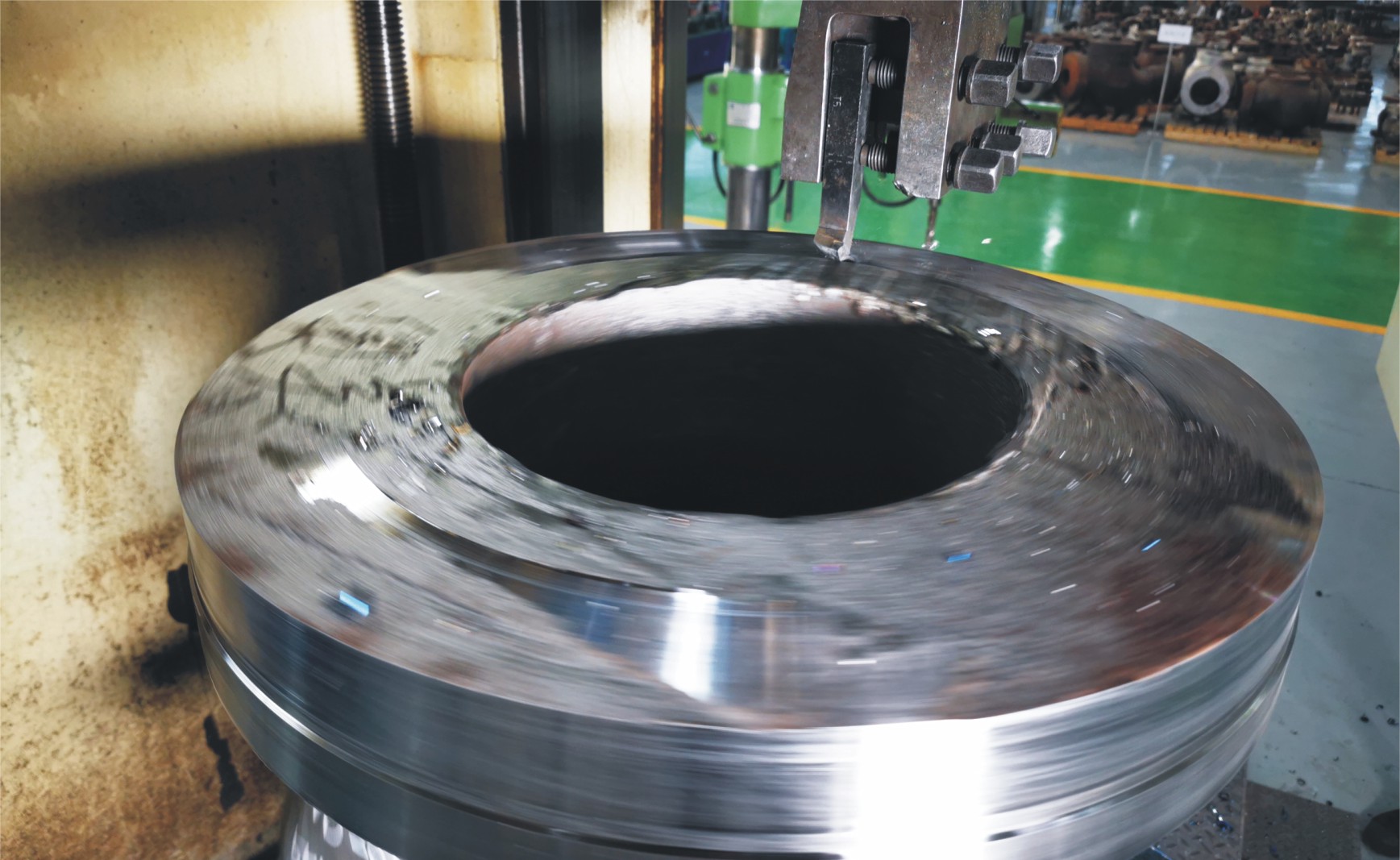
Step 3: Machining
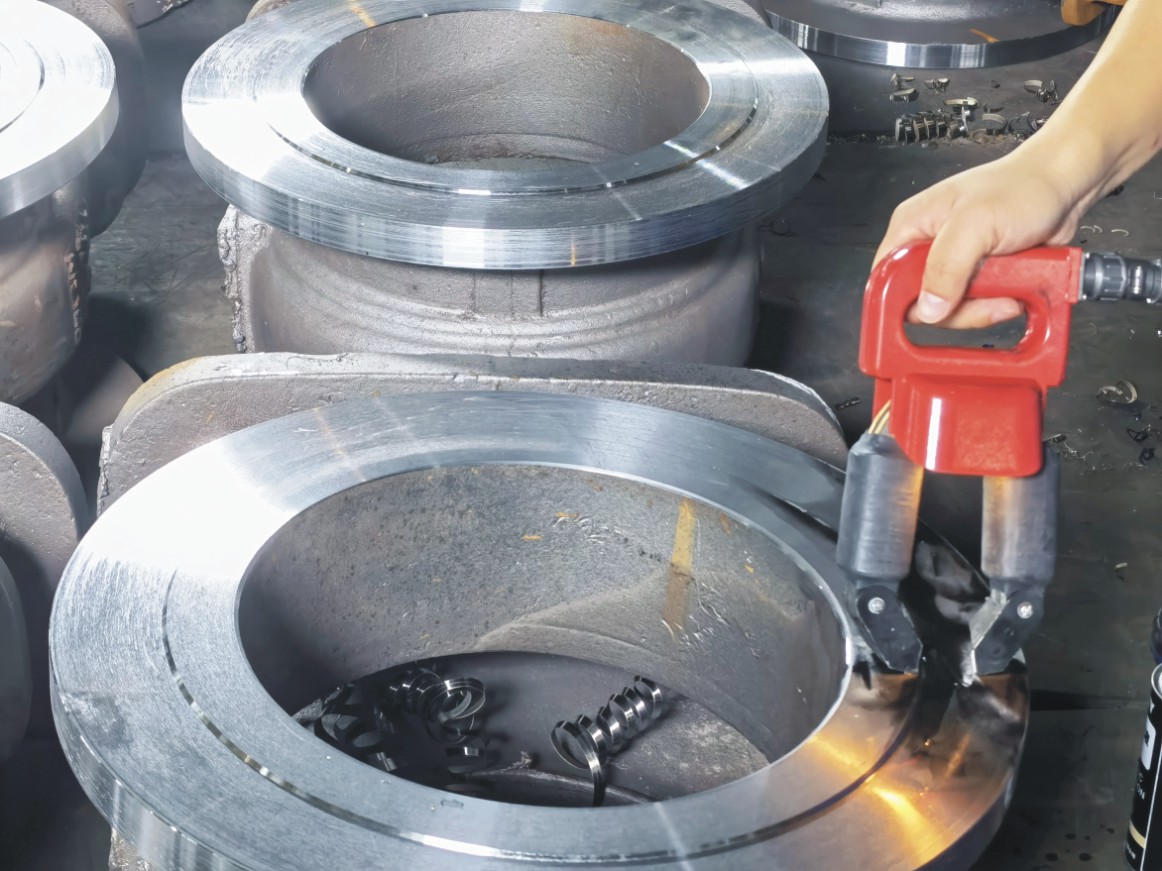
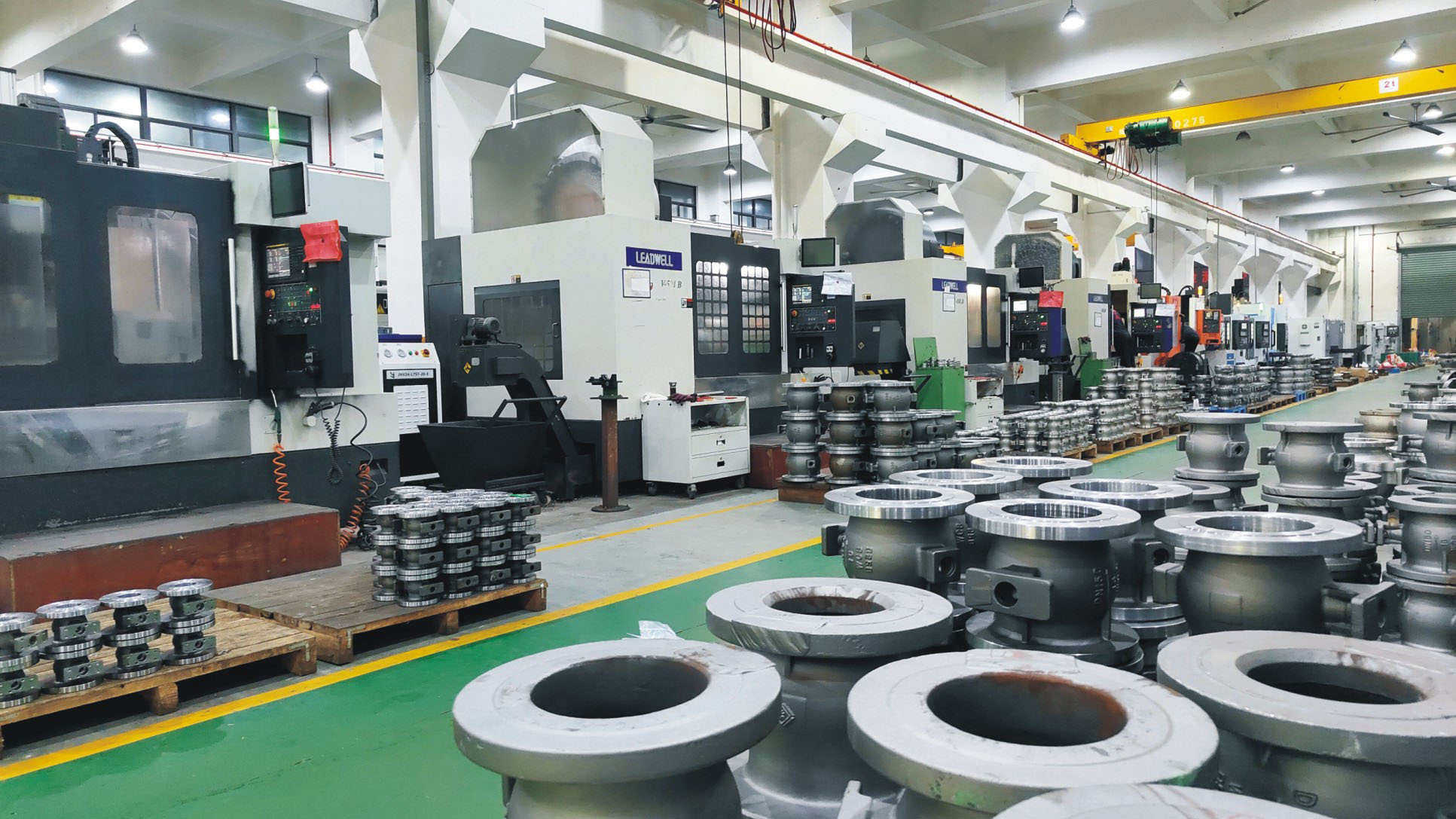
Carry out precise mechanical processing on the valve body, valve plate, valve stem and flange connection surface. During this stage, for the flanged butterfly valve, the sealing surface processing, hole position processing, flange end face treatment and assembly size control need to be completed to ensure the interchangeability and sealing performance of the parts.
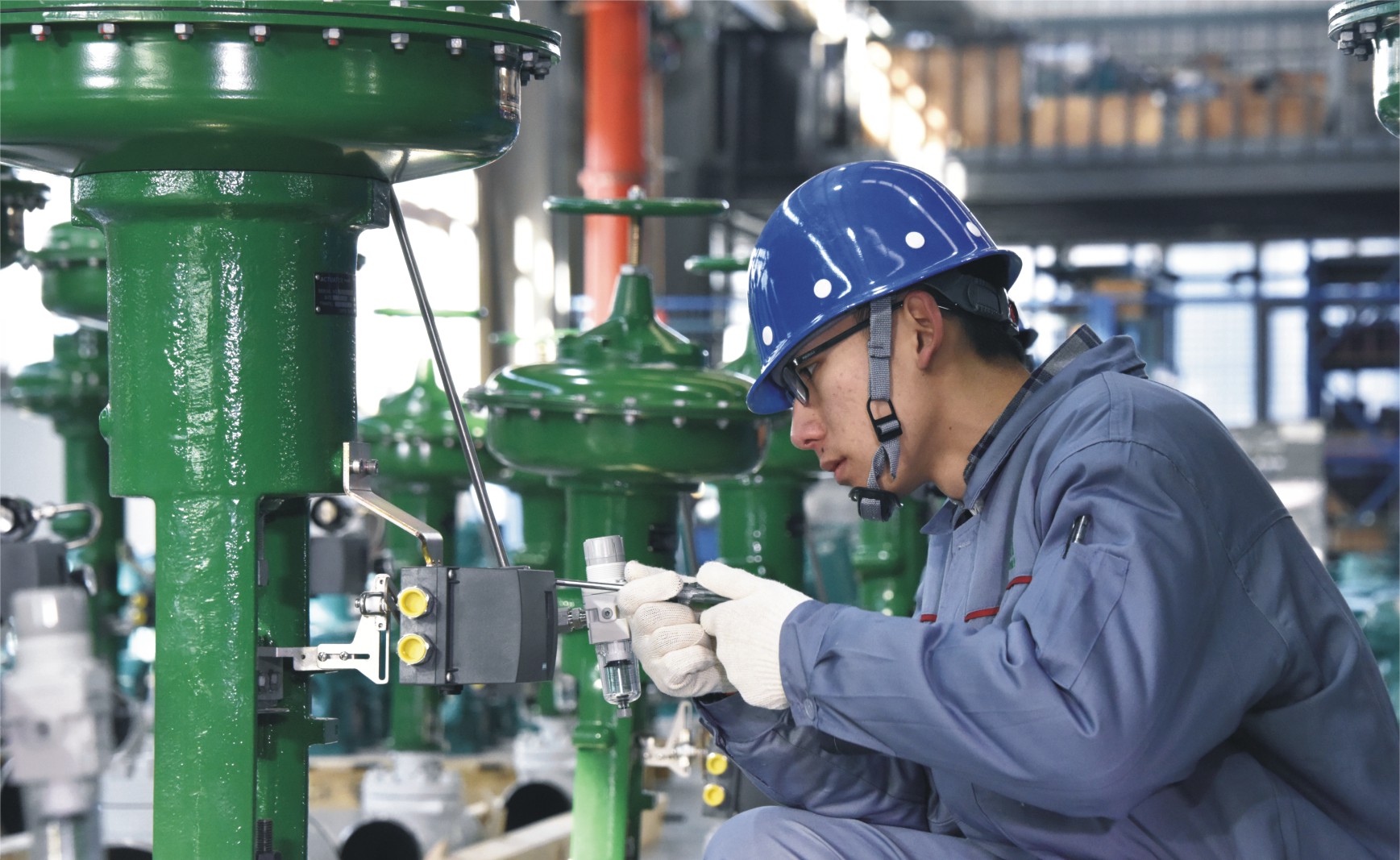
Step 4: Assembly
Assemble the processed valve body, butterfly plate, valve seat, valve stem, bearing and actuator. The assembly process of the flanged butterfly valve requires strict control of concentricity and opening/closing flexibility to ensure smooth operation, reasonable torque and reliable sealing.
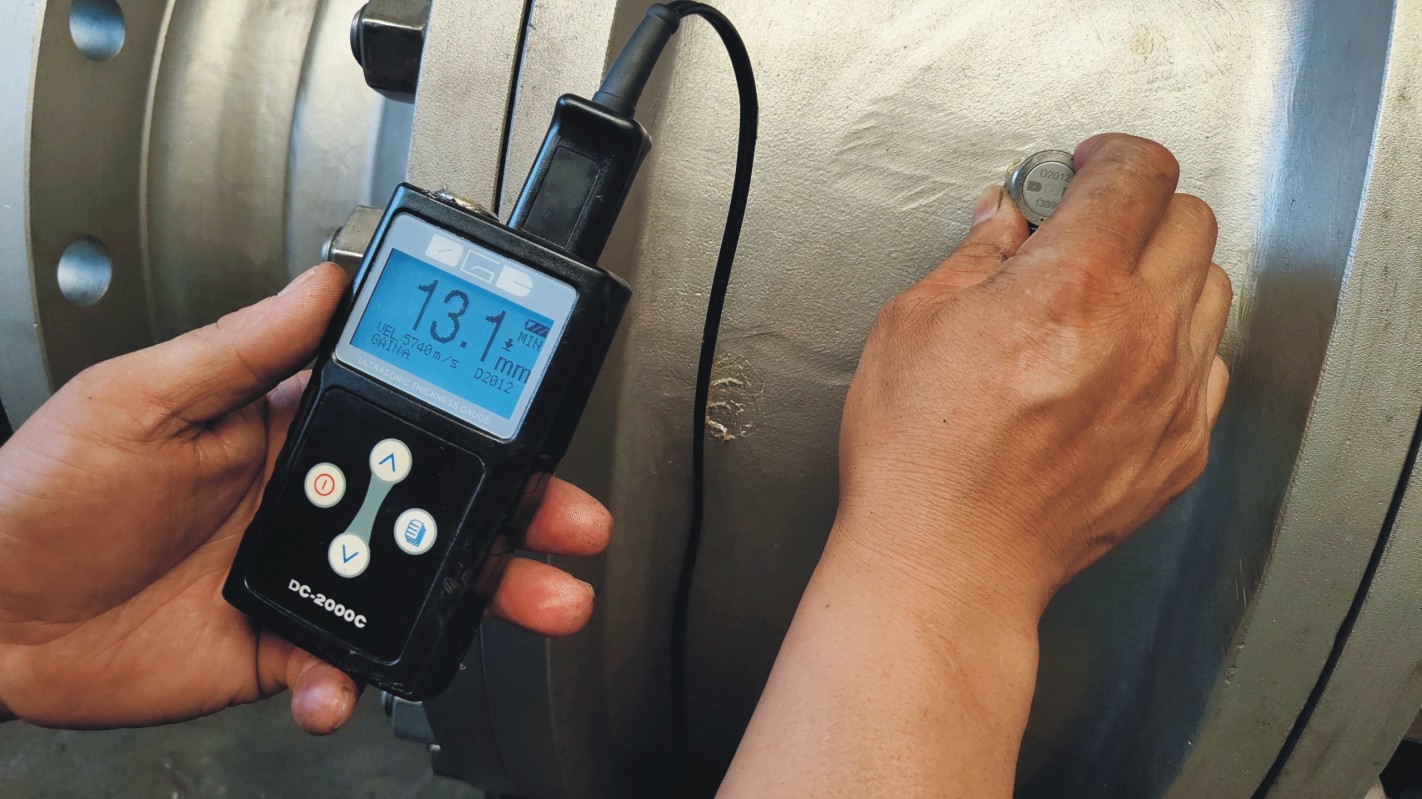
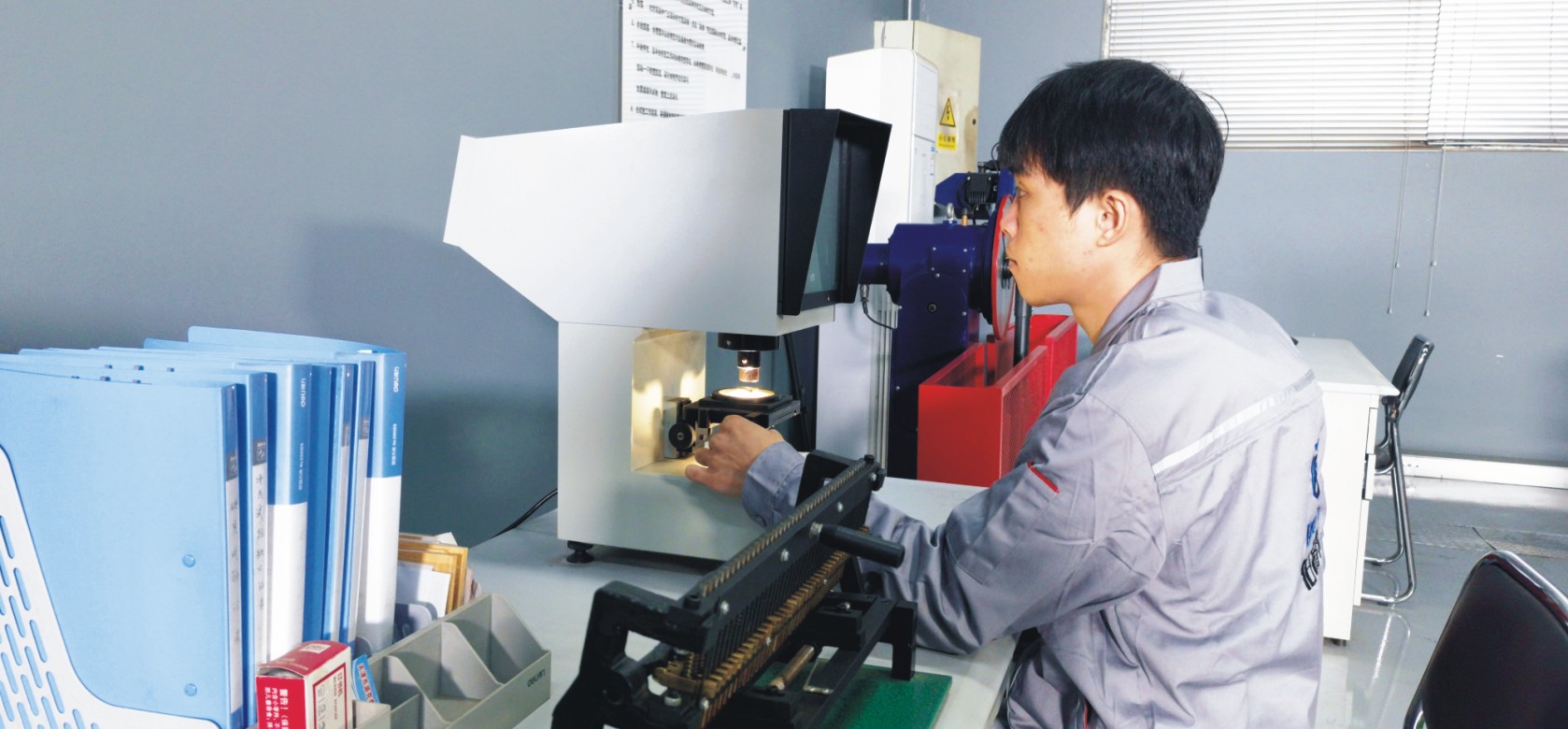
Step 5: Testing & Quality Assurance
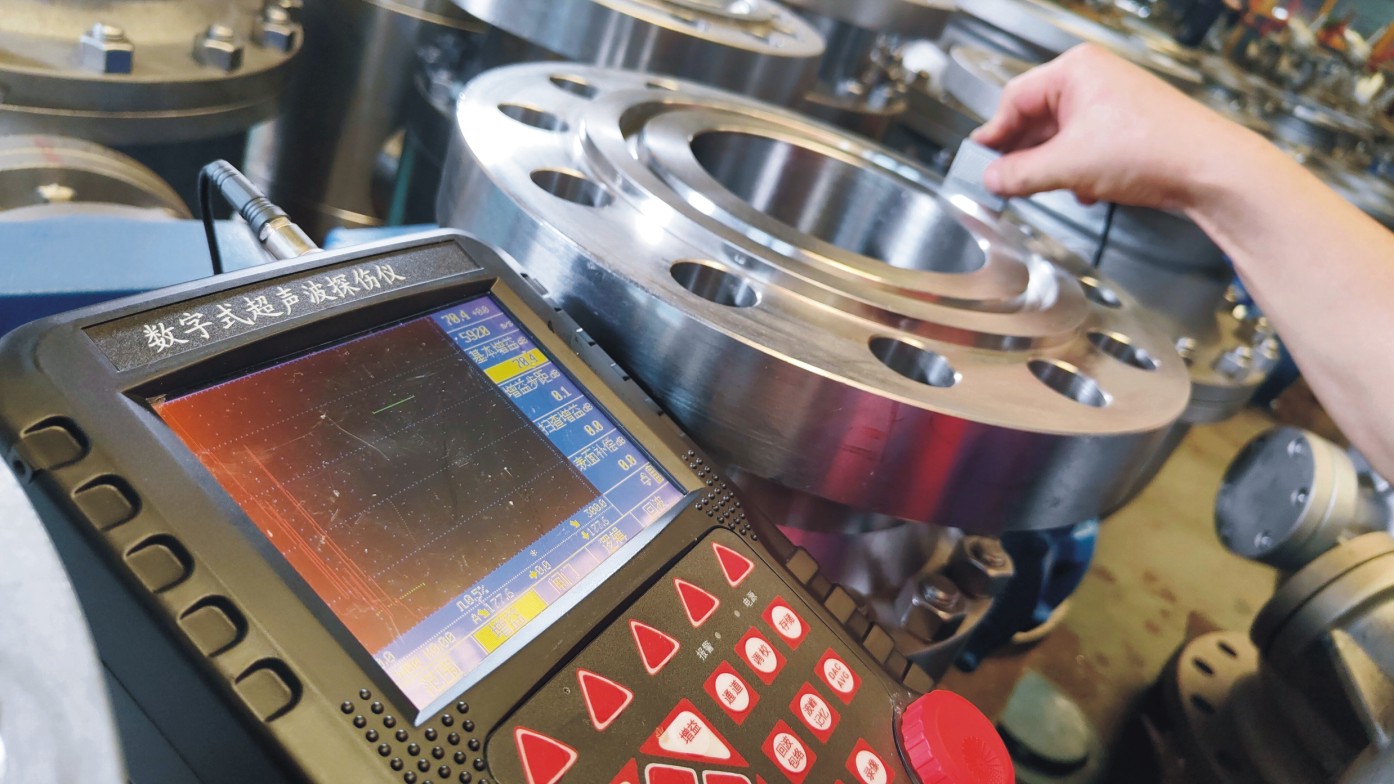
After assembly is completed, the flanged butterfly valve undergoes shell strength testing, sealing test, operation test and appearance inspection. Through pressure testing and opening/closing test, it is ensured that the valve complies with relevant standards and customer requirements.
Step 6: Painting and Finishing
After passing the inspection, the surface cleaning, rust prevention treatment, spraying and marking installation are carried out. The finished products are finally sorted and packaged and then stored in the warehouse, ensuring that the valves have good protective performance and appearance quality during transportation and use.
Applications
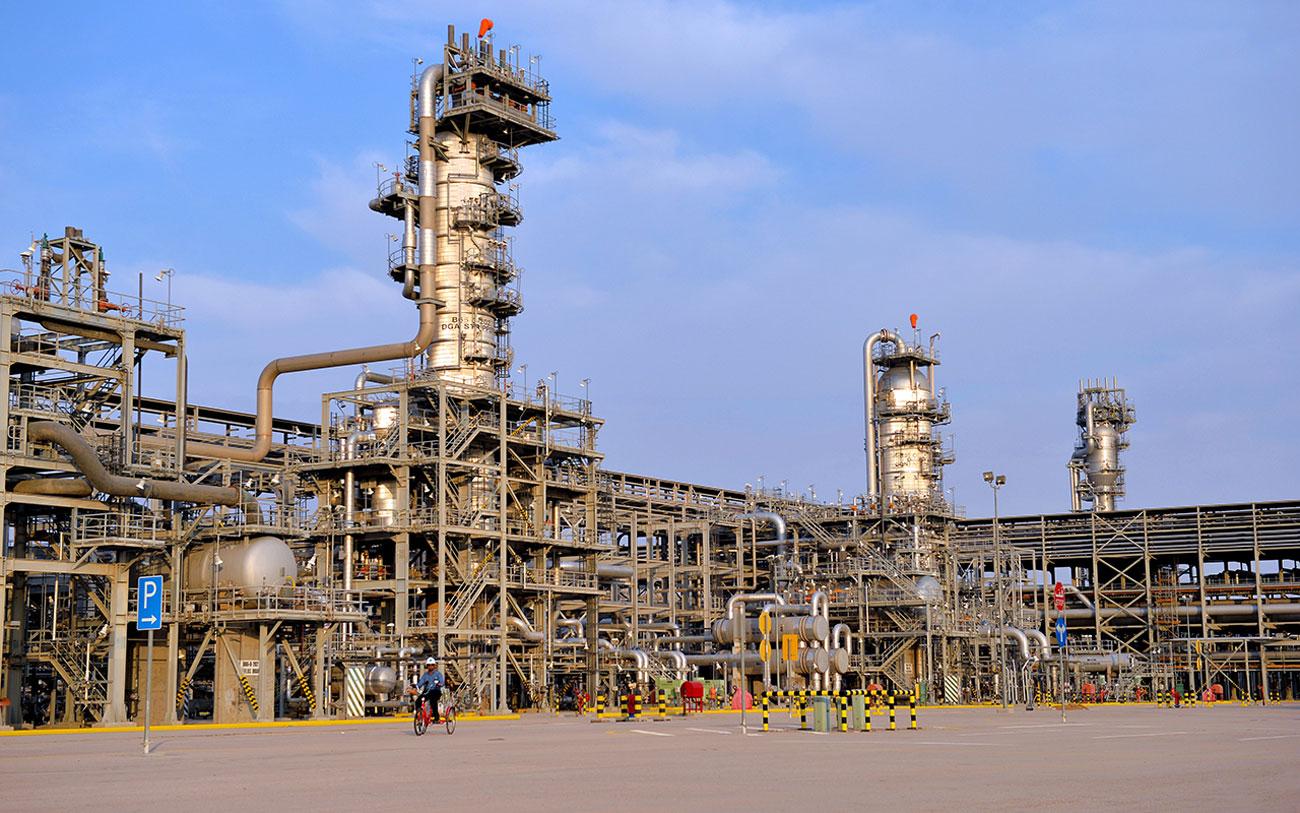
The flanged butterfly valve is widely used and is commonly found in fields such as steam power plants, mining, food and beverage processing, pharmaceuticals, municipal water supply and sewage treatment, fire protection systems, paper and pulp production, petroleum refining, chemical manufacturing, as well as HVAC systems. Among these, in the food and beverage and pharmaceutical industries, it is particularly suitable due to its ease of cleaning and the ability to enhance hygiene levels.
These valves are widely used in:
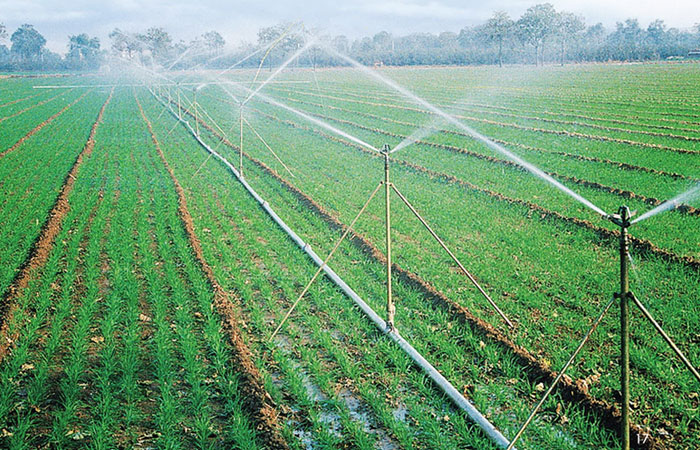
Agriculture and Irrigation
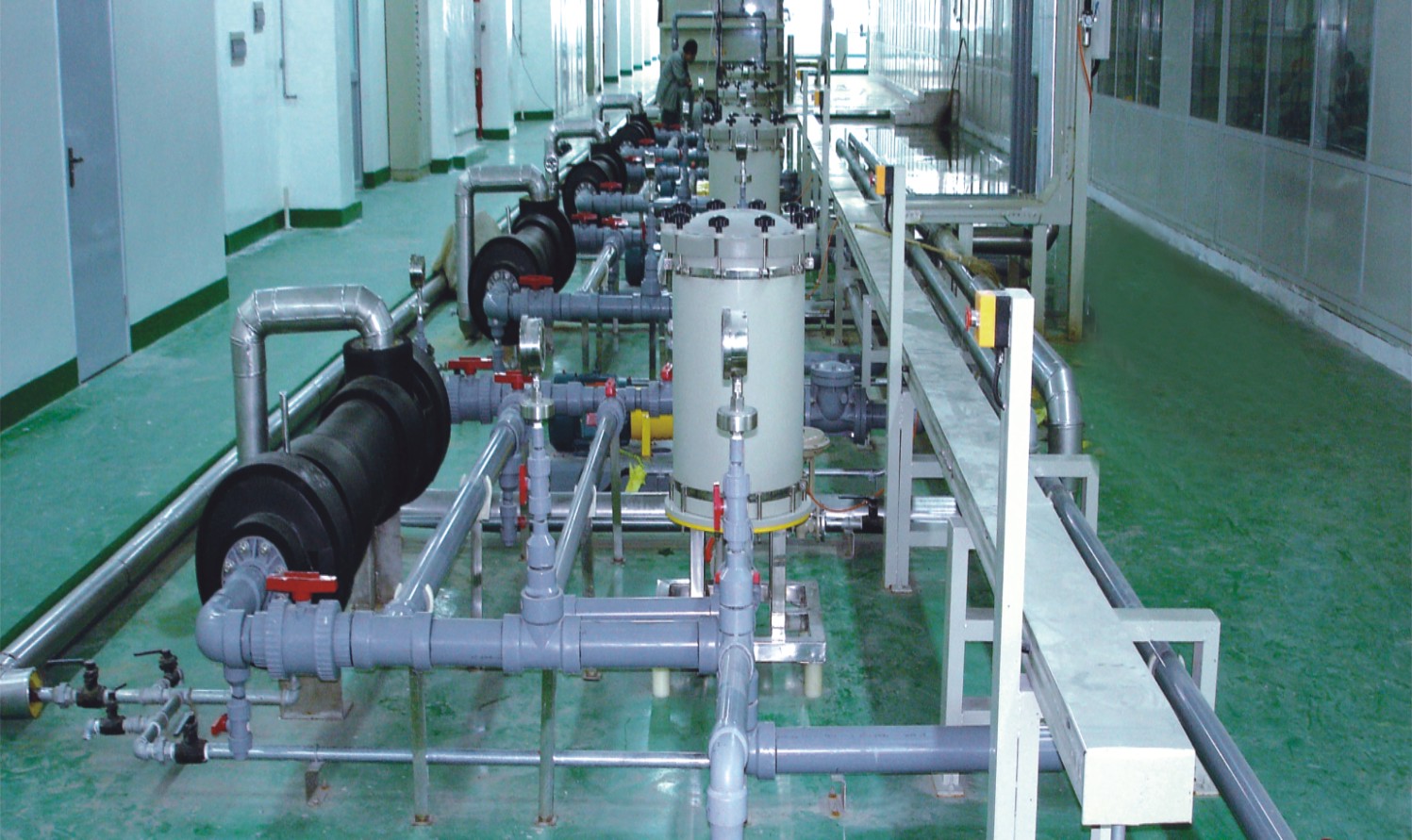
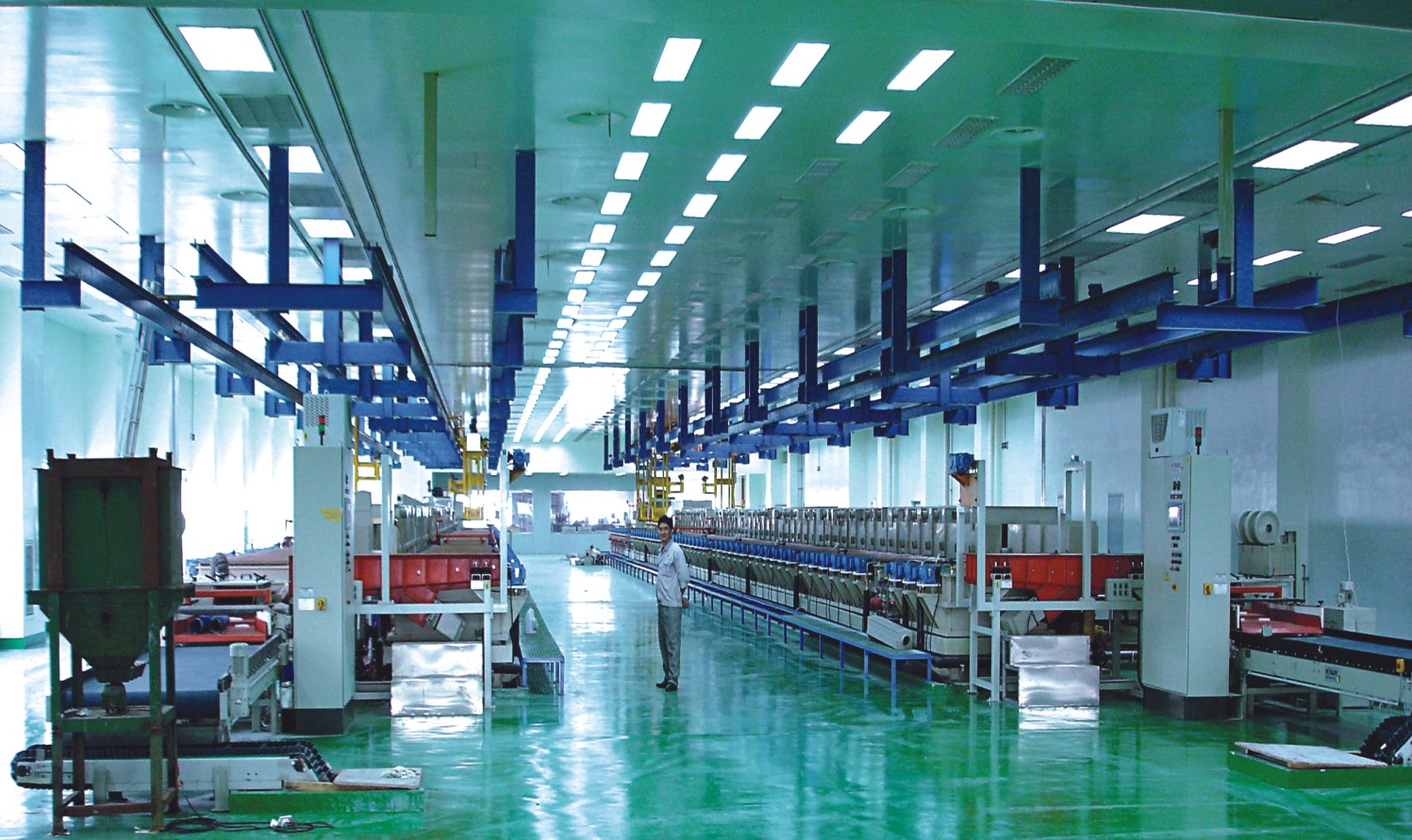
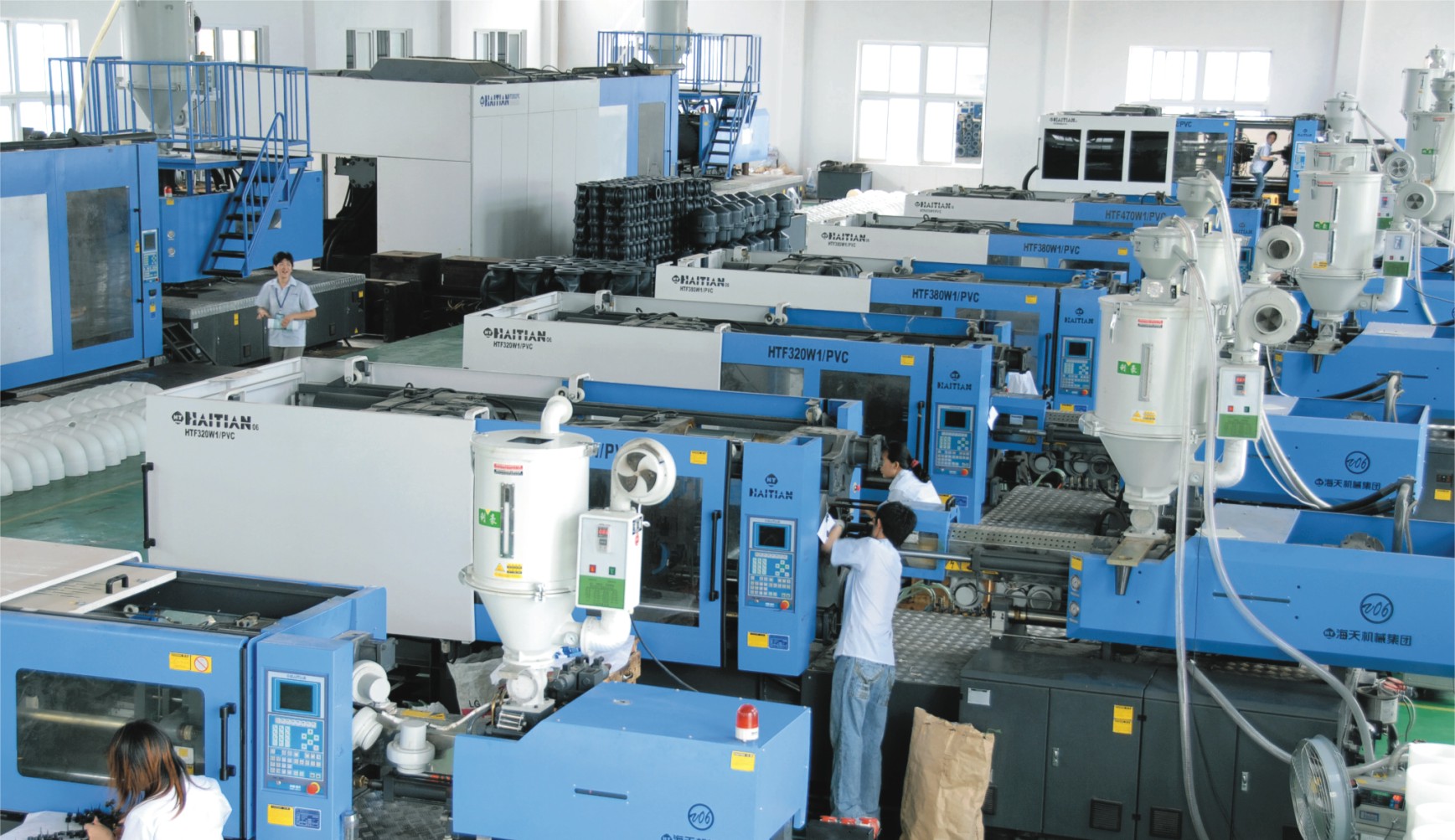
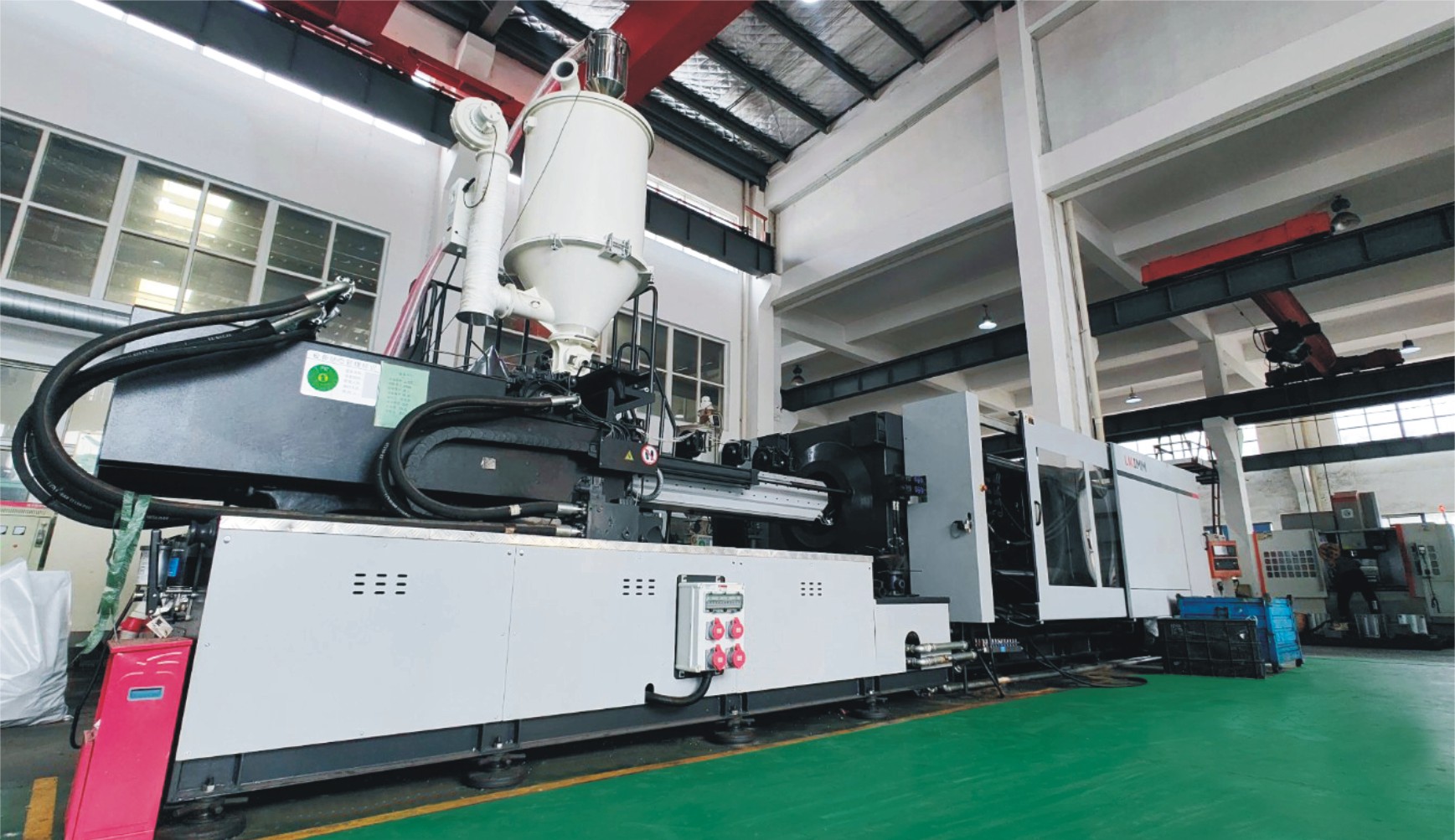
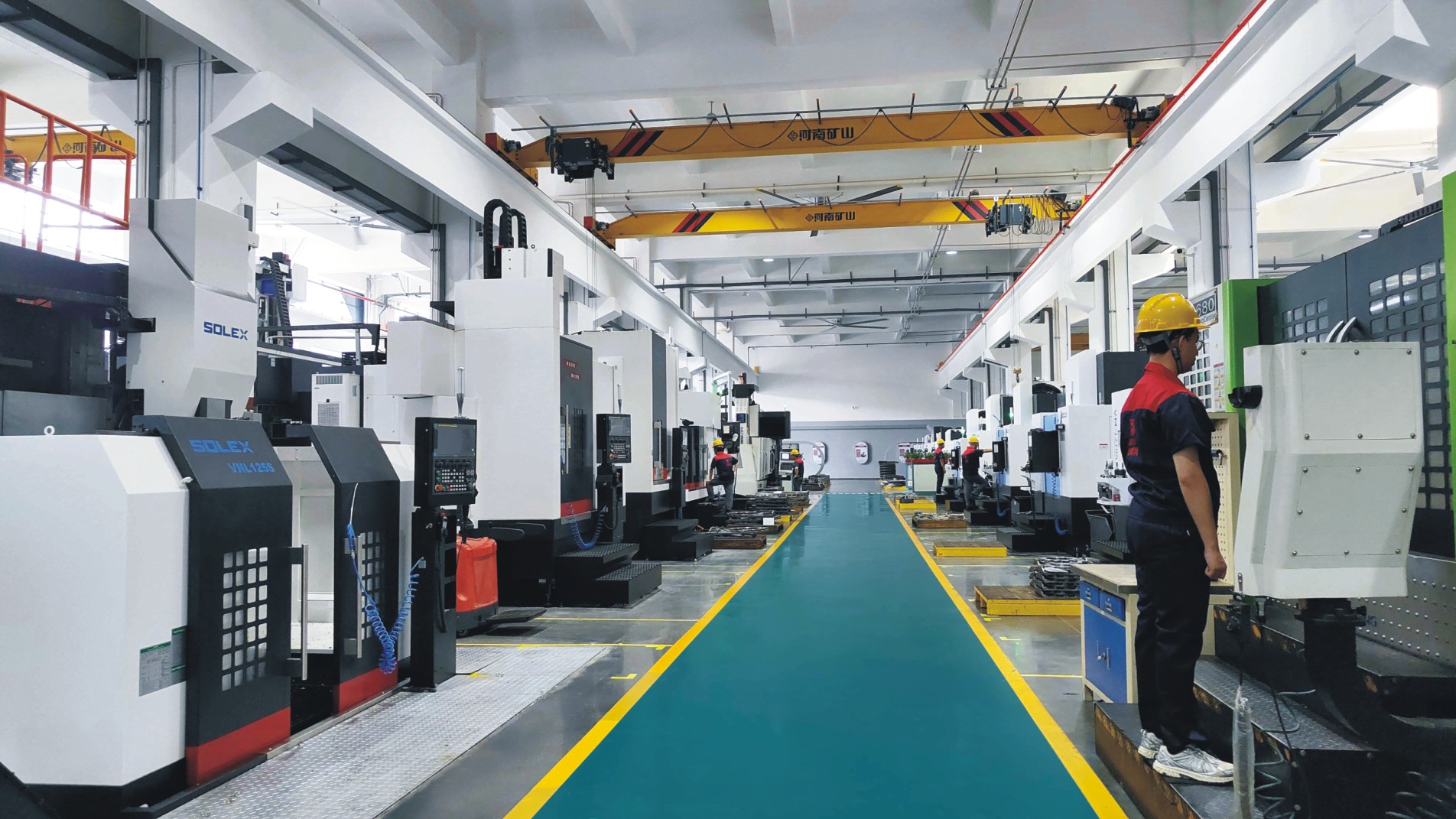
Factory Environment
Why Choose Us
Superior Quality
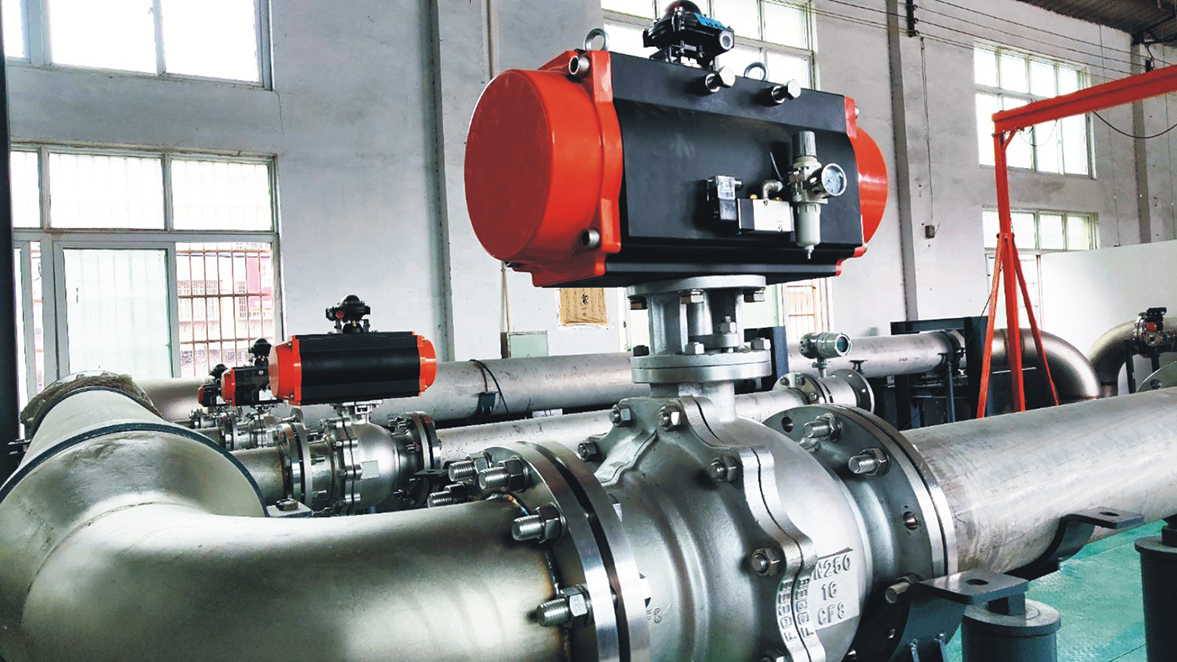
Our valves are manufactured using premium materials and undergo rigorous quality testing to ensure reliable performance in demanding industrial applications.
Advanced Technology
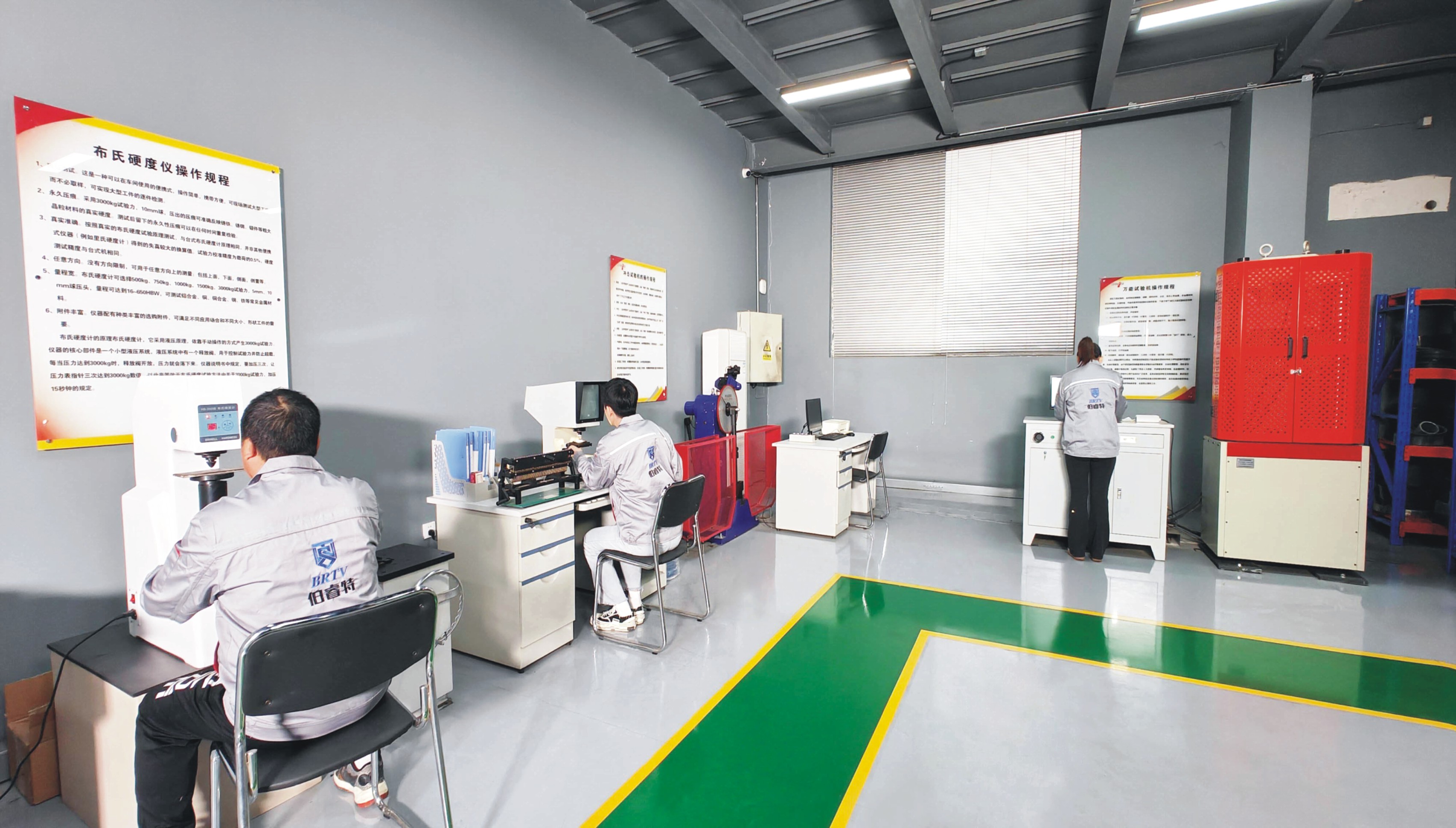
Equipped with state-of-the-art CNC machining centers and precision manufacturing equipment, we deliver valves with exceptional accuracy and consistency.
Competitive Pricing
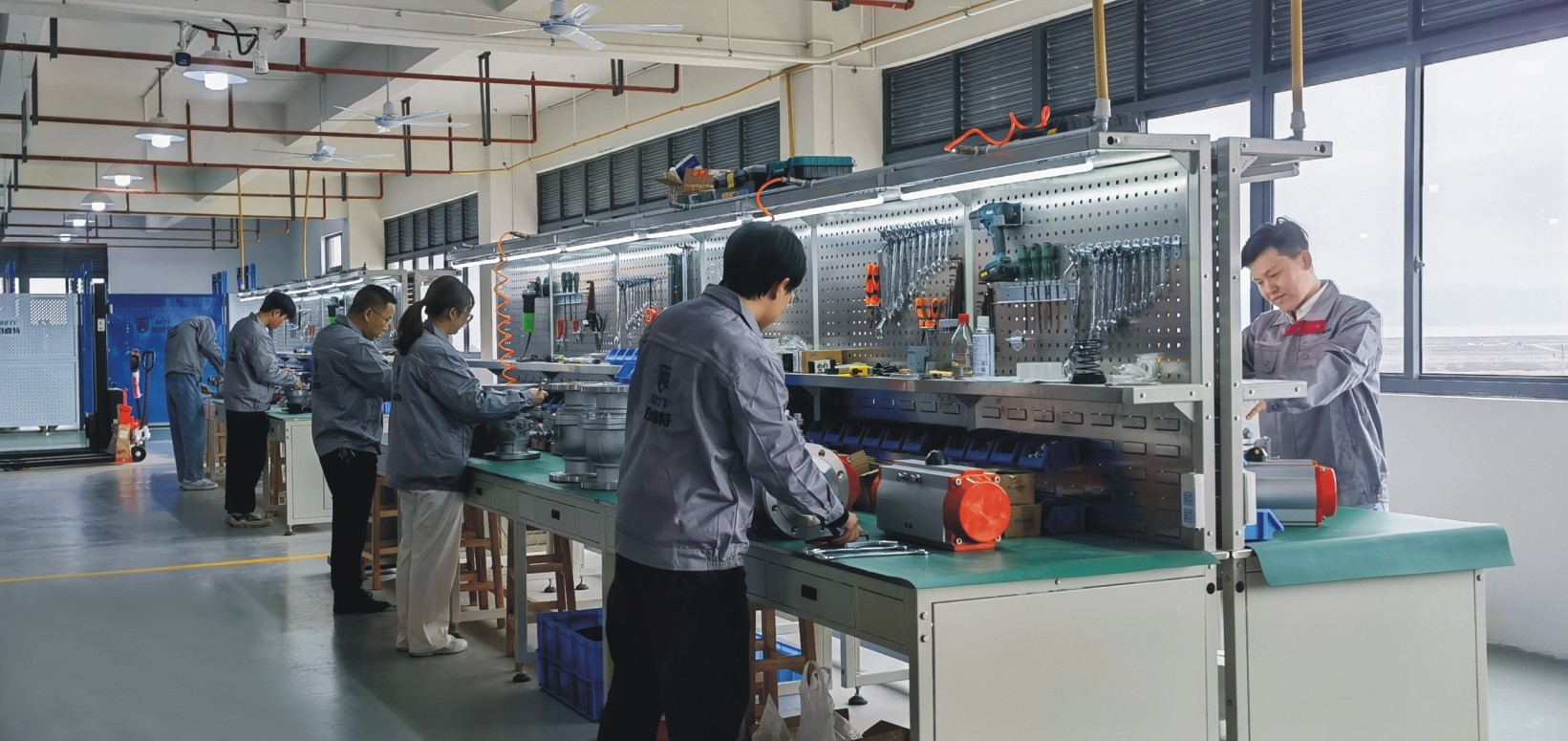
Through optimized manufacturing processes and bulk material procurement, we offer high-quality valves at competitive prices without compromising on quality.
Expert Support
Our experienced technical team provides comprehensive support from product selection to after-sales service, ensuring optimal valve performance for your specific application.