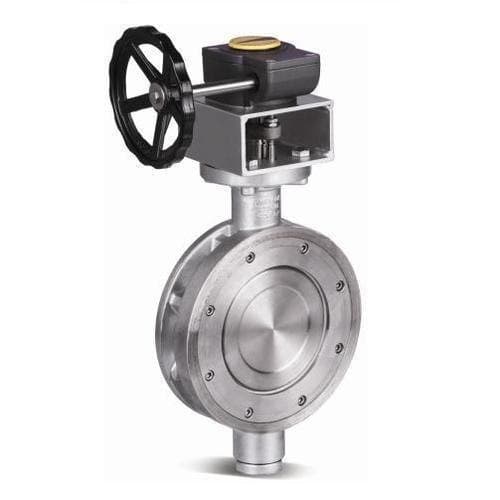
1. What is Electric Butterfly Valve?
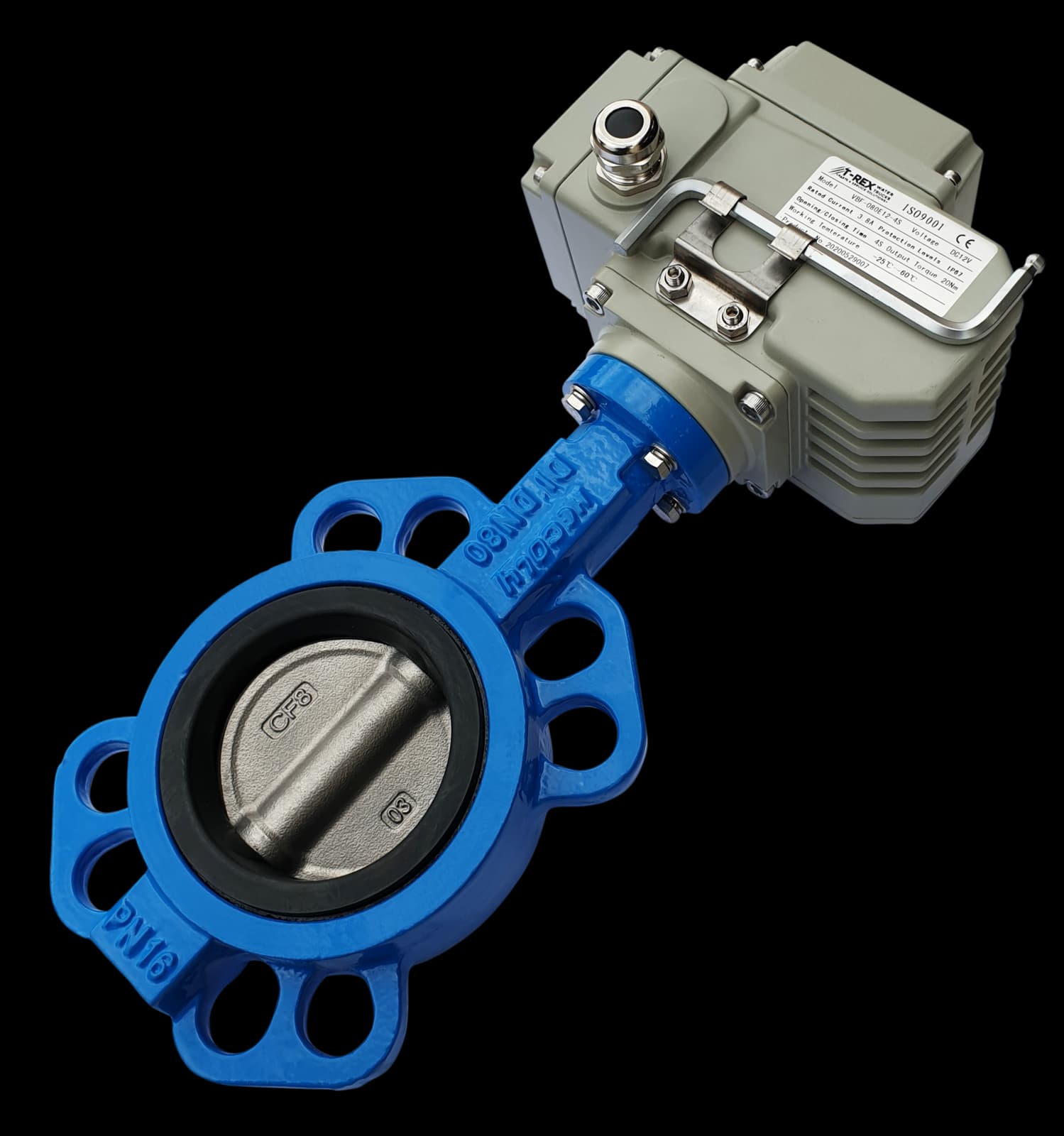
Electric Butterfly Valve An electrically operated butterfly valve is complex automation part applied mostly in the high precise industrial liquid control systems. The rotary disc mechanism is embedded in this device, featuring an intelligent electric actuator that needs electrical energy to move the interior closing member with a ninety-degree angle of rotation. This integrated design provides the ability to remotely manage and adjust flow rates on automated production lines; significantly reducing manual intervention or installation of expensive compressed air infrastructure.
This programmable rotary unit is a critical part of many modern process automation solutions and can interface with centralized control systems, such as PLC or DCS. In a general sense, it is comprised of high-strength enclosure bodies, precision-machined discs and elastic or metal seat for sealing protection and actuator motor housing. Designed to meet international industrial standards — including ANSI, JIS, DIN and GB system per your region — these products deliver predictable performance in a wide variety of locations. Whatever the application—be it ultrapure water or aggressive chemical media—the motorized version provides better control and operational stability.
2. How this Motorized Rotary Device Works?
This equipment works by converting electrical energy to mechanical torque with help of an array of internal gears. When the actuator receives a signal — usually 220V AC, 24V DC or an analog control such as a 4-20 mA loop — it triggers the internal motor to power on which then drives through one of many reductions gear boxes that in turn rotates/turns open/close (valve stem extended) apertures within valve at different operating voltages stages.
The Core operational process itself is comprised of the following stages:
- Opening Phase: The motor rotates the stem that moves discs from 90 degrees to an open position, parallel with the flow. This enables fluids to flow through with a high Cv and low pressure drop. This is because the intelligent actuator can slow down and stop the disc at any intermediate angle to have flow control highly accurately.
- Closing & Sealing Phase: Motor changes its rotation when close signal is received. Four periphery scraping in the end and seat. This interference fit generates a bubble-tight seal in resilient- seated plastic models. High performance triple eccentric metal design — the offset geometry means only small radial rubbing occurs at initial contact and full bore wedge in later stage of closure to provide temperature independent bi-directional class-leakage zero seal ensuring low friction this minimizes mechanical wear.
- Smart Feedback: Many of today's electric actuators include limit switches or position transmitters. These components allow the control room workers to monitor it in real time and see how much exactly each butterfly is open, so that they can understand if everything works also providing safety.
3. Types of Electric Control Units
3.1 Material Classification and Properties
To ensure compatibility with various industrial fluids, these devices are available in a wide array of specialized materials:
- Plastic Series: Plastic Series: Constructed out of new plastics like UPVC, CPVC, PPH & PVDF. PVDF versions are especially prized for their resistance to temperatures as low -40 and up 140 degrees Celsius, and they exhibit excellent resistance even in the presence of concentrated acids as well as alkaline solutions.
- Metal Series: This series is made of sturdy alloys, such as carbon steel (WCB) and stainless steels (CF8/ CF8M). Used for high-pressure systems as well as in high temperature steam or thermal cycle applications.
- Lined Series: These products are provided with metallic enclosure & Internal Fluorine coating of PTFE/PFA (mnA), providing the structural strength and chemical inertness for all wetted parts
3.2 Structure and Connection Variants
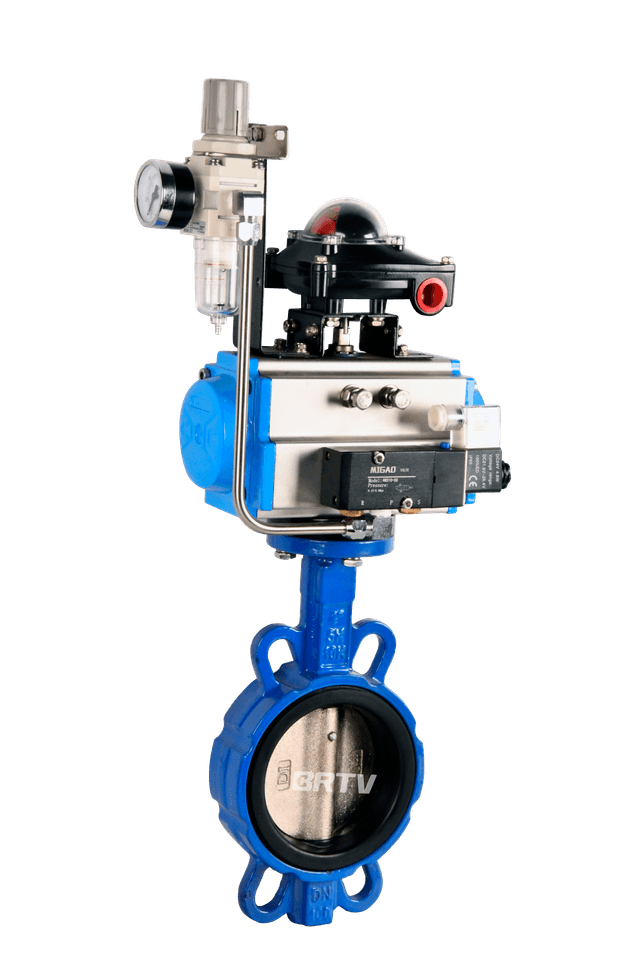
- Wafer Design: A compact, lightweight version clamped between pipe flanges, ideal for space-saving installations.
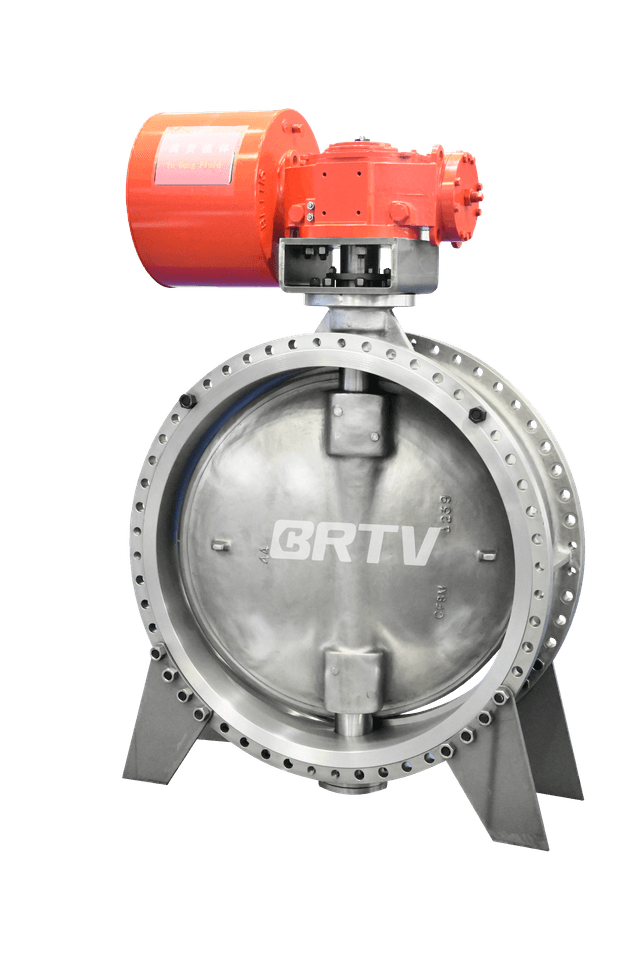
- Flanged Design: Features integral flanges for direct bolting, providing extra stability for large-diameter pipelines or high-vibration environments.
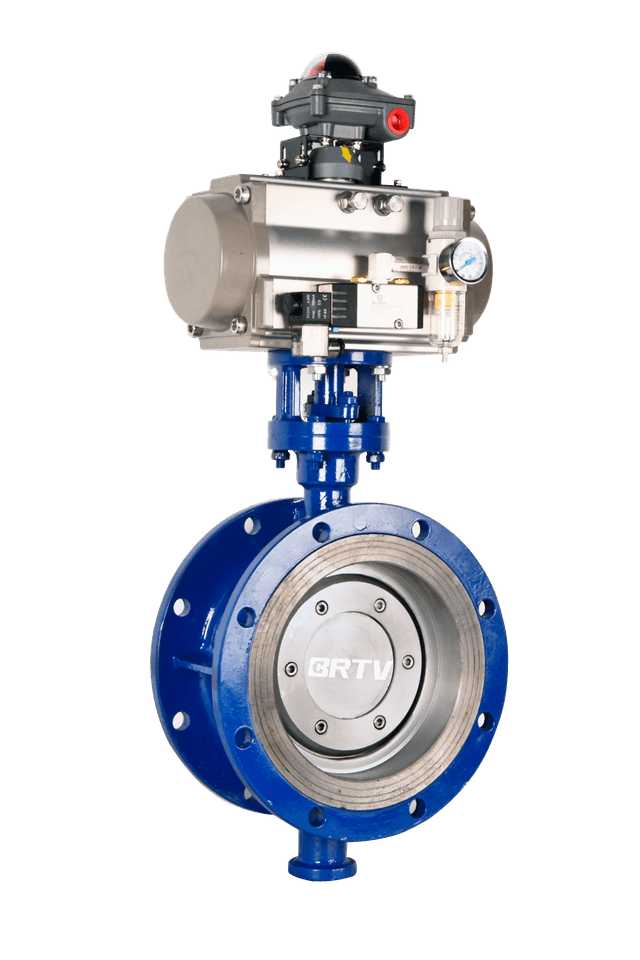
- High-Performance Eccentric: Includes double or triple offset configurations that minimize contact between the seat and disc during rotation, extending the operational life in harsh services.
4. Core Advantages of the Electric System
The primary benefit of using a motorized rotary assembly is its ability to provide fine-tuned modulation without the need for an external air supply.
- Precise Flow Regulation: Intelligent electric actuators allow for linear or equal-percentage flow characteristics, making them ideal for sensitive chemical dosing or temperature control processes.
- Maintenance-Free Operation: Unlike pneumatic systems that require air filters and lubrication, modern electric units are often permanently lubricated and require minimal upkeep.
- ISO 5211 Standard: The connection between the motor and the valve body follows international mounting standards, allowing for easy upgrades or replacements of the drive unit.
| Component | Example Materials | Performance Advantage |
|---|
| Body | PVDF, WCB, CF8M, PPH | High structural integrity and chemical stability |
| Internal Disc | SS316, SS304, CPVC | Smooth surface finish reduces operating torque |
| Sealing Seats | PTFE, EPDM, FPM, RPTFE | Ensures leak-proof performance across various temperatures |
| Actuator | Die-cast Aluminum / Plastic | Intelligent positioning with manual override |
5. Industrial Applications
Because of their reliability and ease of integration into digital control loops, these devices are essential in several high-tech and traditional industries:
- Semiconductor lithium battery: mainly uses pure PVDF separator grade to control ultrapure water and electrolyte filter units. Product purity is only possible using a metal-free flow path; one that ensured no ion contamination occurs.
- Chemical and Pharmaceutical: Automate the delivery of aggressive reagents. These motorized units are well suited for reactor feeding and solvent addition due to their ability to accurately adjust flow rates.
- Water Treatment and Desalination: The chlorinates water, as well as Brine which need to be handled in the Water purifying plants; for similar applications UPVC & CPVC equipment is being used extensively due to their corrosion resistance properties along with low maintenance.
- Power and Metallurgy: Metal triple eccentric models are indispensable when dealing with cooling water of high temperatures, as also for exhaust gases in power generation facilities where pressure conveying is to be done at a very reliable manner.