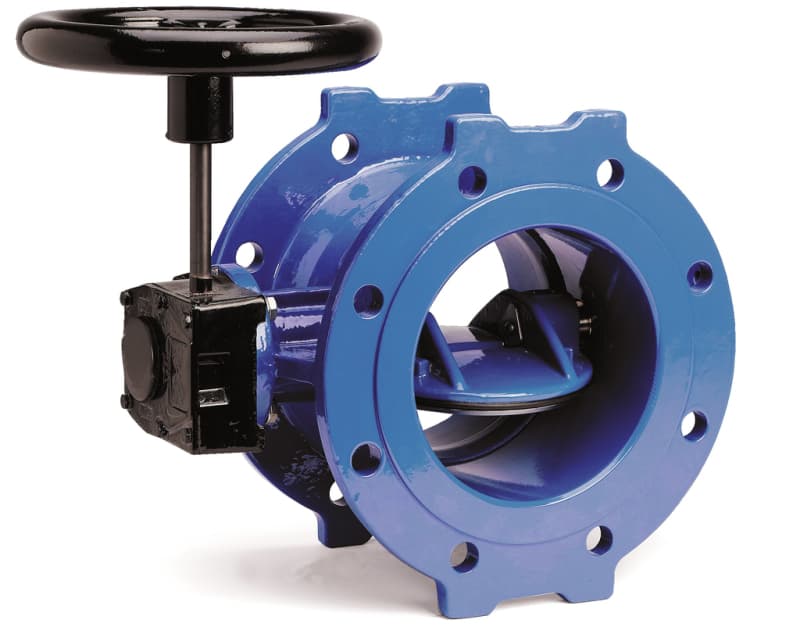
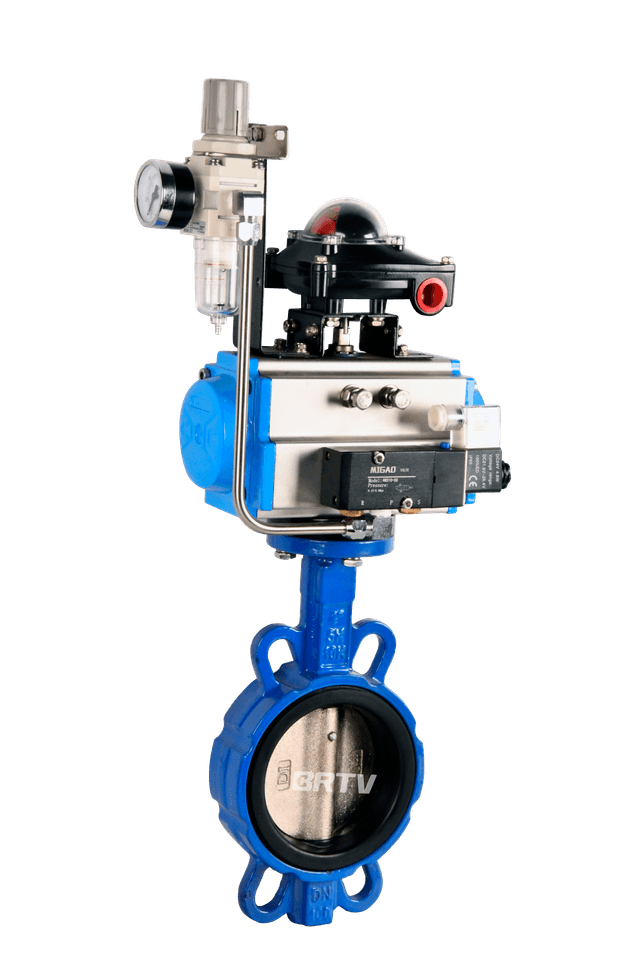
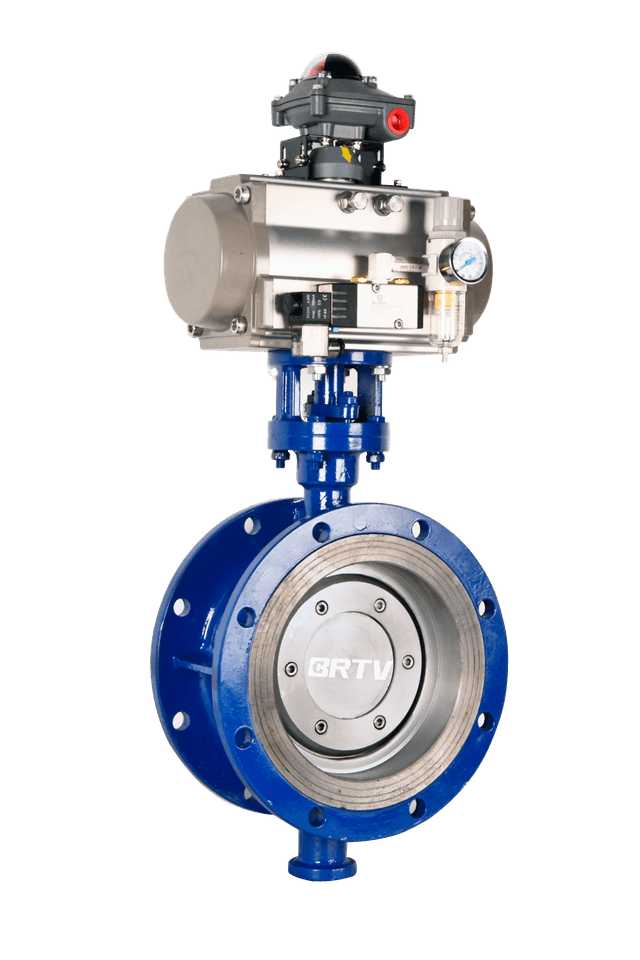
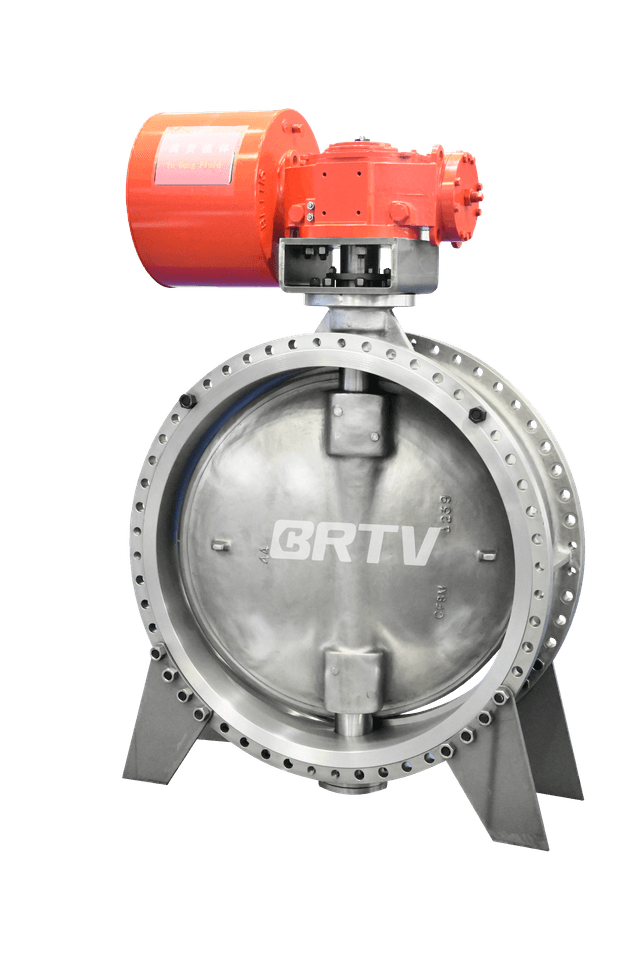
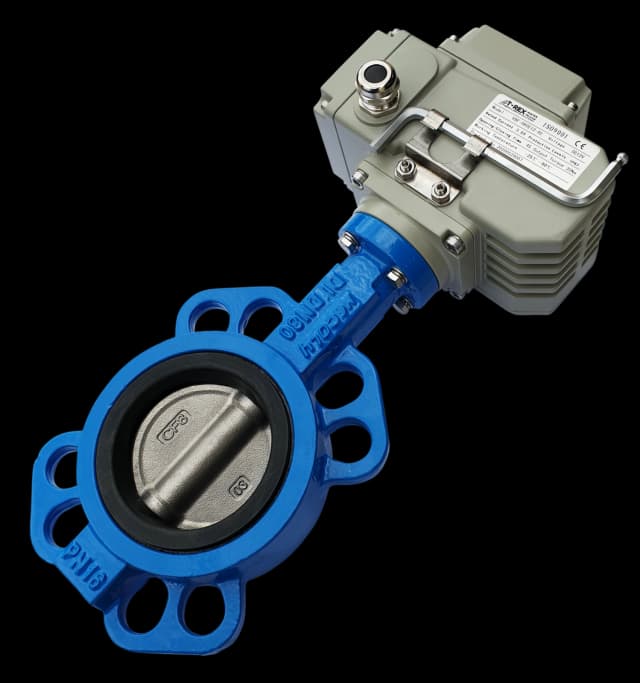
1. What is Double Eccentric Butterfly Valve?
The rotary actuator, which is typically referred to as a Double Eccentric Butterfly Valve, uses the rotating disc for flow control and operates at a high degree of cycle capability with sealing integrity. This equipment uses a double-offset geometry, unlike basic concentric designs where the stem runs through disc center. As in this arrangement, the stem is set beyond sealing plan and it does not lie on a single line with pipeline.axis. It's this allows the internal disc to move in a cam like motion, that which greatly reduce friction between the discs and seat during operation.
This hardware is a key ingredient in advanced industrial automation and works with higher-precision pneumatic or (more expensive) electric actuators. IT COMPLIES WITH INTERNATIONAL STANDARD LIKE ANSI, DIN , JIS OR GB THIS MEANS THE COMPATIBILITY THIS PRODUCT WITH VAST RANGE OF PIPING INFRASTRUCTURE. Used within pure water circulation systems, as well as those for moving aggressive chemical media, the unit provides a strong and space-saving alternative to traditional gate or globe isolation units.
2. How this High-Performance Rotary Device Works?
The operational superiority of this assembly is derived from its unique offset stem arrangement. When the actuator—driven by electricity or compressed air—applies torque to the stem, the disc follows a specific path that minimizes contact with the seat until the final moments of closure.
The core operational stages include:
- Once The Operation Starts- 1st Offset, stem behind the seat and off to one side of the pipeline lifts up instantly as rotation begins so almost no rubbing occurs. This keeps away rubbing and scuffing not unfamiliar to center-lined designs, keeping the seat in top shape.
- Full Flow State: The blade of the disc lines itself into a fluid flow. This geometry enables a high flow coefficient (Cv) and low pressure drop – key to maintain the efficiency required in large diameter automated production lines.
- In the Closing Cycle: The wedge gets functioned by throwing this disc in touch with one another as it approaches onto sit. Soft-seated types incorporate an elastic seat such as PTFE or RPTFE materials for bubble-tight sealing.
3. Types and Material Variations
Depending on the specific industrial environment and media properties, these devices are available in several specialized configurations:
3.1 Material Classification
- Metal Series: Constructed from high-strength alloys such as carbon steel (WCB) or stainless steel (CF8, CF8M, 316L). These are the standard choice for high-pressure systems where thermal stability and mechanical strength are paramount.
- Plastic Series: Designed specifically for highly corrosive services, these models are manufactured from advanced polymers including PPH, CPVC, and PVDF. The PVDF series is particularly valued for its ability to handle temperatures from -40 to 140 degrees Celsius while resisting concentrated acids and alkalis.
- Lined Series: These units feature a robust metal housing with an internal fluorine lining (such as PTFE or PFA), combining the pressure-bearing capacity of metal with the chemical inertness of high-grade plastics.
3.2 Body Structure and Connection
- Wafer Design: A compact and lightweight body intended to be clamped between pipe flanges, ideal for space-constrained installations.
- Flanged Design: Features integral flanges for direct bolting to the pipeline, providing enhanced structural stability for high-vibration or high-stress environments.
4. Core Advantages of the Double Offset System
The transition from a concentric to a double eccentric design offers several technical benefits that improve the reliability of industrial piping systems:
- Improved Seat Wear: Shrouded disc wedgen seat slows the opening and closing action, greatly extending cycle life of sealing components which translates into less cost on maintenance with increased reliability.
- Operates with a very low operating torque: The cam-like movement significantly reduces the break-away torque needed to operate it, thus requiring cheap and space-saving actuating components such as pneumatic or electric actuators.
- Bi-Directional Sealing: Precision-engineered seats offer high sealing standards. Most models are fitted with an ISO 5211 mounting pad, allowing them to be quickly swapped out for alternative drives.
| Component | Example Materials | Performance Advantage |
|---|
| Valve Body | WCB, CF8M, PVDF, PPH | Provides structural strength and chemical resistance |
| Internal Disc | SS316, SS304, CPVC | Precision-contoured for high flow and low torque |
| Sealing Seat | PTFE, RPTFE, EPDM | Ensures bubble-tight shut-off across various temperatures |
| Actuator | Anodized Aluminum Alloy | Offers lightweight and reliable automated control |
5. Industrial Applications
Due to its robust construction and versatile material options, the Double Eccentric Butterfly Valve is widely deployed across a range of critical sectors:
- Chemical and Pharmaceutical: Maintain the flow for aggressive reagents and solvents. No chemical degradation during the process; bodies are fabricated using PVDF or lined
- Lithium Battery and Semiconductor – this includes use in ultrapure water production and electrolyte management. Due to the nature of high-performance plastic materials, they are free from metal ion contamination which contributes a lot in terms of product quality.
- Water Treatment / Desalination: These units are common on desalination plants to control high-salt brine and chlorinated water that would attack traditional metal valves quickly.
- Power and Metallurgy: For use in cooling water systems, or exhaust gas treatment units with high flow rates are used where a reliable isolation is critical for plant safety.