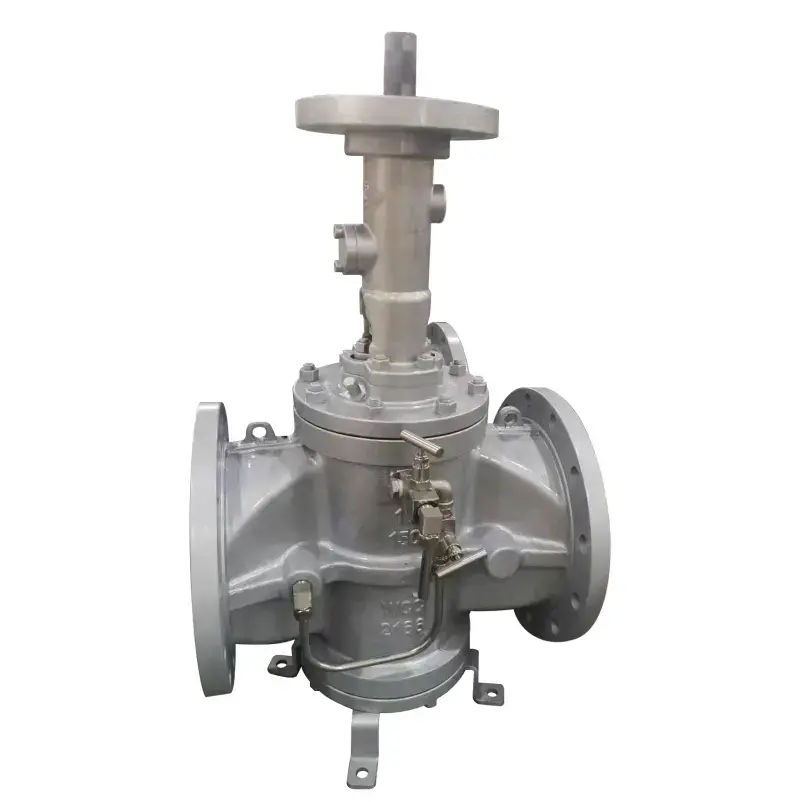
1. What is Pressure Balanced Plug Valve?
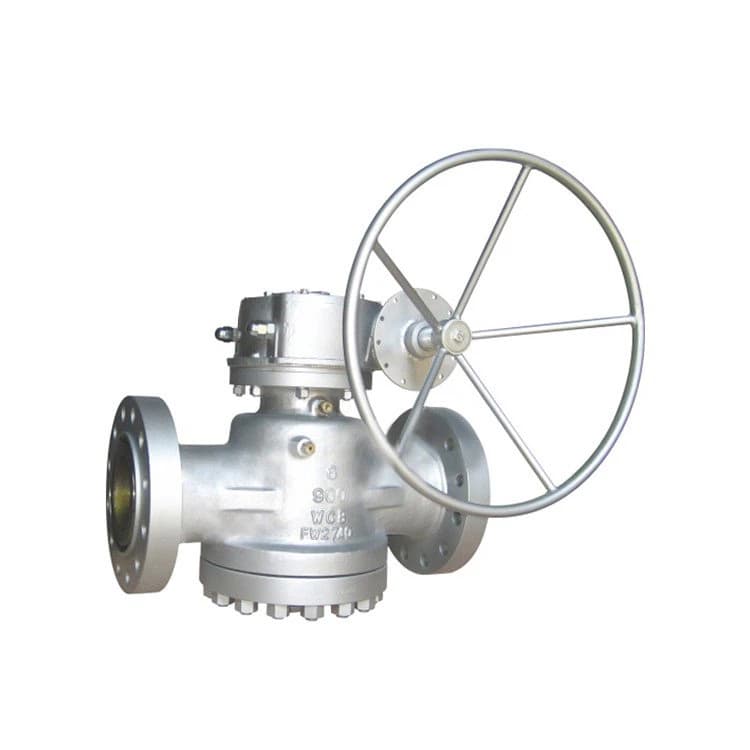
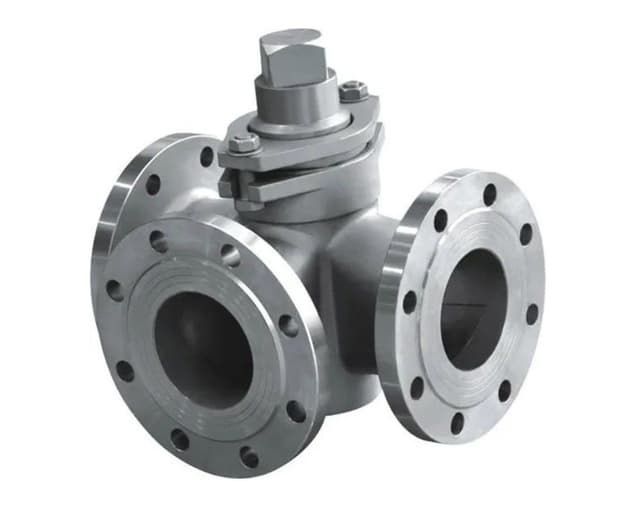
A Pressure Balanced Plug Valve is a sophisticated flow control component engineered for high-pressure industrial environments where mechanical reliability and operational ease are essential. This specialized device features a conical or cylindrical core within the body, specifically designed to handle high-differential pressures by equalizing the internal forces acting on the rotary plug. By incorporating pressure-balancing channels, the architecture prevents the plug from becoming wedged or jammed under extreme loads, a common issue in standard high-pressure isolation.
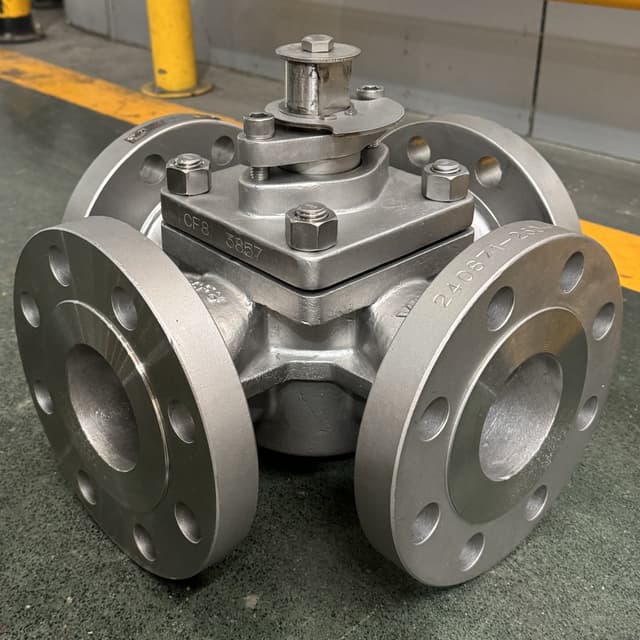
The construction typically utilizes high-strength metallurgical standards, such as cast steel WCB for general industrial loops or stainless steel variants like CF8 and CF8M for corrosive media. For specialized chemical processing involving aggressive acids, these units may also be produced using high-performance polymers like PVDF or CPVC to maintain structural integrity. Adhering to pressure ratings from PN1.0 up to PN1.6 MPa and beyond, this equipment serves as a critical barrier in thermal, chemical, and slurry transport systems.
2. How this Balanced Device Works?
The operational principle of this assembly centers on a rotary mechanism that translates mechanical torque into the alignment of internal flow paths while maintaining force equilibrium. Unlike traditional designs where high pressure pushes the plug into the seat with excessive force, this system utilizes internal porting to distribute pressure evenly.
The core operational stages include:
- Pressure Equalization: As process media enters the valve, specialized balance holes or internal channels allow the fluid pressure to reach both the top and bottom of the plug. This creates a state of equilibrium, significantly reducing the vertical thrust and friction between the seating surfaces.
- Actuation and Rotation: The process is initiated via a manual operator or an automated system, such as the AT or GT series pneumatic actuator. This unit generates the necessary torque, transmitted through a precision-machined stem made of 2Cr13 or 304 stainless steel. Because the internal forces are balanced, the required operating torque remains low even under maximum system pressure.
- Sealing and Isolation: When the core reaches the fully closed position, the tapered or cylindrical interface engages with the body seat to ensure a tight shut-off. Advanced packing materials like PTFE or flexible graphite are utilized around the stem to maintain external seal integrity. In hazardous or toxic environments, specialized bellows seal structures can be integrated to achieve zero-leakage performance.
3. Types of Balanced Control Systems
3.1 Material Classification and Properties
To meet the demands of various abrasive and chemical environments, these units are manufactured in several configurations:
Carbon Steel Series: The primary choice for non-corrosive industrial applications, offering high structural durability and reliable operation in temperatures up to 425 degrees Celsius.
Stainless Steel Series: Utilizing CF8 and CF8M, these models provide superior resistance to oxidation and acid-base reactions, making them essential for food processing, pharmaceuticals, and specialized chemical sectors.
Plastic and Lined Variants: For extreme corrosive resistance, units are manufactured from high-performance polymers like PPH or CPVC. These versions are highly effective in handling aggressive chemicals in the chlor-alkali and electroplating industries where metallic components might fail.
3.2 Actuation and Control Variants
Pneumatic Execution: Often paired with AT or GT series aluminum alloy actuators, these systems provide rapid response times and are easily integrated into automated plant control loops for efficient process management.
Electric Automation: Utilizing high-torque electronic actuators, these units allow for precise movement and remote status feedback within a central control room, functioning effectively without the need for compressed air.
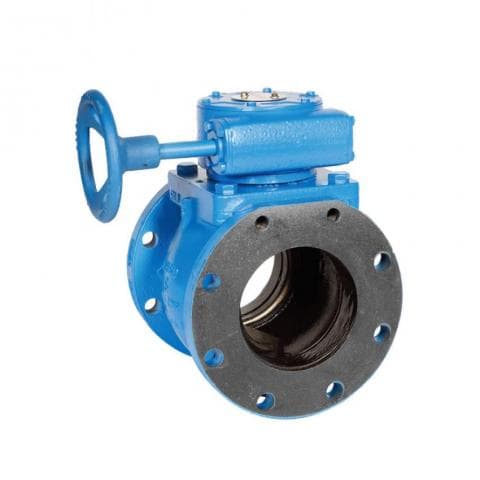
Manual Interface: A dependable mechanical lever or gear operator provides a simple and cost-effective solution for pipelines where automated remote control is not required.
4. Core Advantages of the Pressure Balanced System
The integration of a pressure-balanced architecture provides several technical benefits that enhance the operational lifespan and safety of industrial infrastructure.
Low Operating Torque: By equalizing internal pressures, the friction between the plug and the seat is minimized, allowing for easier operation and the use of smaller, more cost-effective actuators.
Anti-Sticking Design: The balance mechanism prevents the plug from seizing in the seat due to temperature fluctuations or high-pressure surges, ensuring reliable operation after long periods of inactivity.
Durability in Harsh Media: The robust internal design is optimized to handle slurries and media with high solids content, ensuring a clean shut-off where traditional valves might suffer from seat erosion.
| Component | Example Materials | Performance Advantage |
|---|
| Main Body | WCB, CF8, CF8M, PVDF | High pressure rating and chemical compatibility |
| Rotary Plug | 304SS, 316SS, Lined Steel | Balanced design with smooth rotation |
| Drive Stem | 2Cr13, 304SS | High strength and corrosion resistance |
| Stem Packing | PTFE, Graphite | High-integrity external seal under pressure |
| Actuator | AT/GT Aluminum Alloy | Reliable remote operation and rapid response |
5. Industrial Applications
Because of this broad array of specialized applications the Pressure Balanced Plug Valve plays a critical role, thanks in part to its versatility and low-profile design!
- Petrochemical and Refining Units are reliable isolation for high-pressure hydrocarbon flows needed for facility safety ruling out Petrochemical and Refining units.
- Lithium Battery Manufacturing: For precision handling of electrolyte and slurry applications where continuous operation, contamination resistance are critical to product quality.
- Mining and Mineral Processing: Great for abrasive tailings and slurry lines as it is the perfect design to stop the plug from jamming by natural flaking.
- Waste Water and Waste Treatment : Stainless steel models are ideal for safe handling the acid mixture, solid seepage raw materials chemical agent ; Polymer one is to make sure sewag e water pipe system intact.