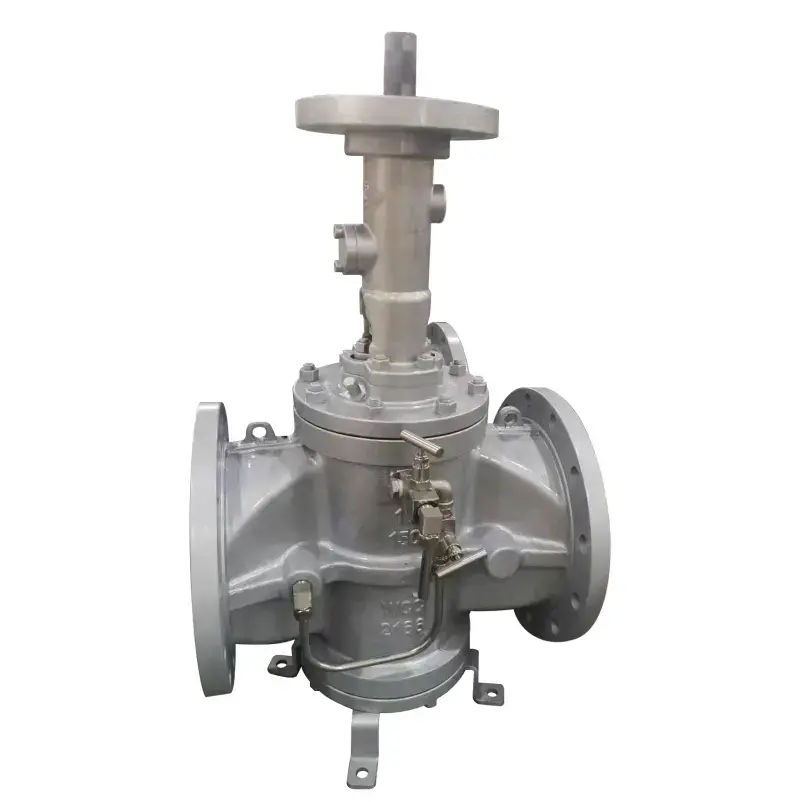
1. What is 4 way Plug Valve?
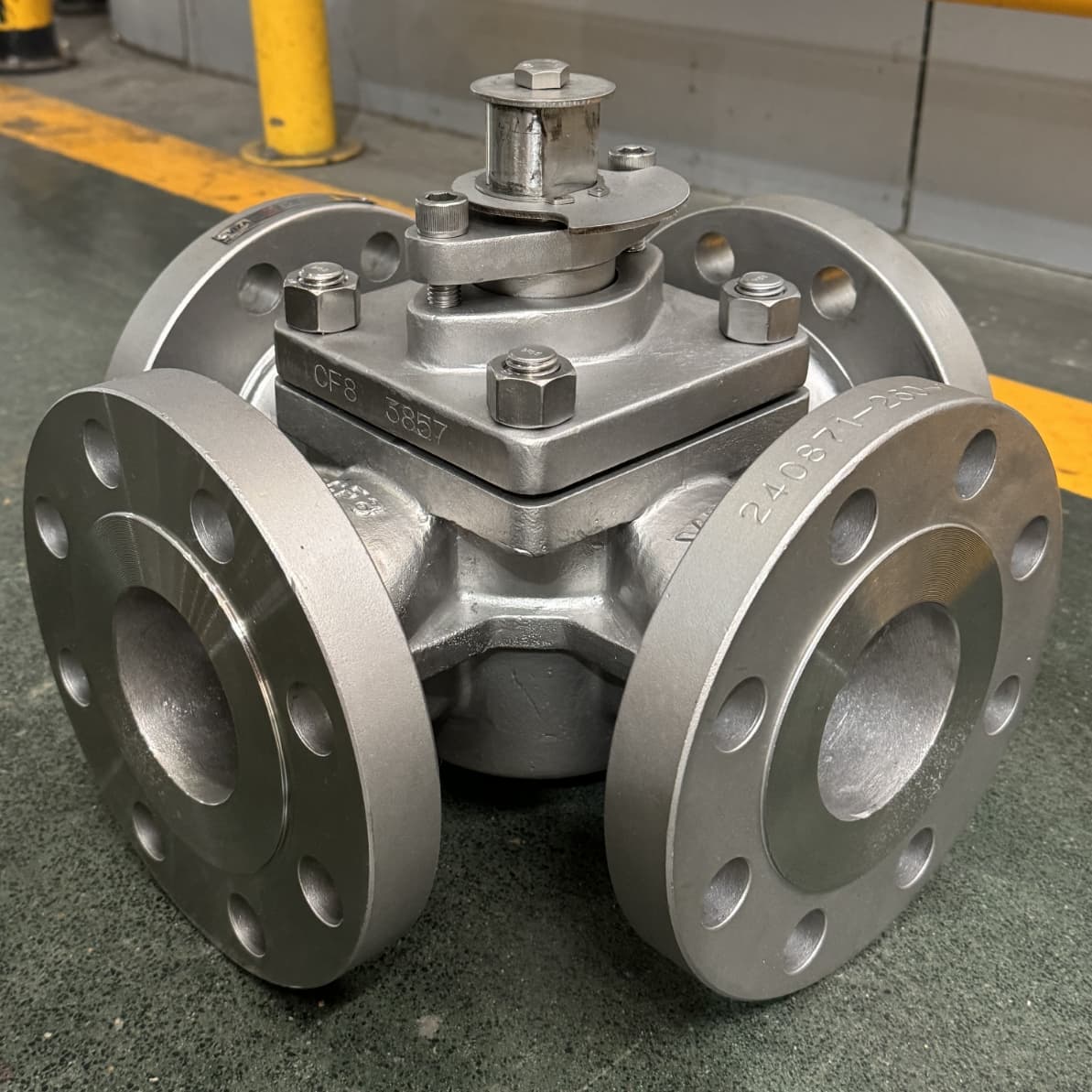
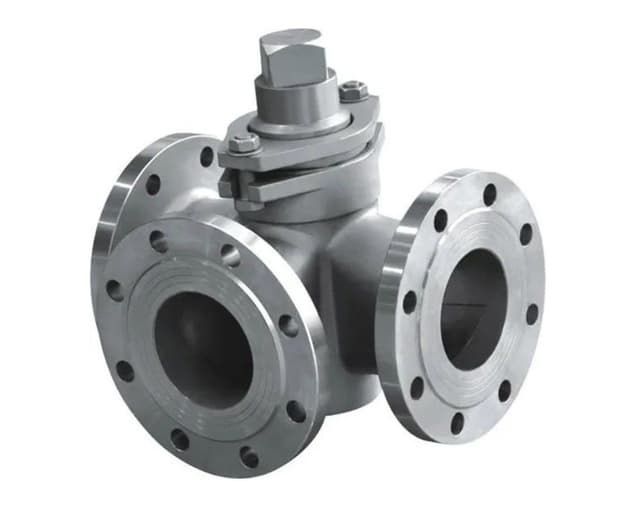
The 4 way Plug Valve can be designated as a special multipurpose flow control component for use in challenging pneumatic conduction and fluid transfer systems that necessitate efficient split, combination or crossover of multiple process streams. A common design for these devices comprises of a cylindrical or tapered internal core that is capable to multiple flow paths in the same operating compartment and execute operations that would normally involve several traditional two-way valves. This design consolidates into one body the four separate ports and greatly reduces system size while reducing by an order of magnitude additional potential leak points from flange connections or fittings.
Typically these high-performance units are constructed of heavy metallurgical standards with cast steel WCB for general industrial use or stainless steels like CF8 and better including CF8M required for either corrosive service duties. For chemical process applications in which aggressive acids or alkalis are used the device can be made of high performing polymers (PVDF, PPH, CPVC). These units are designed to comply with global pressure standards starting from PN1. 0 to PN1. The design pressure is 6 MPa, maintaining operational stability over thermal and chemical loops.
2. How this Multi-port Device Works?
The operational mechanism of this four-port assembly centers on the rotation of the internal rotary core to align specific flow channels with the inlet and outlet ports of the valve body. By shifting the position of the core, the operator can simultaneously open or close different paths, enabling the redirection of media with high precision.
The core operational stages include:
- Actuation and Torque Delivery: The process is initiated by a manual operator or an automated system, such as the AT or GT series pneumatic actuator. This execution unit generates the necessary torque, which is transmitted through a precision-machined stem. Stem materials are typically selected for high strength and wear resistance, such as 2Cr13 or 304 stainless steel.
- Flow Path Alignment: As the internal core rotates, its internal galleries connect the various ports. For example, in a cross-over configuration, the device can switch flow from two separate lines simultaneously. The precision of the machining ensures smooth transitions with minimal pressure loss and turbulence.
- Sealing and Stabilization: When the core reaches the desired position, the interface between the core surface and the body seat provides a reliable seal. High-quality packing materials, including PTFE or flexible graphite, are utilized around the stem to maintain external integrity. For hazardous or toxic media, a bellows seal structure may be implemented to ensure zero leakage to the environment.
3. Types of Multi-port Systems
3.1 Material Classification and Properties
To meet the diverse demands of modern industrial processing, this Plug Valve category is produced in several material configurations:
Carbon Steel Series: Designed for non-corrosive industrial applications, these units provide excellent structural durability and can operate reliably in high-temperature environments up to 425 degrees Celsius.
Stainless Steel Series: Utilizing CF8 and CF8M grades, these models offer superior resistance to oxidation and chemical reactions. They are essential for applications in food processing, pharmaceuticals, and corrosive chemical sectors.
Plastic and Lined Variants: For specialized chemical handling, units are available in materials like UPVC, CPVC, and PVDF. These versions are particularly effective in chlor-alkali, lithium battery manufacturing, and electroplating industries where metallic components might suffer from rapid degradation.
3.2 Actuation and Control Variants
Pneumatic Automation: Often equipped with AT or GT series aluminum alloy actuators, these systems allow for rapid port switching and can be integrated into automated facility control loops.
Electric Actuation: Utilizing high-torque electronic units, these allow for precise incremental movement and remote status feedback, functioning effectively in locations where compressed air is unavailable.
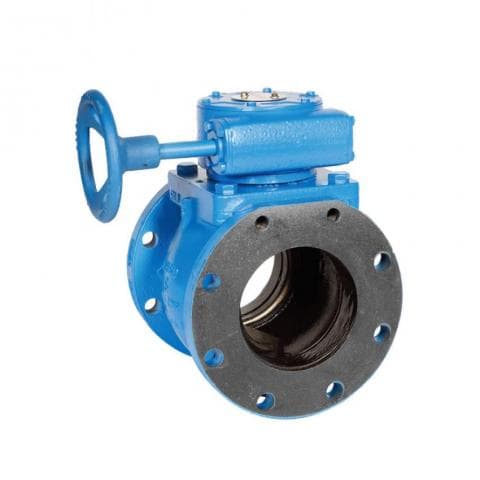
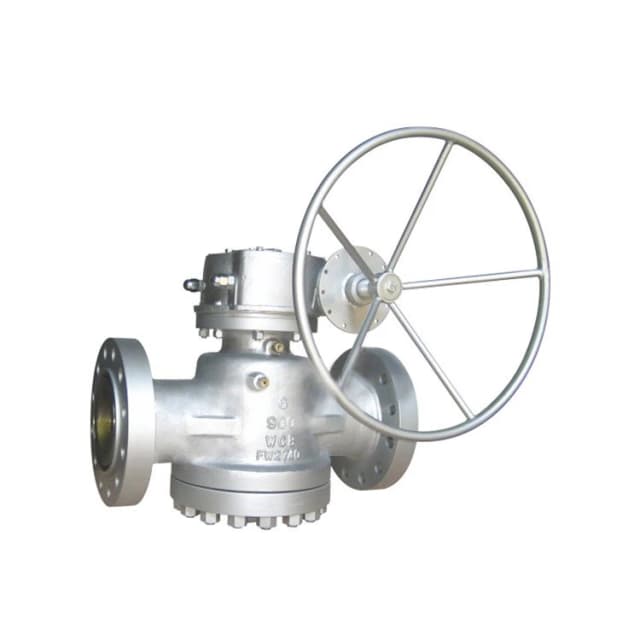
Manual Interface: A dependable mechanical handwheel or lever provides a simple solution for pipelines where automated control is not a priority.
4. Core Advantages of the System
The implementation of a dedicated four-port distribution system offers several technical benefits that enhance the operational lifespan of industrial infrastructure.
Space-Saving Design: The multi-port architecture reduces the weight and space required for complex manifold systems, allowing for easier installation in tight compartments.
Enhanced Flow Efficiency: The internal design is optimized for high Cv values, ensuring that viscous media or slurries can be moved through the ports with minimal resistance.
Ease of Maintenance: Due to its simplified structure, the unit can be inspected or repaired by loosening the flange bolts, reducing downtime during plant maintenance cycles.
| Component | Example Materials | Performance Advantage |
|---|
| Main Body | WCB, CF8, CF8M, PVDF | High pressure rating and chemical resistance |
| Rotary Core | 304SS, 316SS, Lined Steel | Smooth switching and durability |
| Drive Stem | 2Cr13, 304SS | High torque transmission and corrosion resistance |
| Stem Packing | PTFE, Bellows Seal | High-integrity external seal for hazardous media |
| Actuator | AT/GT Pneumatic | Reliable remote operation and rapid response |
5. Industrial Applications
The versatility of the 4 way Plug Valve makes it a critical component across various specialized sectors:
- Chemical & Petrochemical Industry: Critical for avoiding the diversion of raw materials to (or from) reactors and storage units, especially with aggressive chemical reagents.
- Manufacture of Lithium Battery: Slurries and electrolytes used to handle reliable port switching, ensuring the quality of products not tainting each other.
- Mining and Mineral Processing: These units are highly efficient on abrasive tailings and slurry lines, preventing build-up of material with a tough internal core.
- Pulp and paper making: Used to circulate high consistency pulp, thick stock or recycled fibers in various processing stages where reliability of the system is paramount even at heavy operating conditions.