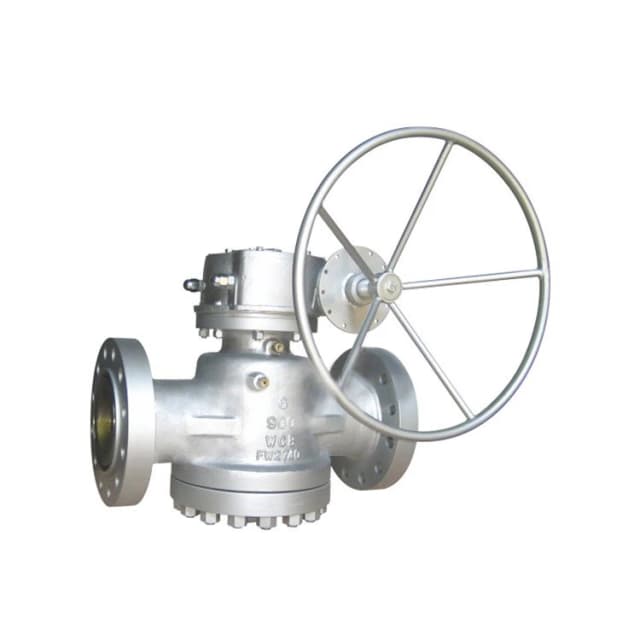
1. What is Orbit Plug Valve?
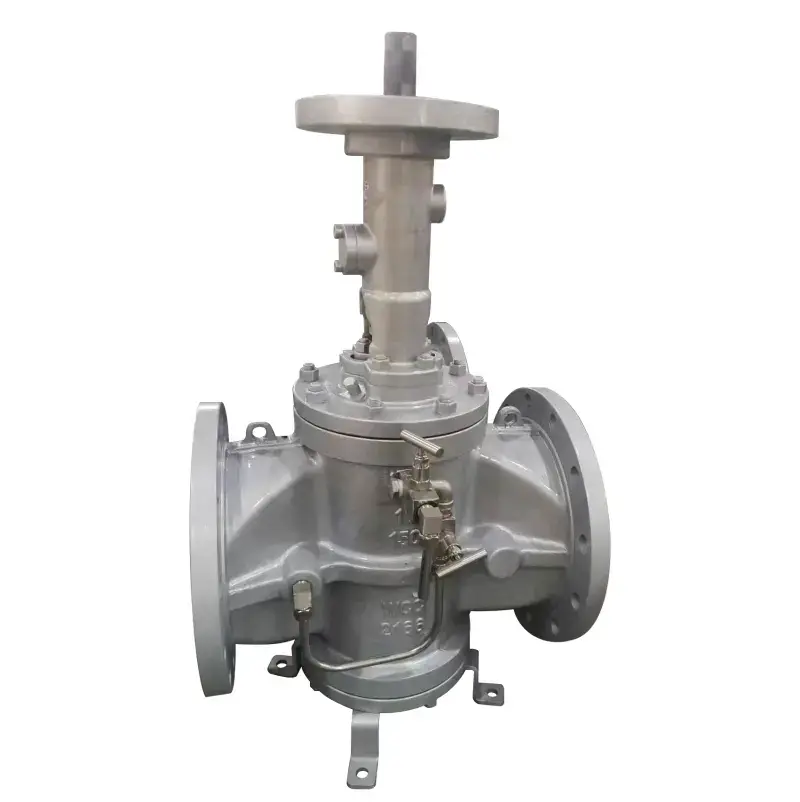
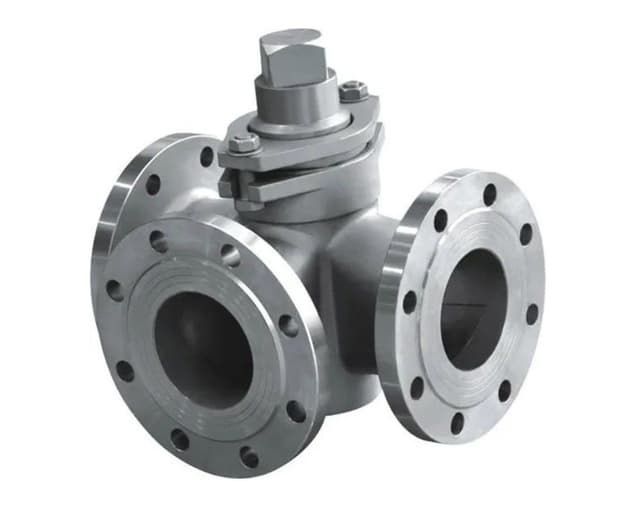
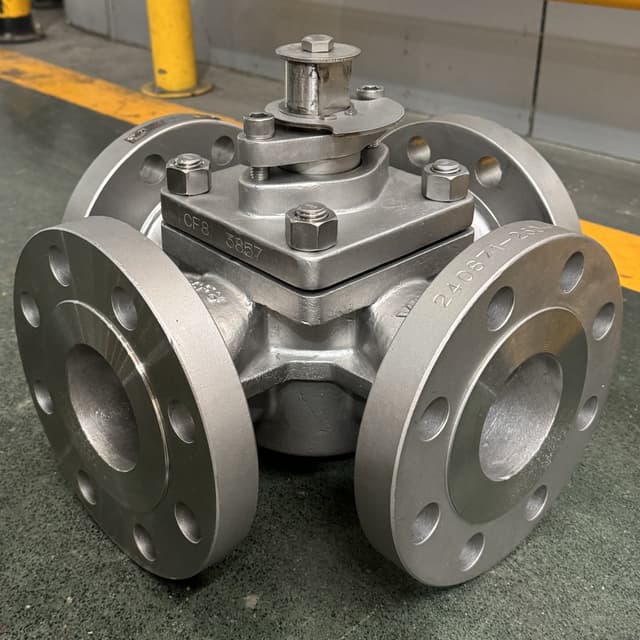
The Orbit Plug Valve is a high-performance flow control solution designed for demanding pipeline applications. The specific isolation tool features a special tilt-and-turn mechanism that sets it apart from regular rotary assemblies. The valve is equally well suited to short-stroke applications where high pressure integrity must be maintained, and its compact yet robust design allows an optimum installation position between pipeline flanges. The fabrication follows international norms and uses robust metallic bodies such as cast steel WCB or stainless steels including CF8 and CF8M, guaranteeing unwavering functionality under the PN1 pressure range. 0 to PN1. 6 MPa.
A high pressure closure assembly, it is used in applications for handling abrasive slurries as well as high temperature gases or aggressive chemical media. Its internal design raises the core off of its sealing surface — at least, it removes lateral friction forces on that interface before rotation commences to help prevent seat wear. This isolation solution functions when used in conjunction with an automatic execution system or by implementing it to a hand operated way and remains encapsulated inside intricate heat energy and chemical method loops.
2. How this Orbiting Device Works?
The operational principle of this industrial assembly centers on a dual-action linear and rotary motion that eliminates friction during the opening and closing cycles. By isolating the sealing surfaces from the flow path during movement, the device effectively extends the service life of internal components.
The core operational stages include:
- Lift and Actuation Phase: The process is initiated by a manual operator or an automated execution unit, such as the AT or GT series pneumatic actuator. This unit generates the necessary torque, which is transmitted through a precision-machined stem, often made from 2Cr13 or 304 stainless steel. Upon initiation, the internal stem mechanism lifts the core vertically to disengage it from the valve seat.
- Friction-Free Rotation: Once the core is clear of the seating surface, the stem continues to rotate the core into the desired position. Because the sealing surfaces are not in contact during this rotation, the risk of mechanical abrasion is eliminated. The narrow profile of the housing ensures that the core stays perfectly aligned throughout the travel path.
- Reseating and Stabilization: When the core reaches the fully closed or open position, the mechanism drives it back against the seat to form a bubble-tight seal. High-quality packing materials like PTFE or flexible graphite are utilized around the stem to maintain a leak-free external environment. This equilibrium protects downstream equipment from contamination or sudden pressure surges.
- Types of Specialized Rotary Units
3.1 Material Classification and Properties
These high-integrity units are manufactured in a variety of metallurgical and non-metallic forms to satisfy the demands…
WCB Series (Carbon Steel)The most economy carbon steel access doors for non-corrosive industrial service. These mechanical form controls have deployability up to 425 degrees Celsius and also exhibit superior thermal co-sign. SS (CF8, CF8M) Series: These series are used for acid-base and pharmaceutical industries which need more protections including anti-oxidation, anti-acid corrosion. The Assembly: If the assembly is to be used for specialized chemical handling, it may also consist of high-performance polymer variants such as PVDF,, CPVC or PPH. The new-generation 2.0 versions work well in dealing with strong acids and the need for demineralized water associated with semiconductor manufacturing, lithium battery manufacturing.
3.2 Actuation and Control Variants
Pneumatic Automation Systems: Equipped with AT or GT series aluminum alloy actuators, these provide rapid response times and can be integrated into automated facility control loops for efficient process management.
Electric Motorized Systems: Utilizing high-torque electronic actuators, these allow for precise movement and status feedback within a central control room, functioning effectively without the need for compressed air.
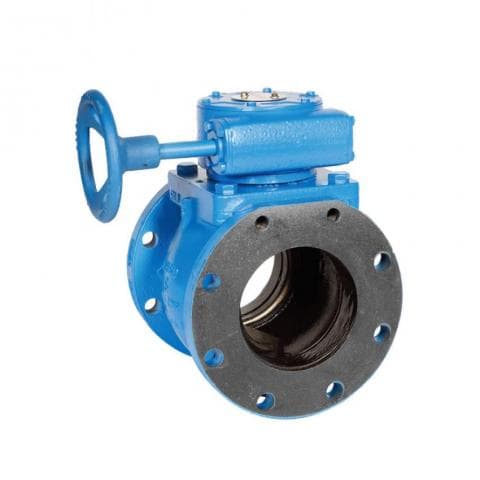
Manual Interface: A dependable mechanical lever or gear operator provides a simple and dependable solution for pipelines where automated remote control is not a requirement.
4. Core Advantages of the Orbit System
The integration of a dedicated orbiting isolation system provides several technical benefits that enhance the safety and efficiency of industrial infrastructure.
Frictionless Operation: The unique lift-and-turn design prevents contact between the core and seat during rotation, significantly reducing wear and the torque required for operation.
Superior Sealing Integrity: The mechanical wedge action ensures a high-pressure seal that remains effective even in systems with fluctuating temperatures or high solids content.
Ease of Maintenance: Due to the streamlined construction, the unit can be easily serviced or inspected by loosening the flange bolts, minimizing facility downtime during maintenance cycles.
| Component | Example Materials | Performance Advantage |
|---|
| Main Body | WCB, CF8, CF8M | Compact design with high pressure rating |
| Rotary Core | 304SS, 316SS | High durability and erosion resistance |
| Drive Stem | 2Cr13, 304SS | Smooth motion and high torque capacity |
| Stem Packing | PTFE, Graphite | High-integrity external seal under pressure |
| Actuator | Aluminum Alloy (AT/GT) | Reliable remote operation and rapid response |
5. Industrial Applications
Where the Orbit Plug Valve Will Be CrucialAcross a wide range of specialized industrial sectors, the varied and robust design characteristics make these valves indispensable:
- Petrochemical and Refining – these units are the workhorses, necessary for handling high pressure hydrocarbon flows where reliable leak free isolation is essential to site safety and environmental protection.
- Mining and Minerals Processing: Used to isolate abrasive tailings or slurry lines, the Friction Free design is effective in preventing material build up and seat damage.
- Lithium Battery Production: Designed to regulate electrode slurries and electrolytes with the necessary system isolation to prevent sensitive process media from being contaminated.
- Chemical and Water Treatment- For aggressive chemical mixtures, as well as wastewater sludge the stainless steel or polymer models work long term integrity for your system under tough conditions