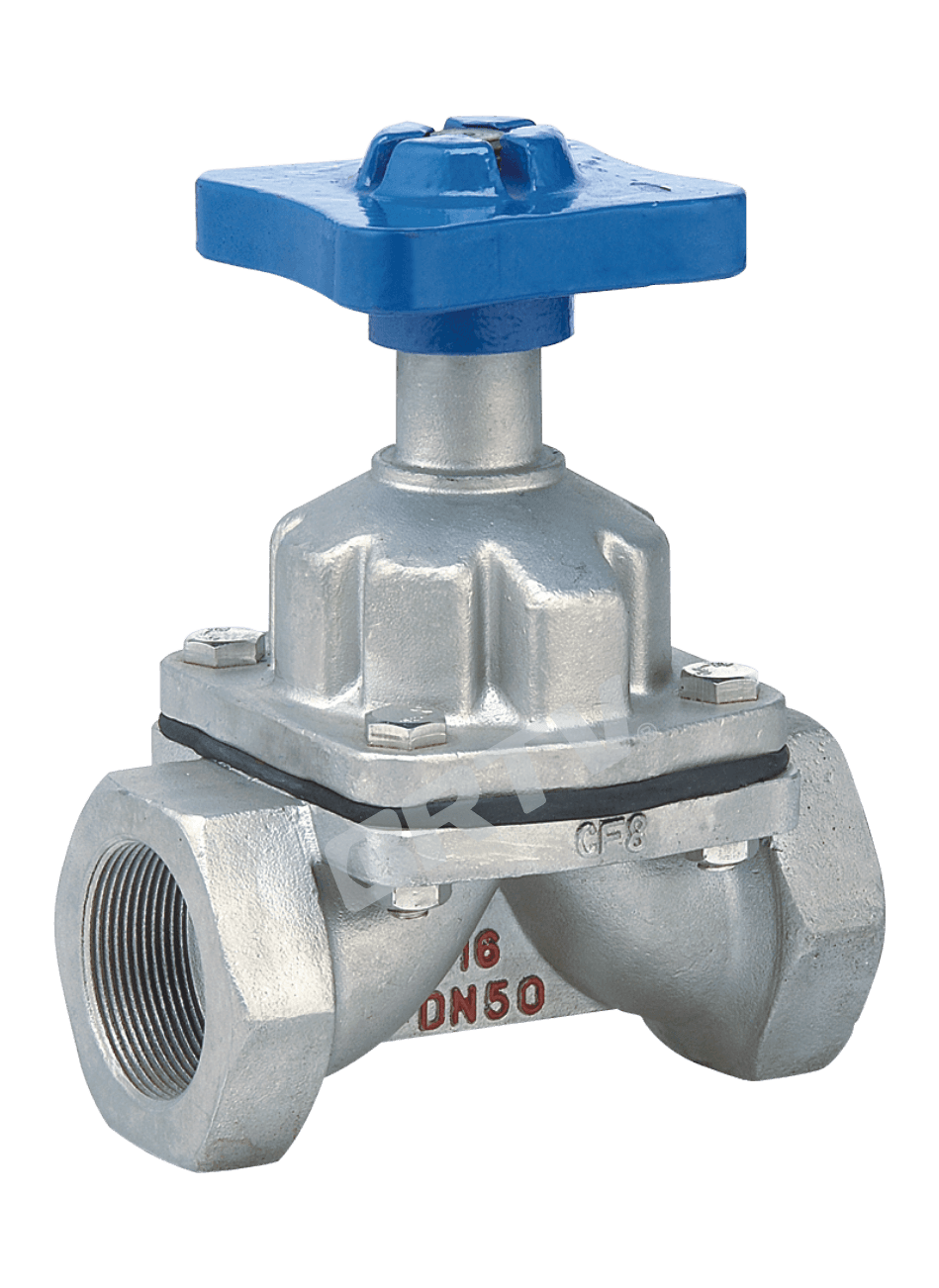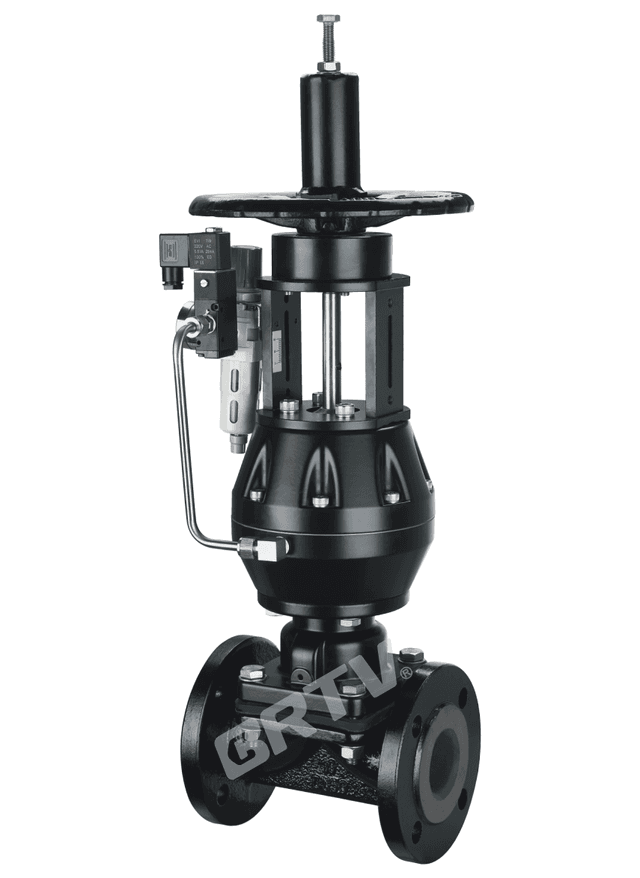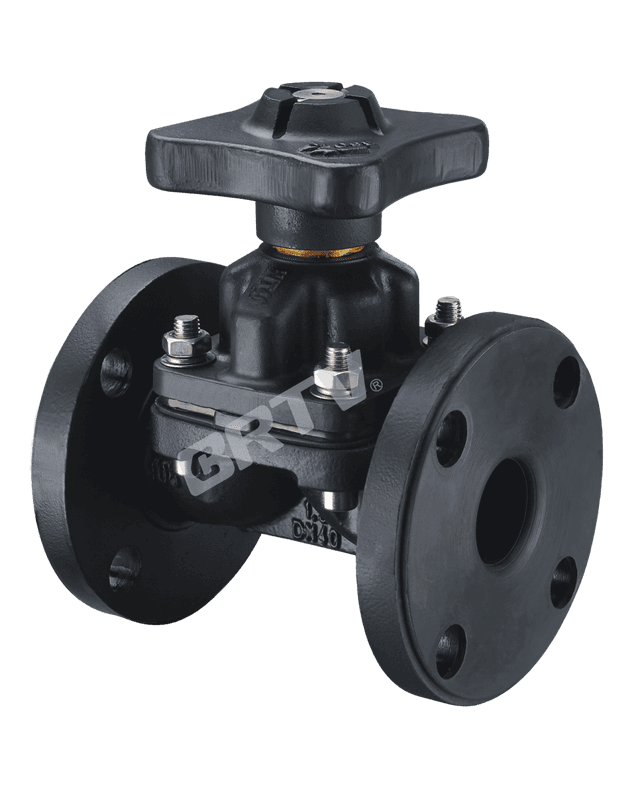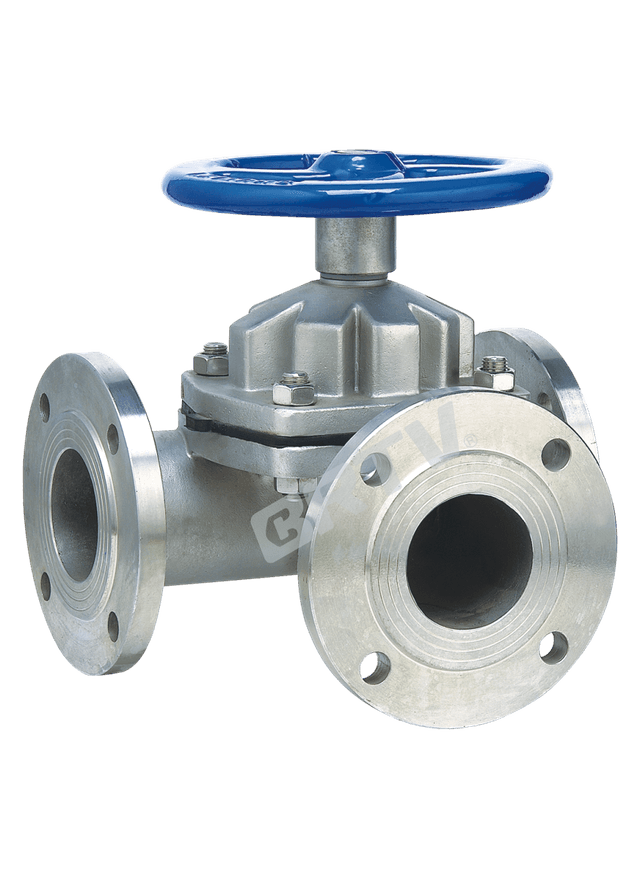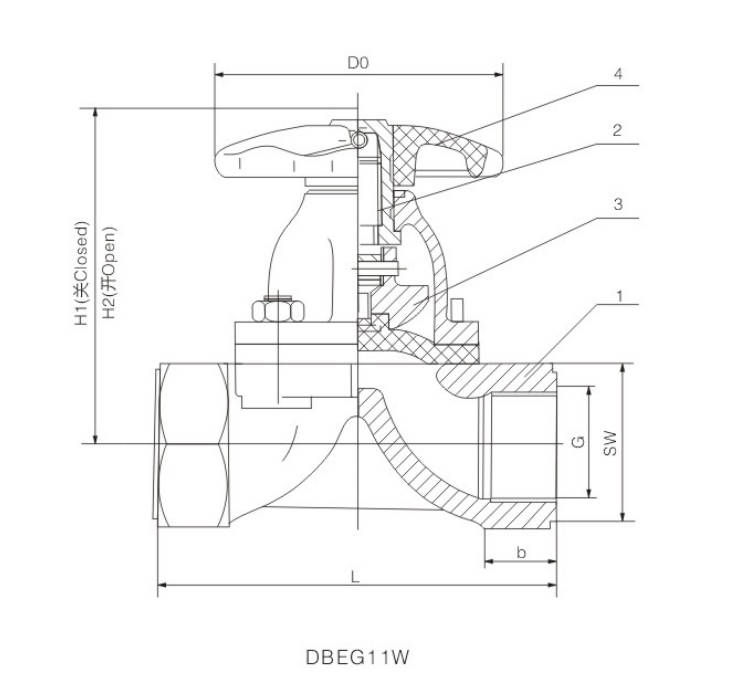
Main Part Material
| NO | Name of parts | Gray cast iron (Z) | Cast steel (C) | Stainless acid resistant cast steel (P) | Stainless acid resistant cast steel (R) | Ultra-low carbon stainless acid resistant cast steel (PL) | Ultra-low carbon stainless acid resistant cast steel (RL) |
|---|
| 1 | Body/bonnet | HT250 | WCB | CF8 | CF8M | CF3 | CF3M |
| 2 | Disc/Stem | HT250 | 1Cr13 | 1Cr18Ni9Ti | 1Cr18Ni12Mo2Ti | 00Cr18Ni10 | 00Cr17Ni14Mo2 |
| 3 | Diaphragm | Rubber / Fluoroplastic | Rubber / Fluoroplastic | Rubber / Fluoroplastic | Rubber / Fluoroplastic | Rubber / Fluoroplastic | Rubber / Fluoroplastic |
| 4 | Hand wheel | Cast iron / Stainless steel | Cast iron / Stainless steel | Cast iron / Stainless steel | Cast iron / Stainless steel | Cast iron / Stainless steel | Cast iron / Stainless steel |
Main Dimension and Weight
| Nominal pressure | Working pressure | Diameter (mm) | Diameter (inch) | L | SW | B | H1 | H2 | D0 | Weight (kg) |
|---|
| 1.6 | 1.6 | 8 | 1/4 | 50 | 20 | – | 60 | 66 | 45 | 0.6 |
| 1.6 | 1.6 | 10 | 1/8 | 50 | 24 | – | | | 45 | 0.7 |
| 1.6 | 1.6 | 15 | 1/2 | 65 | 38 | 8 | 84 | 92 | 50 | 0.8 |
| 1.6 | 1.6 | 20 | 3/4 | 85 | 40 | 12 | 93 | 103 | 50 | 1.1 |
| 1.6 | 1.6 | 25 | 1 | 110 | 48 | 18 | 106 | 120 | 66 | 1.9 |
| 1.6 | 1.6 | 32 | 1 1/4 | 120 | 58 | 18 | 137 | 156 | 96 | 3.3 |
| 1.6 | 1.6 | 40 | 1 1/2 | 140 | 69 | 18 | 142 | 163 | 96 | 4.2 |
| 1.6 | 1.6 | 50 | 2 | 165 | 82 | 20 | 167 | 192 | 96 | 5.8 |
| 1.0 | 1.0 | 65 | 2 1/2 | 203 | 90 | 30 | 190 | 225 | 165 | 9.5 |
| 1.0 | 1.0 | 80 | 3 | 254 | 105 | 32 | 206 | 246 | 230 | 16.2 |
Manufacturing Process
Step 1: Order and Design
Confirm the specifications of the female threaded diaphragm valve, including size, pressure rating, body material, diaphragm material, end connection standard, and application medium.
Then prepare the production drawing, thread standard, and inspection requirements according to the order.
Step 2: Forging & Casting
Select suitable raw materials for the valve body, bonnet, and other main parts.
The body of the female threaded diaphragm valve is usually produced by casting or forging, depending on pressure class and material requirement.
After forming, the rough parts are cleaned, trimmed, and checked for surface defects.
Step 3: Machining
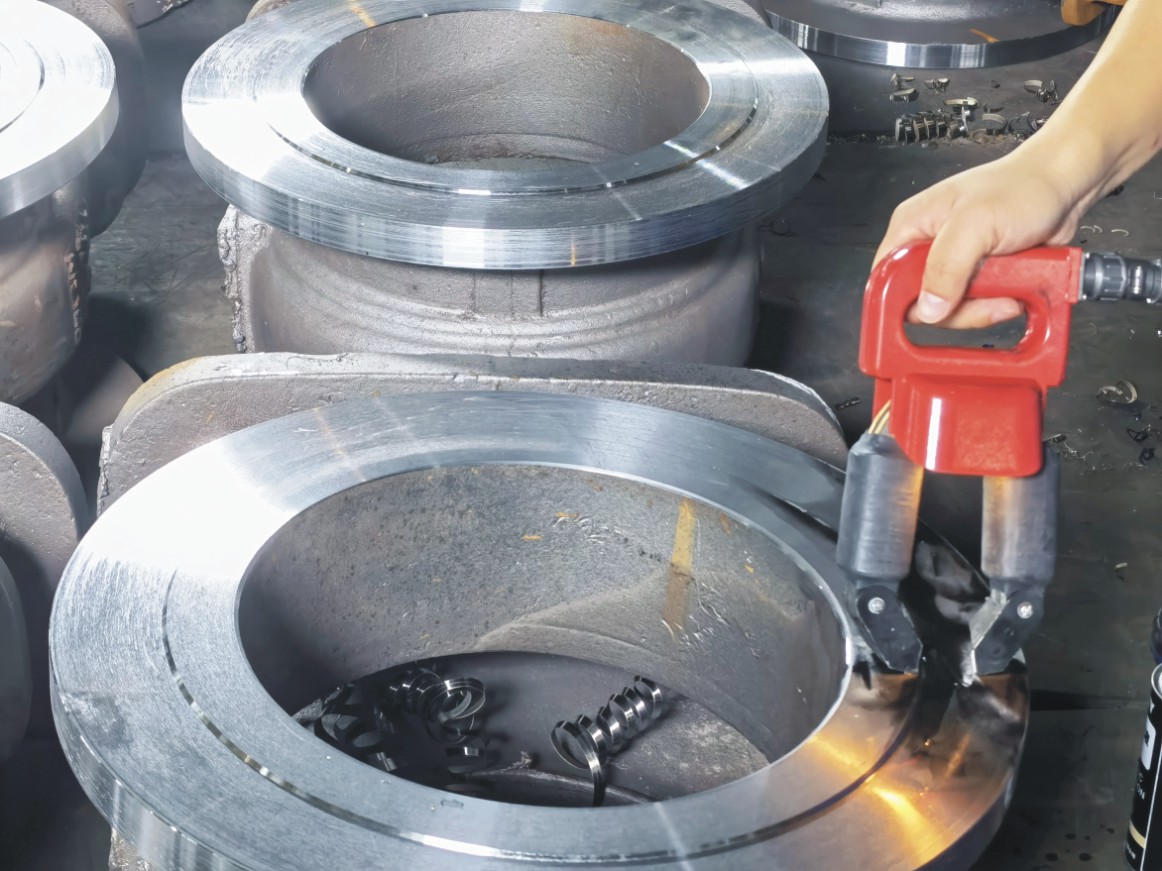
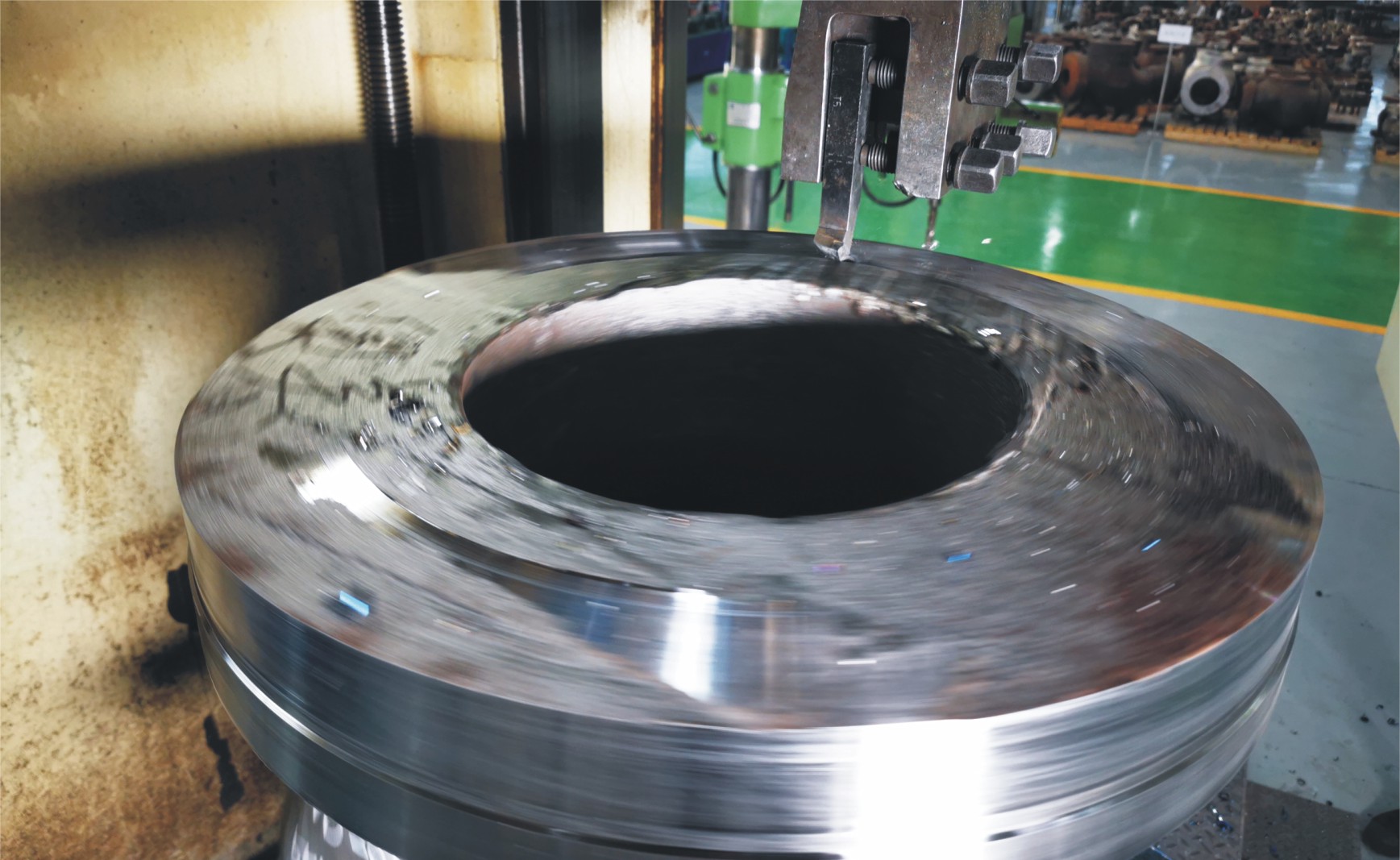
Machine the valve body, bonnet, female threaded ends, sealing surfaces, and internal flow passage according to the drawing.
For the female threaded diaphragm valve, special attention should be paid to thread accuracy, cavity dimensions, and sealing contact area.
After machining, all parts are deburred and cleaned.
Step 4: Assembly
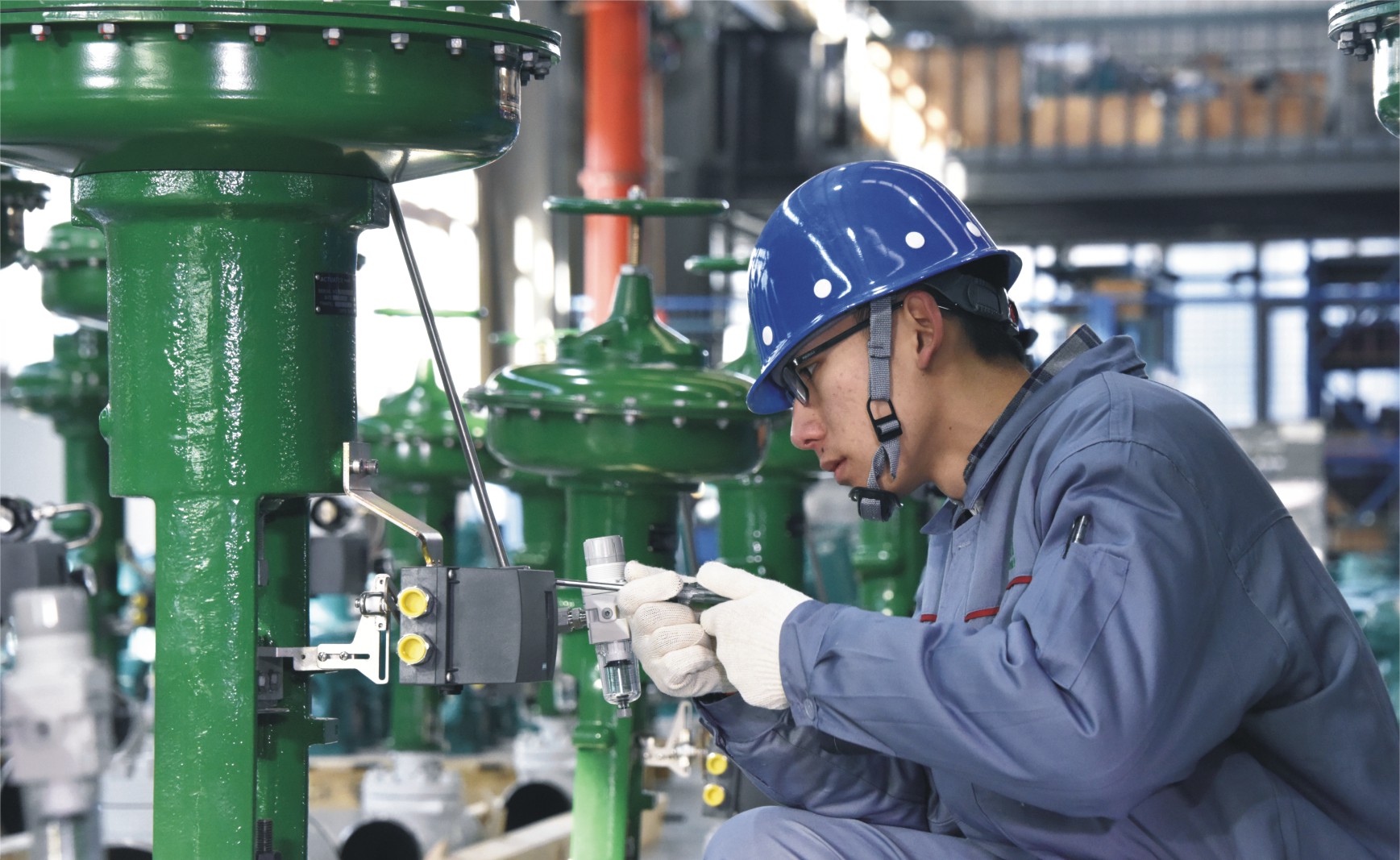
Assemble the bonnet, diaphragm, stem, handwheel, fasteners, and valve body in sequence.
During assembly of the female threaded diaphragm valve, the diaphragm must be installed carefully to ensure proper sealing and smooth opening/closing operation.
Torque control is also important for the bolted connection.
Step 5: Testing & Quality Assurance
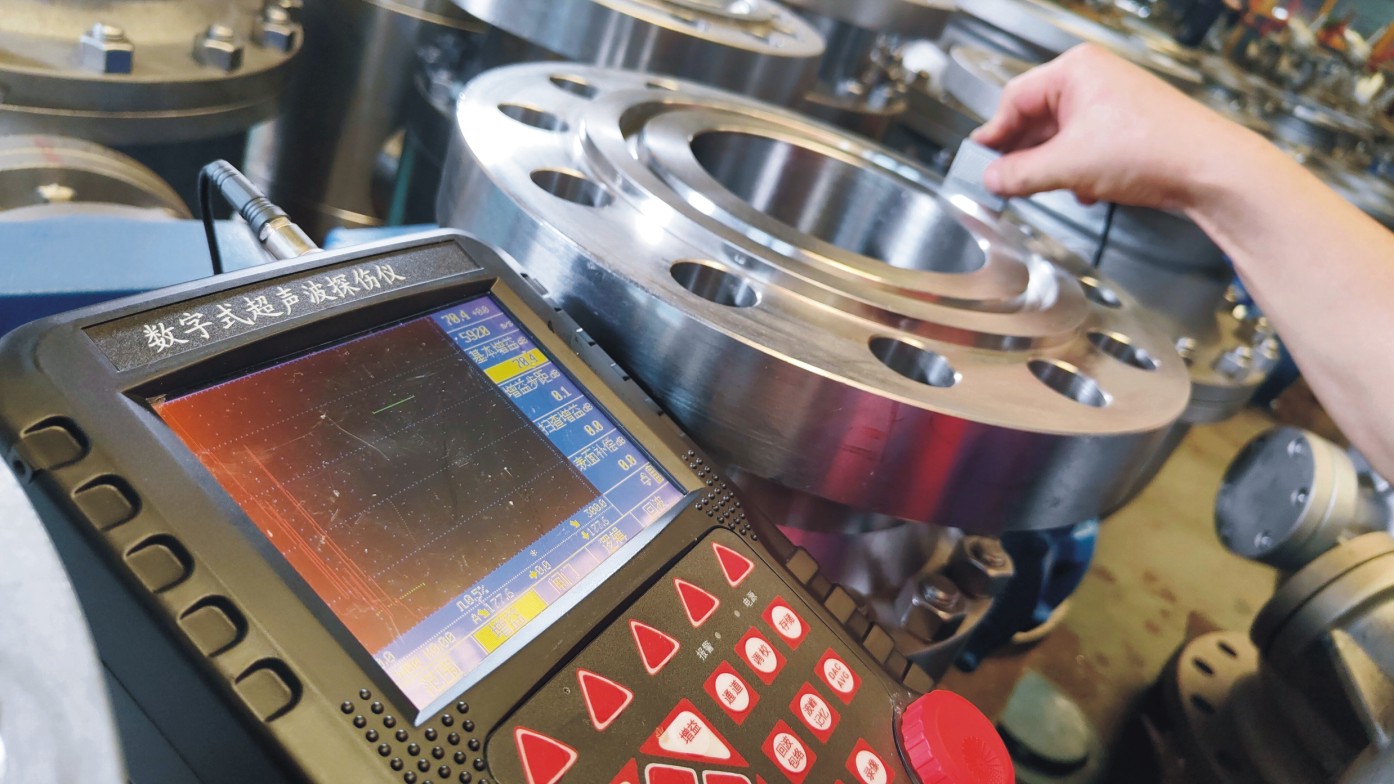
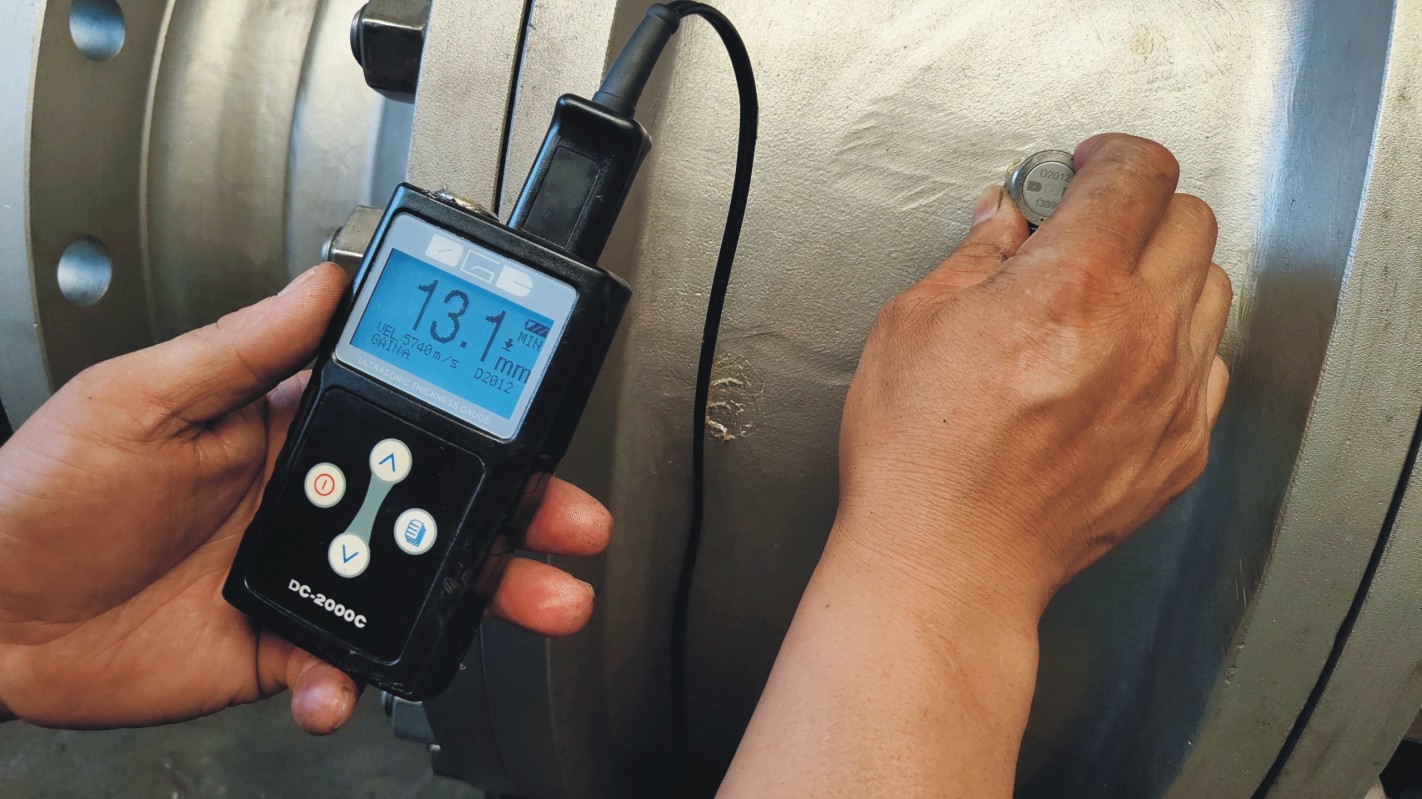
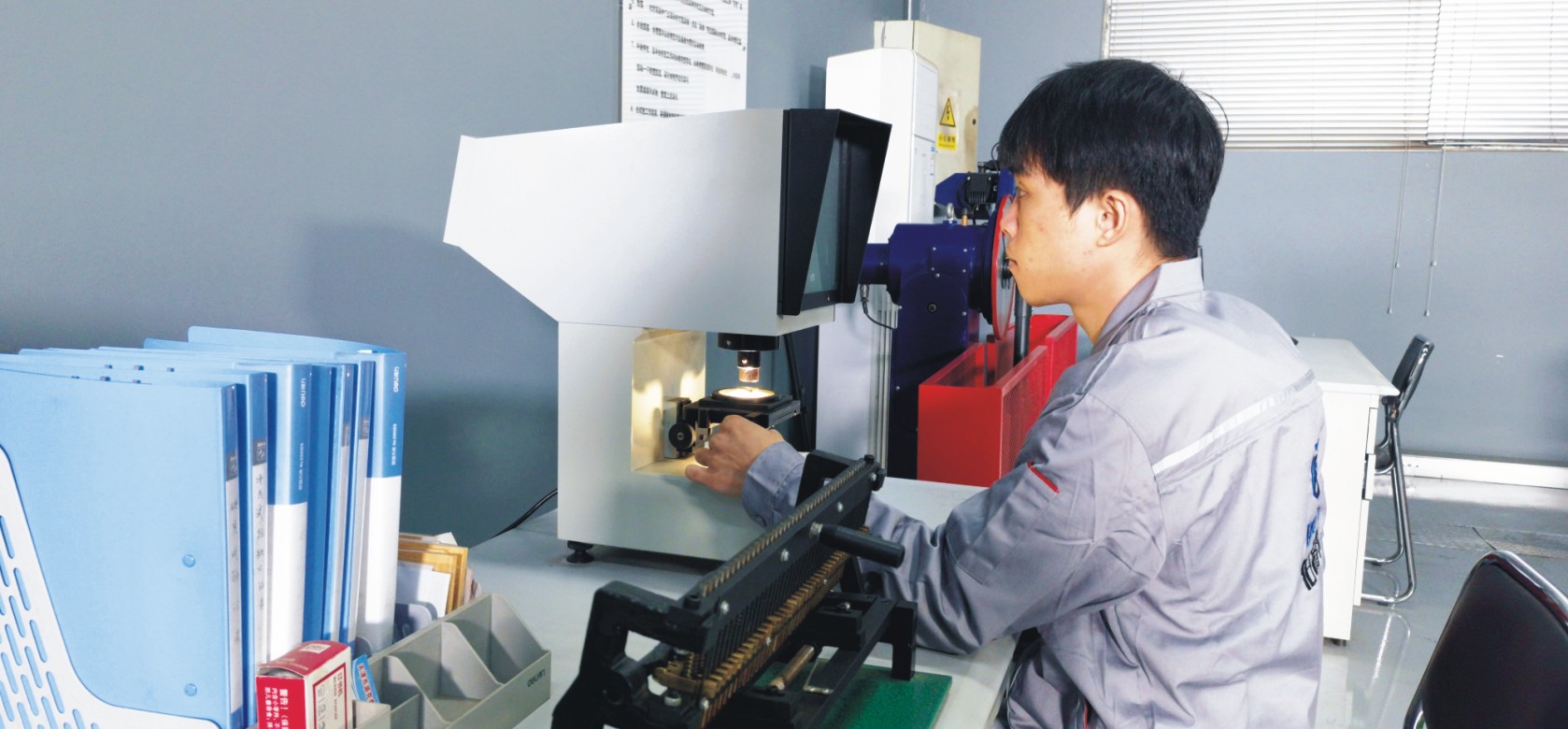
Each female threaded diaphragm valve should undergo pressure testing, sealing testing, and operating performance inspection.
At the same time, dimensions, thread quality, appearance, and material compliance are checked to ensure the valve meets production and customer requirements.
Step 6: Painting and Finishing
After final inspection, the valve surface is cleaned and treated if required.
Then carry out marking, painting or coating, and final packaging to protect the valve during storage and transportation.
Applications
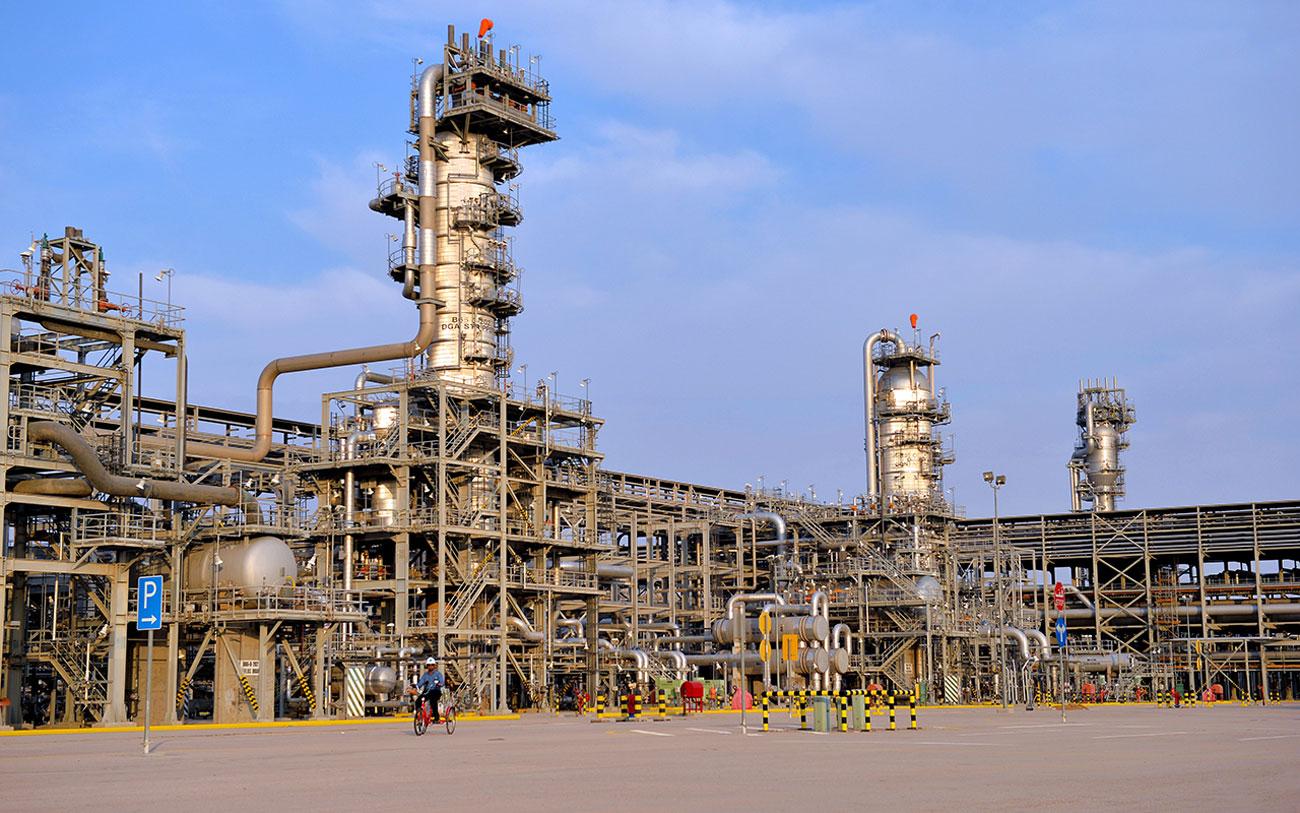
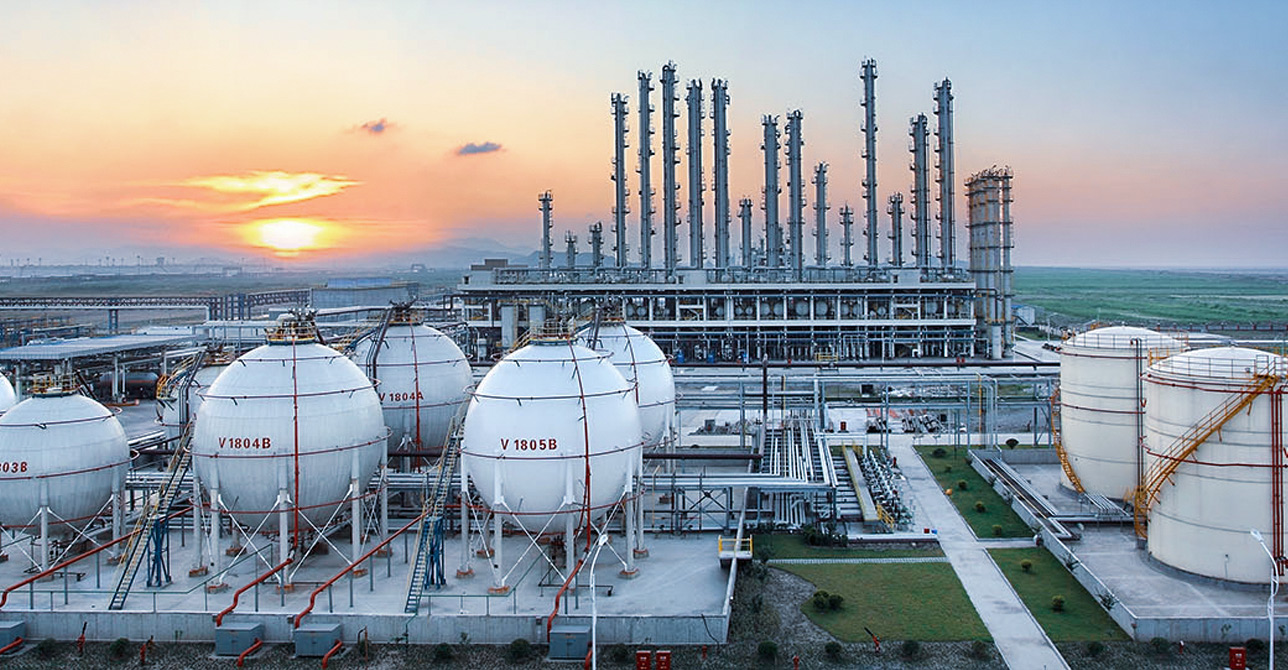
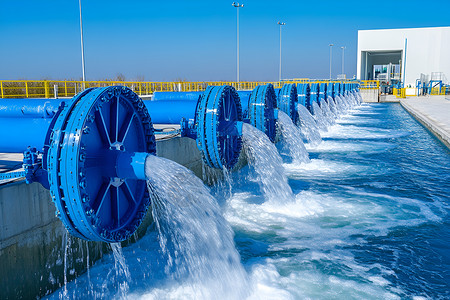
Due to its excellent corrosion resistance, hygienic properties, and reliable sealing performance, this valve is widely used in the chemical and petrochemical, pharmaceutical and biotechnology, food and beverage processing, industrial water treatment, and fine chemicals industries: It can be lined with materials such as PTFE or rubber to withstand highly corrosive media like acids and alkalis, while also meeting the hygiene requirements for pure fluids and food-grade media. Additionally, it is resistant to clogging by fluids containing particles or impurities, making it suitable for applications involving wastewater and tap water. Furthermore, its internal threaded connection allows for easy installation, making it particularly suitable for precision conveyance, sampling, and metering systems in small or compact piping.
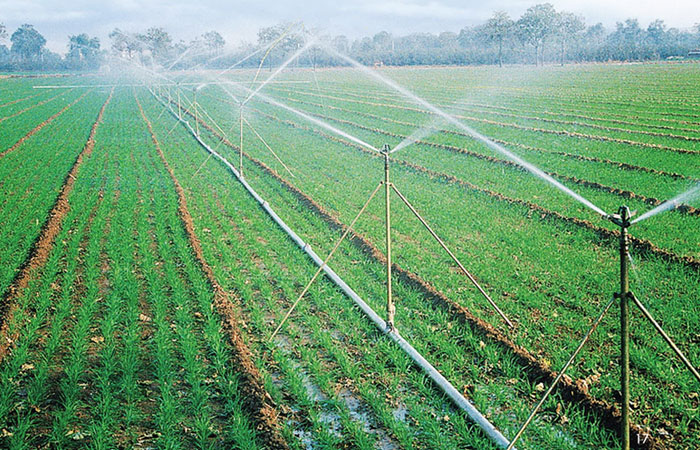
These valves are widely used in:
Agriculture and Irrigation
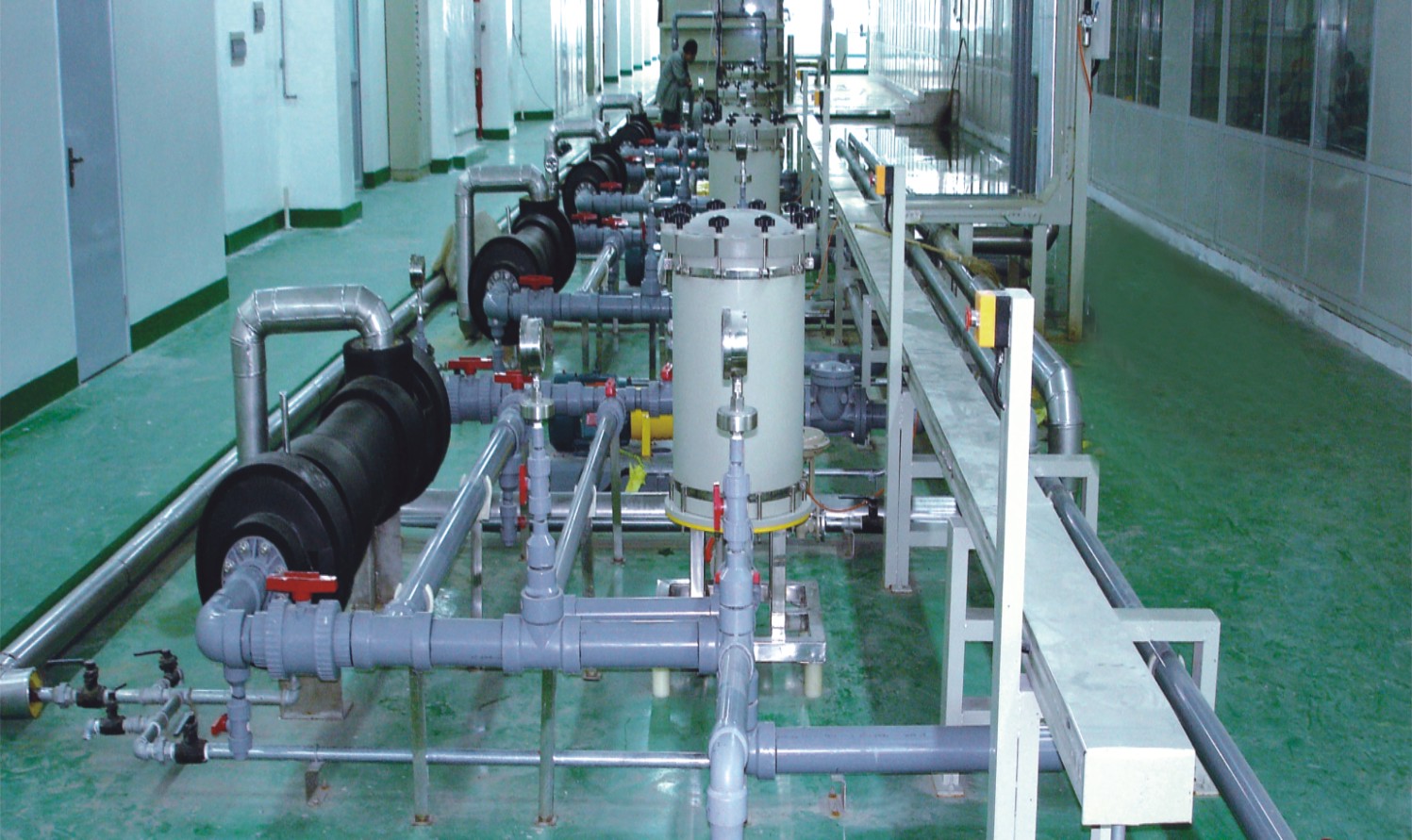
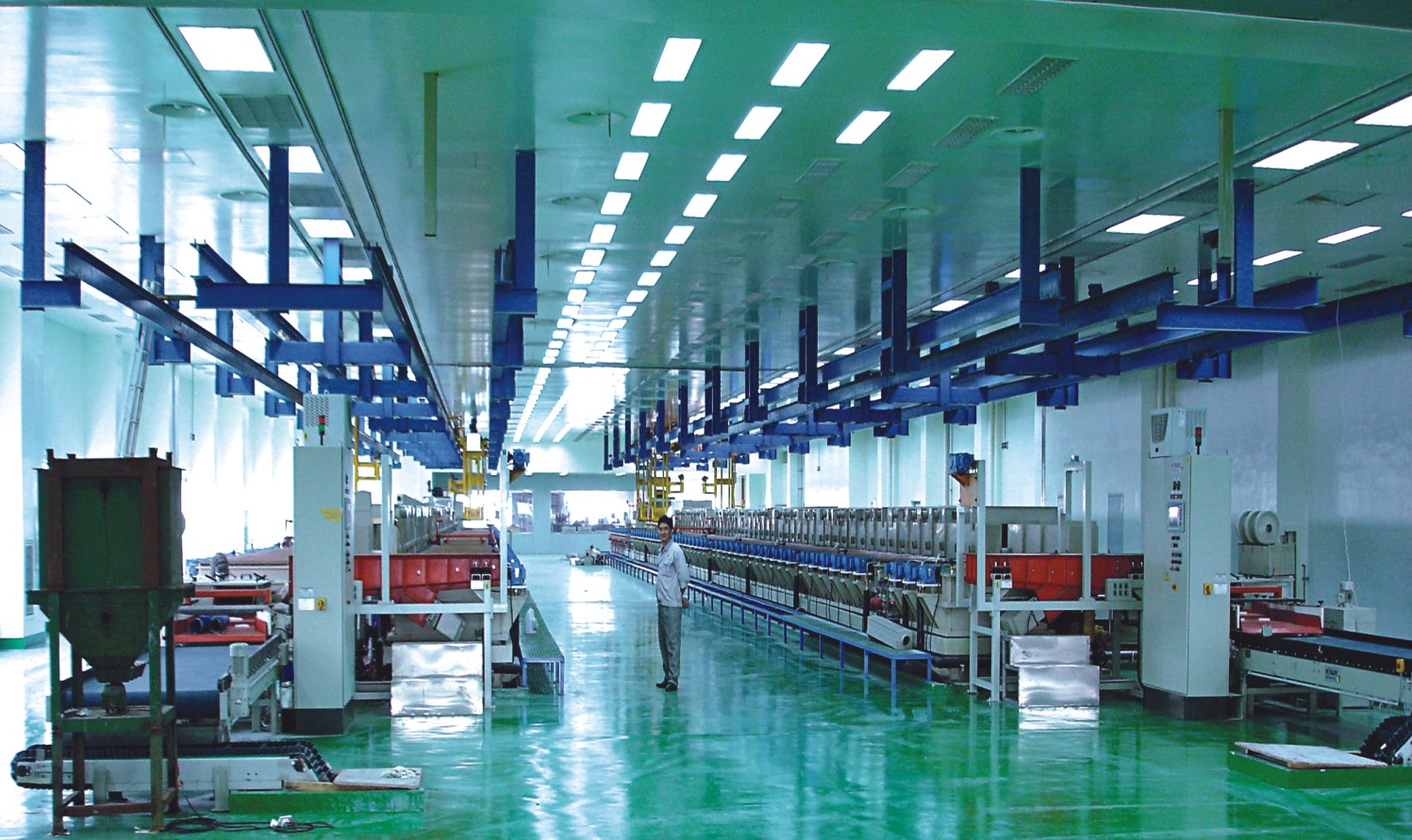
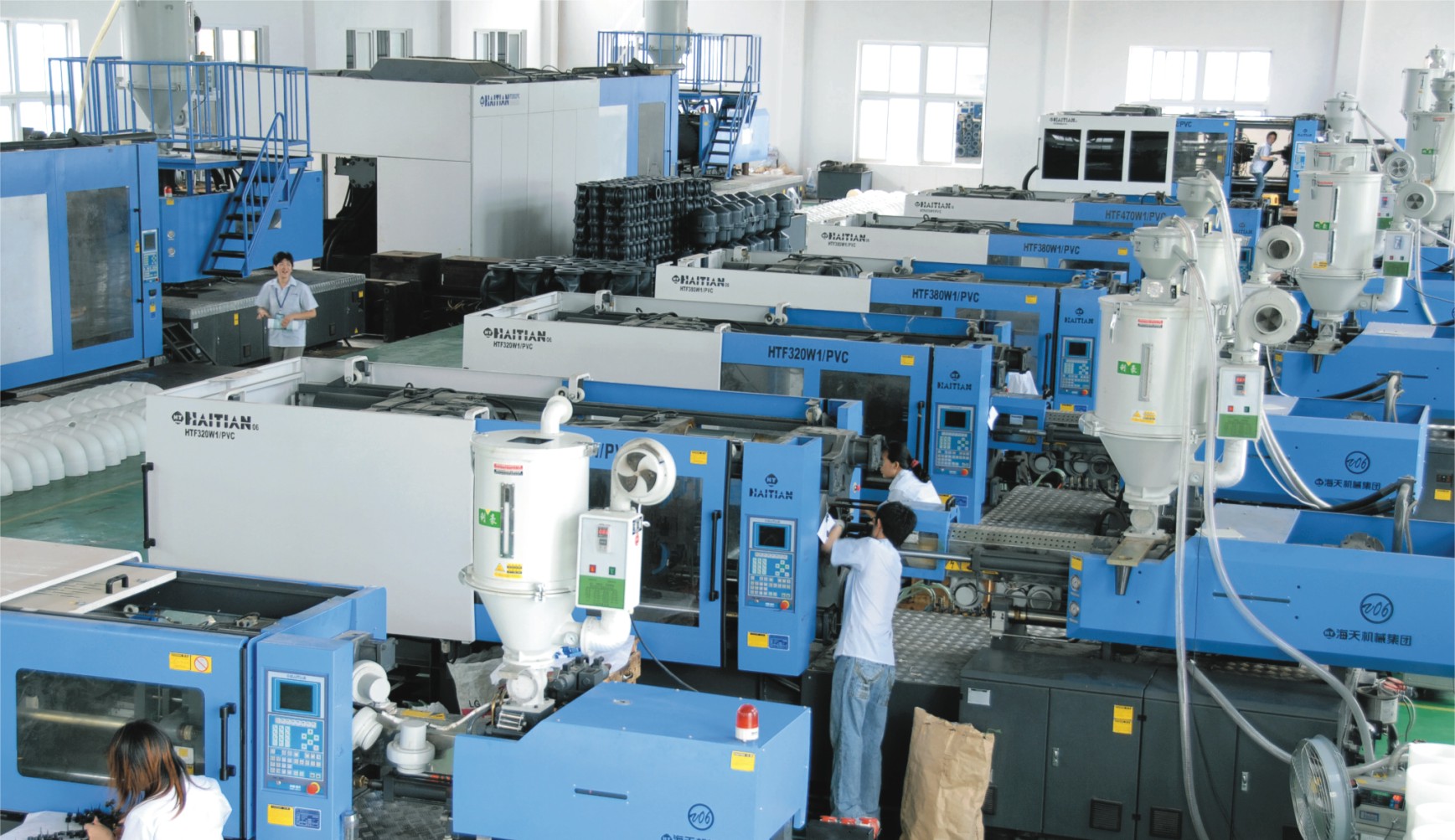
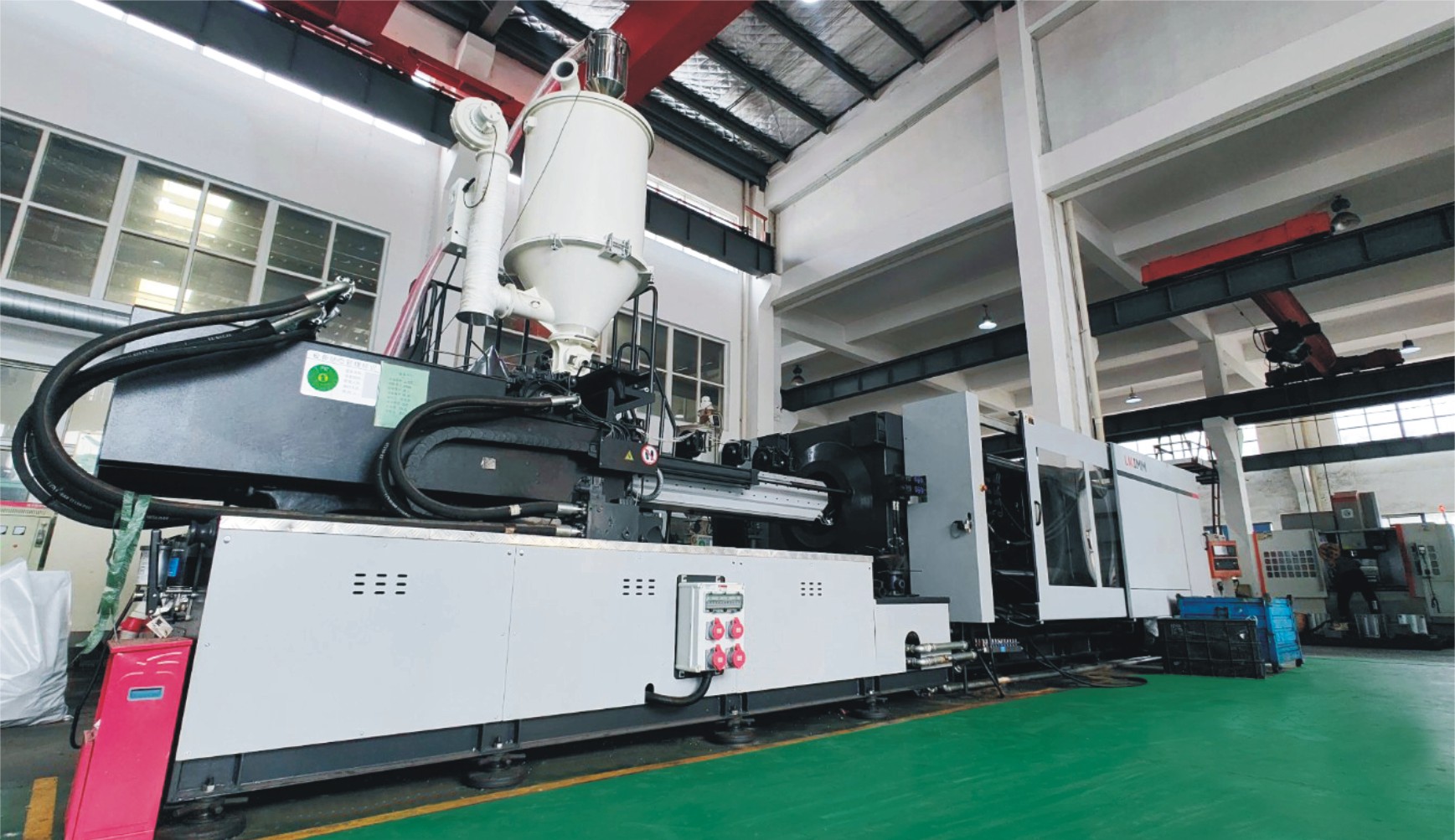
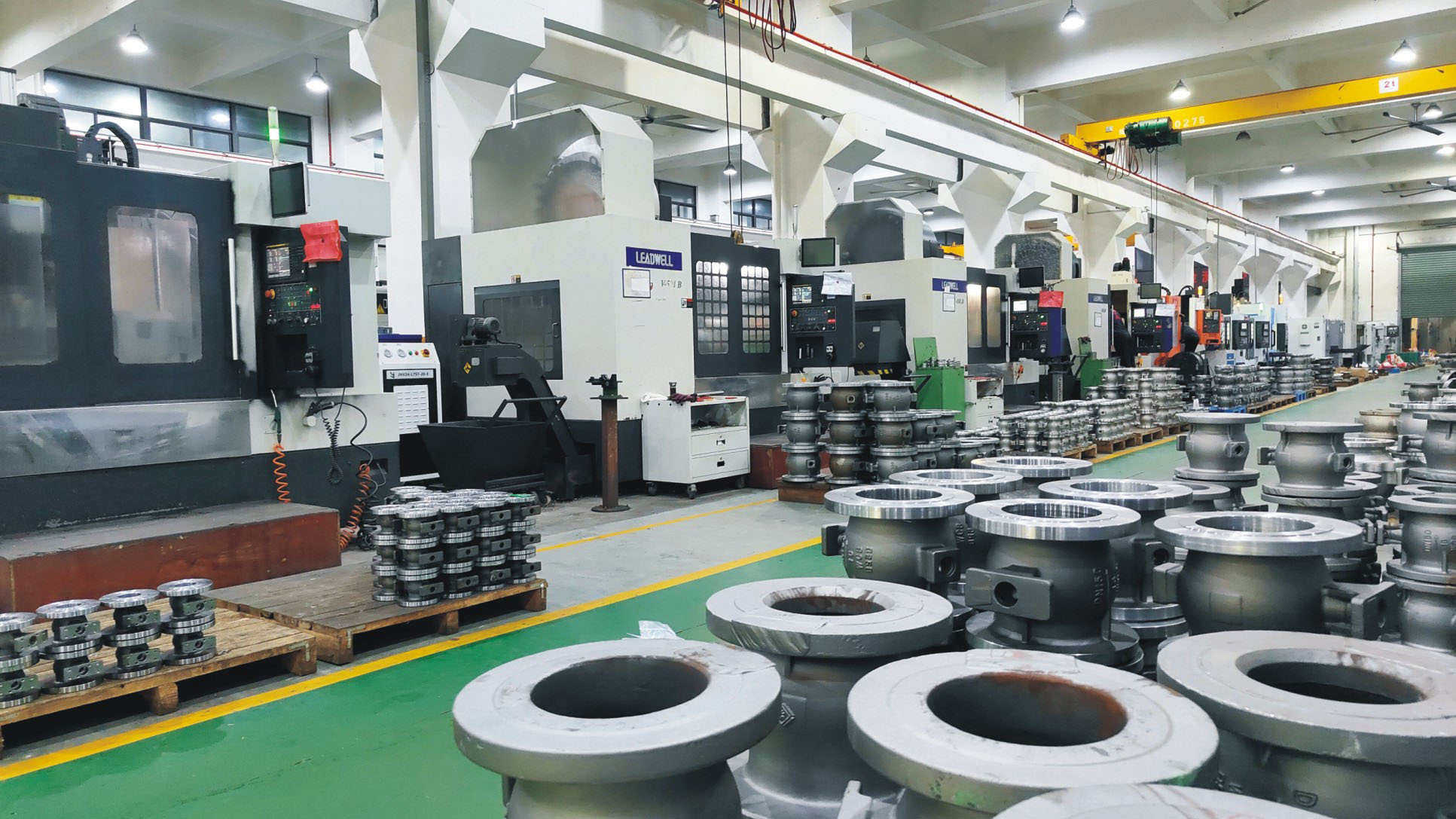
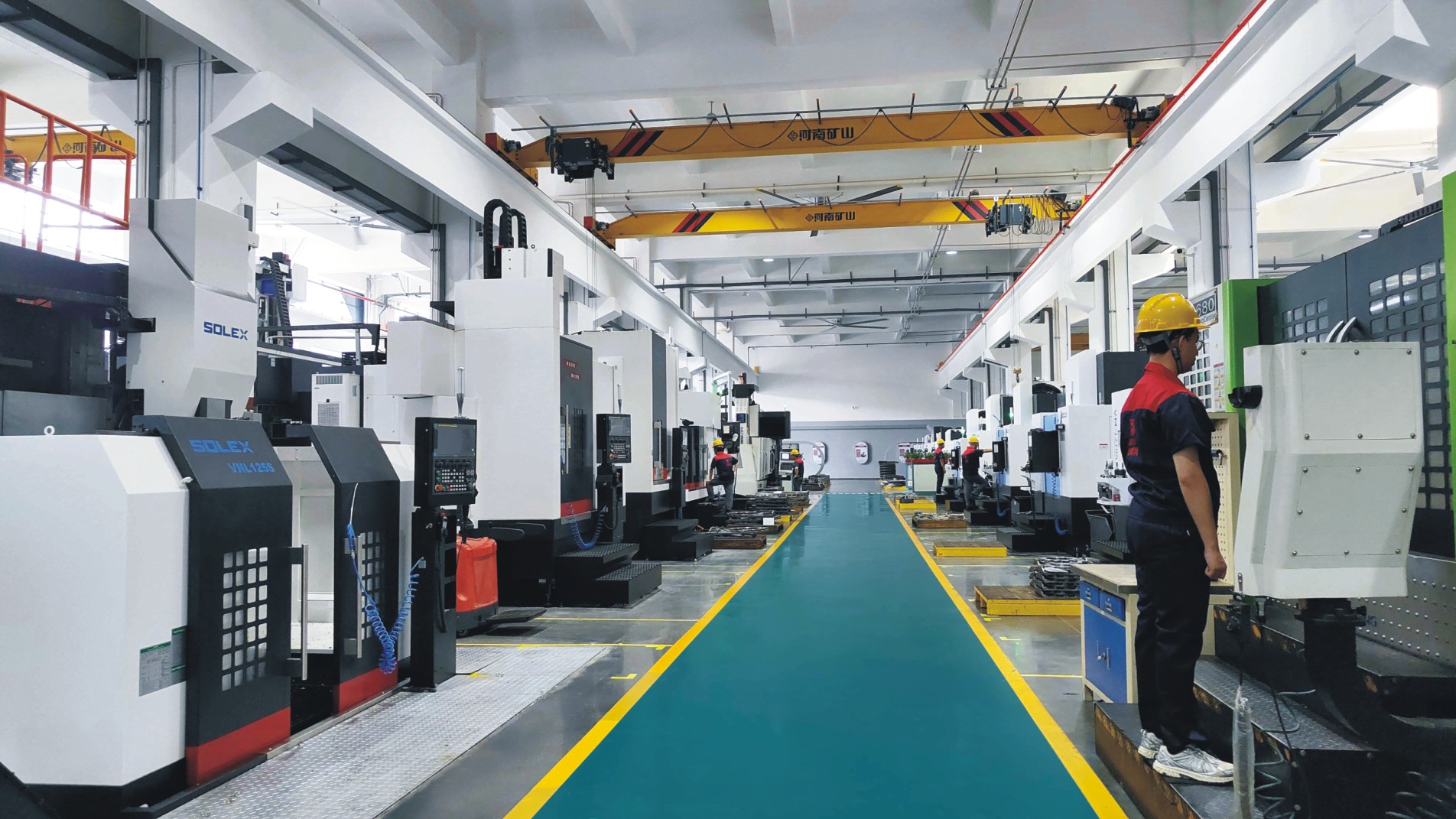
Factory Environment
Why Choose Us
Superior Quality
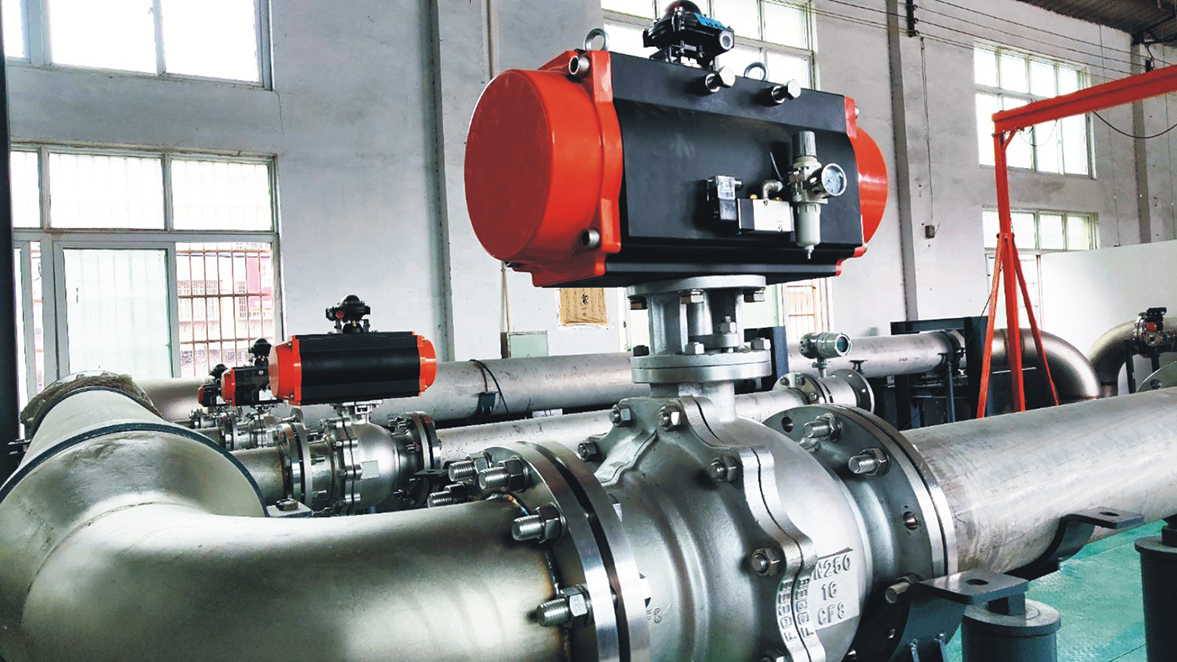
Our valves are manufactured using premium materials and undergo rigorous quality testing to ensure reliable performance in demanding industrial applications.
Advanced Technology
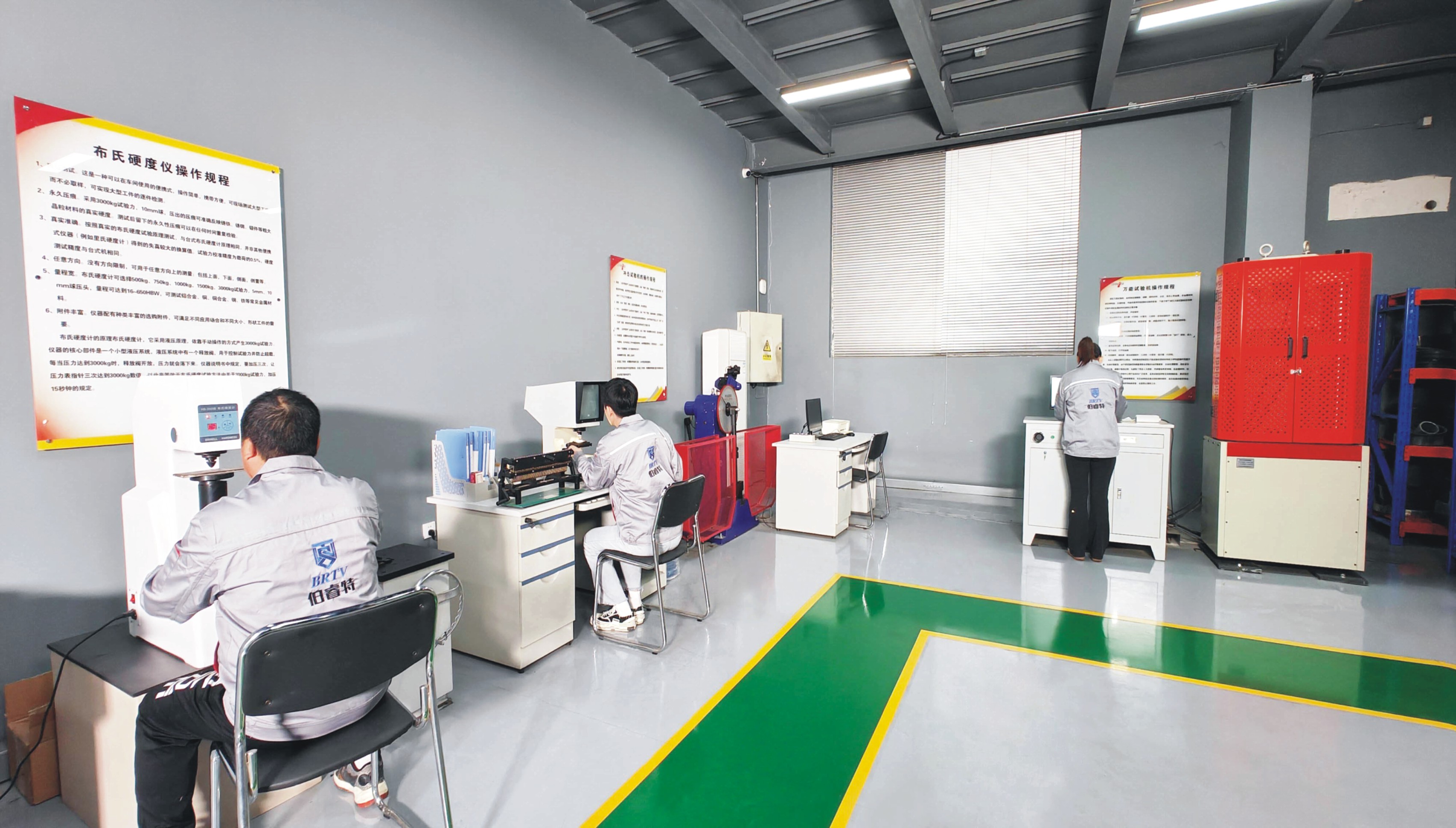
Equipped with state-of-the-art CNC machining centers and precision manufacturing equipment, we deliver valves with exceptional accuracy and consistency.
Competitive Pricing
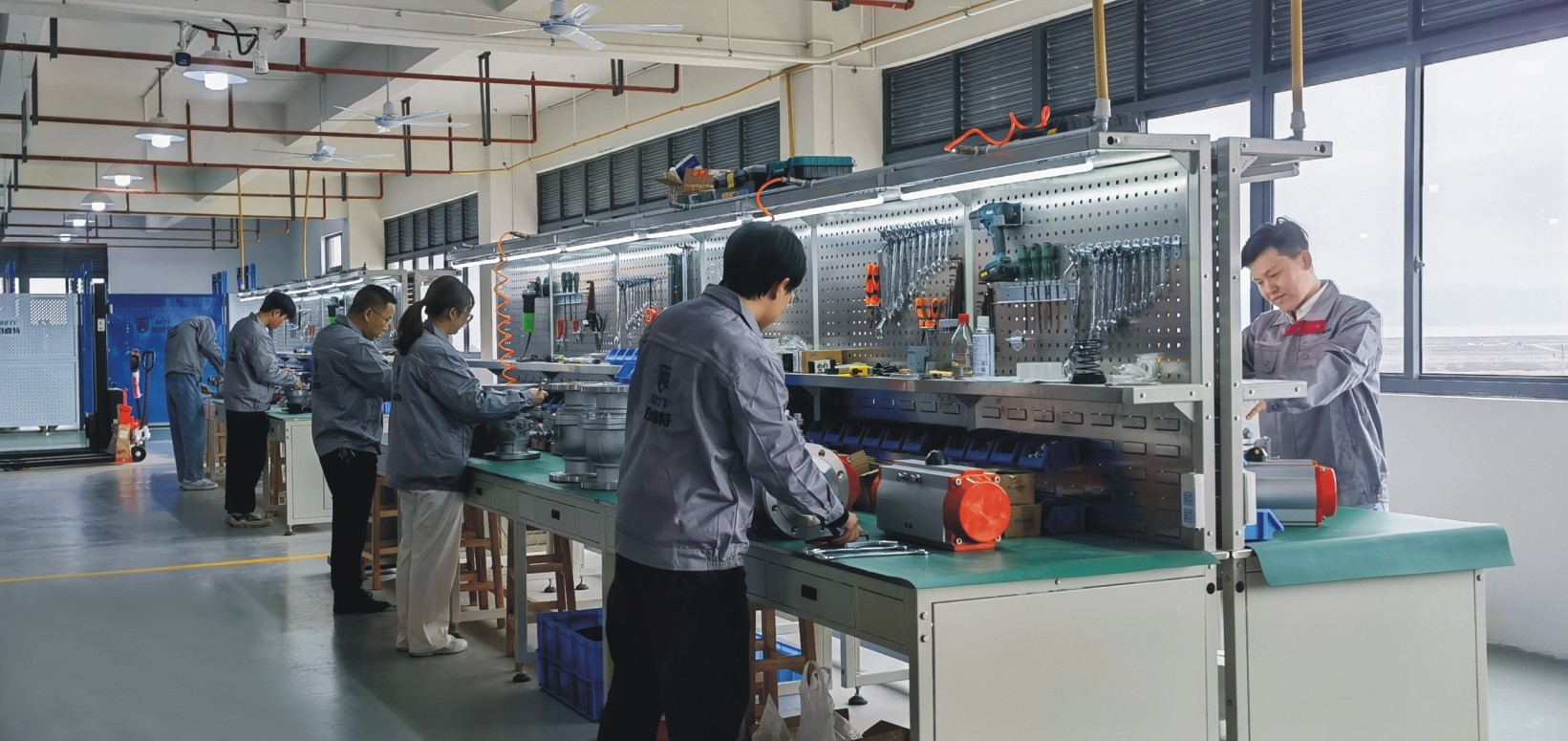
Through optimized manufacturing processes and bulk material procurement, we offer high-quality valves at competitive prices without compromising on quality.
Expert Support
Our experienced technical team provides comprehensive support from product selection to after-sales service, ensuring optimal valve performance for your specific application.