Applicability
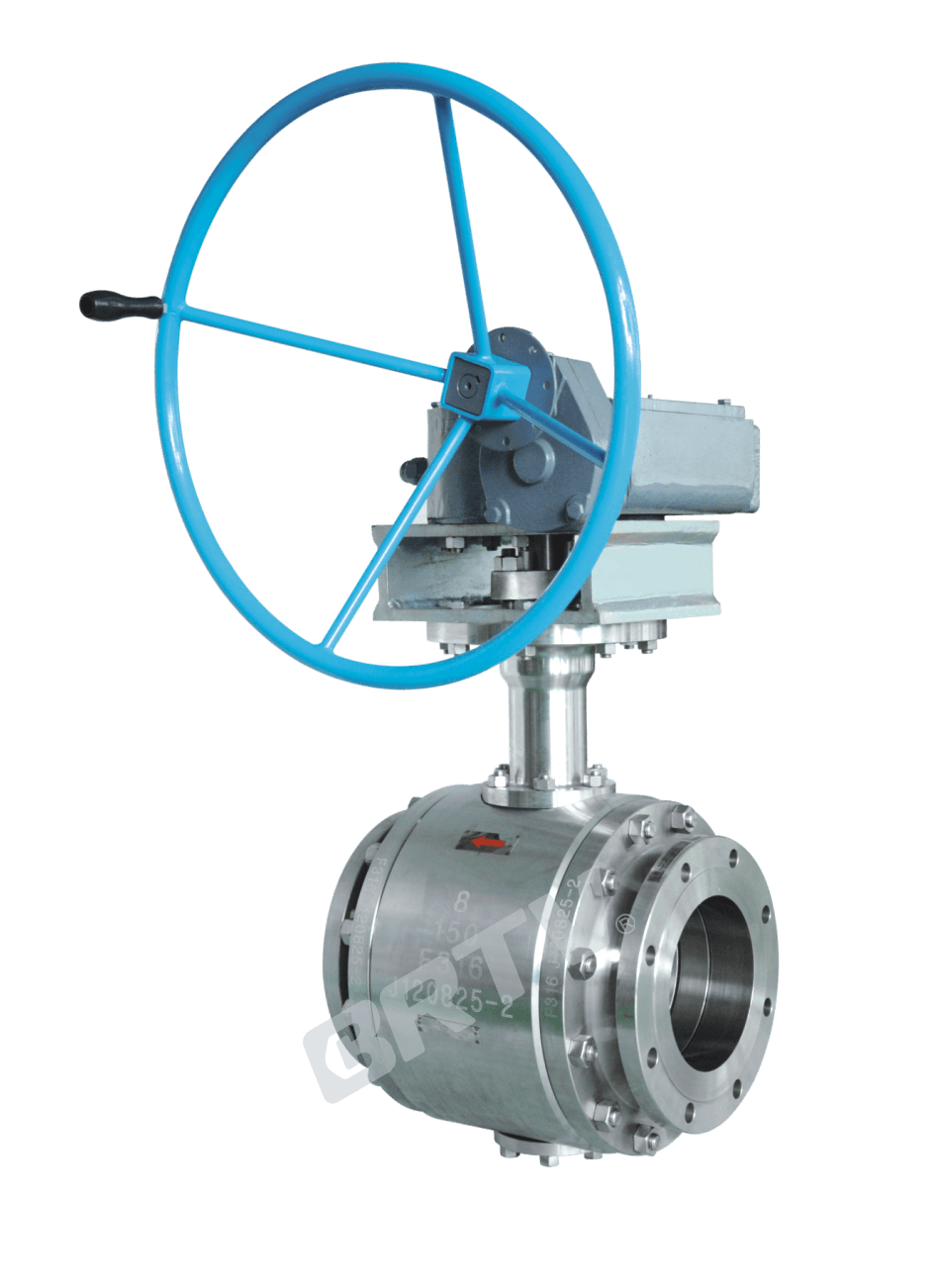
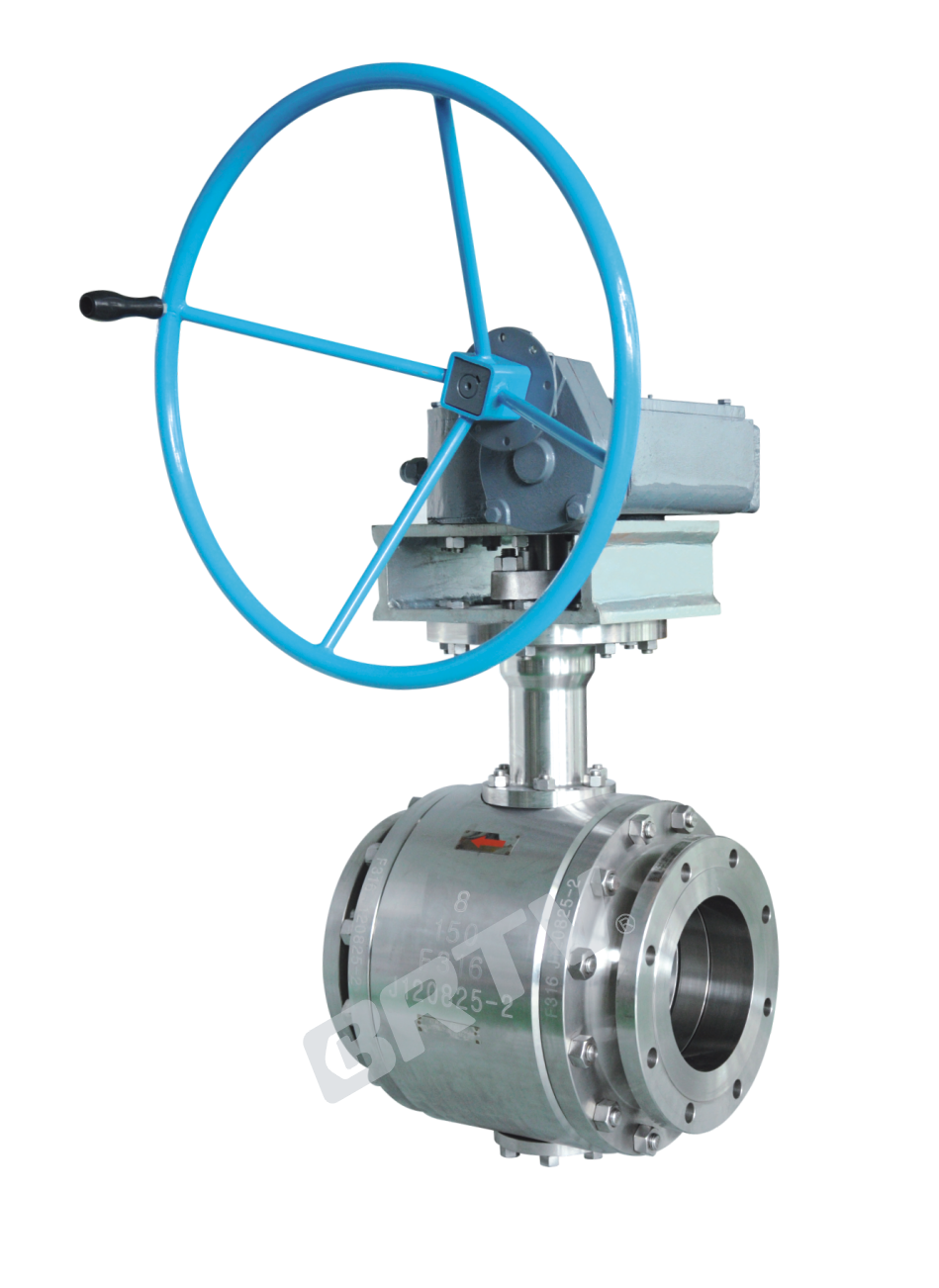
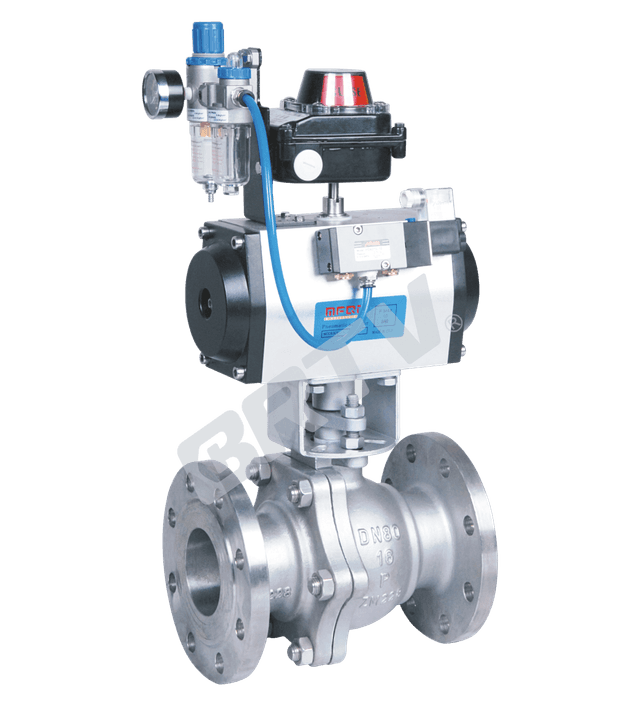
Low temperature ball valves are mainly used in the chemical equipment of ethylene and LNG etc. to handle low temperature liquid medium like ethylene, liquid oxygen, liquid hydrogen and so on. These types of inflammable and explosive medium can be volumetrically expanded by several hundred times when being gasified under temperature rise, and are difficult to manufacture due to their highly penetrative and leaky properties.
Structural Properties
-
The materials of compression parts can endure the expansion and shrinkage resulted from the temperature variation of medium, and seal structure is away from permanent deformation under temperature changes. To work under the conditions below -100℃, the parts of valve shall be subject to deep cooling treatment before precision machining. Namely, have the parts cooled in liquid nitrogen box, when the temperature of parts reaches -196℃, keep the temperature for 1~2h, then take them out to have them to the normal temperature naturally, and do in this way twice.
-
Bonnet is extended for the purpose to protect the function of packing box, making packing box somewhat away from low temperature to ensure good seal of packing. Besides, it can be wound with cold insulating materials to prevent loss of cold energy. The length of neck depends on service temperature and the thickness of cold insulating material. When the effect of packing seal turns lower, fill in grease to form up oil seal layer from the middle of packing box. see combined packing the reliability of seal.
-
To serve a temperature below -100℃, the material of valve stem shall be treated with chromeplating or nitriding to enhance the surface hardness of valve stem and the sealing reliability of packing.
-
Low temperature ball valve takes a structure to avoid abnormal pressure rise. As the medium in low temperature valve is gasified and rapidly expanded in volume, the pressure will goes extremely high. When the pressure in the middle cavity of valve rises, the middle cavity and the inlet side can be communicated, or a relief can be mounted at the inlet side of valve, thus to ensure the safe use of valves.
-
The gaskets used on low temperature ball valves may function reliable seal and restoration under normal and low temperature or under the conditions of temperature changes.
Main Material
| No. | Part Name | Material |
|---|
| 1 | Left Body | A352-LCB, LCC, LC3, A351-CF8, CF8M |
| 2 | Seat | PTFE, RPTFE, PEEK, PPL, POM, KARBATE, NYLON, MOLON, DEVLON |
| 3 | Ball | A182-F304, F316 |
| 4 | O-Ring | VITON |
| 5 | Gasket | Flexible Graphite + 304, Flexible Graphite + 316, PTFE |
| 6 | Nut | A194-4, 8, 8M |
| 7 | Bolt | A320-L7, A193-B8, B8M |
| 8 | Right Body | A352-LCB, LCC, LC3, A351-CF8, CF8M |
| 9 | Small Spring | SS304, SS316 |
| 10 | Small Ball | SS304, SS316 |
| 11 | Thrust Washer | PTFE |
| 12 | Stem | A182-F6, F304, F316 |
| 13 | Gasket | Flexible Graphite + 304, Flexible Graphite + 316 |
| 14 | Packing | Flexible Graphite, PTFE |
| 15 | Gland | A182-F6, F304, F316 |
| 16 | Gland Flange | A352-LCB, A351-CF8 |
| 17 | Limit Plate | 1025, Stainless Steel |
| 18 | Lever | A216-WCB |
| 19 | Screw | 1025 |
| 20 | Screw | 1035, Stainless Steel |
| 21 | Extended Bonnet | A352-LCB, LCC, LC3, A351-CF8, CF8M |
| 22 | Screw | 1035, Stainless Steel |
| 23 | Bushing | A182-F6, F304, F316 |
Low temperature ball valve Technical Specifications
Design and Manufacture: API 6D, ASME B16.34 (BS5351), API 608, MSS-SP-72
Face to Face Dimension: ASME B16.10, API 6D
Flange Connection Dimension: ASME B16.5
BW Connection Dimension: ASME B16.25
Test and Inspection: API 598, API 6D
Fire-Safe Design: API 607/6FA
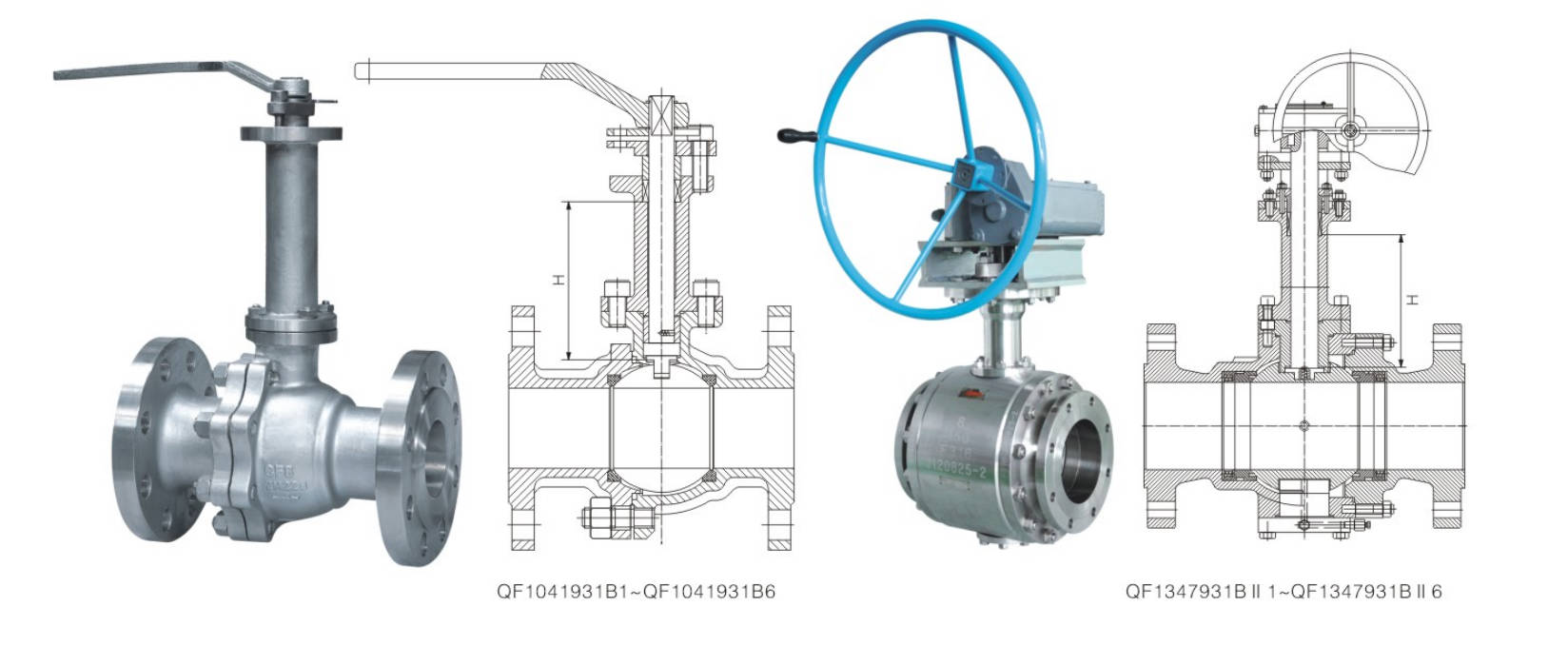
Main Dimensions
class 150
| Size (in) | H (-46°C) | H (-101°C) | H (-196°C) |
|---|
| 1/2 | 90 | 110 | 130 |
| 3/4 | 100 | 110 | 140 |
| 1 | 100 | 120 | 150 |
| 1 1/2 | 110 | 130 | 160 |
| 2 | 110 | 130 | 170 |
| 3 | 120 | 150 | 190 |
| 4 | 130 | 160 | 200 |
| 6 | 140 | 170 | 220 |
class 300
| Size (in) | H (-46°C) | H (-101°C) | H (-196°C) |
|---|
| 8 | 140 | 170 | 220 |
| 10 | 150 | 180 | 240 |
| 12 | 150 | 180 | 240 |
| 14 | 160 | 190 | 250 |
| 16 | 160 | 190 | 250 |
| 18 | 160 | 190 | 250 |
| 20 | 170 | 200 | 260 |
| 24 | 170 | 200 | 260 |
Manufacturing Process
Step 1: Order and Design
According to customer requirements, the engineering team confirms the pressure rating, size, material, connection type, and service temperature of the valve. For low temperature ball valve, special attention is given to low-temperature working conditions, extended bonnet design, and material suitability to ensure safe performance in cryogenic service.
Step 2: Forging & Casting
The main pressure-containing parts such as body, bonnet, and ball are produced by forging or casting based on the design drawings. For low temperature ball valve, stainless steel or other low-temperature resistant materials are commonly selected to maintain good toughness and prevent cracking under cryogenic conditions.
Step 3: Machining
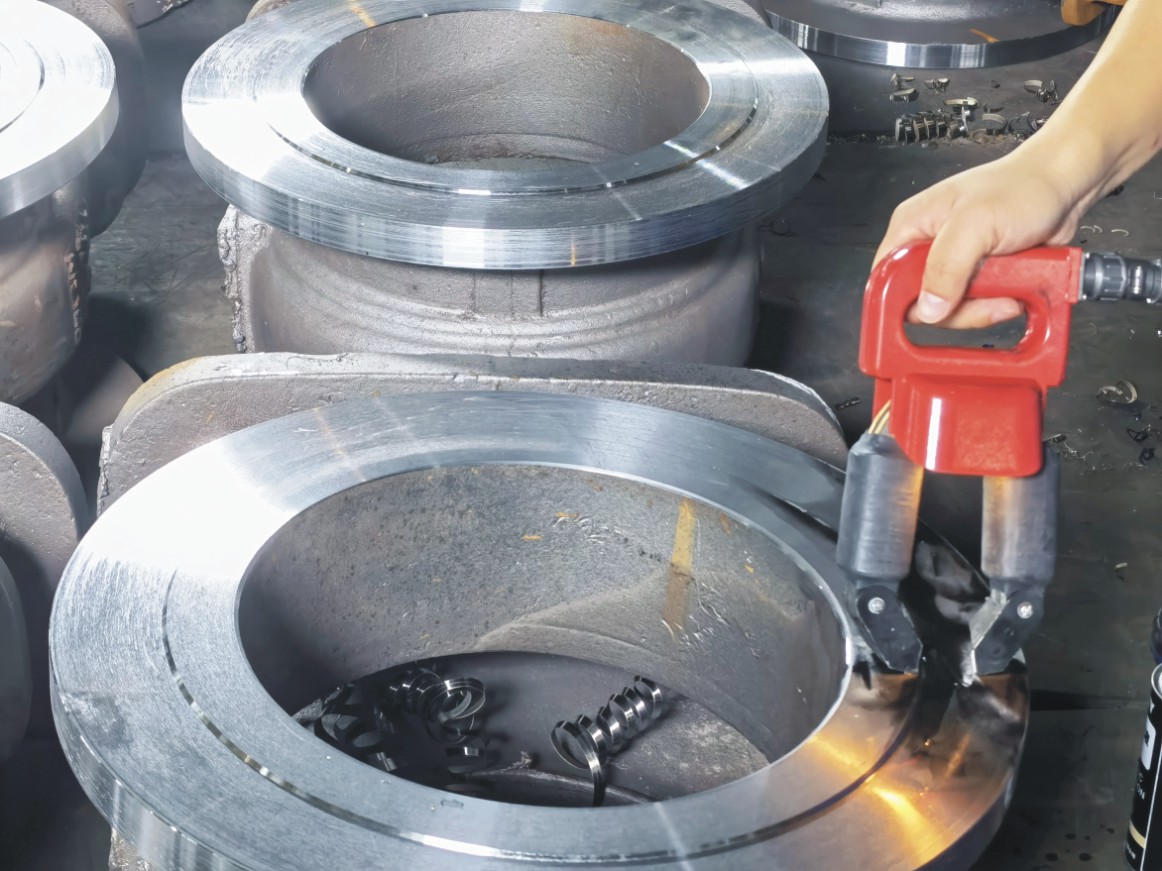
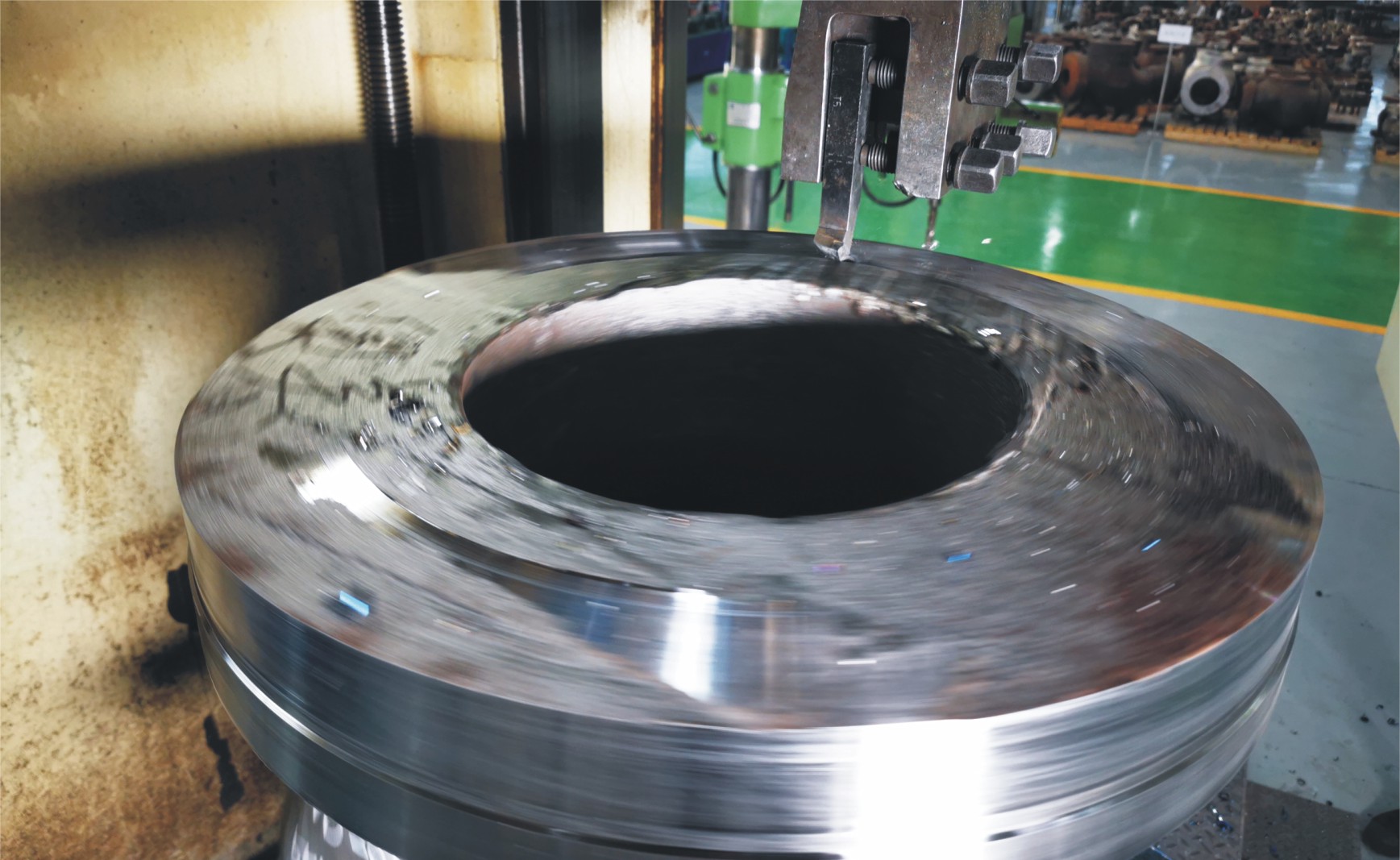
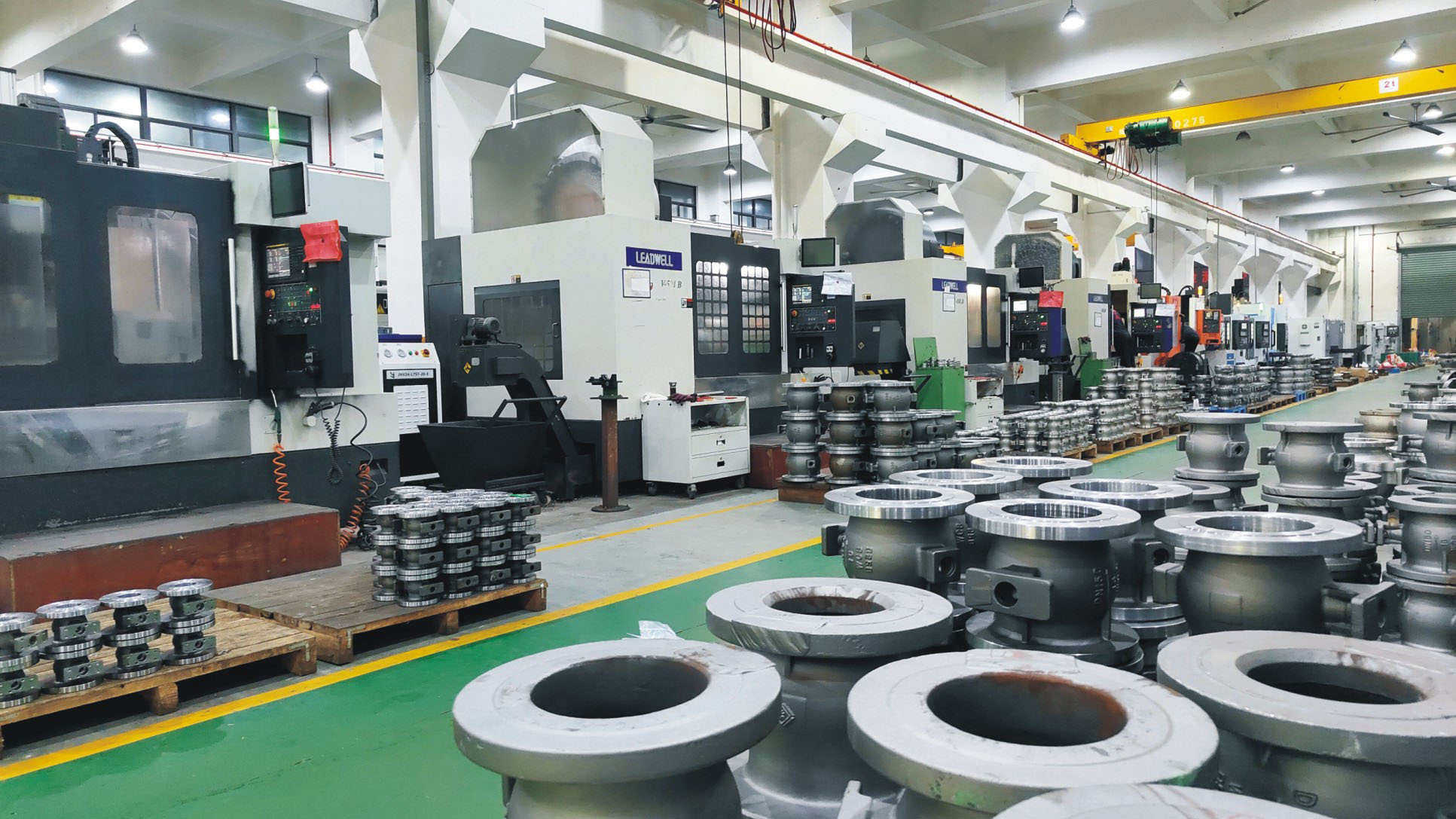
After raw parts are prepared, precision machining is carried out on the body, ball, stem, seat pocket, and connection ends. During the machining of low temperature ball valve, tight dimensional tolerance and smooth sealing surfaces are especially important to guarantee reliable sealing performance at very low temperatures.
Step 4: Assembly
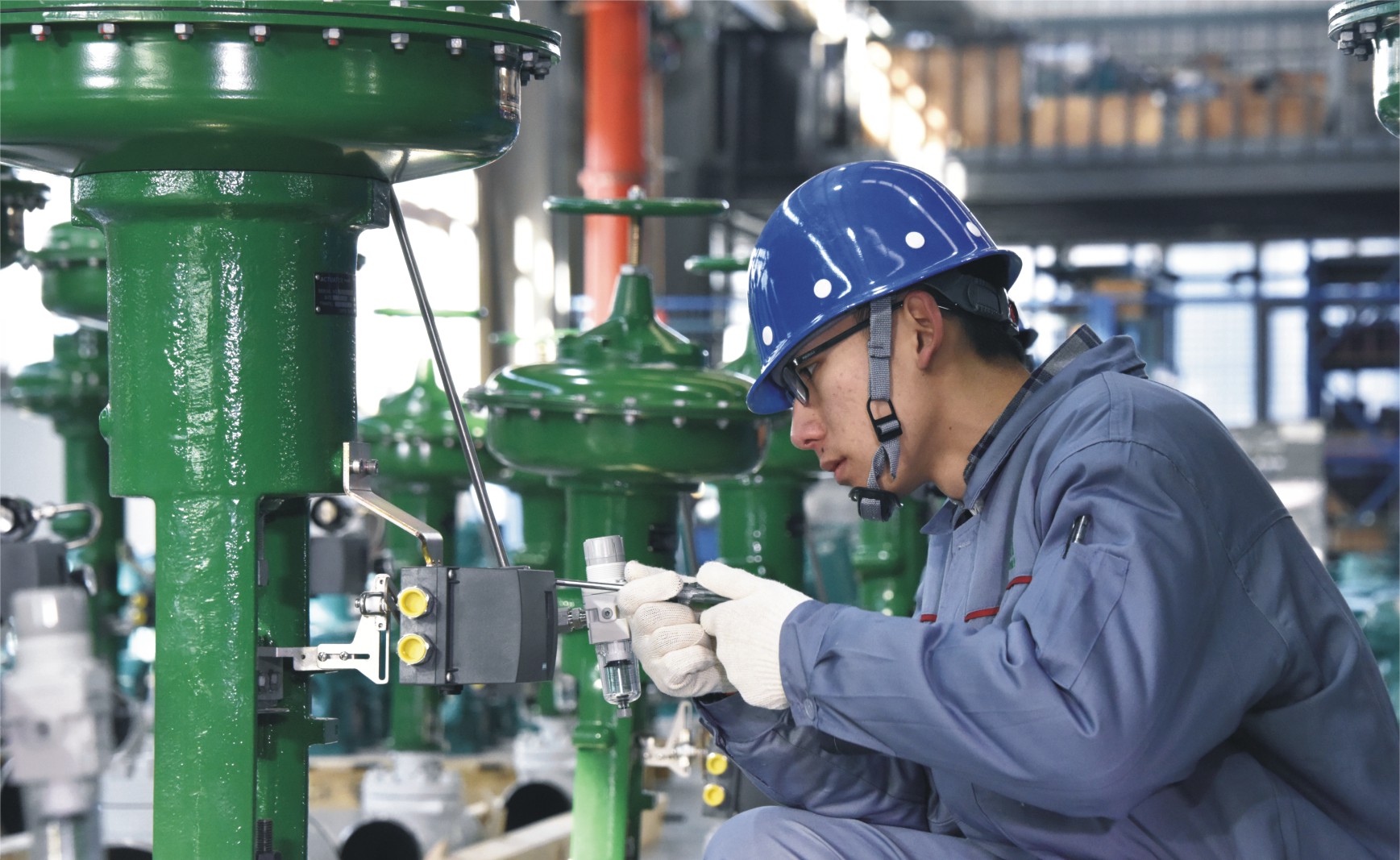
All finished components are cleaned and assembled according to technical requirements. In the assembly process of low temperature ball valve, special low-temperature seals, packing, and extended stem structure are installed carefully to ensure stable operation and reduce heat transfer from the environment.
Step 5: Testing & Quality Assurance
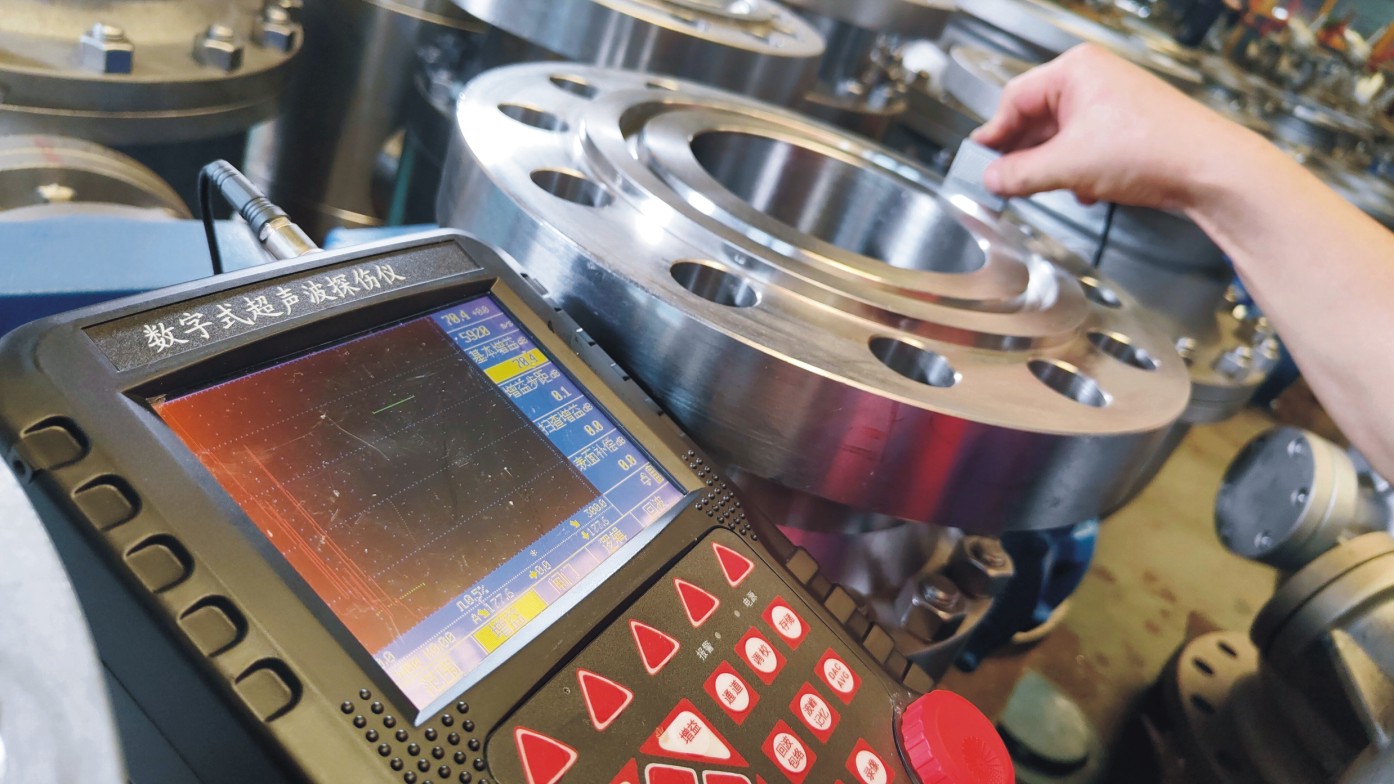
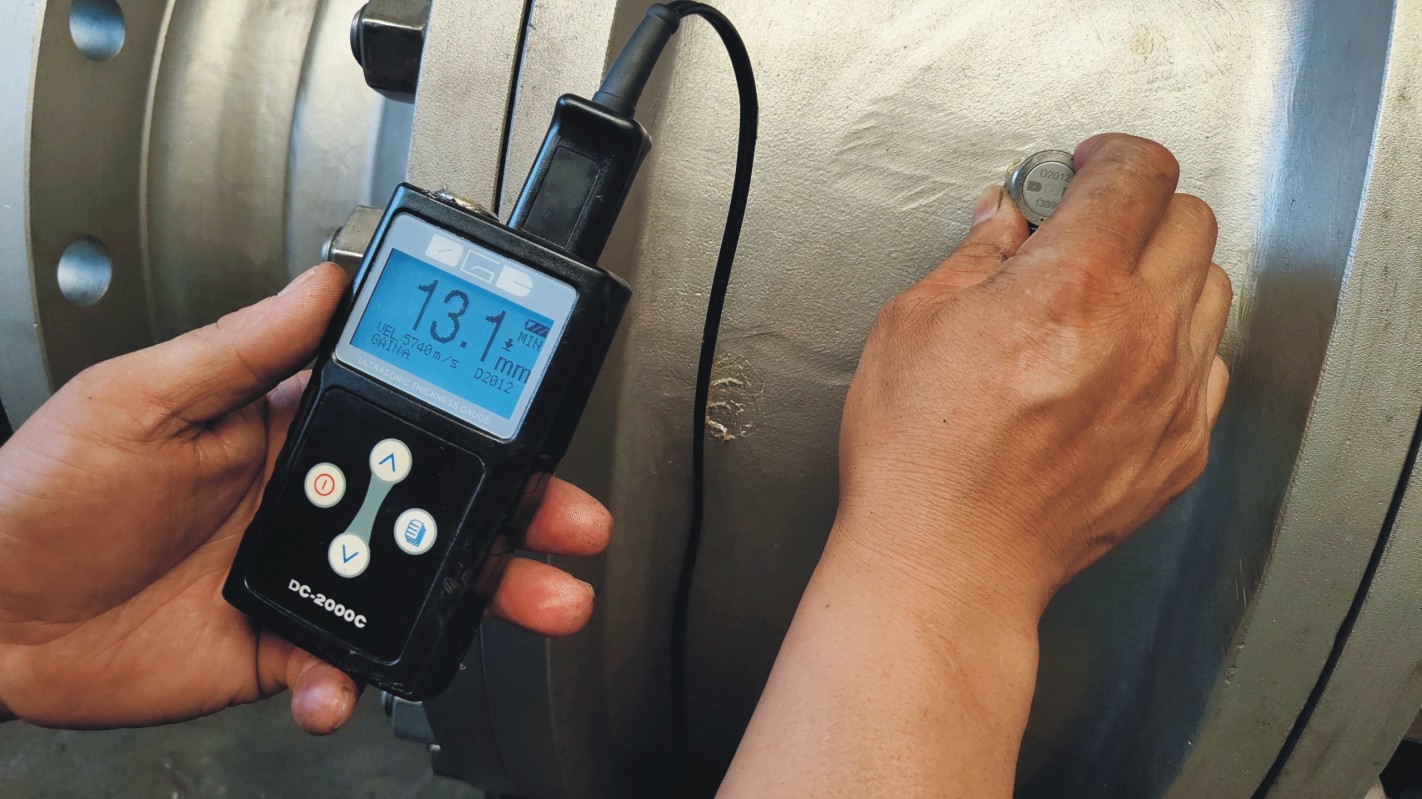
Each valve undergoes strict inspection and testing, including dimension inspection, shell test, seat leakage test, and where required, low-temperature performance test. For low temperature ball valve, cryogenic testing is an important part of quality assurance to verify sealing reliability and operational safety under low-temperature conditions.
Step 6: Painting and Finishing
After final inspection, the valve surface is cleaned, painted, marked, and packed for shipment. Clear product identification, material traceability, and protective packaging are applied to ensure the valve remains in good condition during transportation and storage.
Applications
- LNG and liquefied gas infrastructure
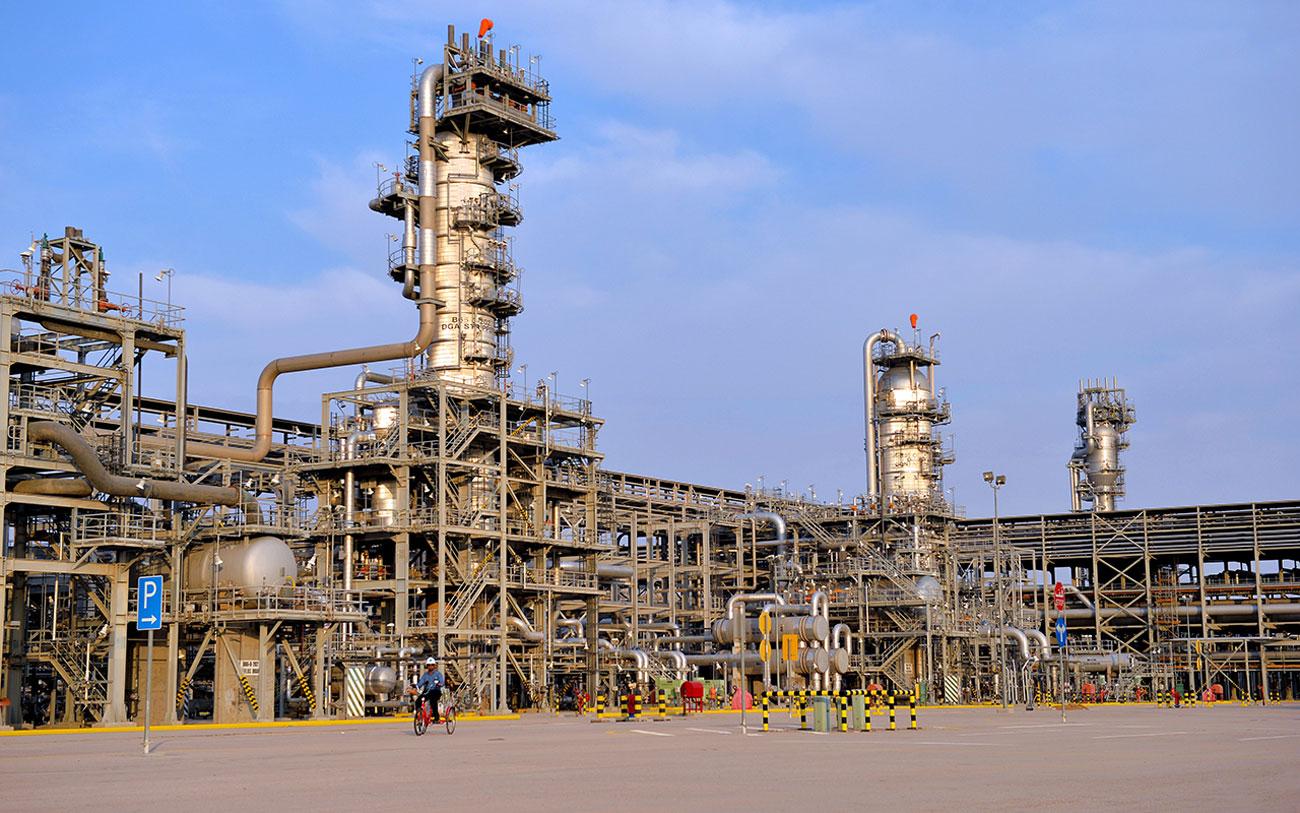
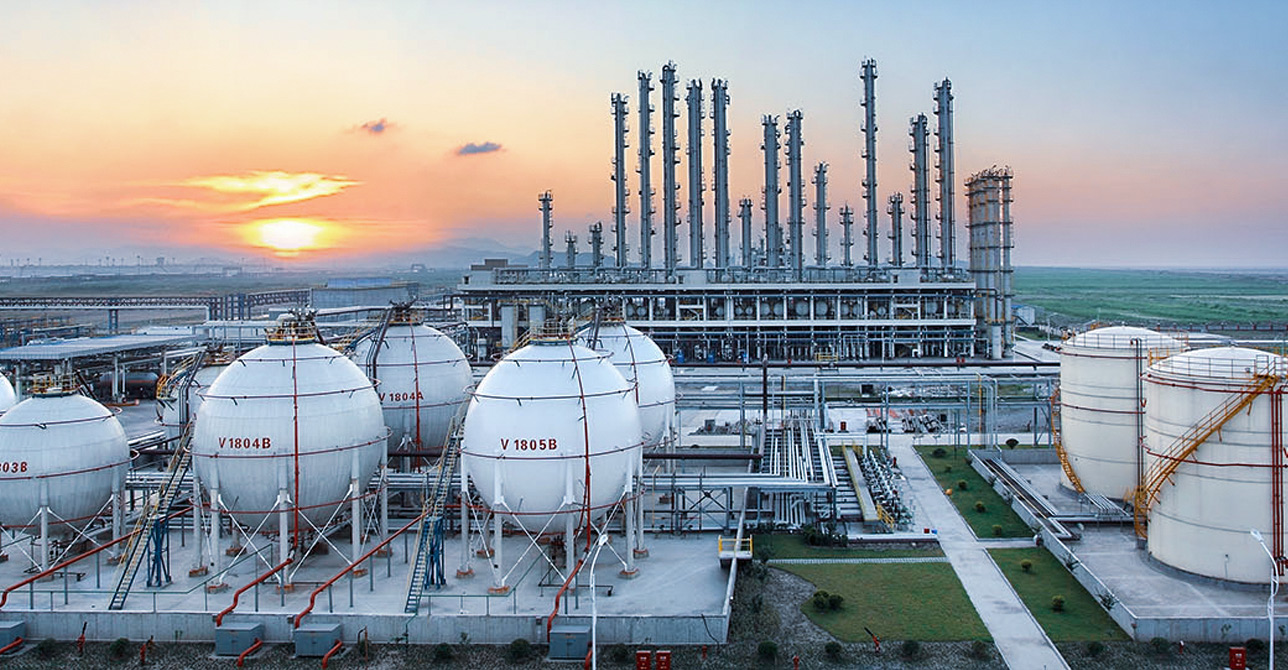
One of the main applications of low-temperature valves is in the LNG (Liquefied Natural Gas) industry.
Storage tanks, transportation pipelines and vaporization systems all require valves that can operate reliably at temperatures as low as –160°C or lower.
- Industrial gases and medical systems
Another major application is the processing of industrial gases, such as liquid nitrogen, helium, and argon.
Low-temperature valves are used in storage tanks, vaporization systems and transportation pipelines. In these locations, the isolation or safe control of low-temperature fluids is necessary.
Low-temperature valves also play a crucial role in scientific and aerospace systems such as rocket fuel tanks, superconducting equipment, and laboratory cooling systems.
In these applications, the extreme low-temperature performance is of vital importance.
These valves are widely used in:
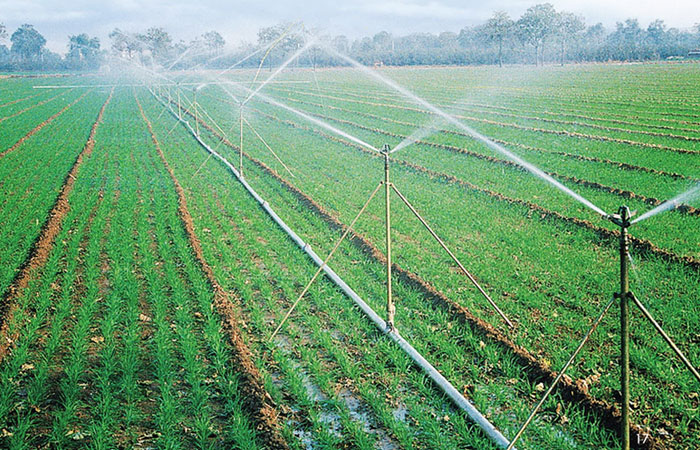
Agriculture and Irrigation
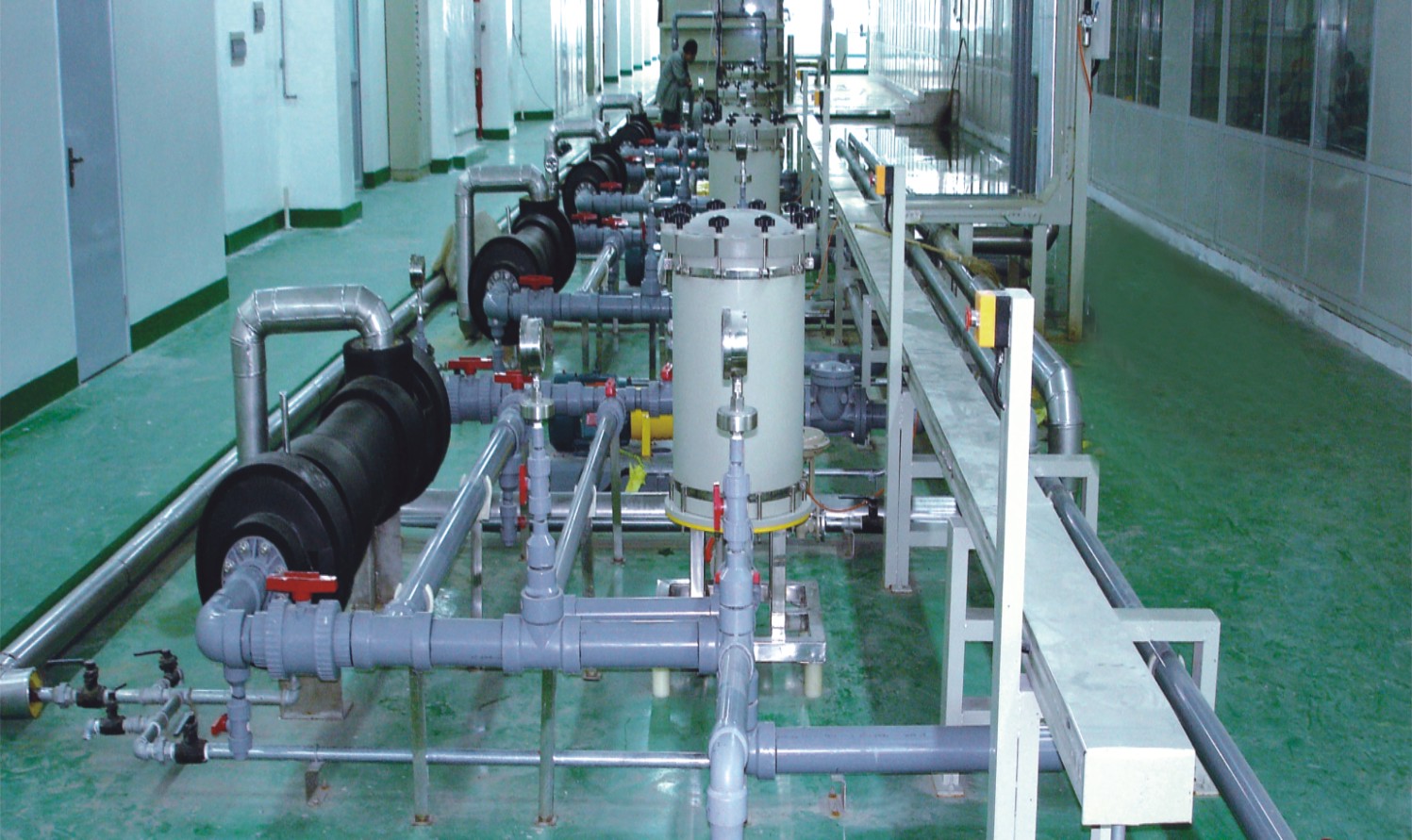
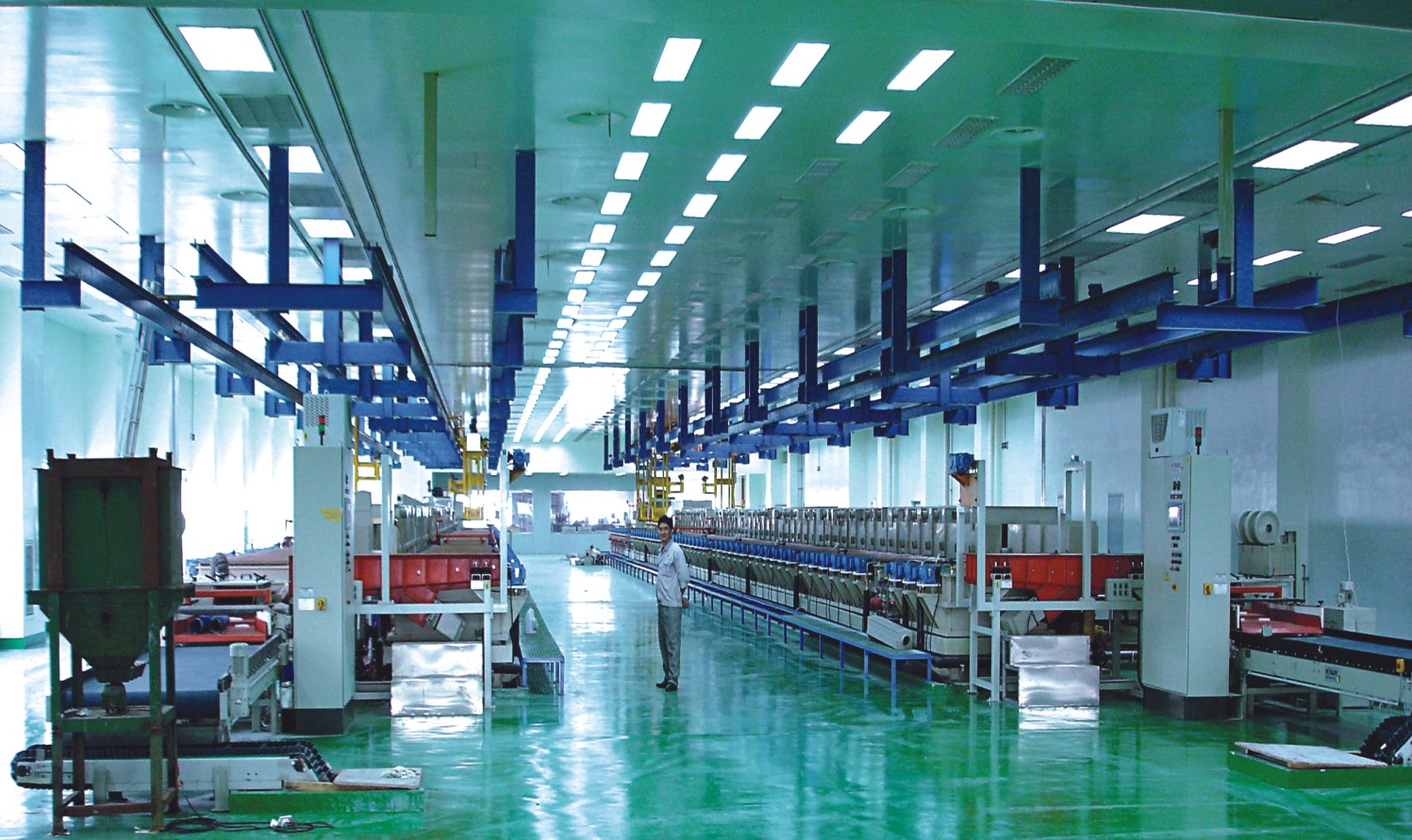
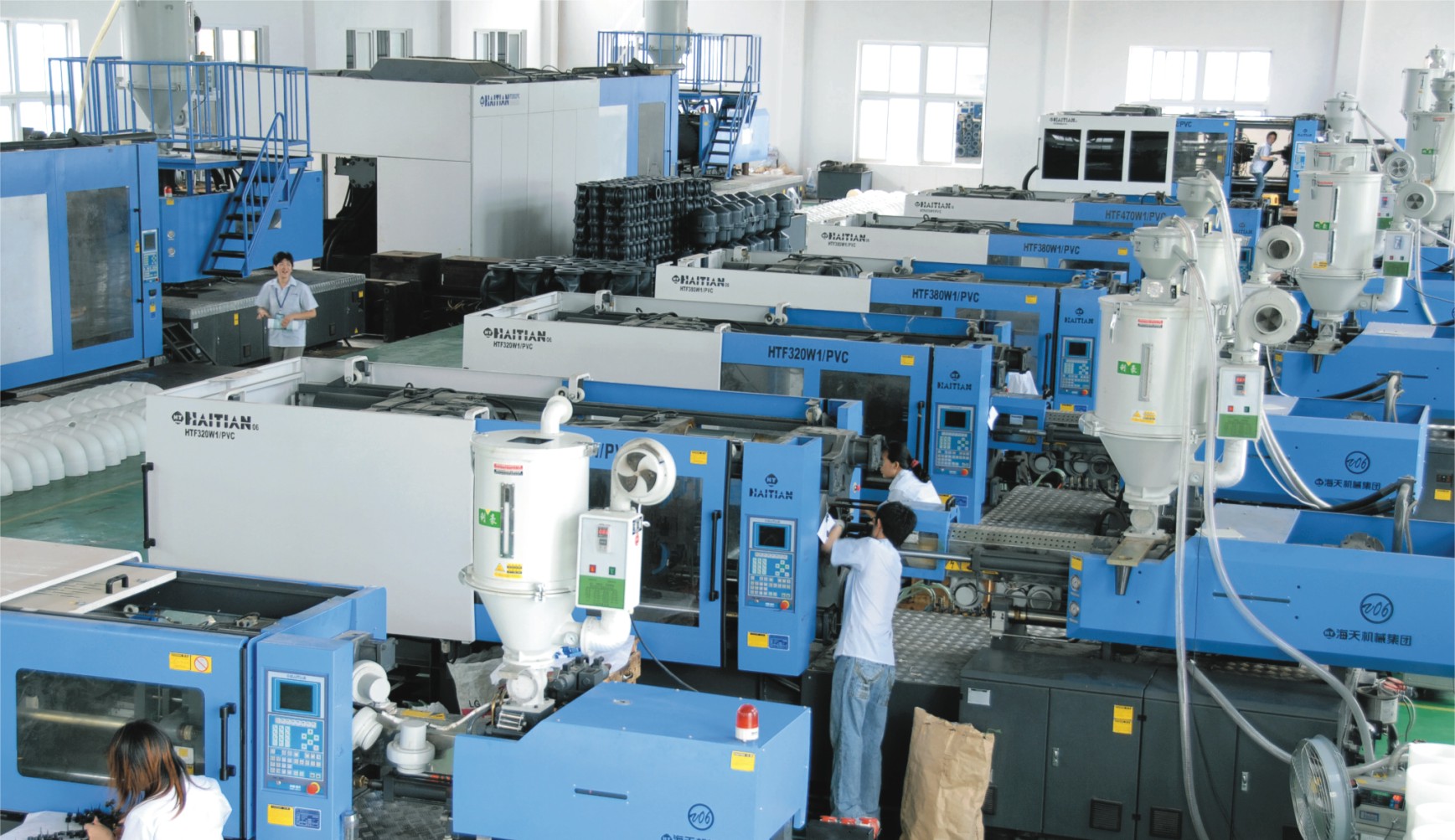
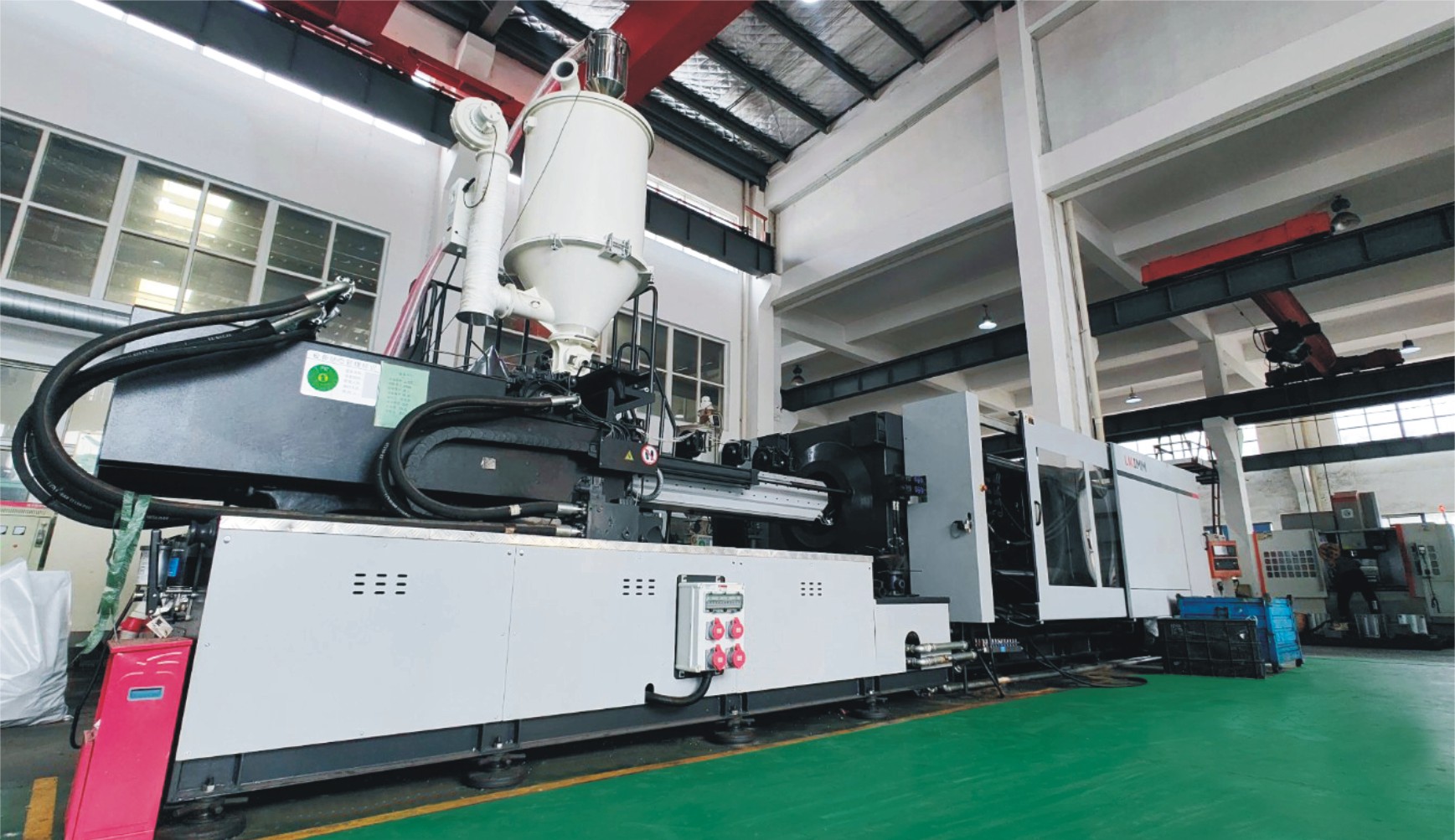
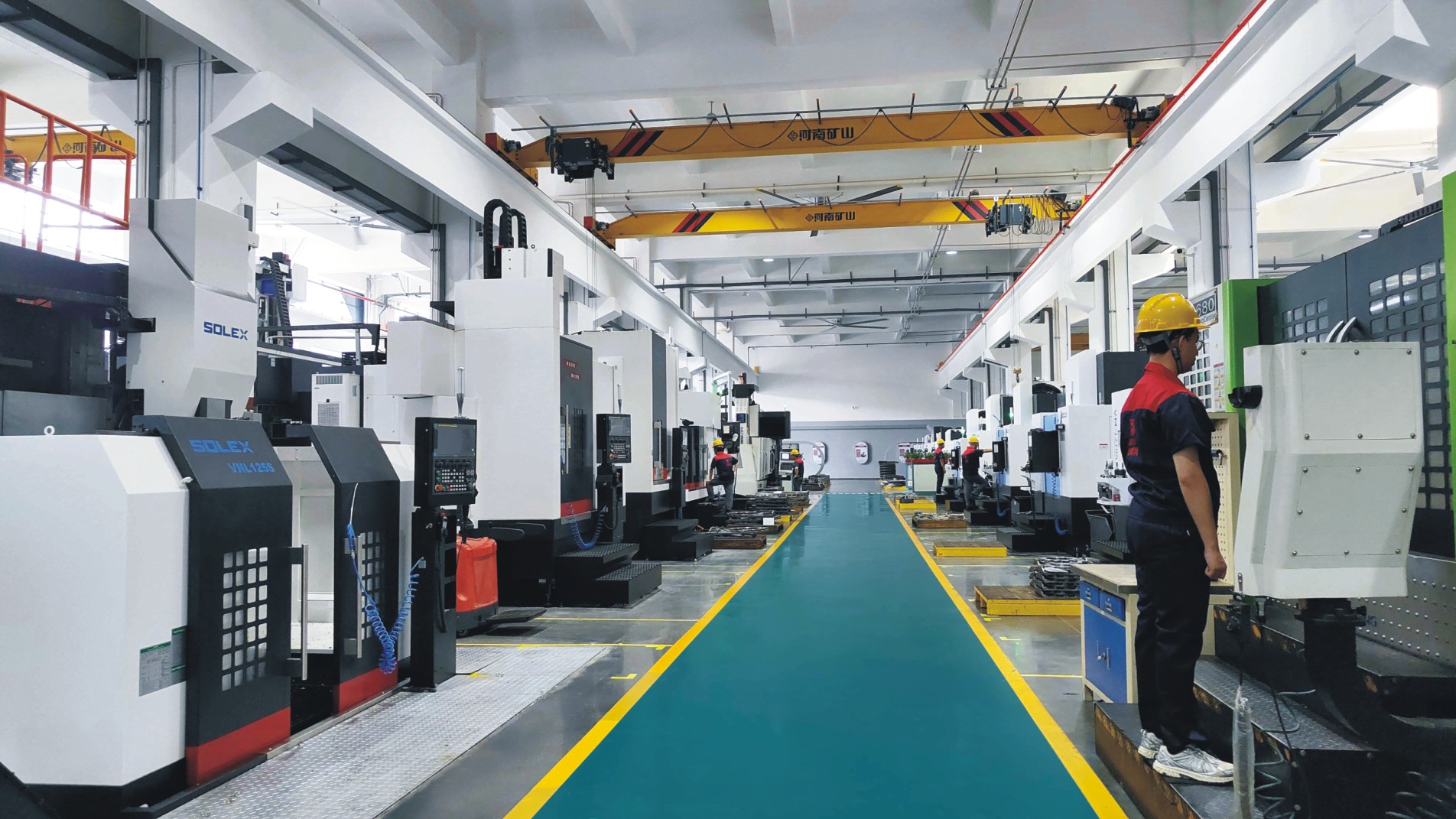
Factory Environment
Why Choose Us
Superior Quality
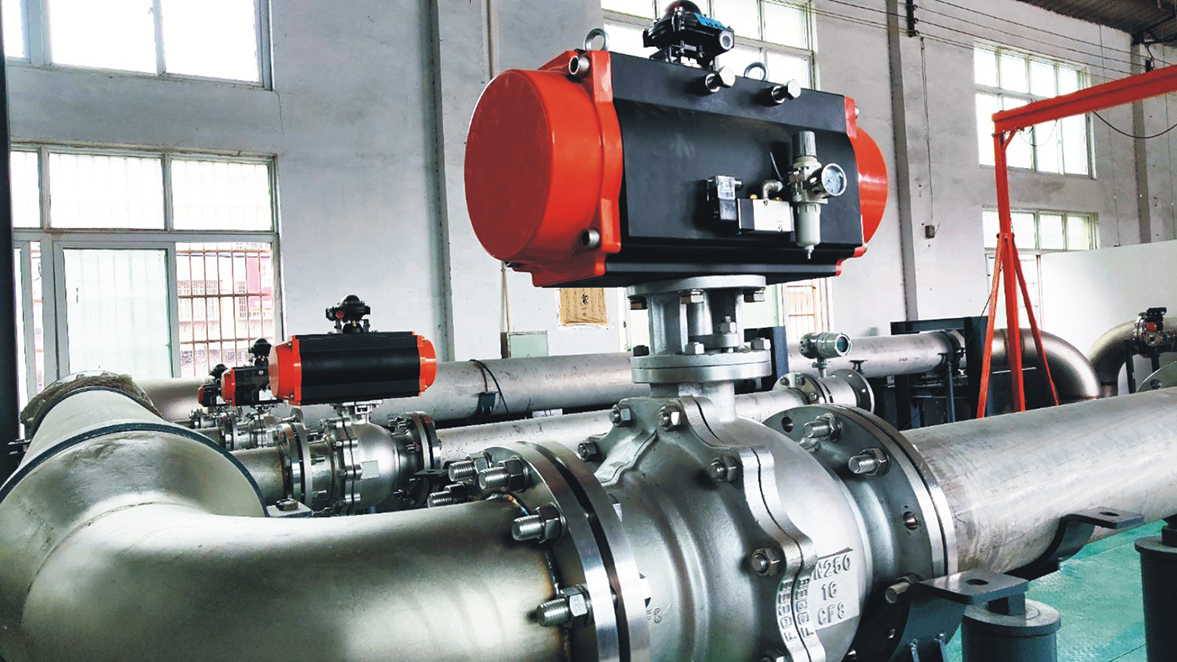
Our valves are manufactured using premium materials and undergo rigorous quality testing to ensure reliable performance in demanding industrial applications.
Advanced Technology
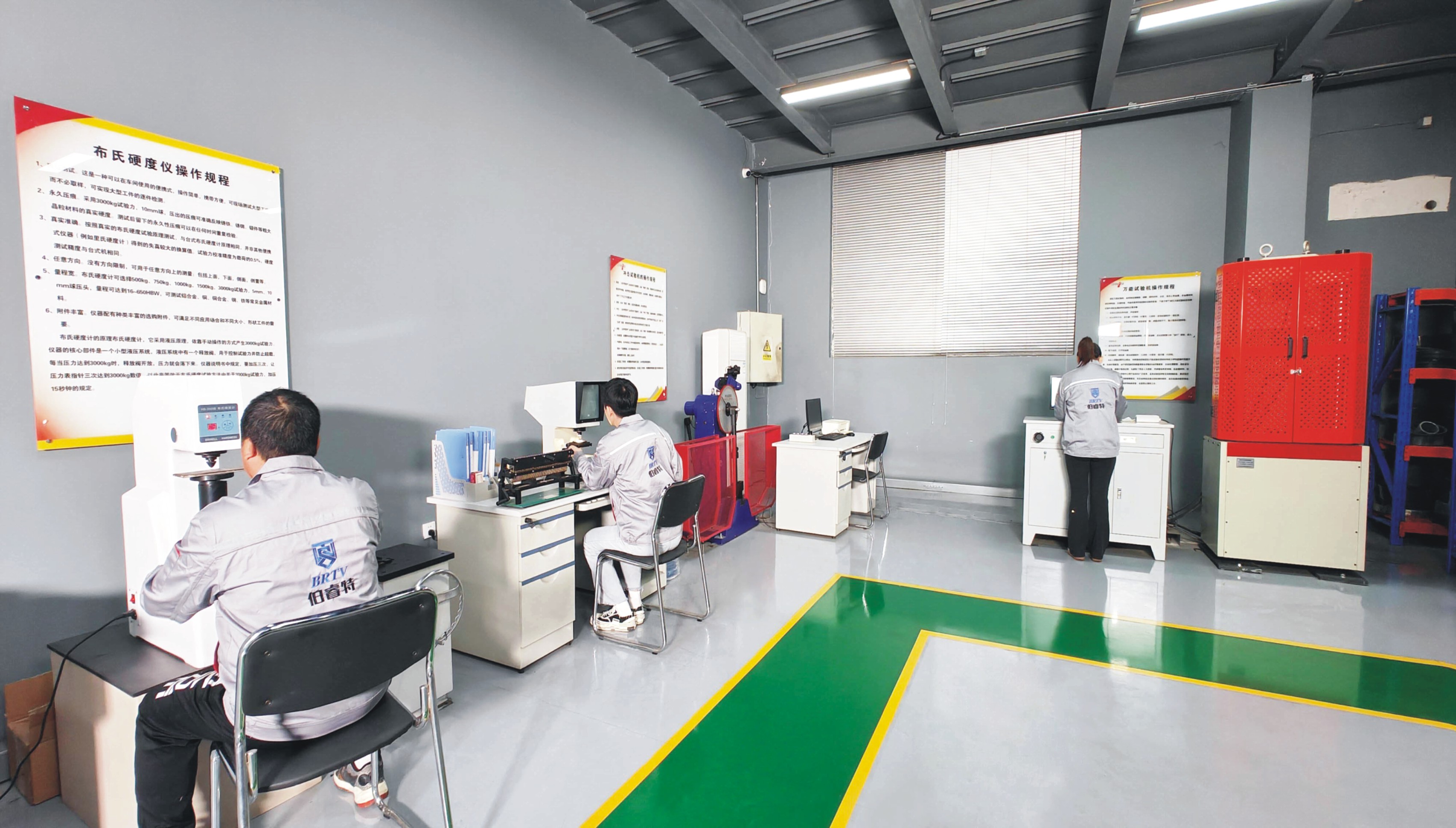
Equipped with state-of-the-art CNC machining centers and precision manufacturing equipment, we deliver valves with exceptional accuracy and consistency.
Competitive Pricing
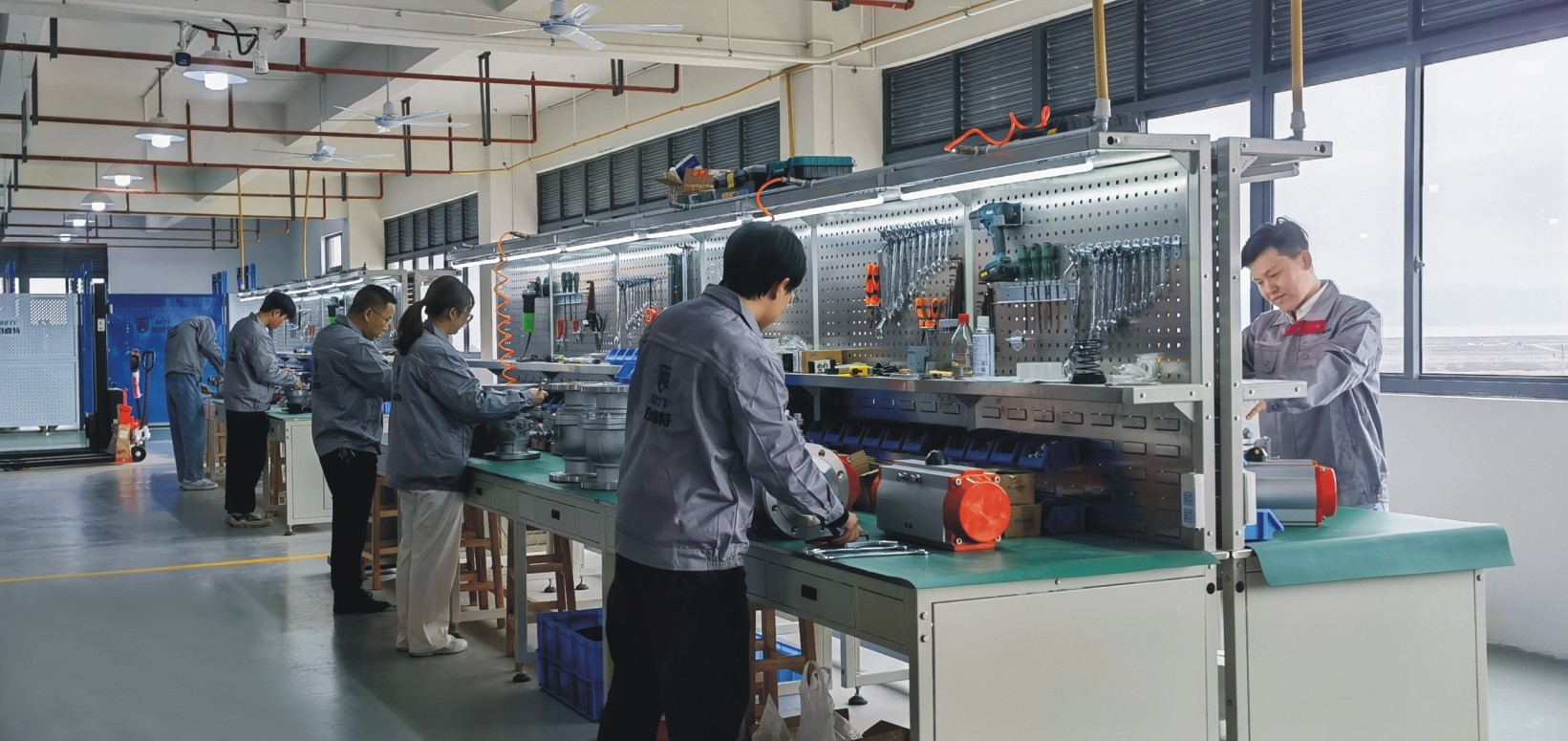
Through optimized manufacturing processes and bulk material procurement, we offer high-quality valves at competitive prices without compromising on quality.
Expert Support
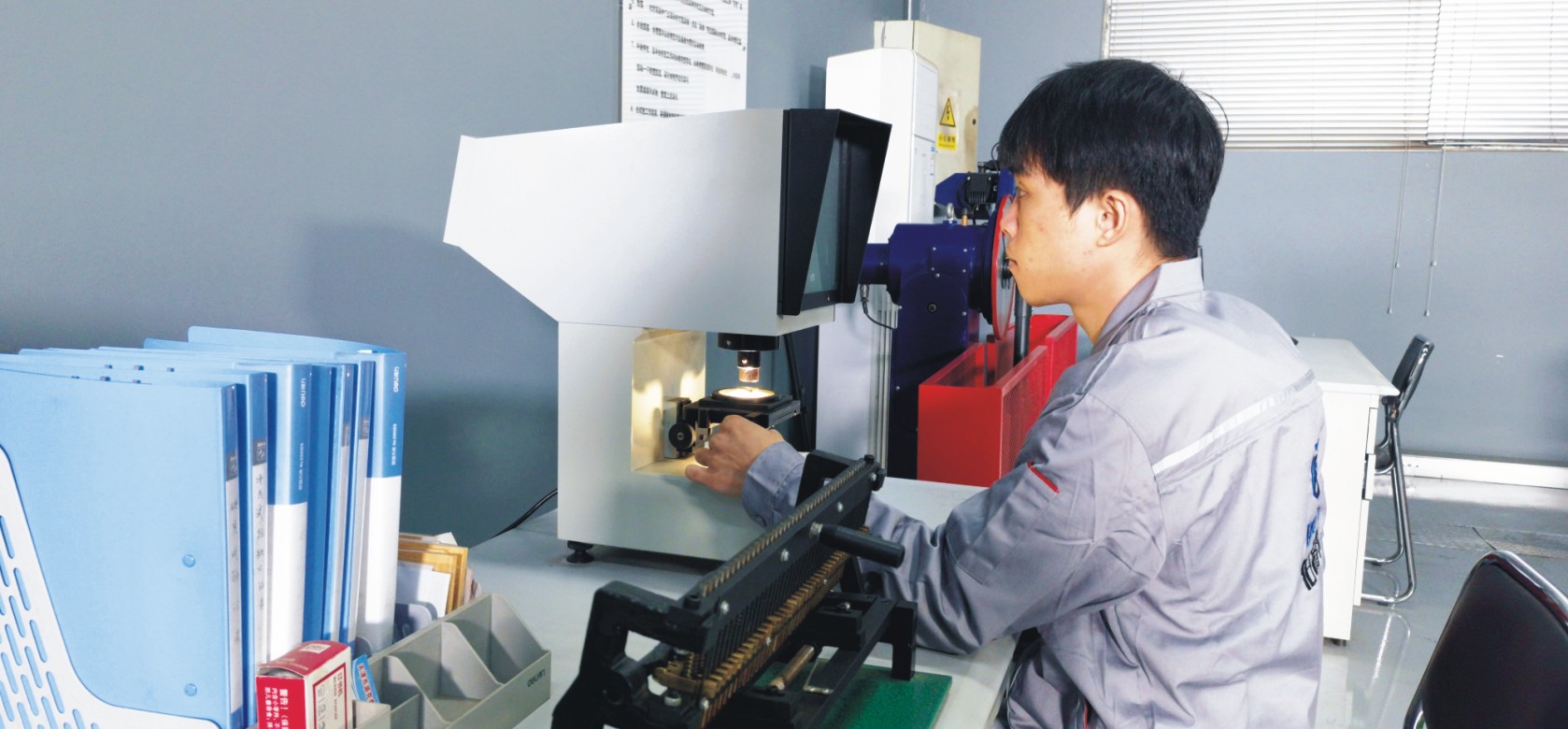
Our experienced technical team provides comprehensive support from product selection to after-sales service, ensuring optimal valve performance for your specific application.