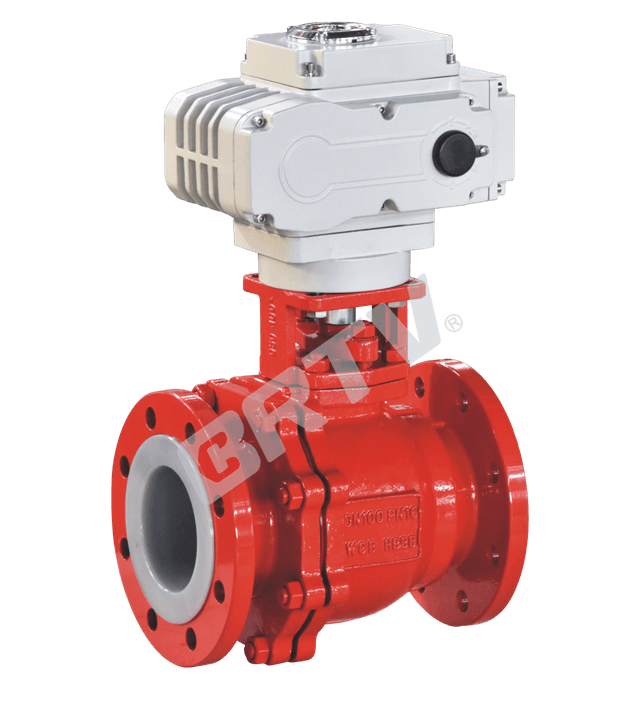
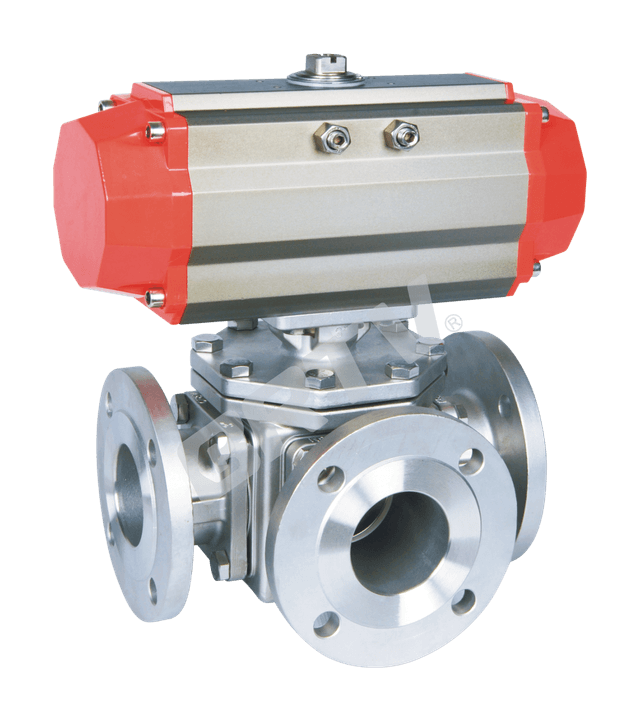
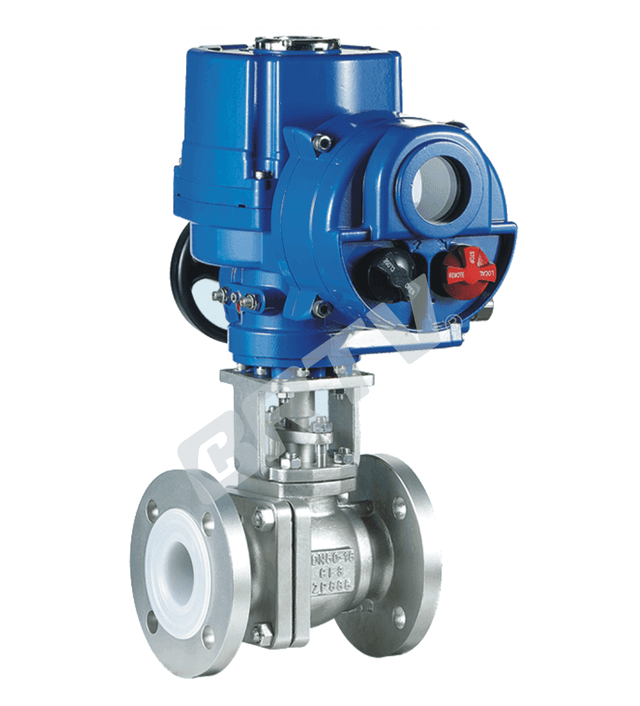
Applicability
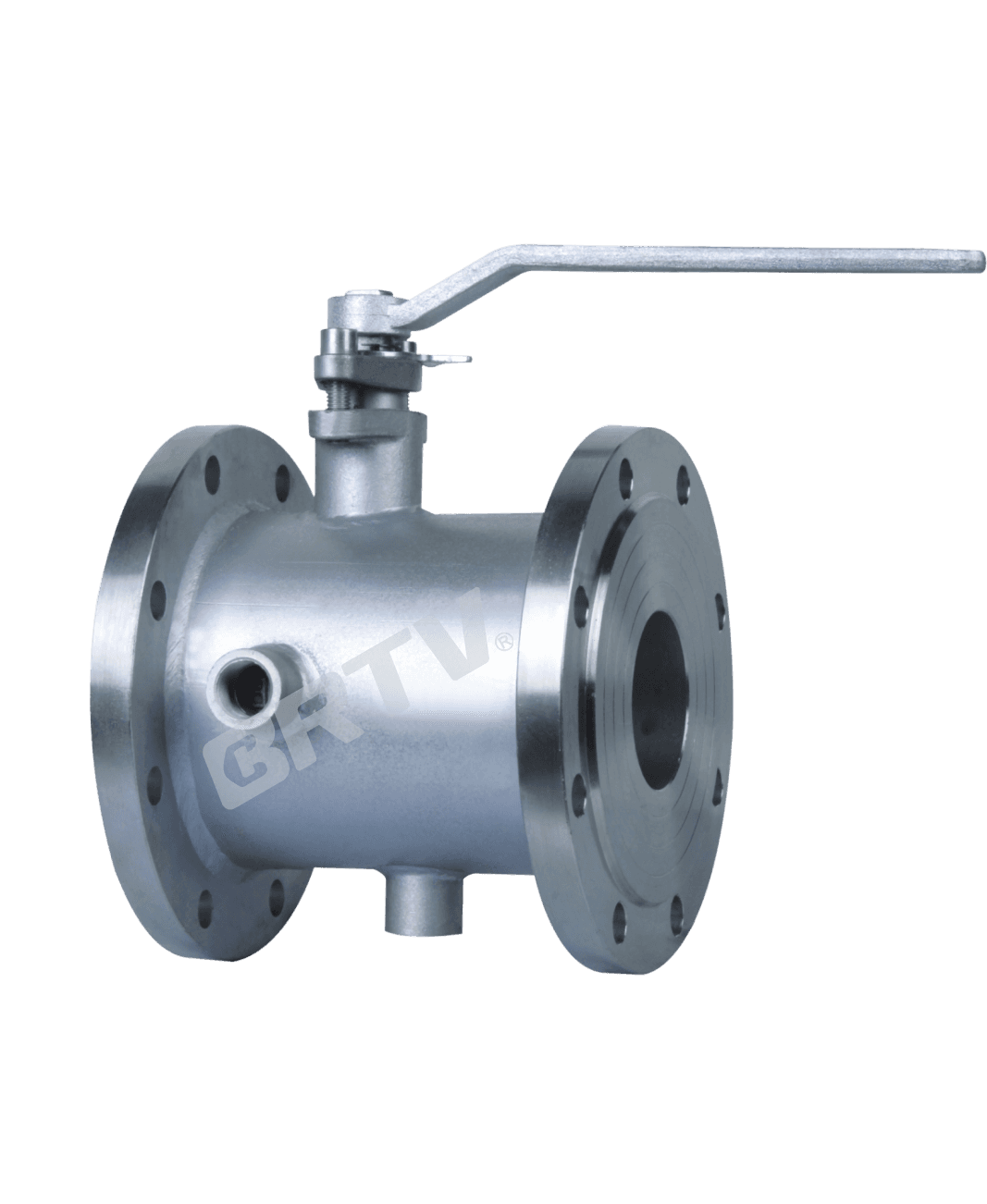
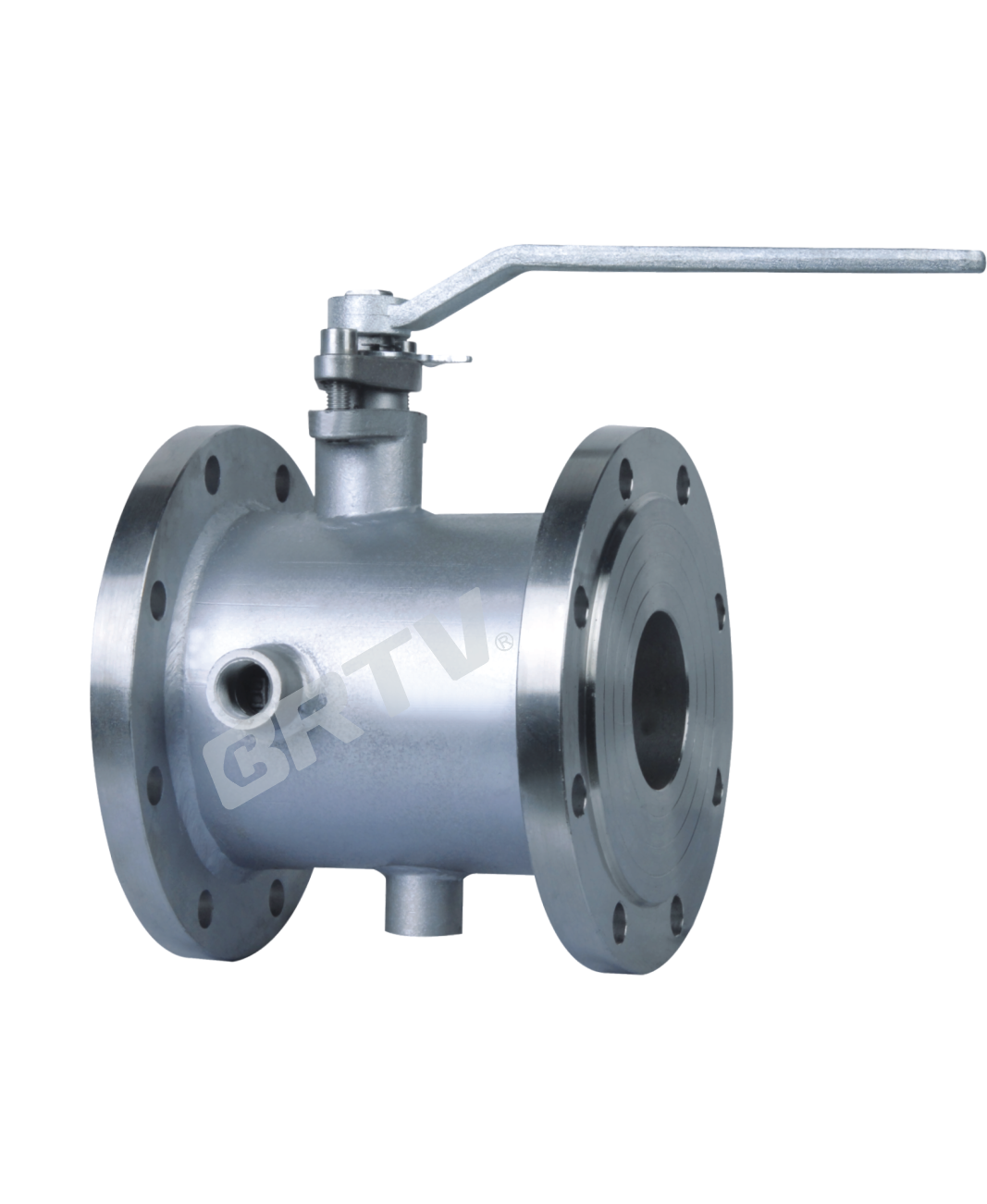
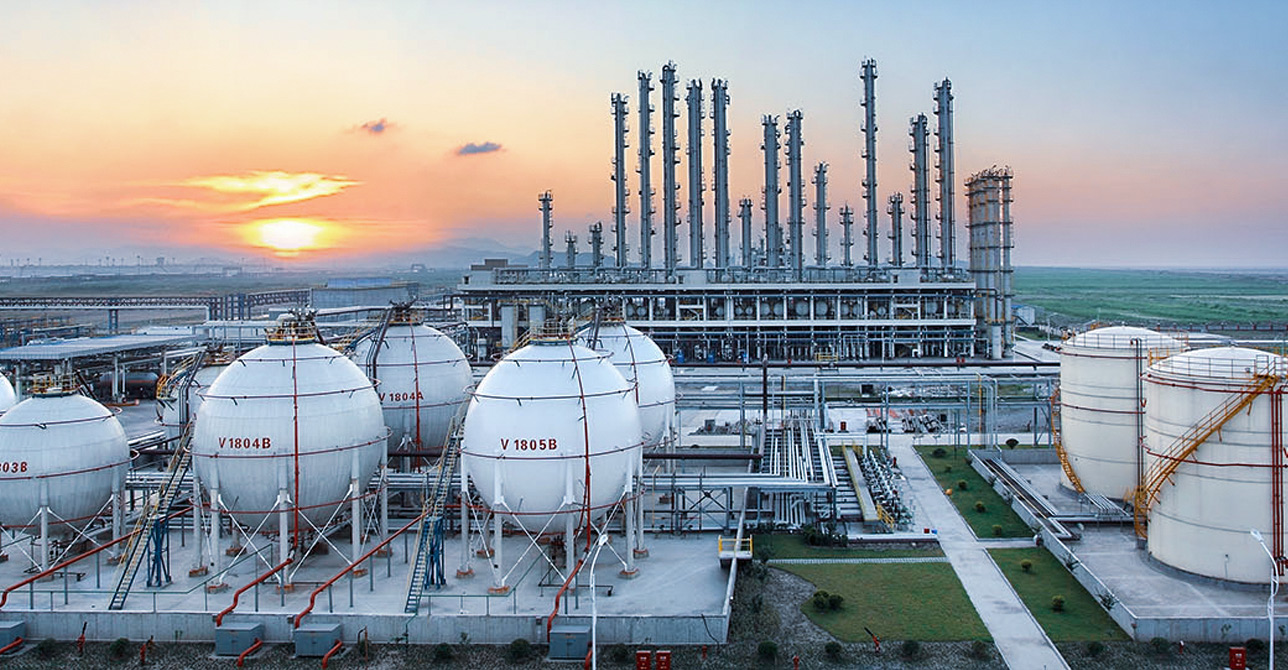
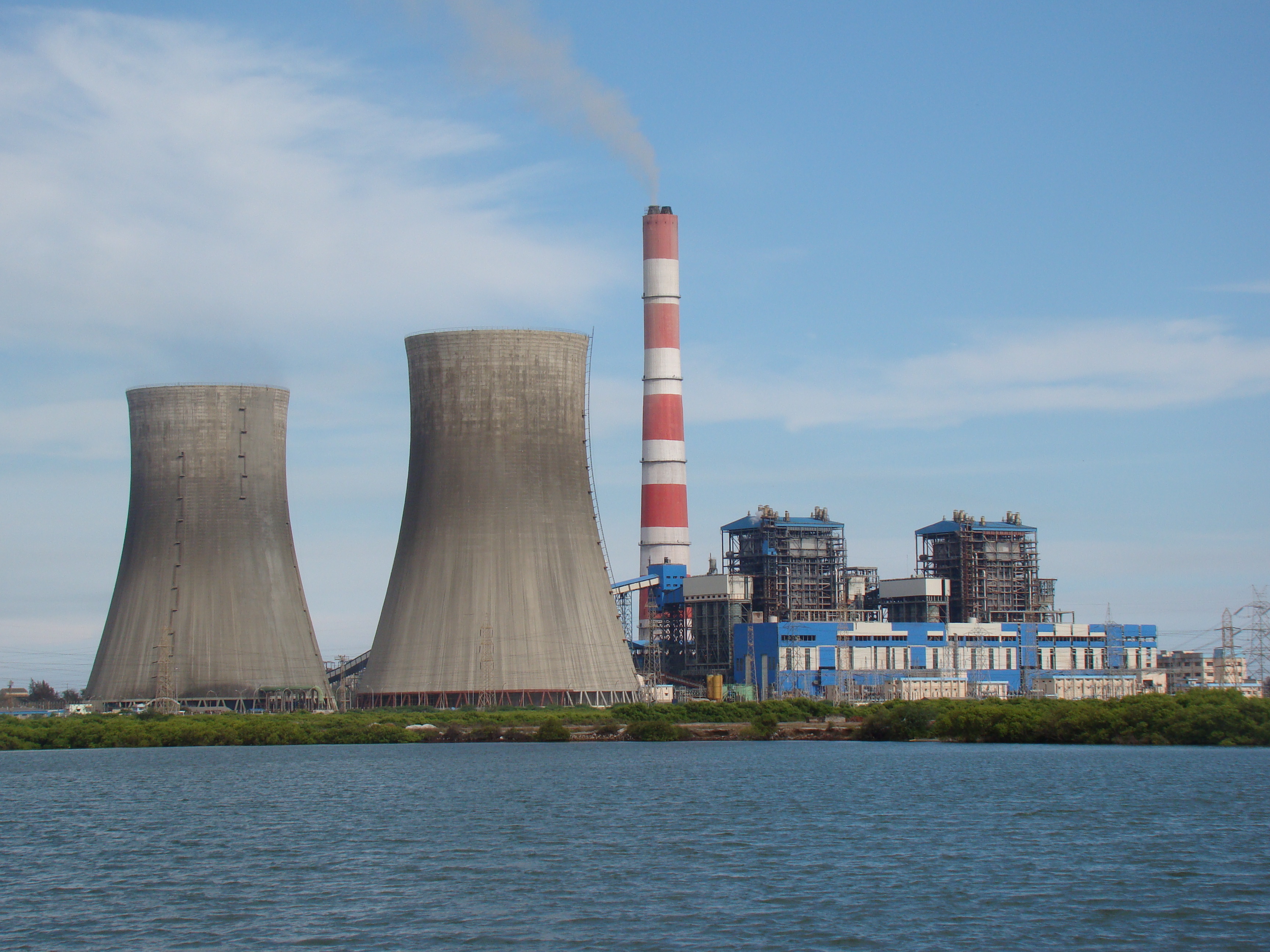
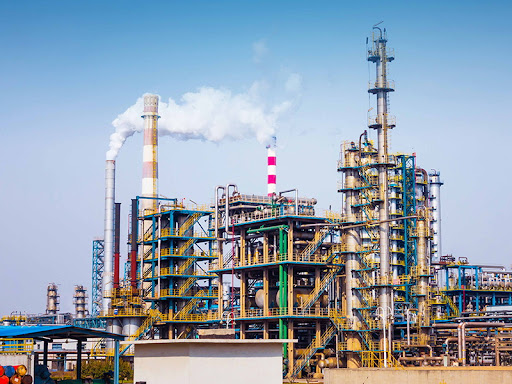
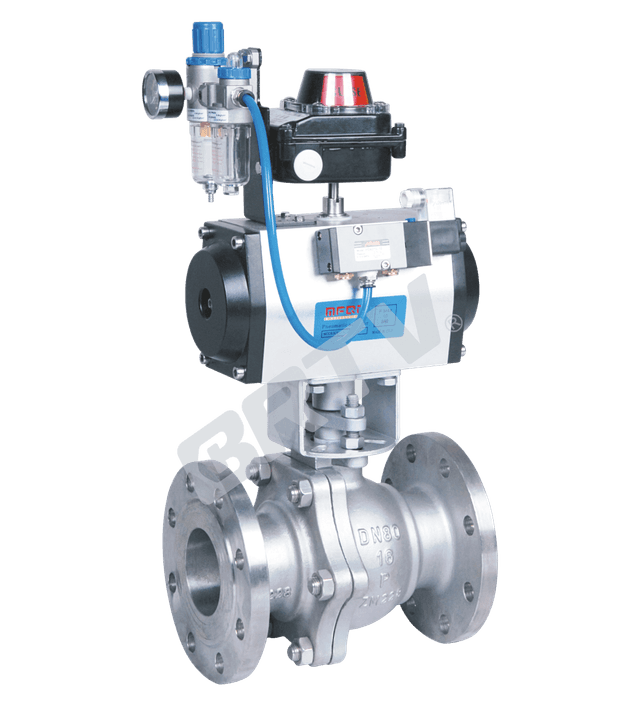
Jacketed ball valves are mainly used in the industries of petroleum, chemicals, pharmaceuticals, metallurgy, electric power and etc. to handle high viscosity medium that can be solidified at ordinary temperature. The jacket of ball valve is welded between the seal faces at both ends of the valve. On the side and at the bottom of the valve there are standard connection ports for jacket. Provided with a jacket, the types of end connection may be flanged and wafer. Steam or other heat insulating mediums may freely pass through the jacket, to ensure pasty mediums smoothly through the valve.
Structural Features
-
To prevent the pasty medium in pipeline from being solidified and to lower the heat loss of the low-temperature medium in pipeline.
-
The carbon steel pipe welded jackets are more over pressure resistance and reliable than cast ones.
-
Due to the conformity of valve diameter and pipe inside diameter, medium makes linear flow of low resistance, most suitable for easily solidified and highly viscous liquid mediums.
-
One-piece structure of ball valve body, small volume and light weight compared with their counterparts.
Jacketed Ball Valve Manufacture Norm
| Category | API Series |
|---|
| Design Codes | ANSI B16.34 |
| Pressure / Temperature Rating | ANSI B16.34 |
| Face to Face Dimensions | ASME B16.10 |
| Flange Ends | ASME B16.5 |
| Inspection and Test | API 598 |
Main Parts Materials
| No. | Part Name | Material (ASTM) |
|---|
| 1 | Body | A216 WCB |
| 2 | Ends (Socket) | A105 |
| 3 | Jacketed | A105 |
| 4 | Locking Nut | A105 |
| 5 | O-Ring | Viton |
| 6 | Seat Ring | PTFE / RPTFE / Nylon / PEEK |
| 7 | Ball | A105 + ENP / F304 |
| 8 | Stem | A182 F6a |
| 9 | Gasket | PTFE + SS |
| 10 | Packing Seat | A182 F6a |
| 11 | Packing | Flexible Graphite / PTFE |
| 12 | Packing Gland | A216 WCB |
| 13 | Screw | A193 B7 |
| 14 | Stop Plate | Q235 + Zn |
| 15 | Snap Ring | 65Mn |
| 16 | Screw | A193 B7 |
| 17 | Lever | Q235 + Zn |
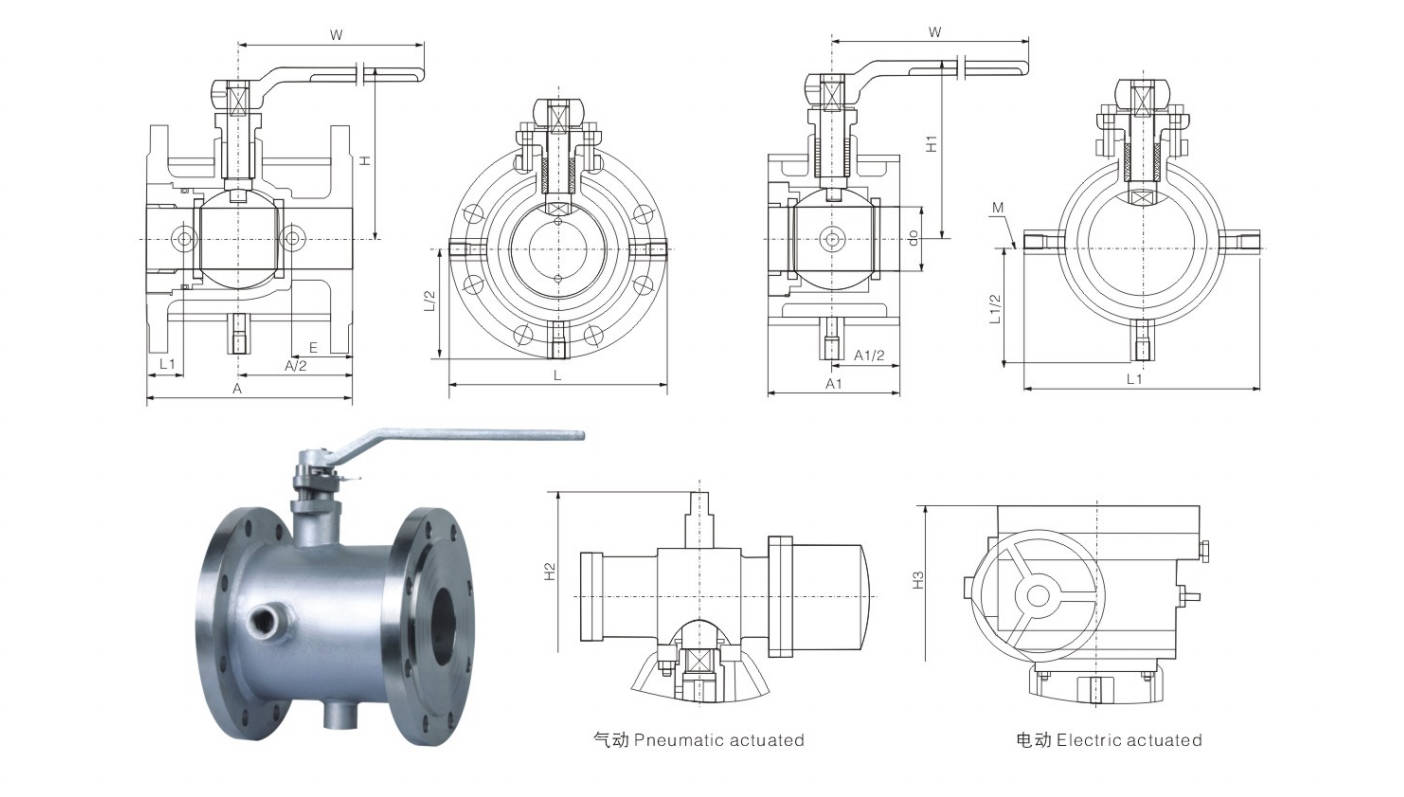
Main Size of Outside & Weight
PN 1.0/1.6Mpa CLASS150
| DN | NPS | A | A1 | do | H | H1 | H2 | H3 | W | M | L | L1 | E | Flange Size | Weight (kg) |
|---|
| 15 | 1/2 | 110 | 50 | 15 | 63 | 101 | 126 | / | 130 | ZG3/4 | 147 | 110 | 58.5 | DN40 (1 1/2) | 7.04 |
| 20 | 3/4 | 117 | 55 | 20 | 82 | 101 | 126 | / | 160 | ZG3/4 | 147 | 117 | 58.5 | DN40 (1 1/2) | 7.74 |
| 25 | 1 | 127 | 60 | 25 | 85 | 106 | 137 | / | 160 | ZG3/4 | 156 | 127 | 63.5 | DN50 (2) | 10.7 |
| 40 | 1 1/2 | 165 | 80 | 40 | 100 | 125 | 169 | / | 230 | ZG3/4 | 181 | 165 | 62.5 | DN65 (2 1/2) | 14.5 |
| 50 | 2 | 178 | 90 | 51 | 153 | 135 | 179 | 576 | 230 | ZG3/4 | 218 | 178 | 68 | DN80 (3) | 17.9 |
| 80 | 3 | 229 | 120 | 76 | 195 | 217 | 258 | 643 | 400 | ZG3/4 | 275 | 229 | 82 | DN150 (6) | 37.3 |
| 100 | 4 | 254 | 140 | 102 | 213 | 265 | 322 | 715 | 700 | ZG3/4 | 300 | 254 | 83 | DN200 (8) | 56 |
| 150 | 6 | 292 | 160 | 152 | 235 | 355 | 415 | 848 | 1100 | ZG1 | 403 | 292 | 95 | DN250 (10) | 93 |
| 200 | 8 | 330 | 180 | 203 | 342 | 410 | 527 | 903 | 1500 | ZG1 | 492 | 330 | 100 | DN300 (12) | 160 |
PN 2.5/4.0Mpa CLASS300
| DN | NPS | A | A1 | do | H | H1 | H2 | H3 | W | M | L | L1 | E | Flange Size | Weight (kg) |
|---|
| 15 | 1/2 | 110 | 50 | 15 | 63 | 101 | 126 | / | 130 | ZG3/4 | 147 | 110 | 58.5 | DN40 (1 1/2) | 7.24 |
| 20 | 3/4 | 117 | 55 | 20 | 82 | 101 | 126 | / | 160 | ZG3/4 | 147 | 117 | 58.5 | DN40 (1 1/2) | 8.24 |
| 25 | 1 | 127 | 60 | 25 | 85 | 106 | 137 | / | 160 | ZG3/4 | 156 | 127 | 63.5 | DN50 (2) | 11.5 |
| 40 | 1 1/2 | 165 | 80 | 40 | 100 | 125 | 169 | / | 230 | ZG3/4 | 181 | 165 | 62.5 | DN65 (2 1/2) | 18.4 |
| 50 | 2 | 178 | 90 | 51 | 153 | 135 | 179 | 576 | 230 | ZG3/4 | 218 | 178 | 68 | DN80 (3) | 25.1 |
| 80 | 3 | 229 | 120 | 76 | 195 | 217 | 258 | 643 | 400 | ZG3/4 | 275 | 229 | 82 | DN150 (6) | 55.4 |
| 100 | 4 | 254 | 140 | 102 | 213 | 265 | 322 | 715 | 700 | ZG3/4 | 300 | 254 | 83 | DN200 (8) | 76.4 |
| 150 | 6 | 292 | 160 | 152 | 235 | 355 | 415 | 848 | 1100 | ZG1 | 403 | 292 | 95 | DN250 (10) | 118 |
| 200 | 8 | 330 | 180 | 203 | 342 | 410 | 527 | 903 | 1500 | ZG1 | 492 | 330 | 100 | DN300 (12) | 200 |
Manufacturing Process
Step 1: Order and Design
According to the customer's working conditions, pressure rating, temperature range, medium characteristics, and insulation/heating requirements, the basic structure of the jacketed ball valve is confirmed. At this stage, the body size, jacket chamber design, end connection type, sealing materials, and operating method are determined, followed by drawing review and production planning.
Step 2: Forging & Casting
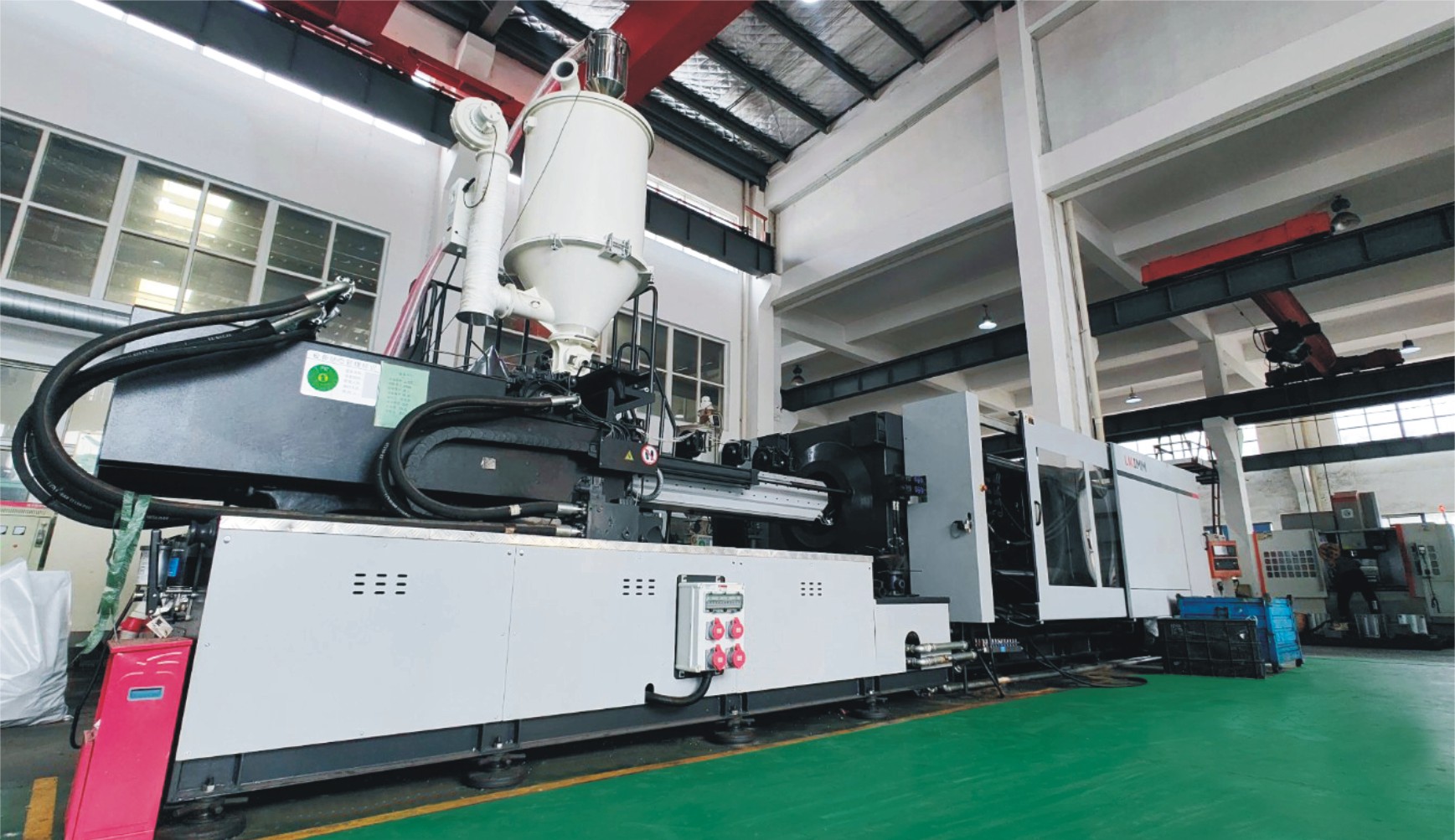
The main body, end caps, and jacket-related parts are produced by forging or casting based on material and size requirements. For a jacketed ball valve, special attention is given to the structural strength of the valve body and the accuracy of the jacket cavity, ensuring stable heating or cooling performance during operation.
Step 3: Machining
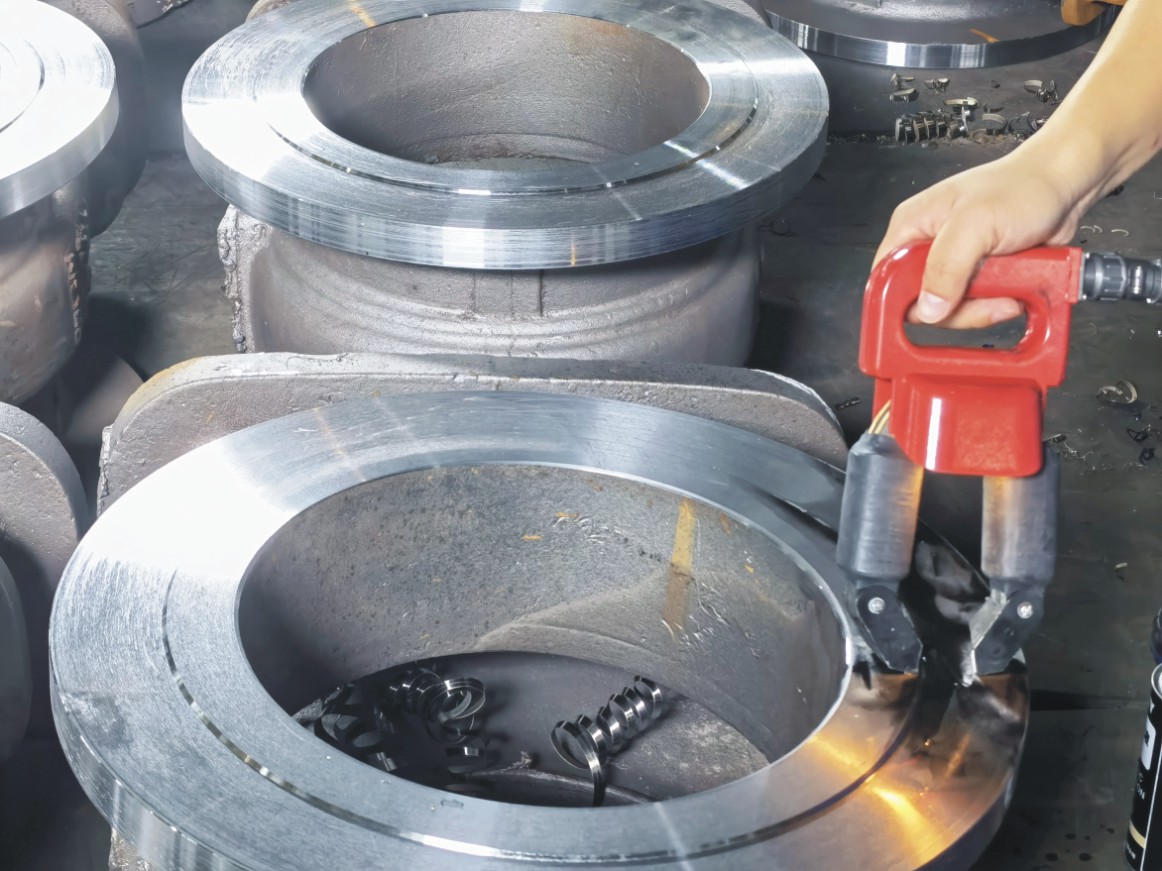
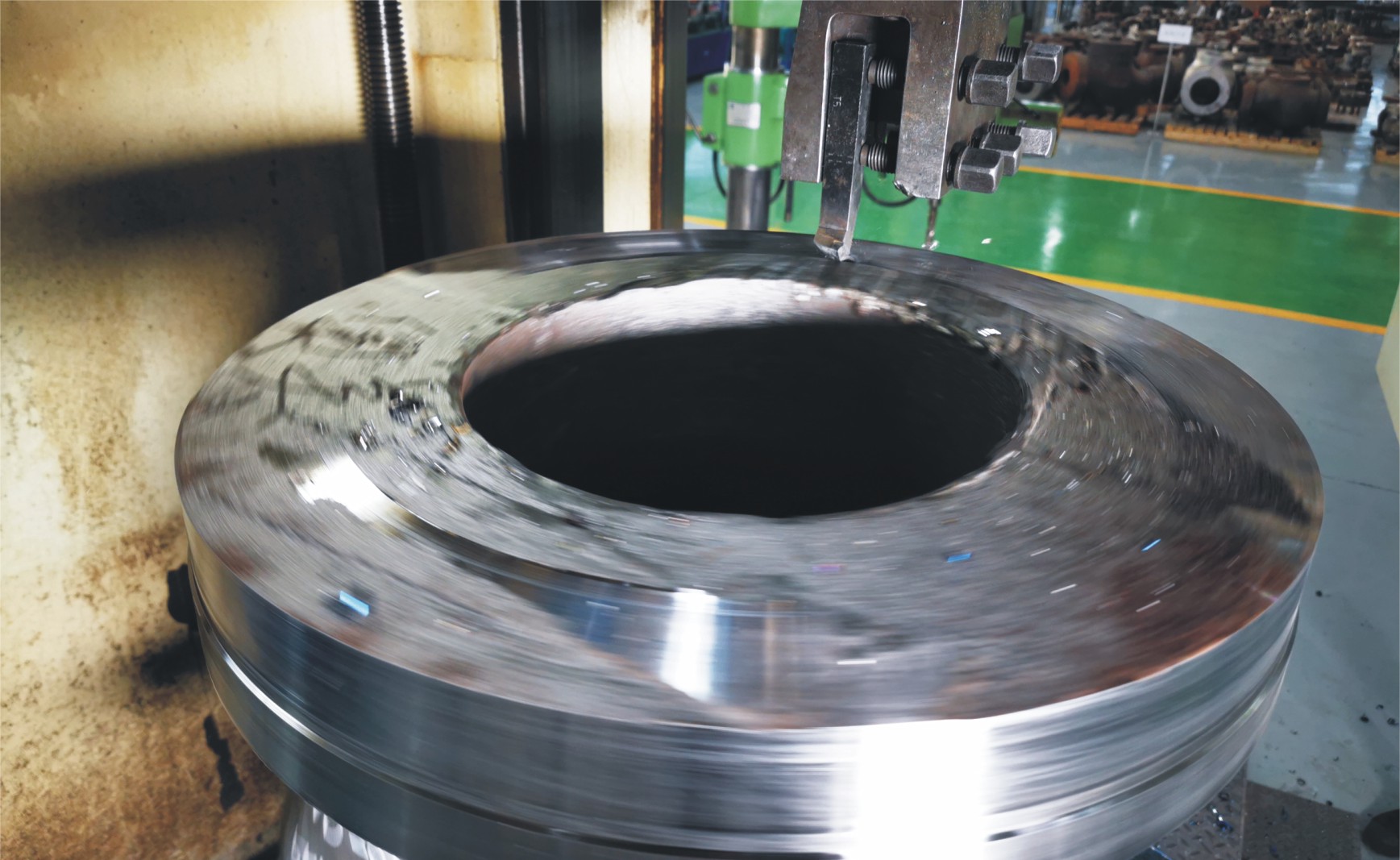
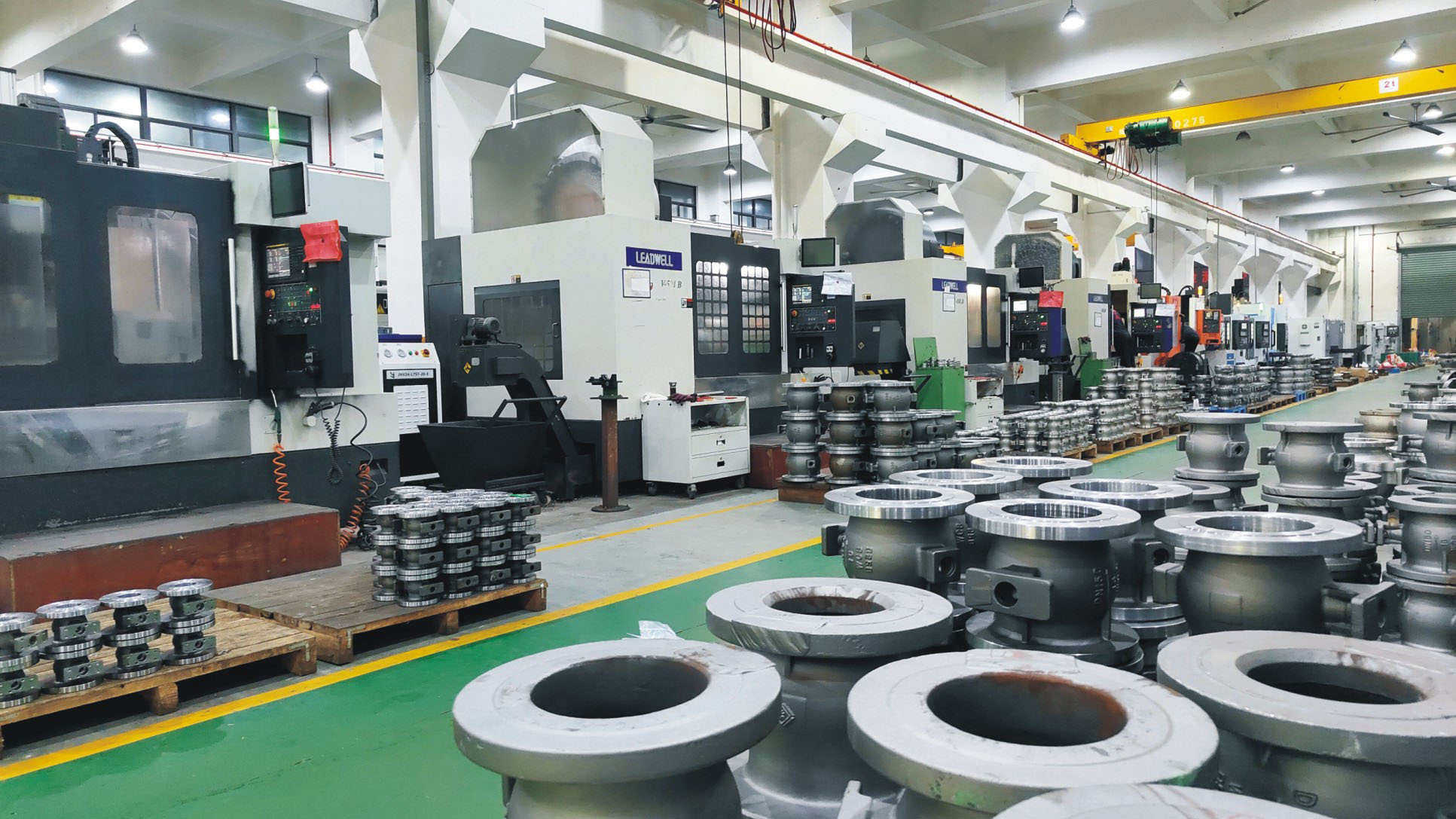
After raw parts are prepared, precision machining is carried out on the valve body, ball, stem, flange faces, sealing areas, and jacket connection ports. The machining process of the jacketed ball valve must ensure dimensional accuracy, smooth sealing surfaces, and proper alignment between the valve body and jacket structure to guarantee both flow control and thermal efficiency.
Step 4: Assembly
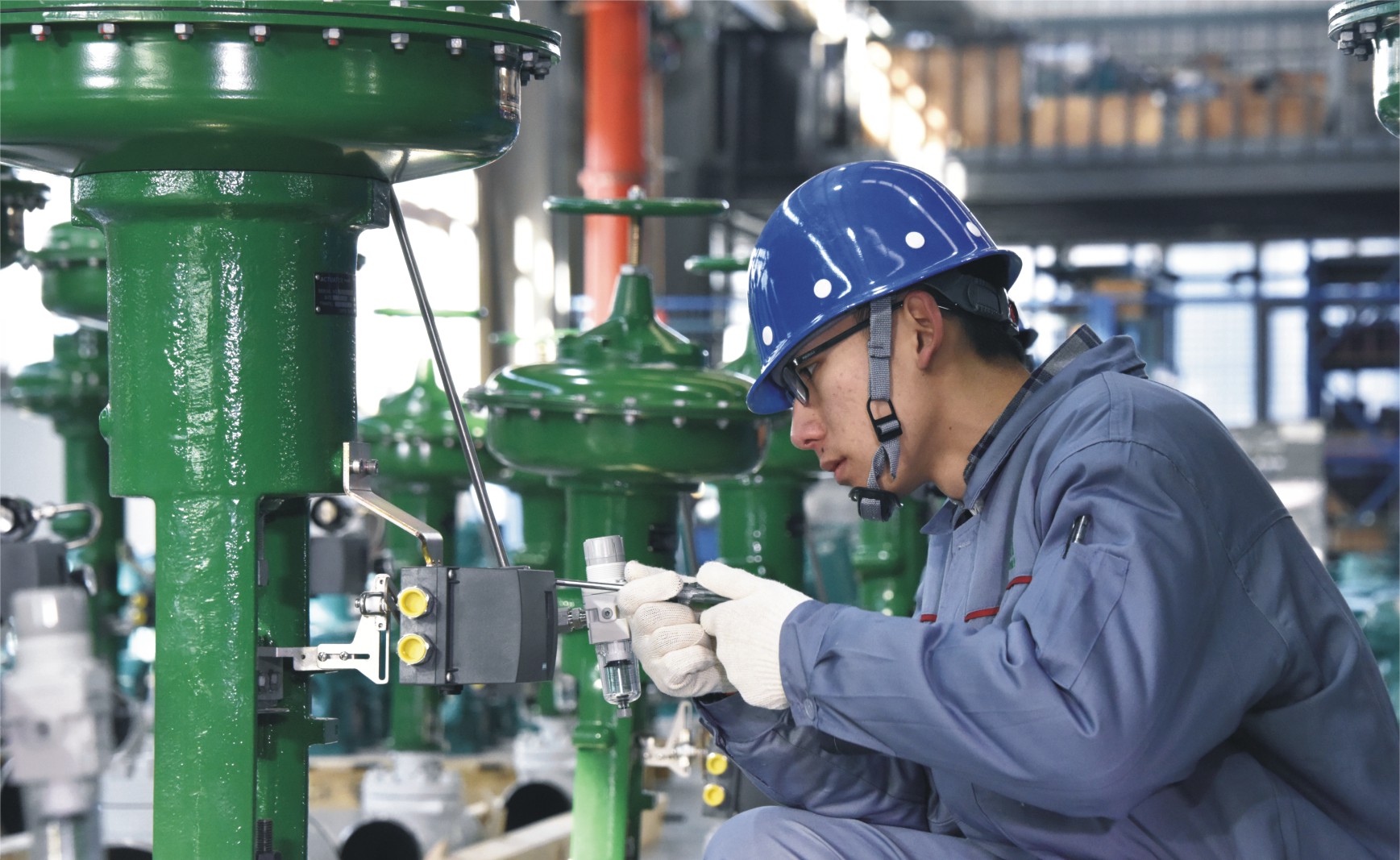
All finished parts are cleaned and assembled in sequence, including the ball, stem, seats, seals, body, and jacket components. During jacketed ball valve assembly, sealing performance and concentricity are carefully checked to ensure smooth operation and reliable jacket containment without leakage.
Step 5: Testing & Quality Assurance
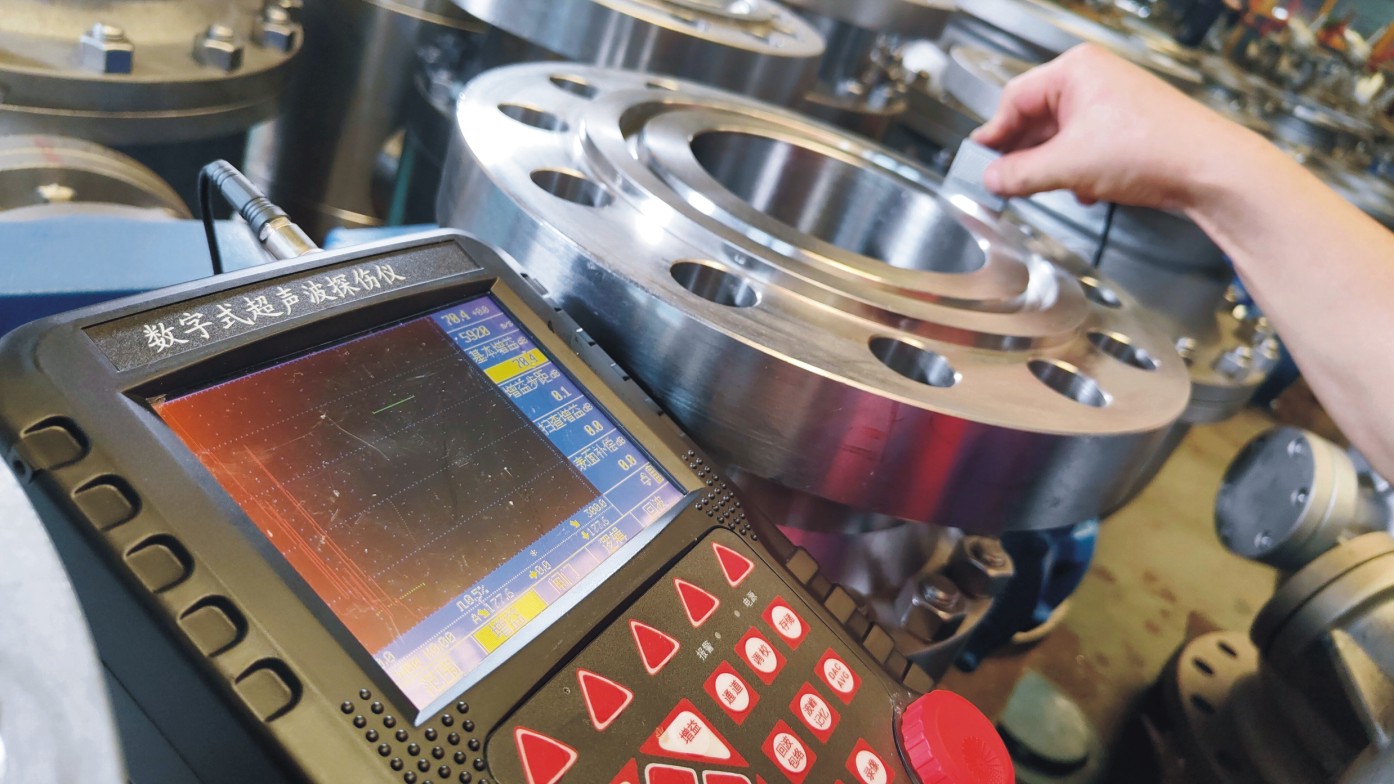
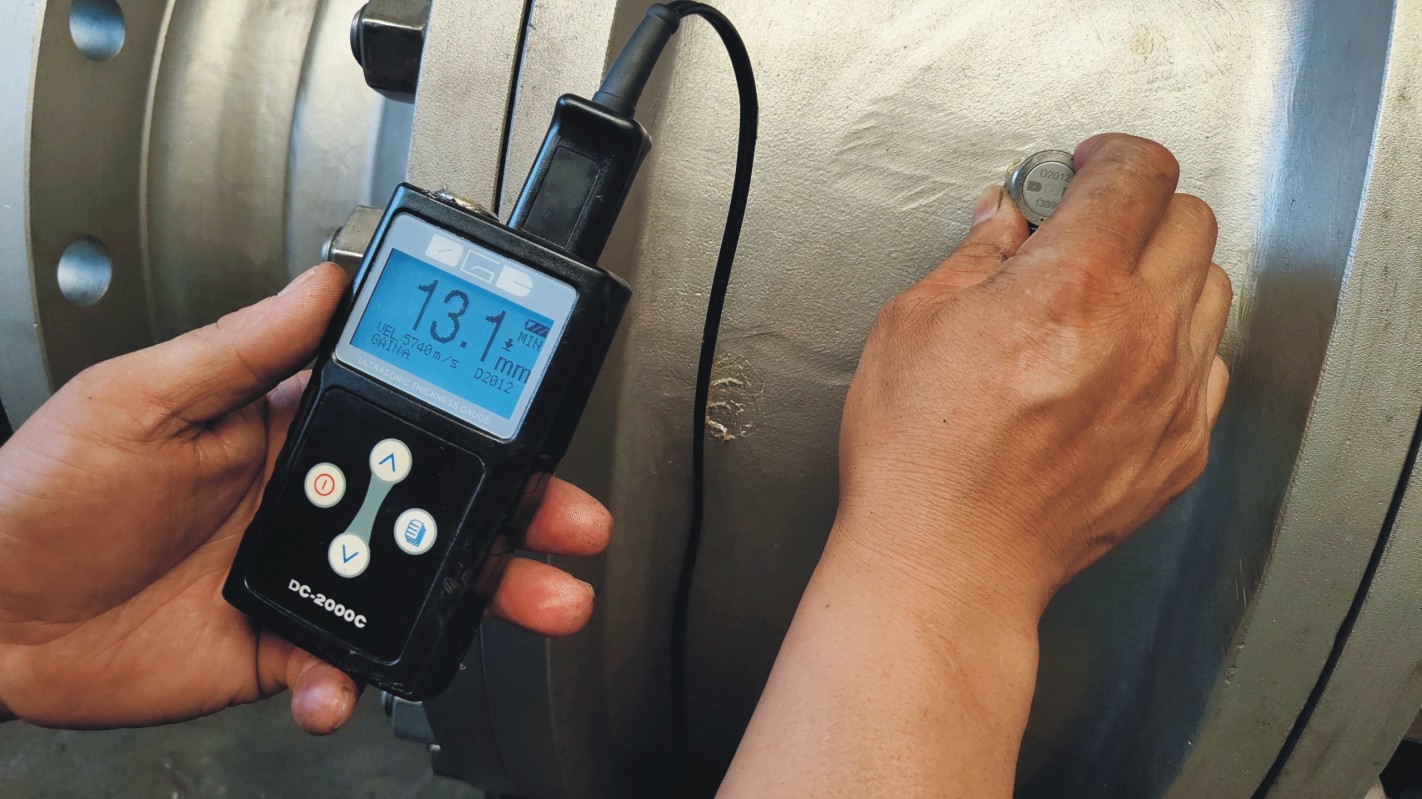
Each valve undergoes pressure testing, sealing testing, and operational inspection according to relevant standards. For the jacketed ball valve, both the main valve cavity and the jacket chamber are tested separately to verify pressure resistance, sealing integrity, and overall product quality before delivery.
Step 6: Painting and Finishing
After testing is completed, the valve surface is cleaned, anti-rust treated, painted if required, and marked with product identification. Final finishing also includes flange protection, packaging, and preparation for shipment, ensuring the valve arrives in good condition.
Applications
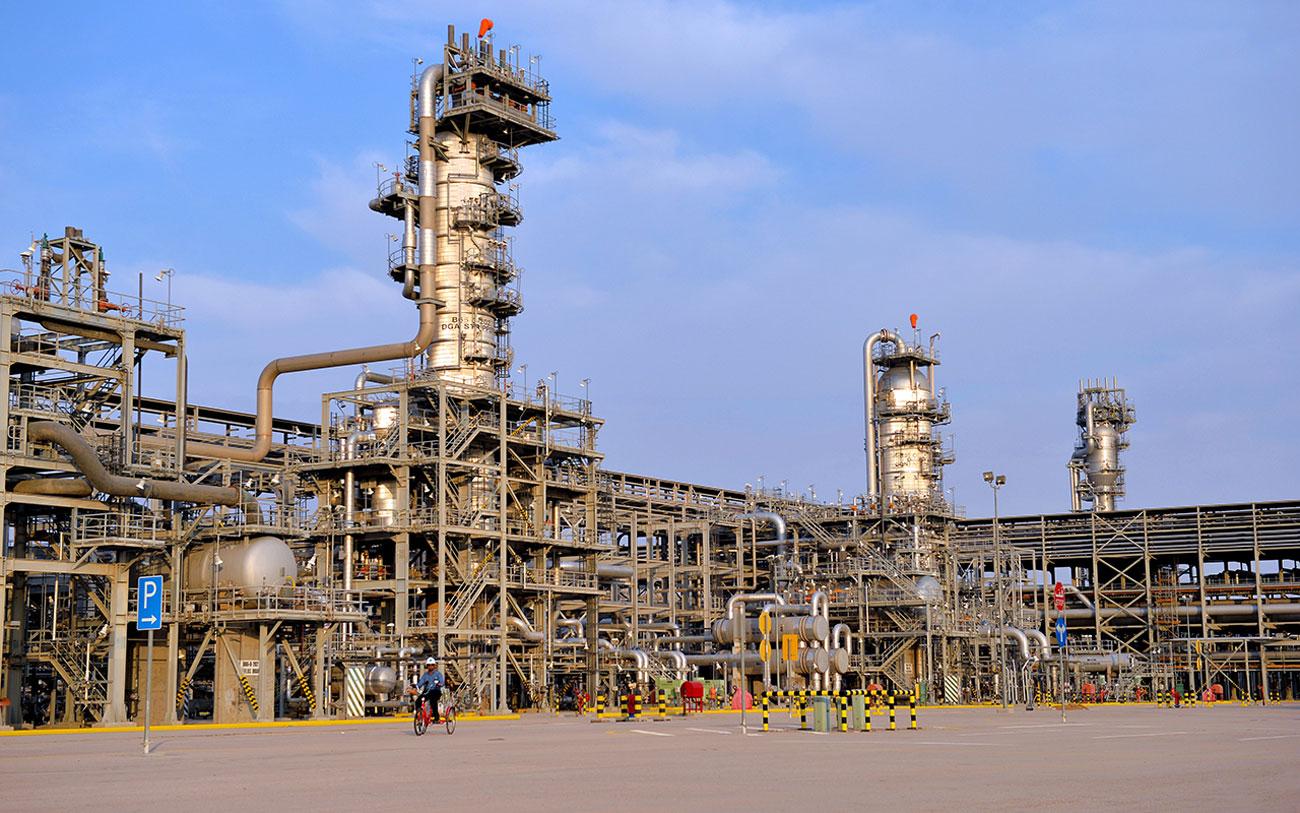
The jacketed ball valve is mainly used in various systems such as petroleum, chemical engineering, metallurgy, pharmaceuticals, and food industries, for transporting high-viscosity media that may solidify at normal temperatures, such as heavy oil and gel-like substances.
The jacketed ball valve achieves the functions of insulation and cooling by injecting steam or hot/cold media into the jacket. Its applications cover multiple industries including petroleum, chemical engineering, metallurgy, pharmaceuticals, and food, and are suitable for transporting media such as heavy oil, asphalt, syrup, and molten metals. In systems for transporting asphalt, this valve can also be used for flow control.
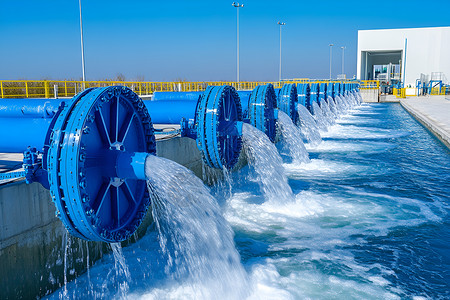
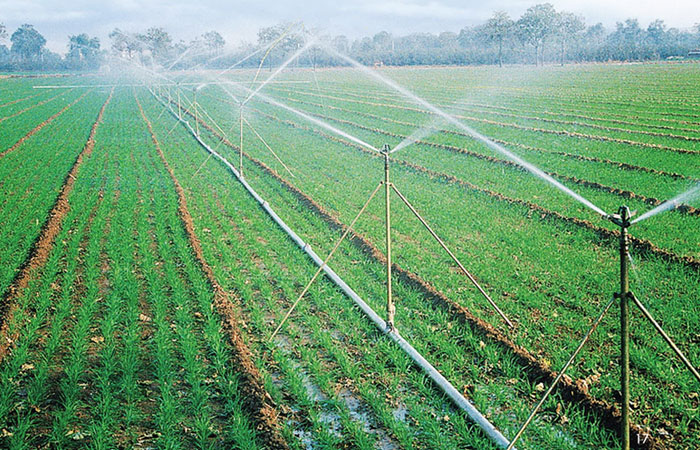
These valves are widely used in:
Agriculture and Irrigation
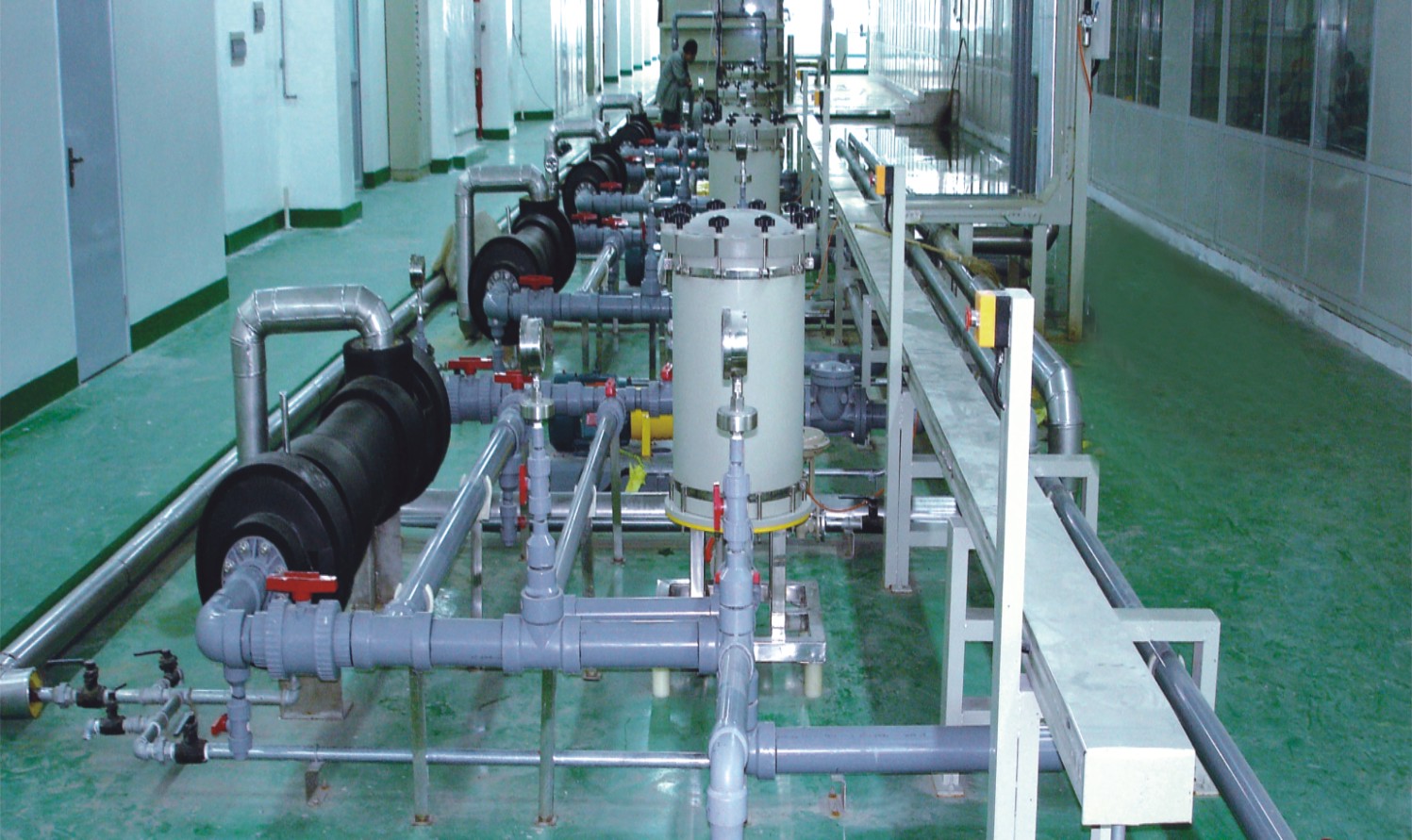
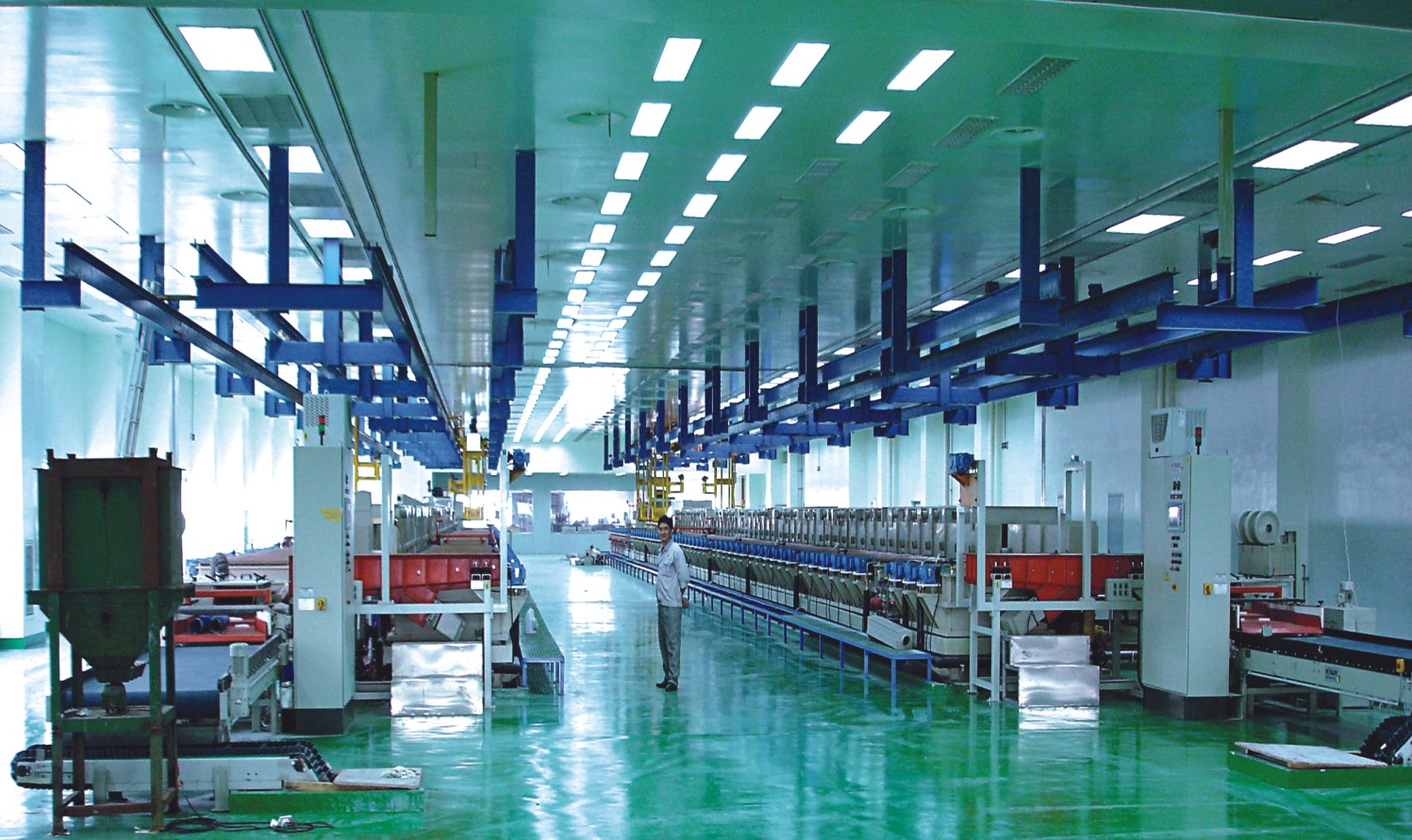
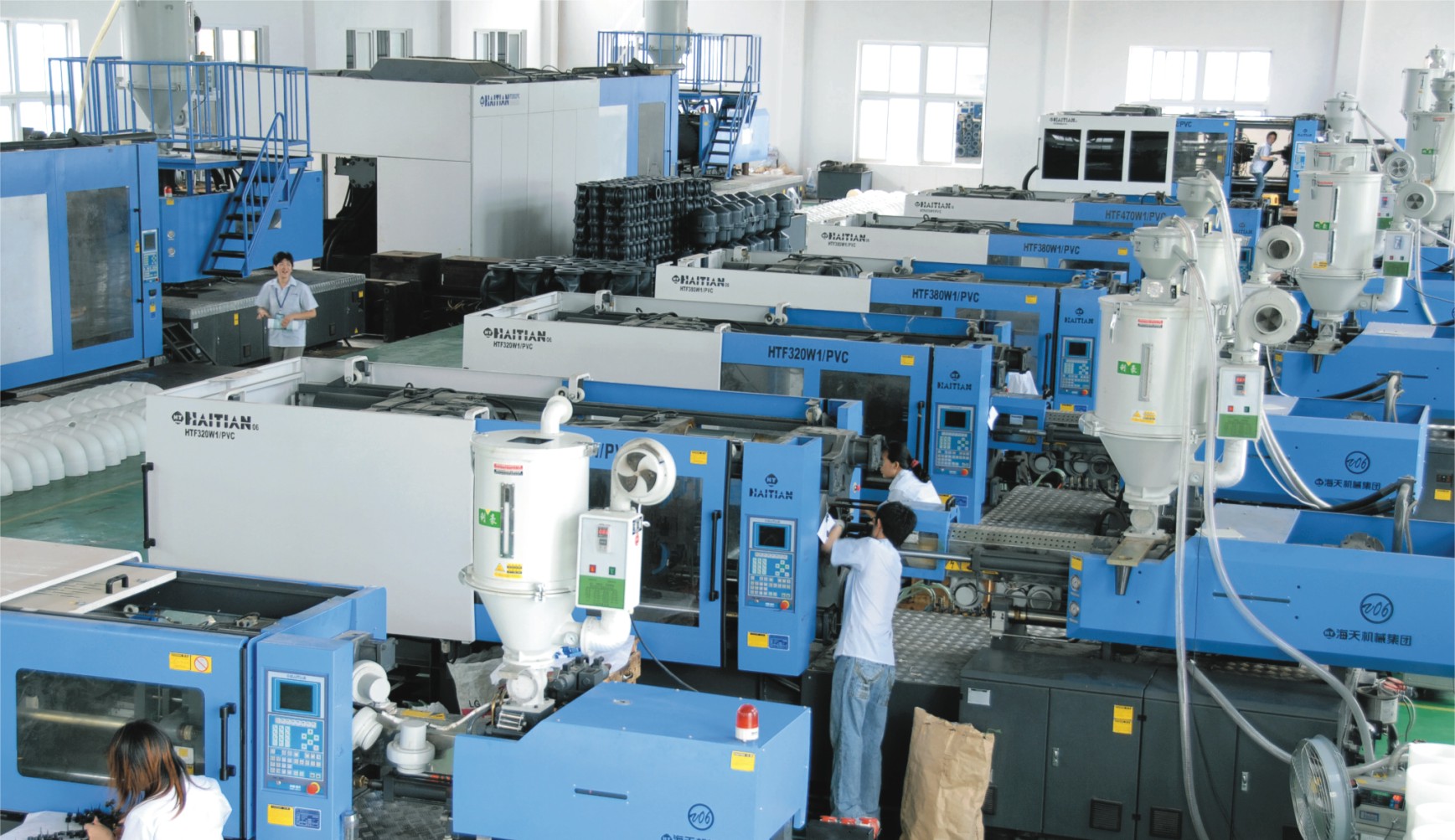
Factory Environment
Why Choose Us
Superior Quality
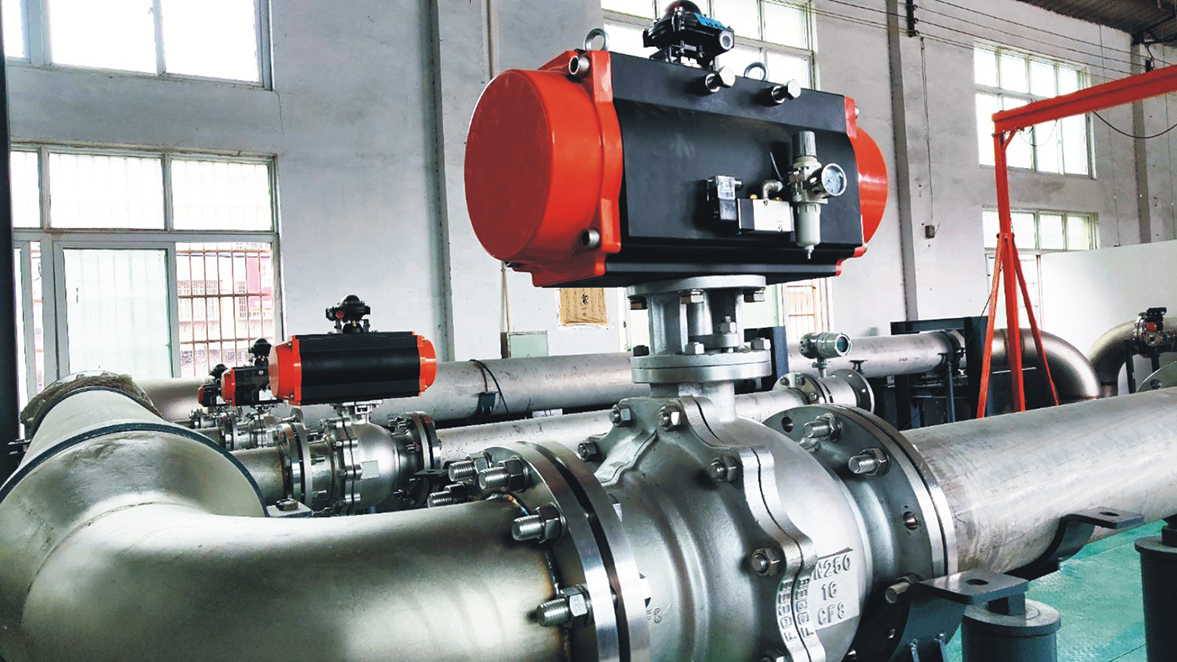
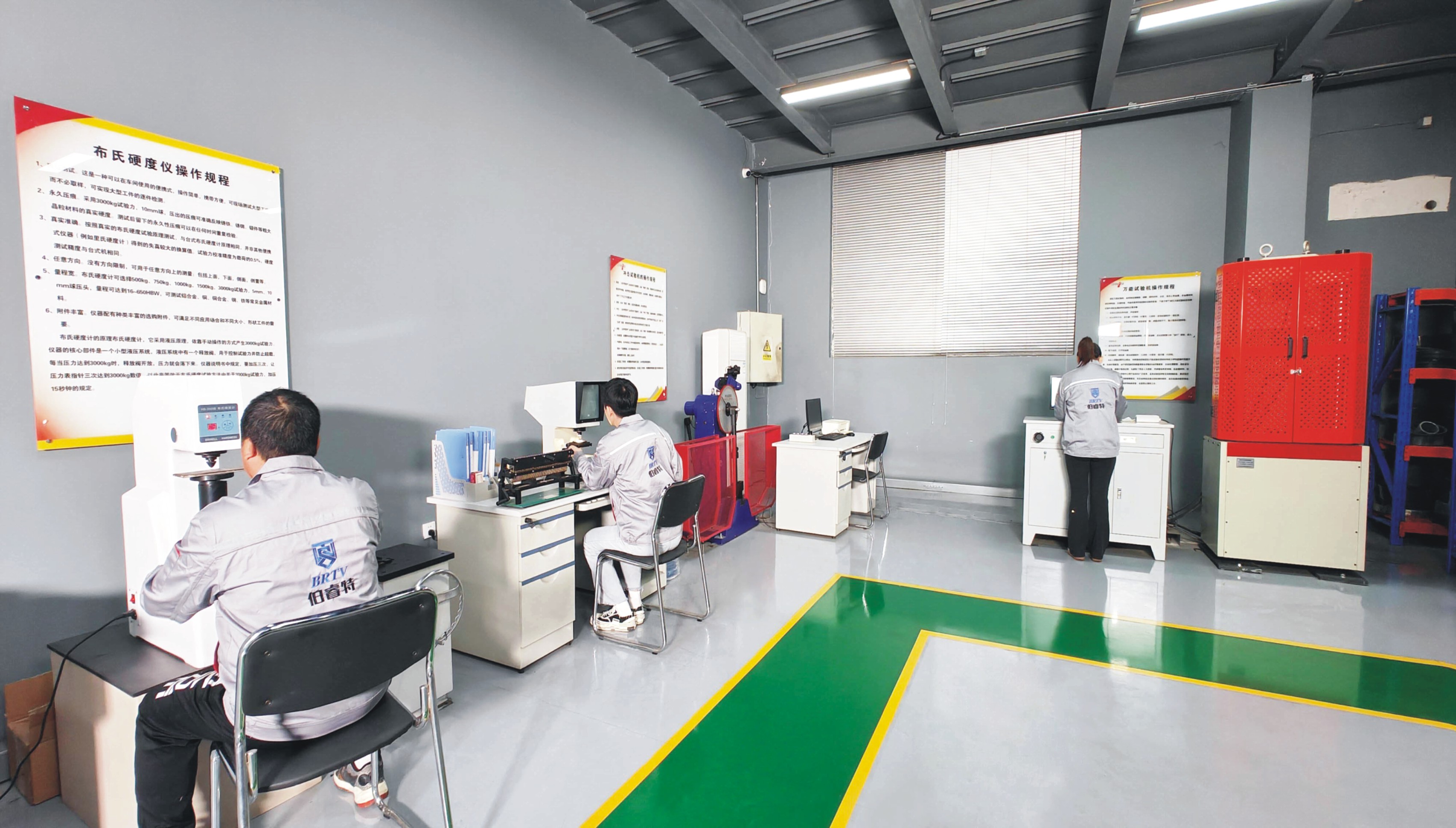
Our valves are manufactured using premium materials and undergo rigorous quality testing to ensure reliable performance in demanding industrial applications.
Advanced Technology
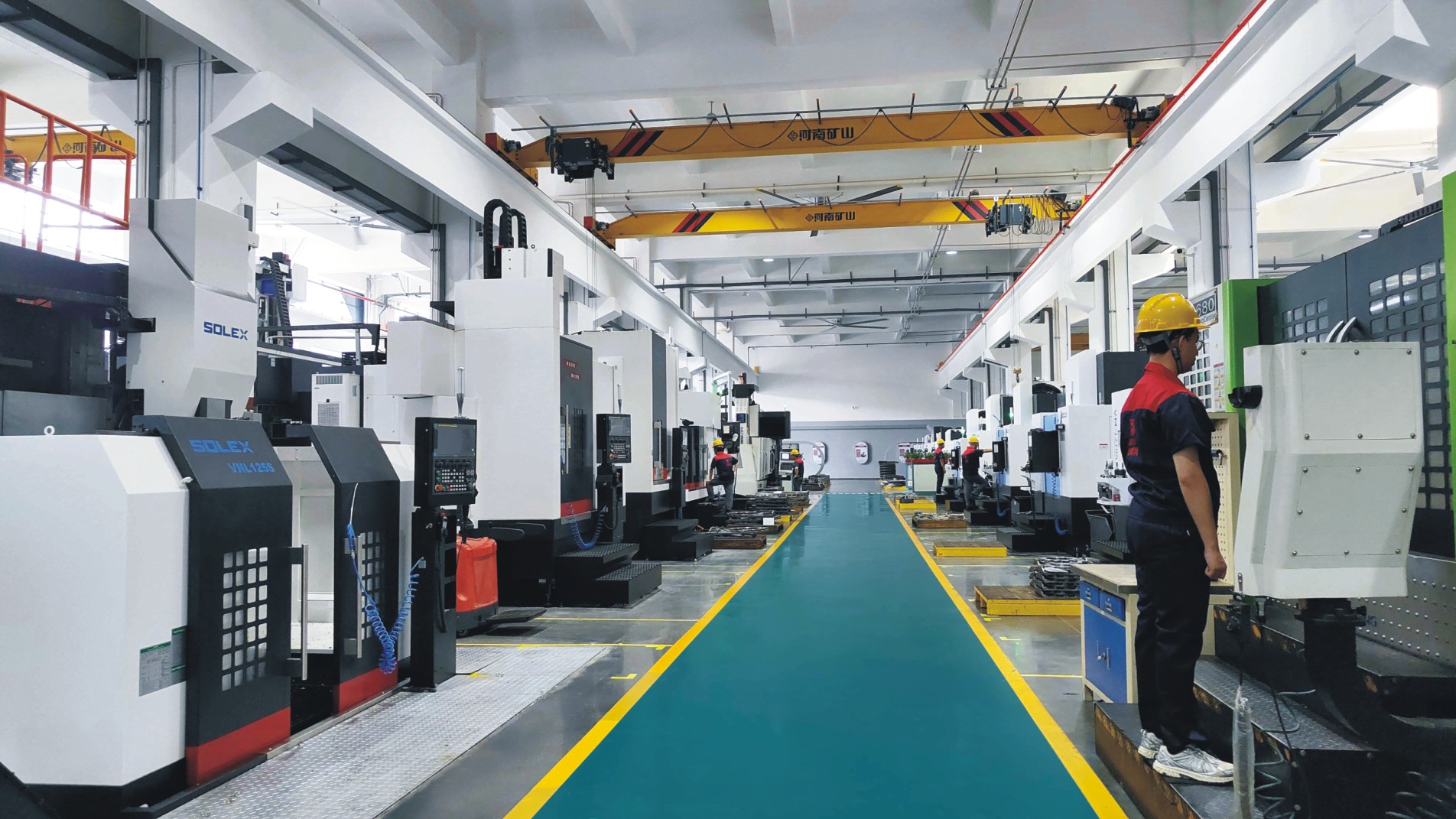
Equipped with state-of-the-art CNC machining centers and precision manufacturing equipment, we deliver valves with exceptional accuracy and consistency.
Competitive Pricing
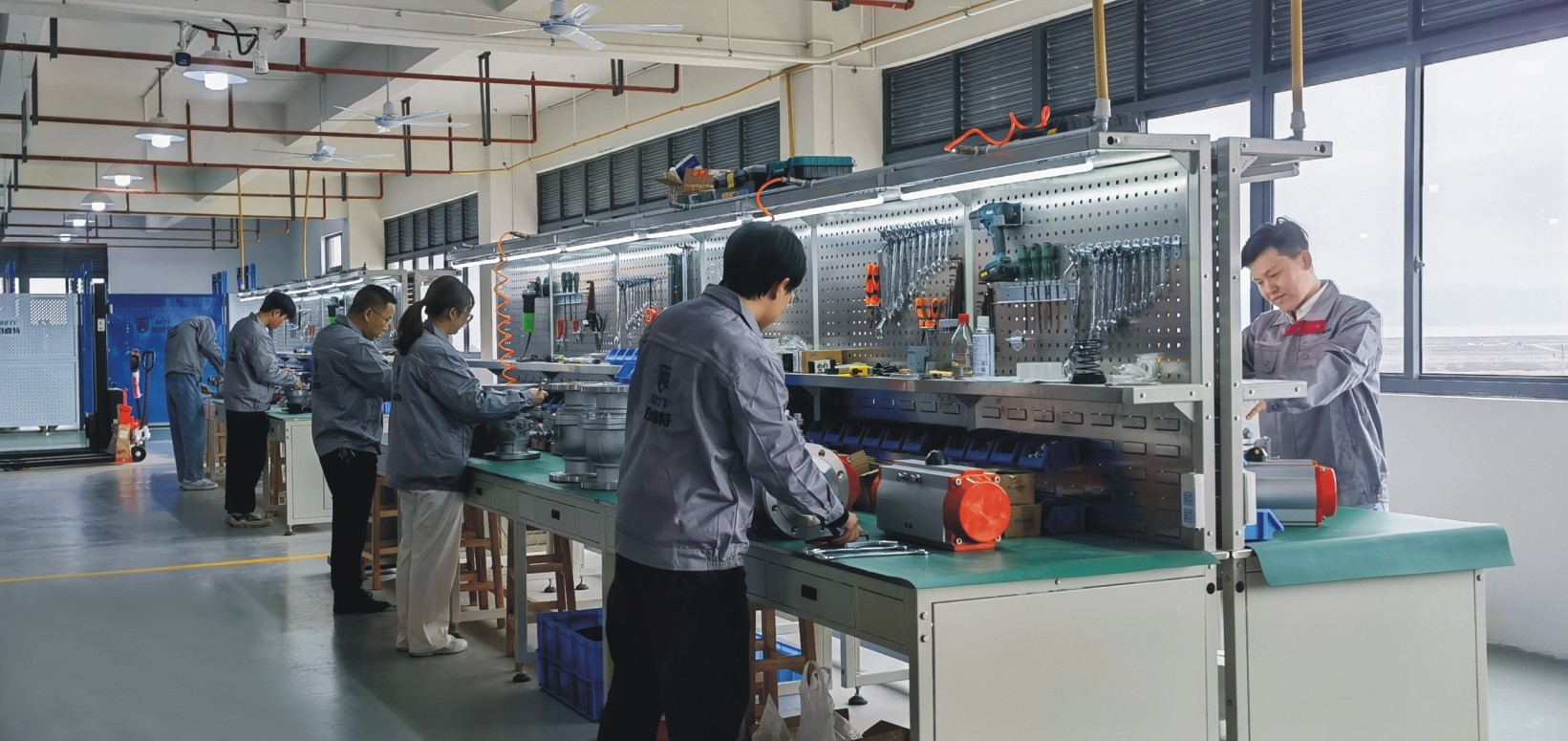
Through optimized manufacturing processes and bulk material procurement, we offer high-quality valves at competitive prices without compromising on quality.
Expert Support
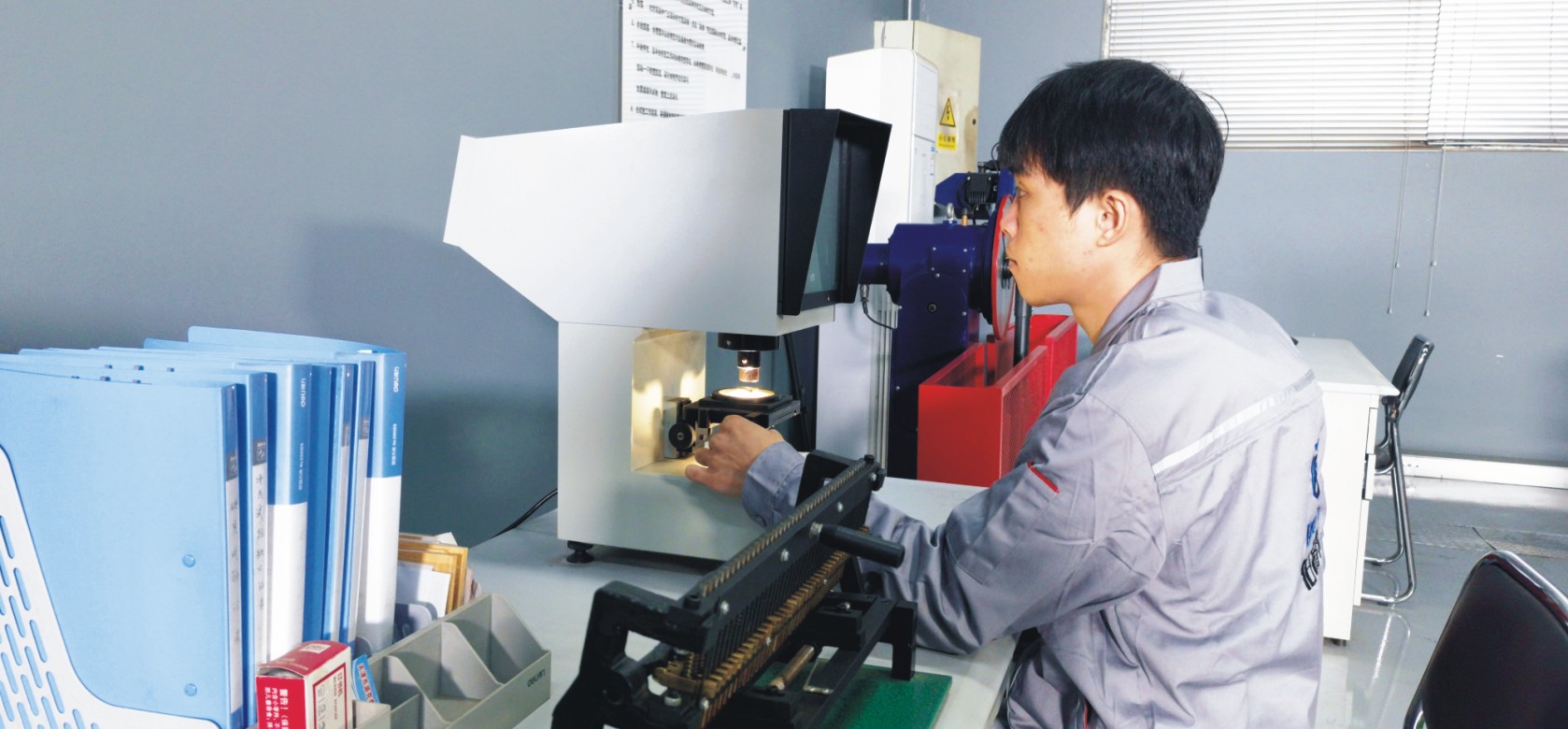
Our experienced technical team provides comprehensive support from product selection to after-sales service, ensuring optimal valve performance for your specific application.