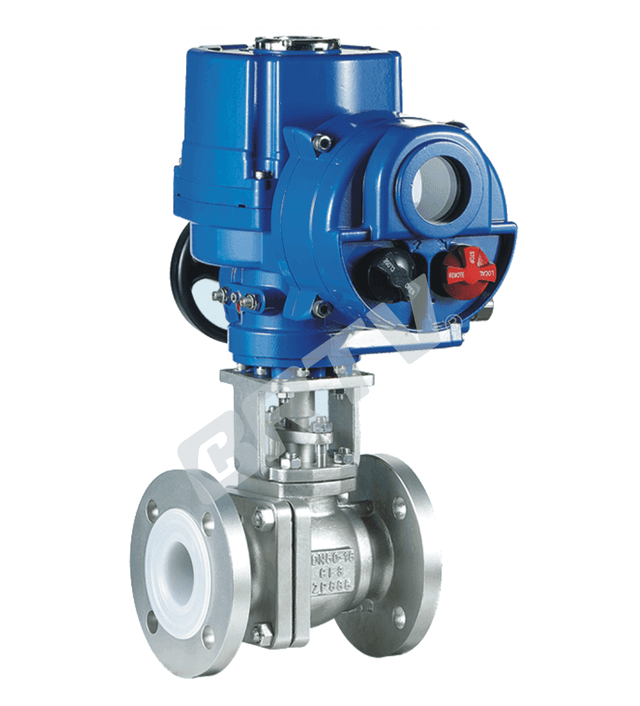
Function
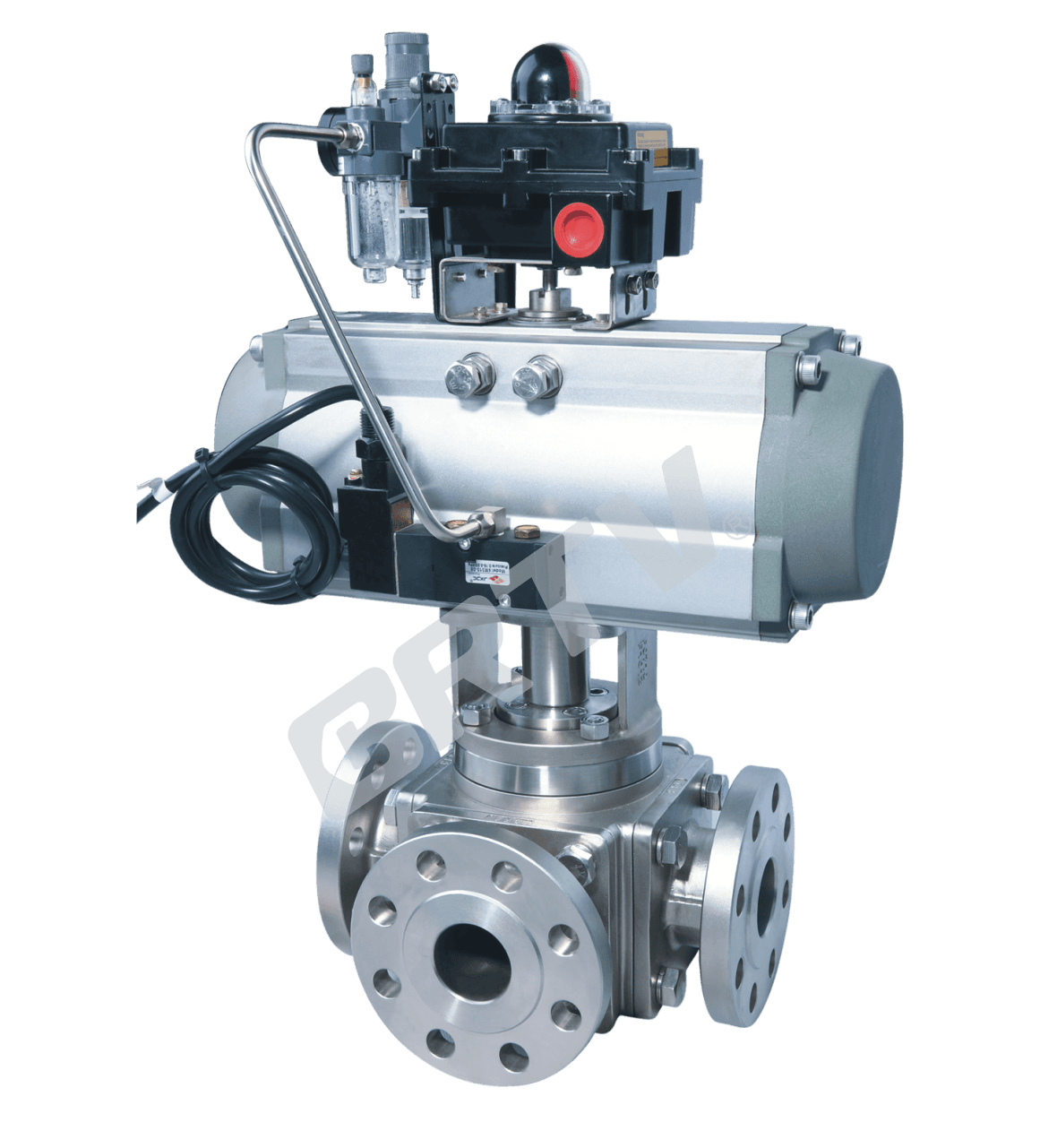
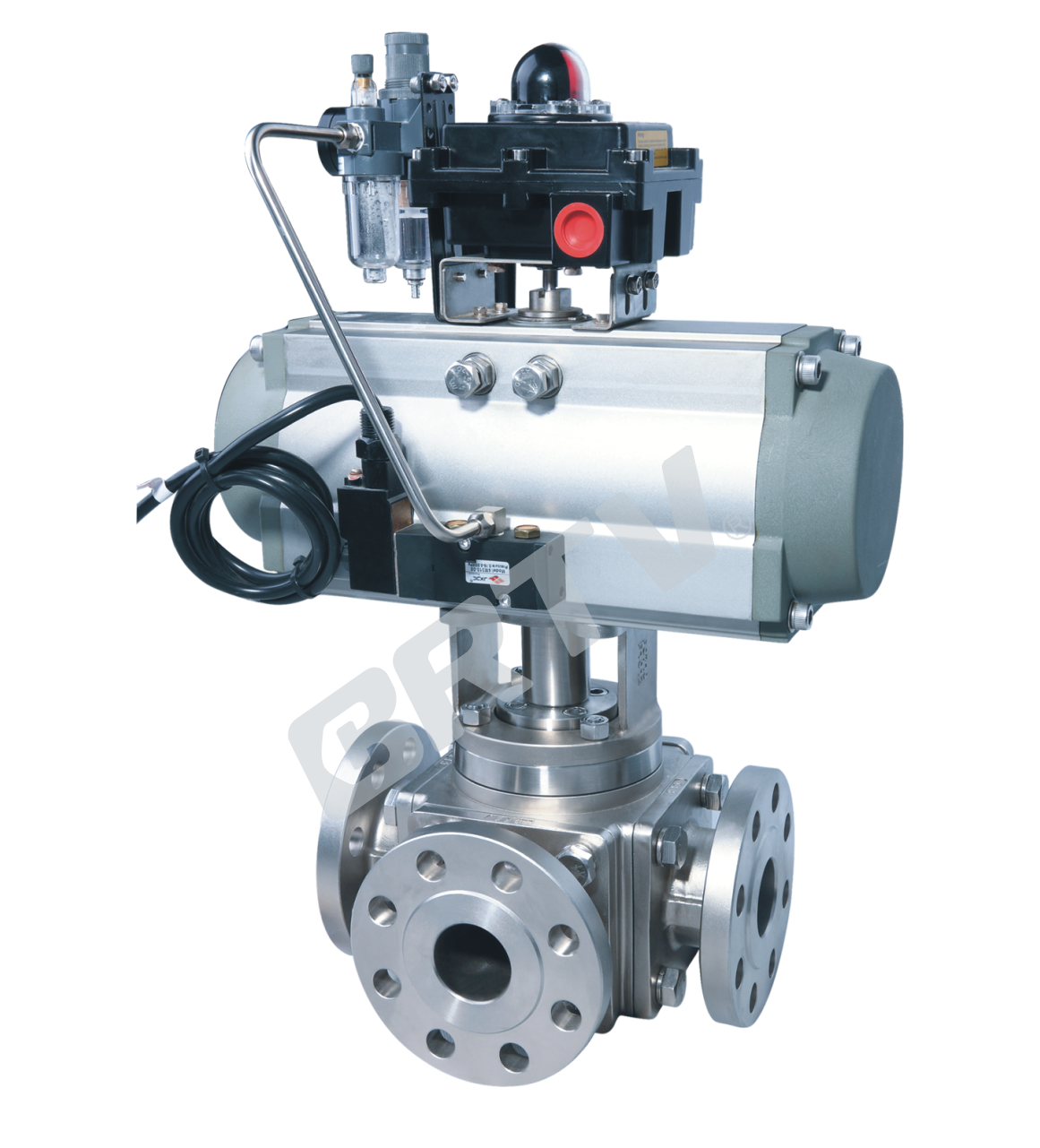
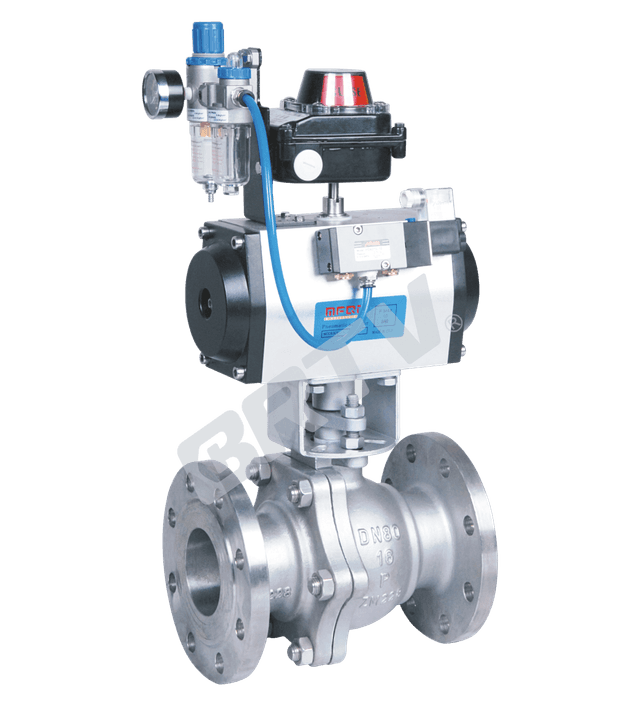
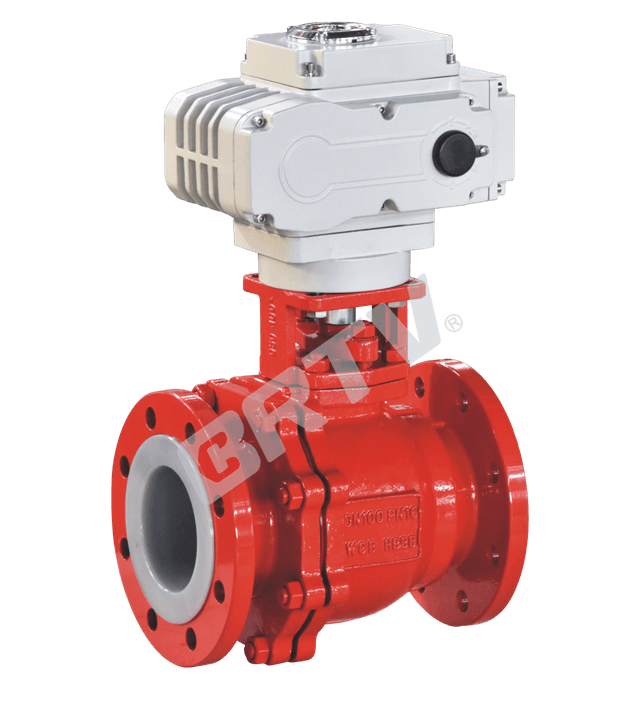
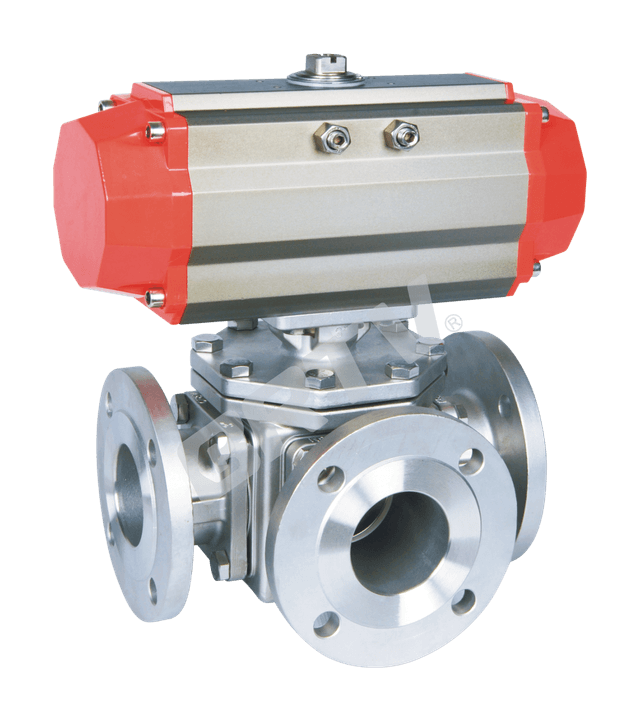
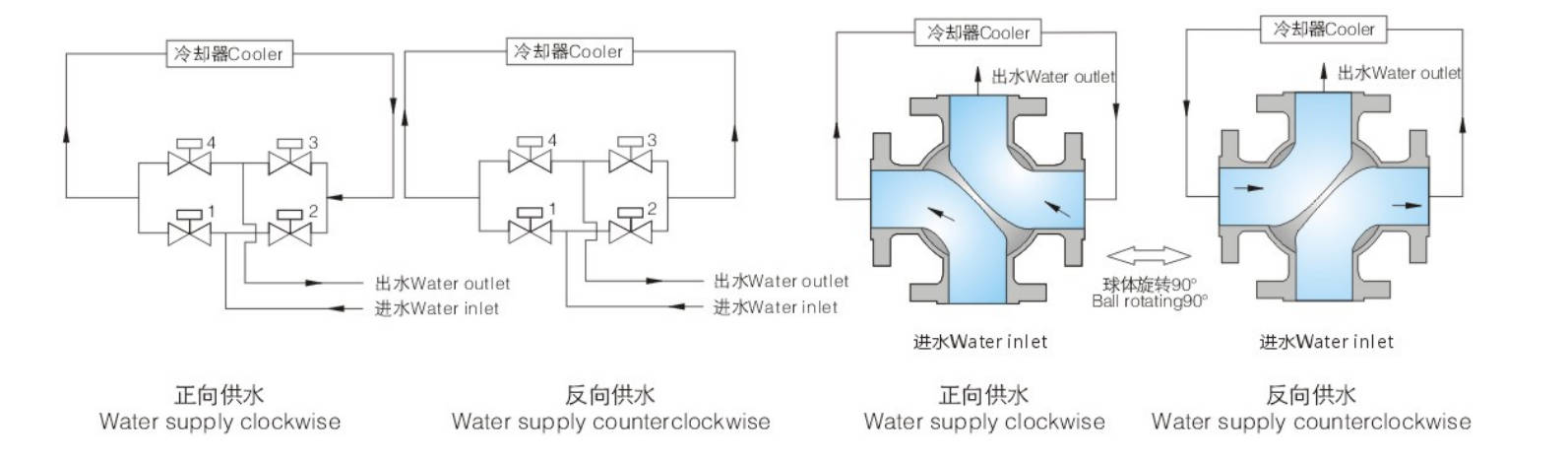
Four–way ball valve is also called multi–way water service rotary valve in power station, and air reversing change over valve in petrochemicals system. They are applicable for circulating system of liquid, gas, dust, slurry and medium containing solid particles. For example, the forward and reverse circulation water supply system of unit cooler in power station. The conventional piping for forward and reverse circulating water supply has the defects of large occupation, high cost, complicated operation (to operate four valves for each changeover). For forward water supply, valve 1 and 3 to be opened and valve 2 and 4 to be closed; for reverse water supply, valve 2 and 4 to be opened and valve 1 and 3 to be closed. Use of four–way ball valve instead of the conventional piping and valve group can simplify operational procedures, lower the cost, facilitate the control and improve its asynchronism.
structural features
- Designed for the specific process of forward and reverse water supply for power system coolers, with applicable and reliable functions;
- The top mounted fixed ball four sided seat valve core structure has good sealing performance, resistance to sand particle wear, and long service life;
- Electric and pneumatic operation (can be switched to manual operation if necessary);
- Facilitate good information channels and operation interfaces between the control box and valves, as well as between the control box and the upper computer; And it can automatically switch between positive and negative water supply at a certain time interval according to the process requirements.
Control System
Four-way ball valve can be controlled on the scene or through the operating of the central system for a remote controlling. The function is as below:
One, switch
1.Power switch
2.Field control / Remote control change over switch
3.Manual circulation / Automatic circulation change over switch
Two, button
1.Forward water supply
2.Reverse water supply
3.Pause
Three, Indicator light
1.Power indicator
2.Forward water supply indicator
3.Reverse water supply indicator
4.Middle position pause indicator
5.Valve or electric fitting jammed over–moment indicator (flash and alarm)
Four, opening indicator
Five, communication with upper machine
Technique Standard
| Design Standard | GB/T 12237 |
|---|
| Face to Face Dimension | GB/T 12221 |
| Flanged End Dimension | GB/T 9113 |
| Test and Inspection | JB/T 9092 |
Form of Main Parts Materials
| Part Name | Material |
|---|
| Body | Cast steel, Cast stainless steel |
| Bonnet | Cast steel, Cast stainless steel |
| Stem | Martensitic stainless steel, Austenitic stainless steel |
| Ball | Martensitic stainless steel, Austenitic stainless steel |
| Seal ring | Special plastic |
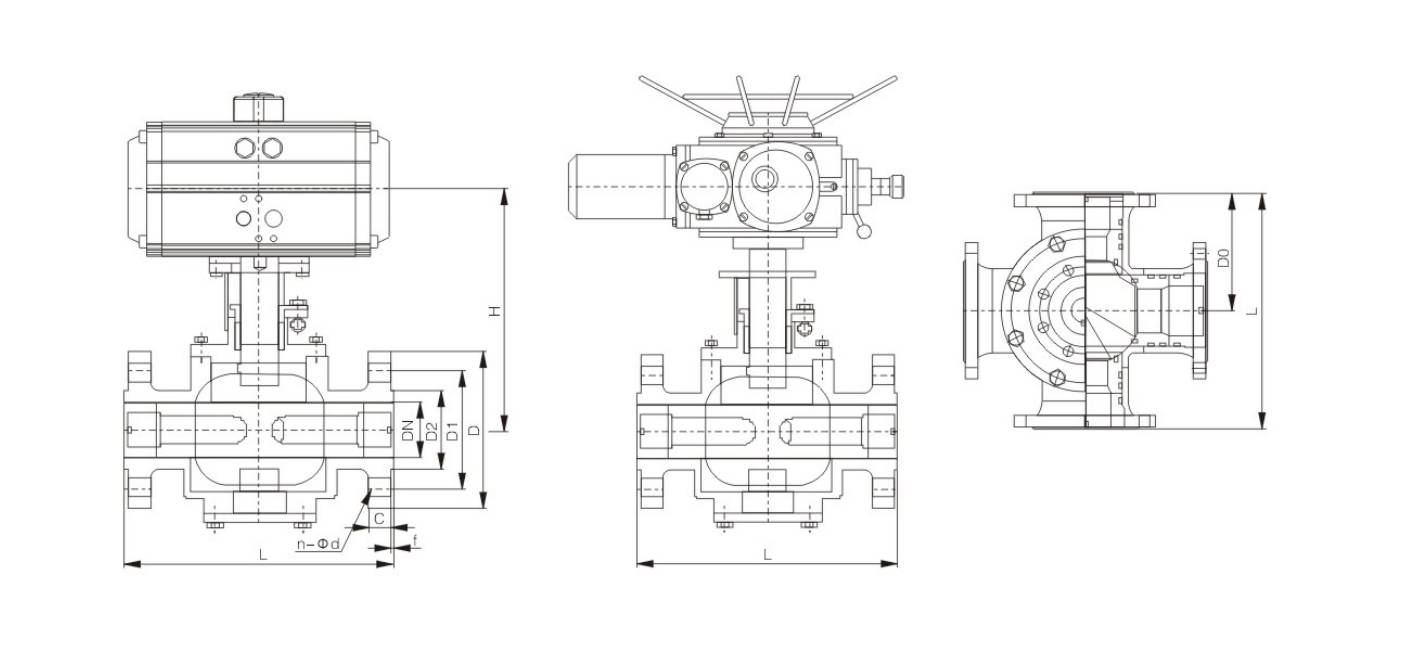
Main Outline and Connecting Flange Size
| DN | in | L | H | D0 | D | D1 | D2 | C | f | n-Φd | Pneumatic Actuator Model | Electric Actuator Model |
|---|
| 50 | 2 | 265 | 220 | 51 | 165 | 125 | 100 | 16 | 3 | 4-Φ18 | AT092DR / AT125SC | ZT-10 |
| 65 | 2 1/2 | 280 | 295 | 64 | 185 | 145 | 120 | 18 | 3 | 4-Φ18 | AT105DR / AT140SC | ZT-20 |
| 80 | 3 | 310 | 367 | 76 | 200 | 160 | 135 | 20 | 3 | 8-Φ18 | AT125DR / AT160SC | ZT-20 |
| 100 | 4 | 370 | 440 | 102 | 220 | 180 | 155 | 20 | 3 | 8-Φ18 | AT140DR / AT190SC | ZT-50 |
| 125 | 5 | 440 | 535 | 127 | 250 | 210 | 185 | 22 | 3 | 8-Φ18 | AT160DR / AT210SC | ZT-100 |
| 150 | 6 | 510 | 660 | 152 | 285 | 240 | 210 | 22 | 3 | 8-Φ22 | AT190DR / AT240SC | ZT-200 |
| 200 | 8 | 580 | 870 | 203 | 340 | 295 | 265 | 24 | 3 | 12-Φ22 | AT210DR / AT270SC | ZT-200 |
| 250 | 10 | 665 | 1080 | 250 | 405 | 355 | 320 | 26 | 3 | 12-Φ26 | AT240DR / AT300SC | ZMQ-300 |
| 300 | 12 | 760 | 1200 | 305 | 460 | 410 | 375 | 28 | 4 | 12-Φ26 | AT300DR / AT350SC | ZMQ-400 |
| 350 | 14 | 850 | 1250 | 337 | 520 | 470 | 435 | 32 | 4 | 16-Φ26 | AT350DR / AT400SC | ZMQ-500 |
| 400 | 16 | 940 | 1420 | 387 | 580 | 525 | 485 | 36 | 4 | 16-Φ30 | AT400DR / AW35S | ZMQ-500 |
| 450 | 18 | 1050 | 1610 | 438 | 640 | 585 | 545 | 38 | 4 | 16-Φ33 | AW35 / AW50S | ZDQ-600 |
| 500 | 20 | 1180 | 1830 | 489 | 710 | 650 | 608 | 42 | 4 | 16-Φ33 | AW40 / AW60S | ZDQ-600 |
Manufacturing Process
Step 1: Order and Design
Based on the operating conditions parameters provided by the customer, such as pressure, temperature, medium type, connection method and size requirements, the structural form, flow channel design, valve body material and sealing scheme of the Four way Ball Valve are confirmed. At the same time, the drawings, technical standards and production process documents are formulated.
Step 2: Forging & Casting
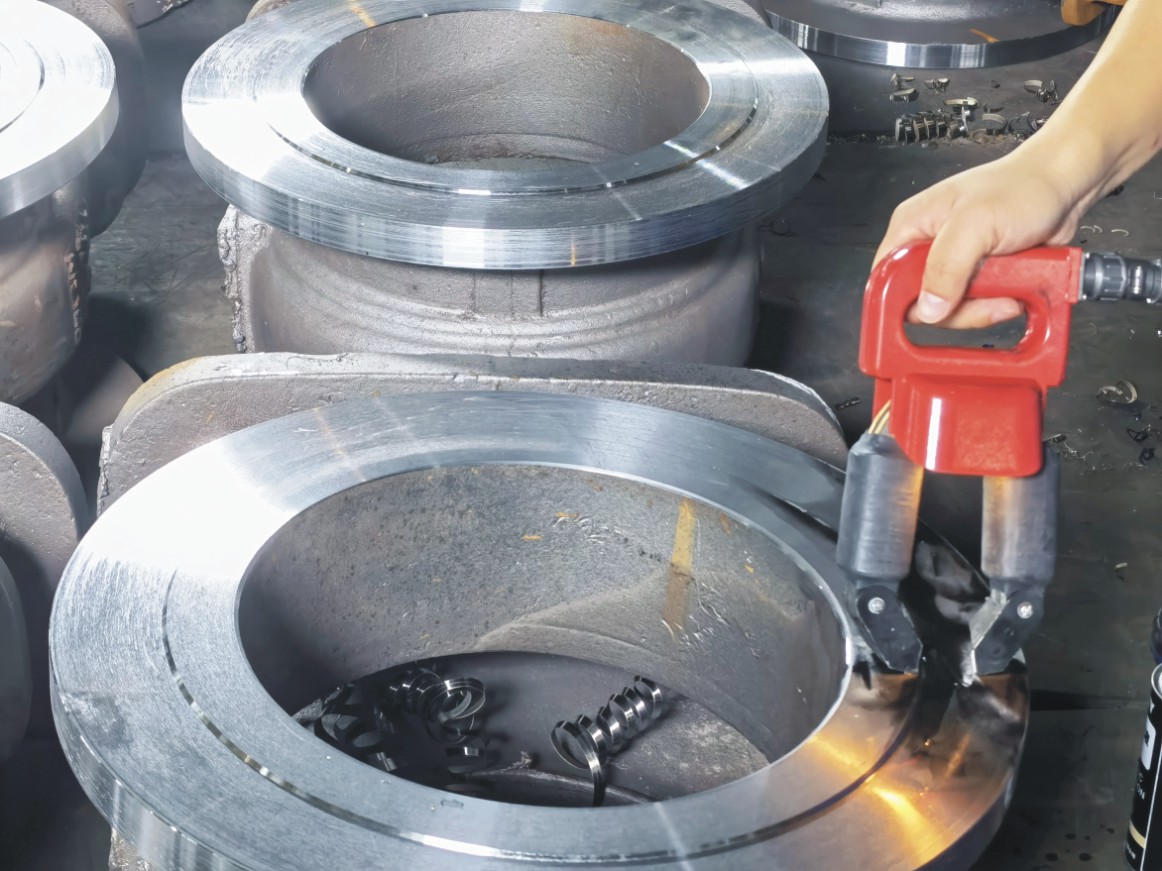
According to the design requirements, select the appropriate raw materials and perform forging or casting on the main components such as the valve body and valve cover. For the Four way Ball Valve, the flow channel structure of the valve body is relatively complex, so it is necessary to focus on ensuring the dimensional accuracy, internal density and mechanical properties of the blank, and avoid defects such as shrinkage cavities and cracks.
Step 3: Machining
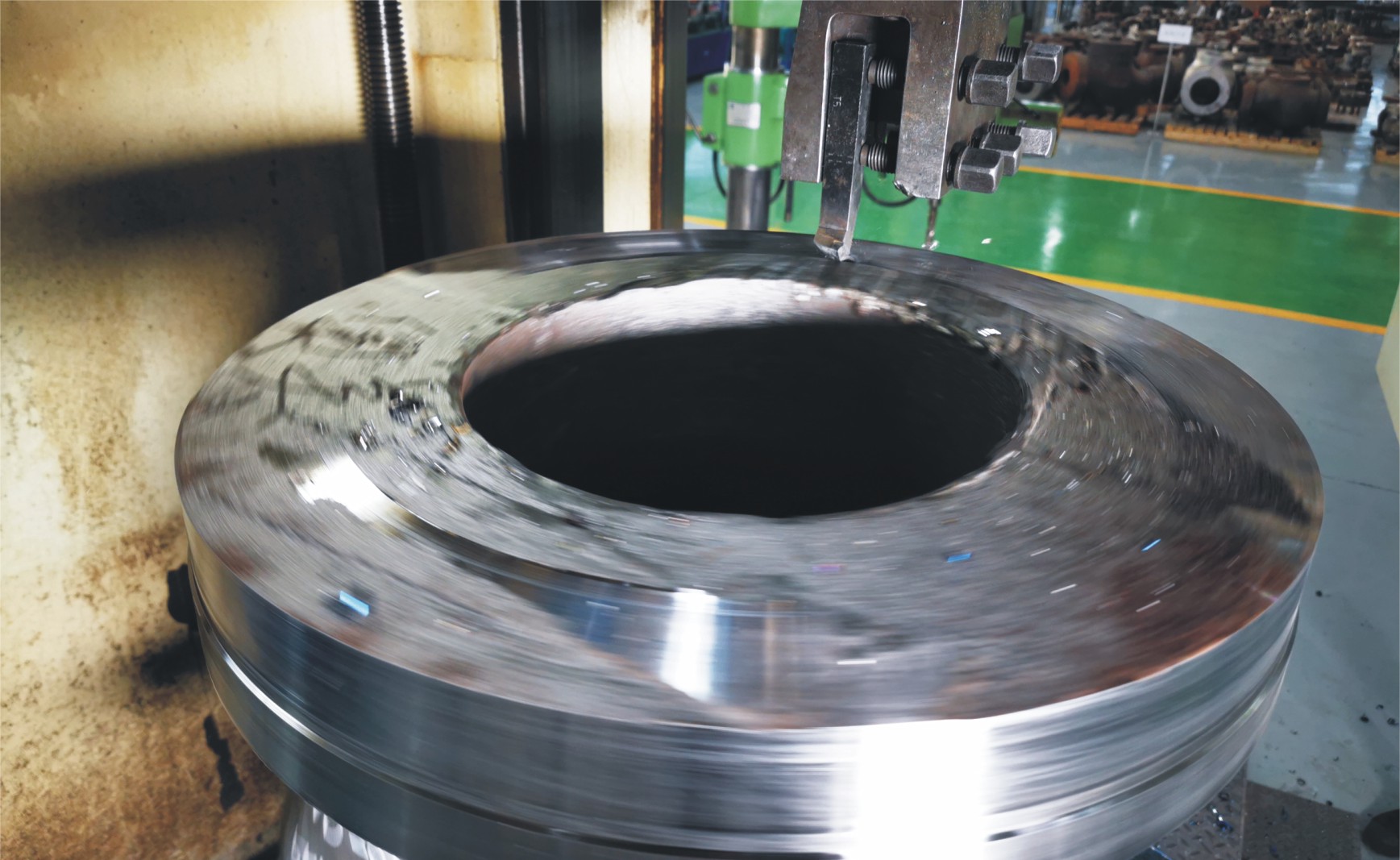
The valve body, ball, valve stem, and valve seat installation positions and other components undergo precise mechanical processing, including turning, milling, drilling, boring, and thread processing. The processing focus of the Four way Ball Valve lies in the coaxiality of the four-way flow path, the accuracy of the ball opening, and the smoothness of the sealing surface, to ensure stable subsequent assembly and switching performance.
Step 4: Assembly
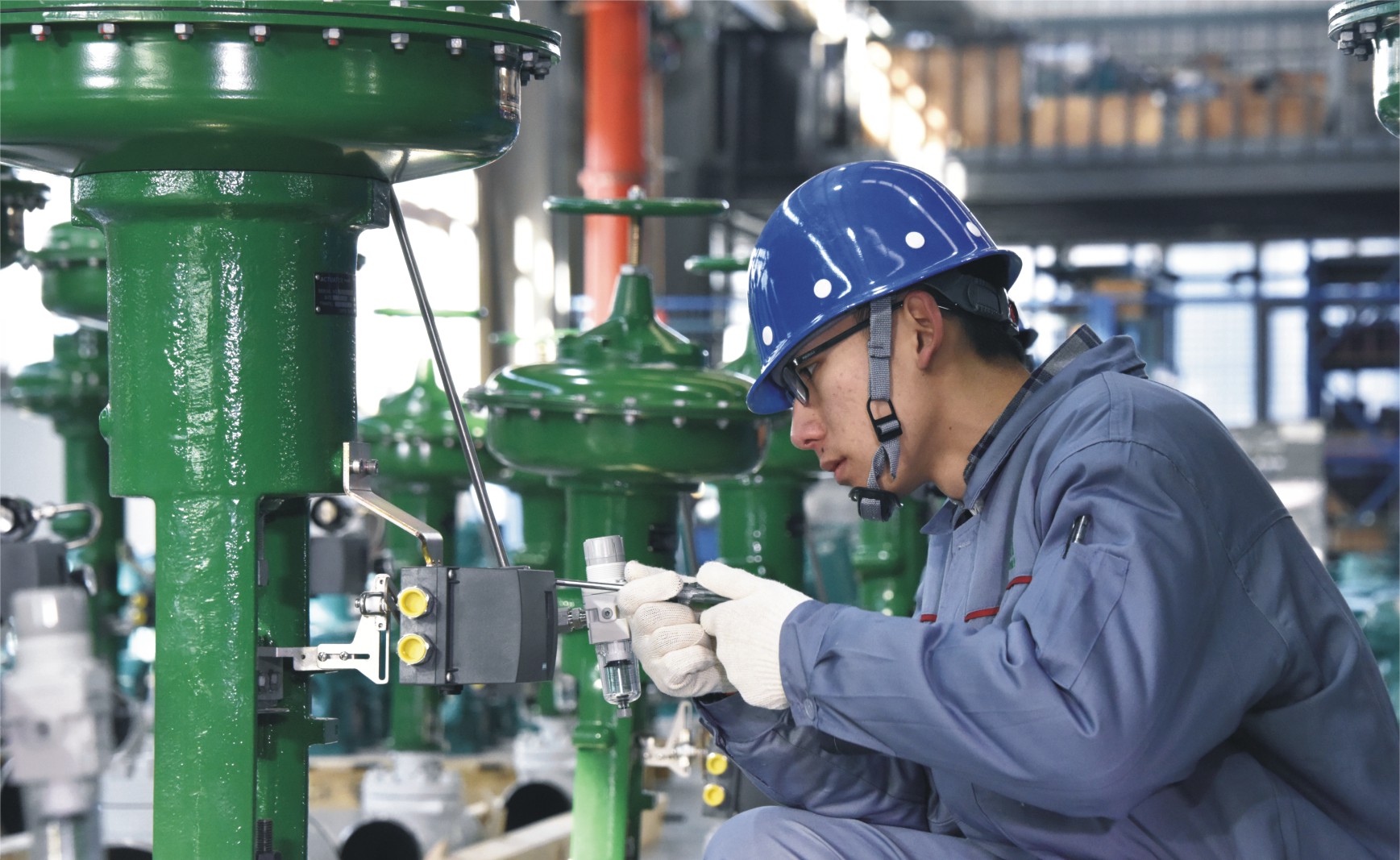
After the processed and inspected components are cleaned and deburred, they are assembled according to the process requirements. This includes installing the valve seat, ball, valve stem, seals, actuator connection components, etc. During the assembly process, special attention should be paid to the corresponding relationship of the channel positions of the Four way Ball Valve to ensure accurate switching direction and flexible opening and closing.
Step 5: Testing & Quality Assurance
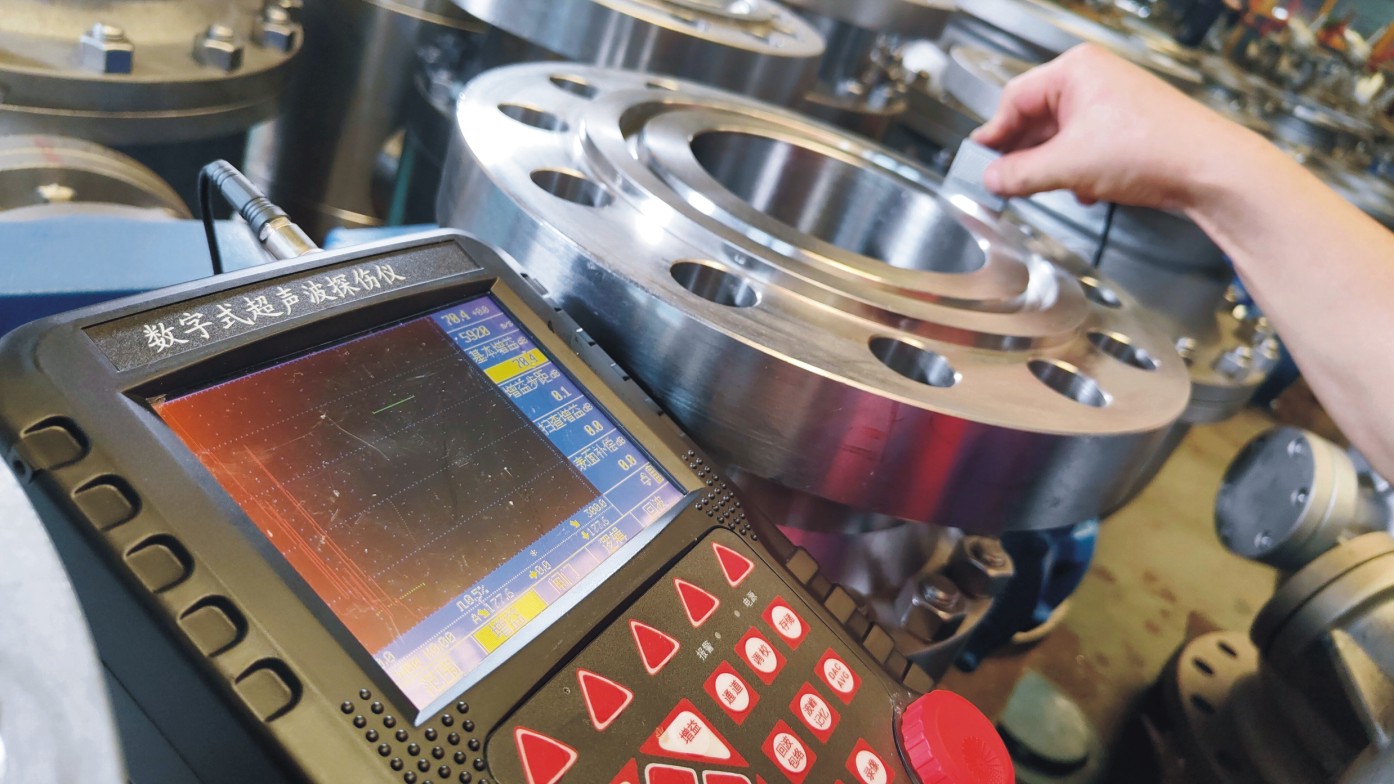
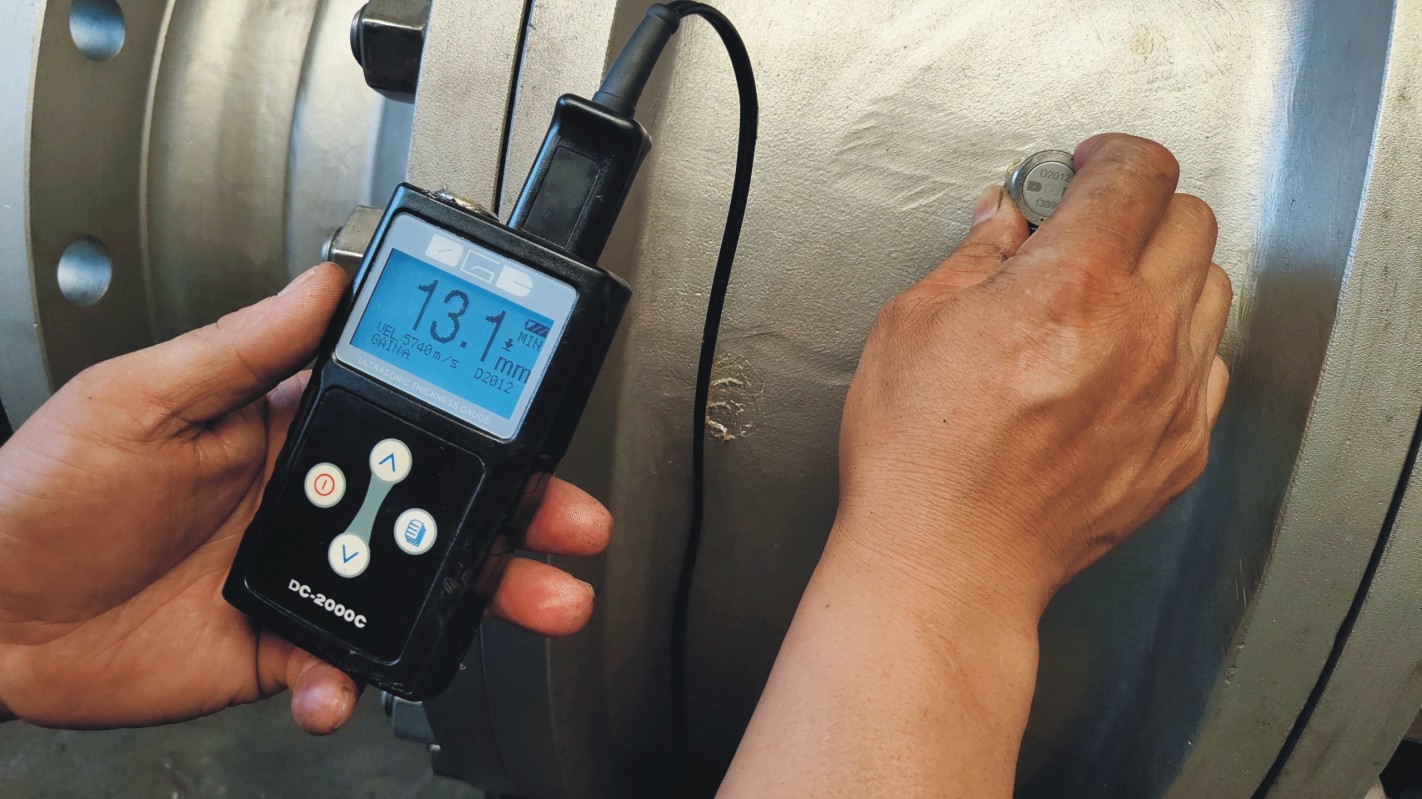
After assembly is completed, conduct pressure tests, seal tests, shell strength tests and opening/closing torque inspections on the Four way Ball Valve. Also, perform size rechecks and appearance inspections in accordance with relevant standards to ensure that the product meets the usage requirements and quality specifications.
Step 6: Painting and Finishing
After passing the inspection, the surface of the valve will be cleaned, rust-prevented, and painted. If necessary, labels will be installed, flow direction signs will be marked, and packaging will be done. Finally, the final preparation and protection before leaving the factory will be completed to ensure that the product is not damaged during transportation and storage.
Applications
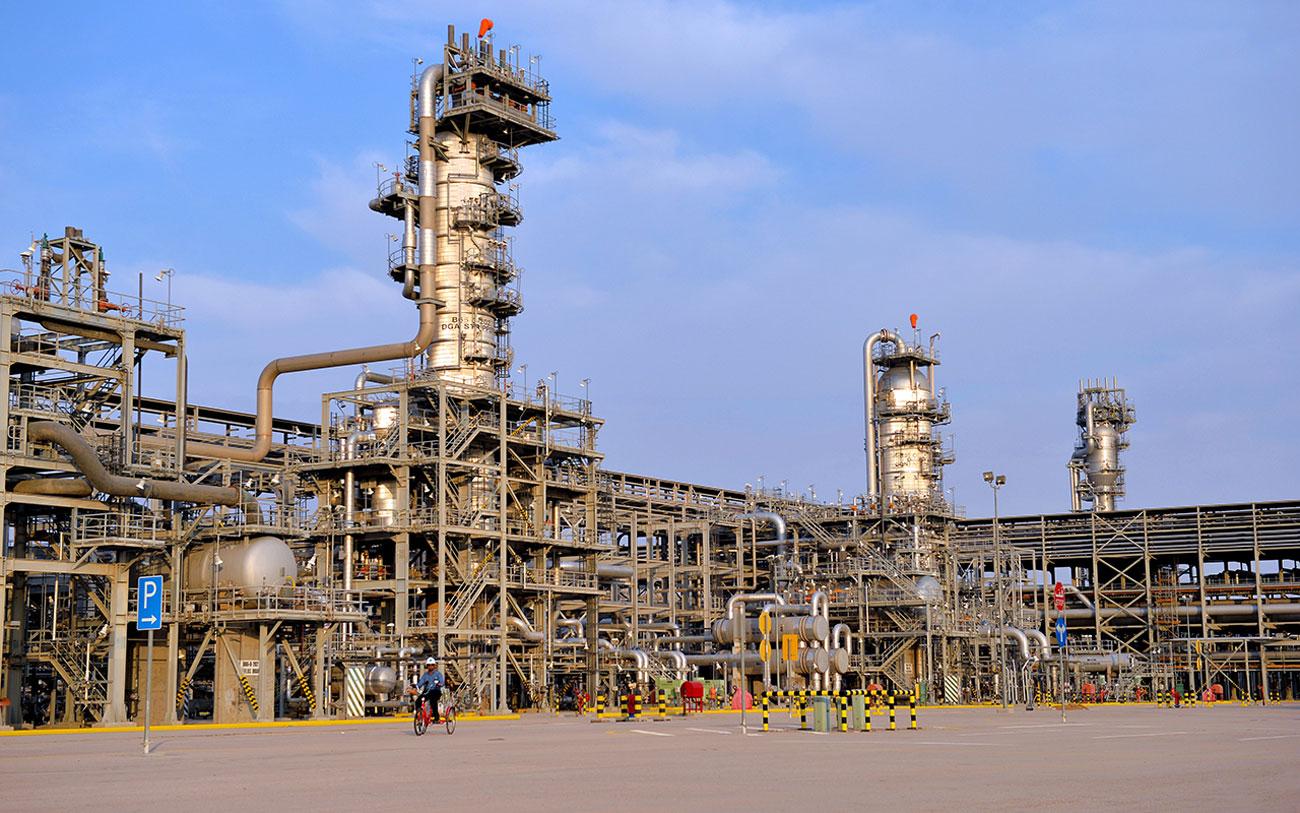
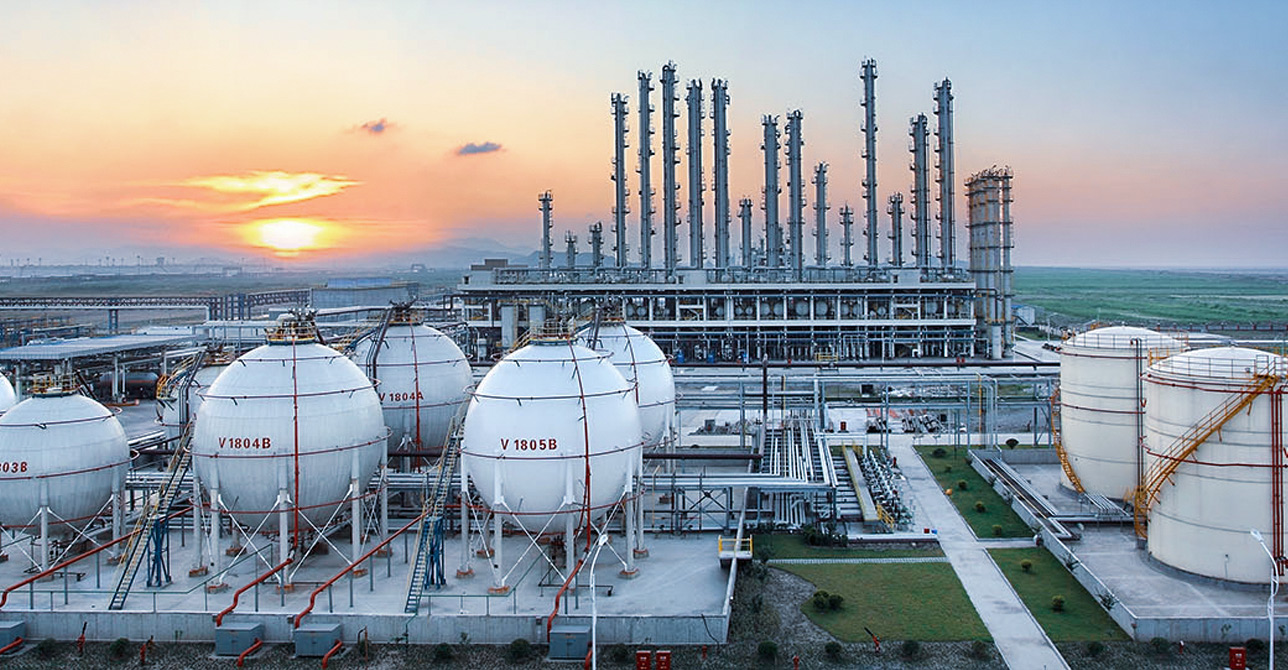
- Petrochemical industry: During the transportation and processing of chemical raw materials such as petroleum and natural gas, four-way ball valves are used to control the flow direction of the medium, ensuring the smooth operation of the production process.
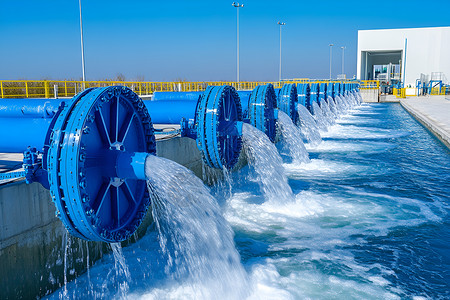
- Electricity and energy: In power production facilities such as hydropower stations and thermal power plants, four-way ball valves are often used as the forward and reverse water supply switching valves of the cooling system to ensure the efficient operation of power equipment.
- Water supply and heating: In urban water supply and heating systems, four-way ball valves are used to regulate the flow of the medium to meet the water and heat demands of residents and enterprises.
- Pharmaceutical equipment: In the pharmaceutical industry, four-way ball valves are used to control the flow of raw materials and products, ensuring the cleanliness of the production environment and the precise control of the production process.
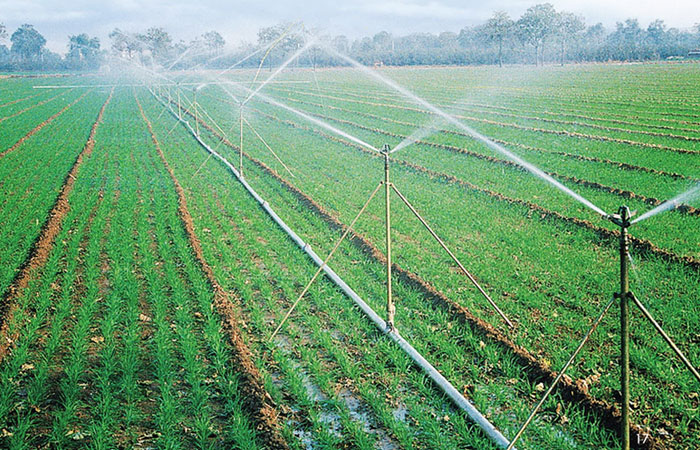
These valves are widely used in:
Agriculture and Irrigation
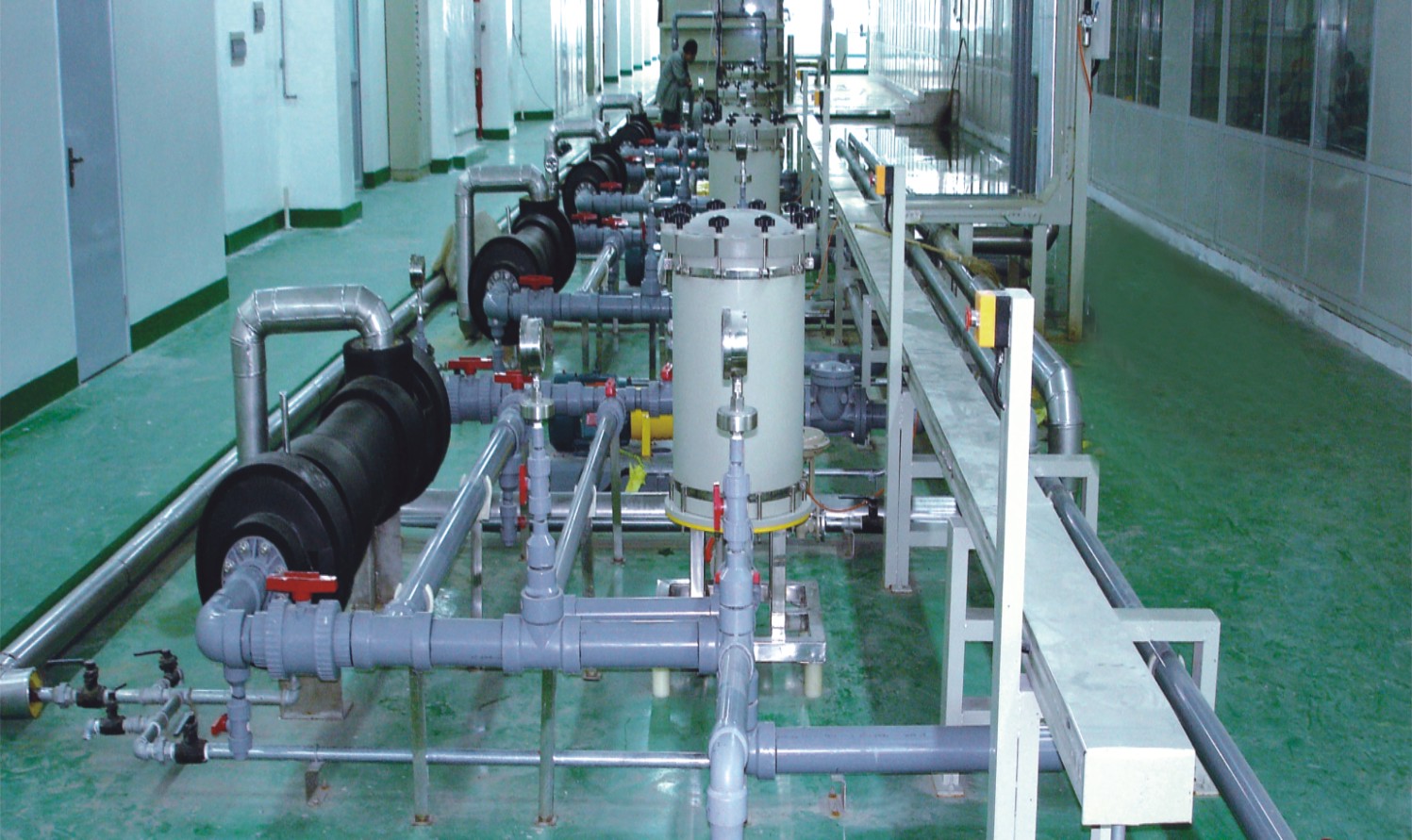
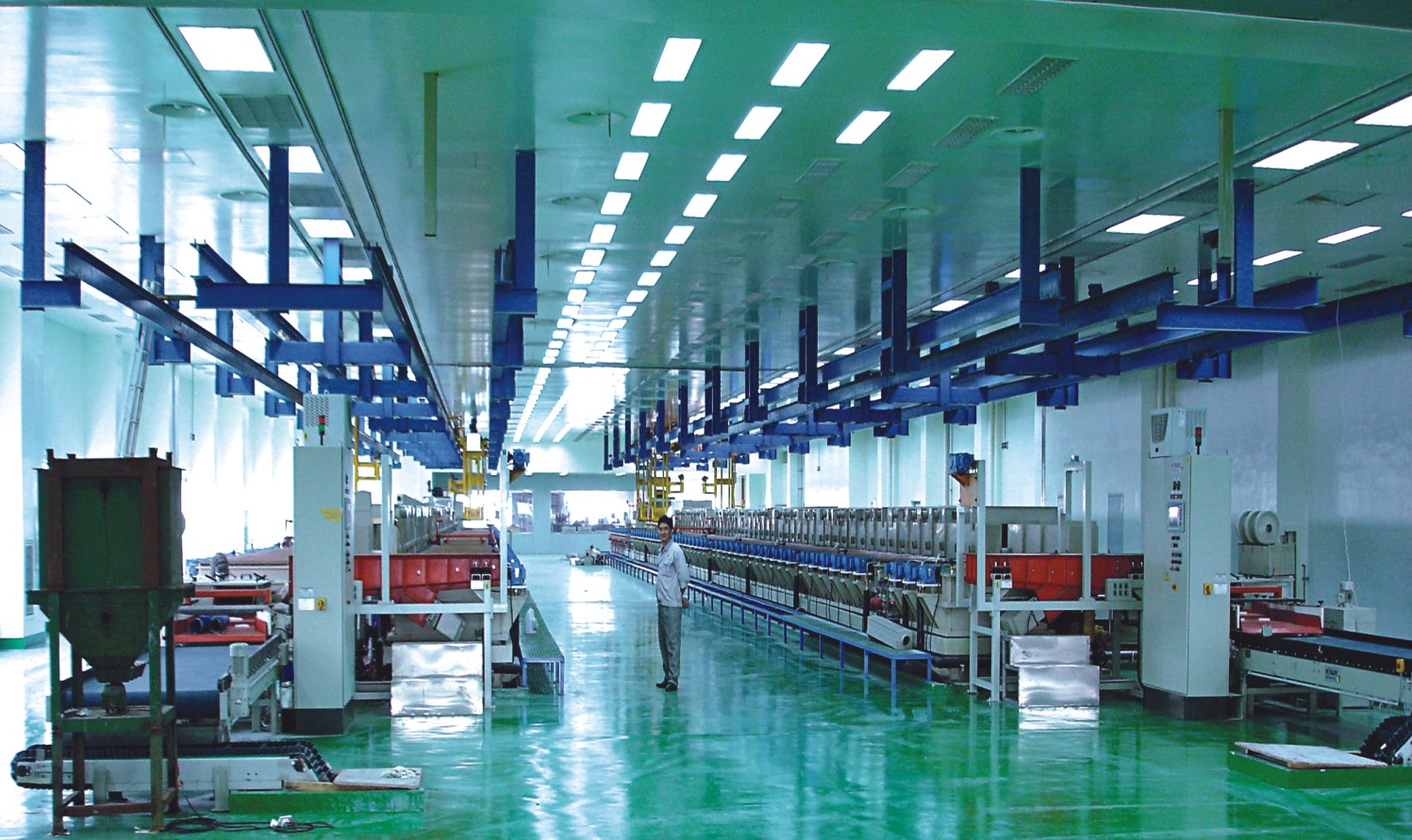
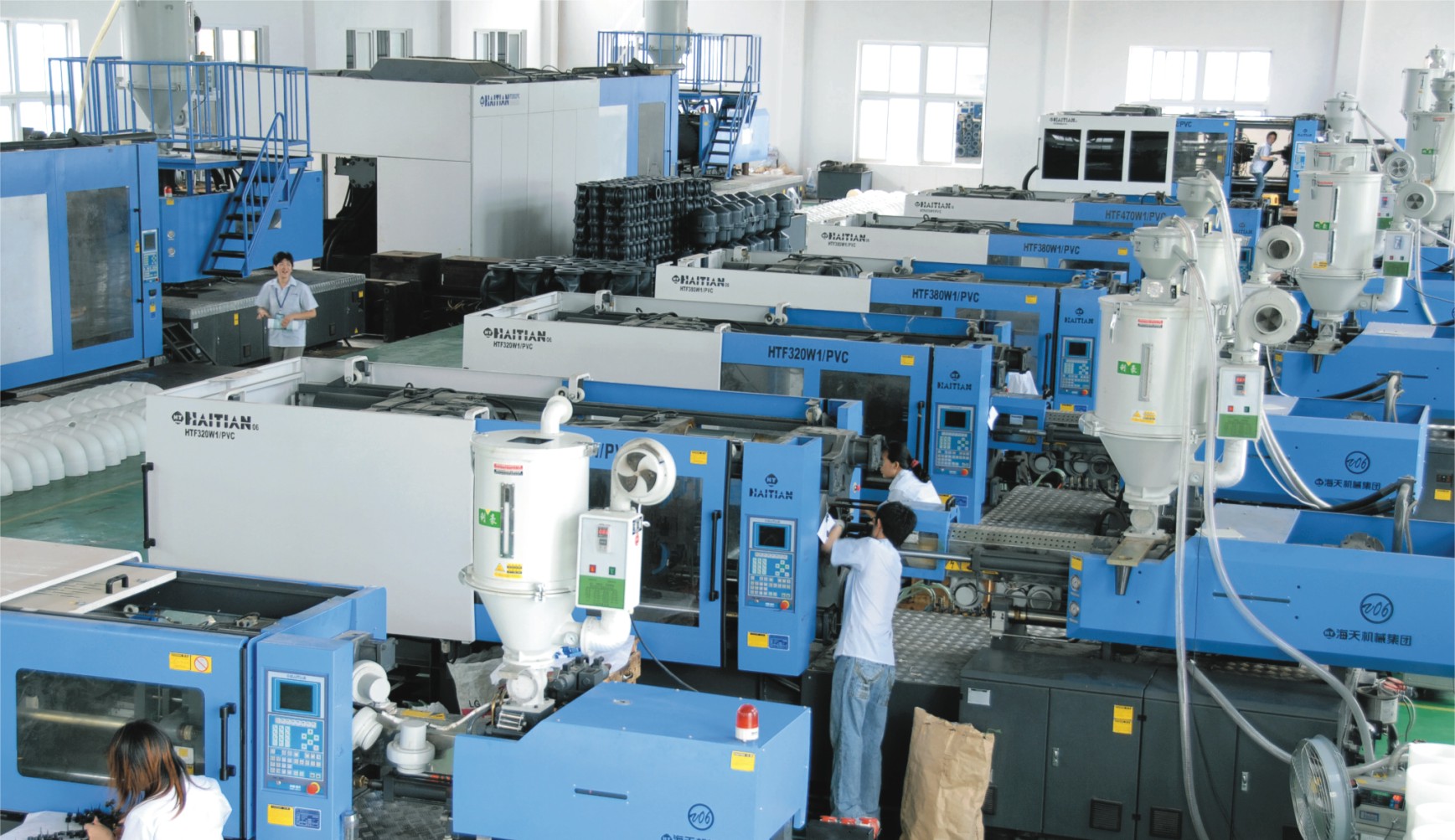
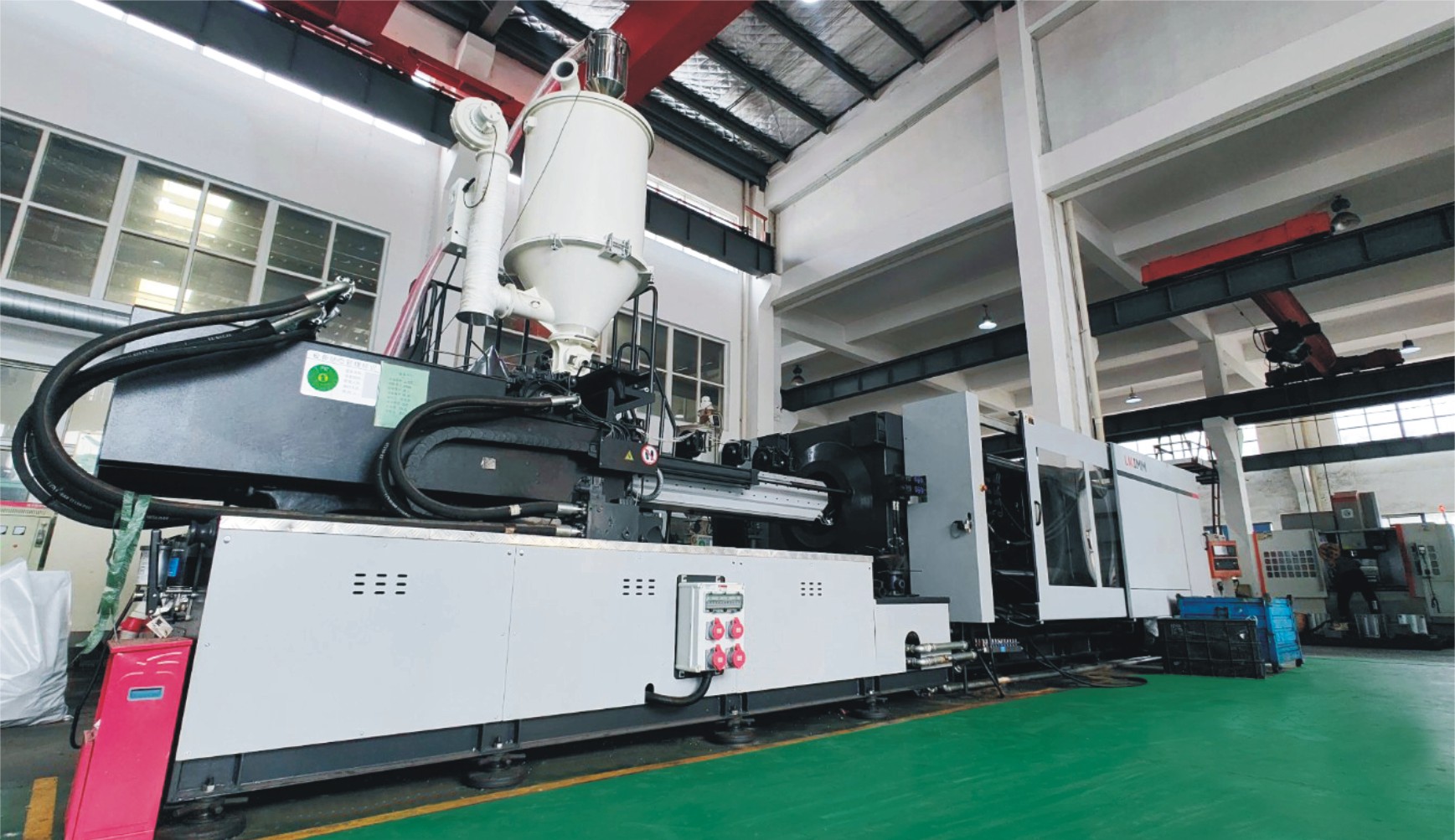
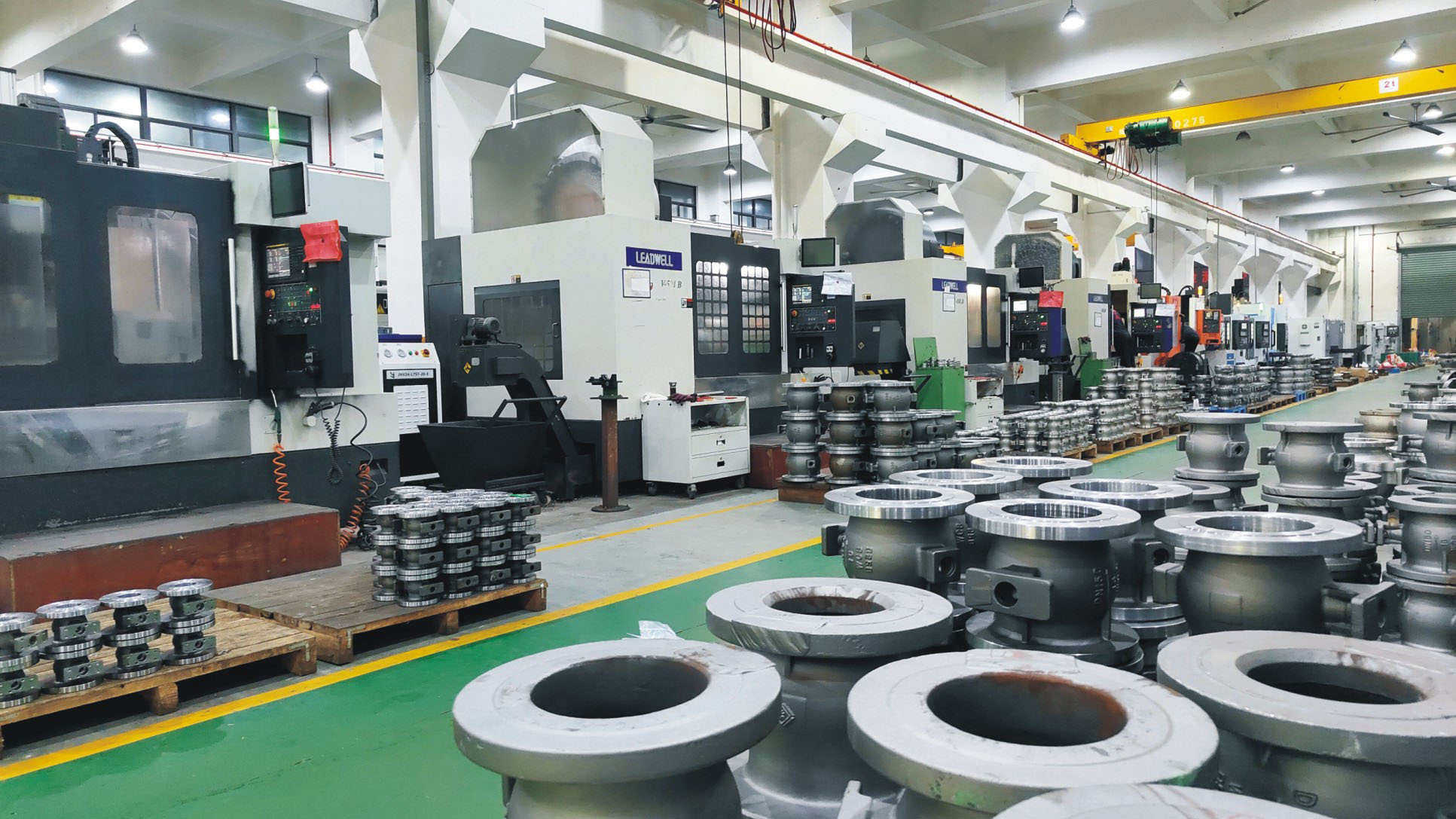
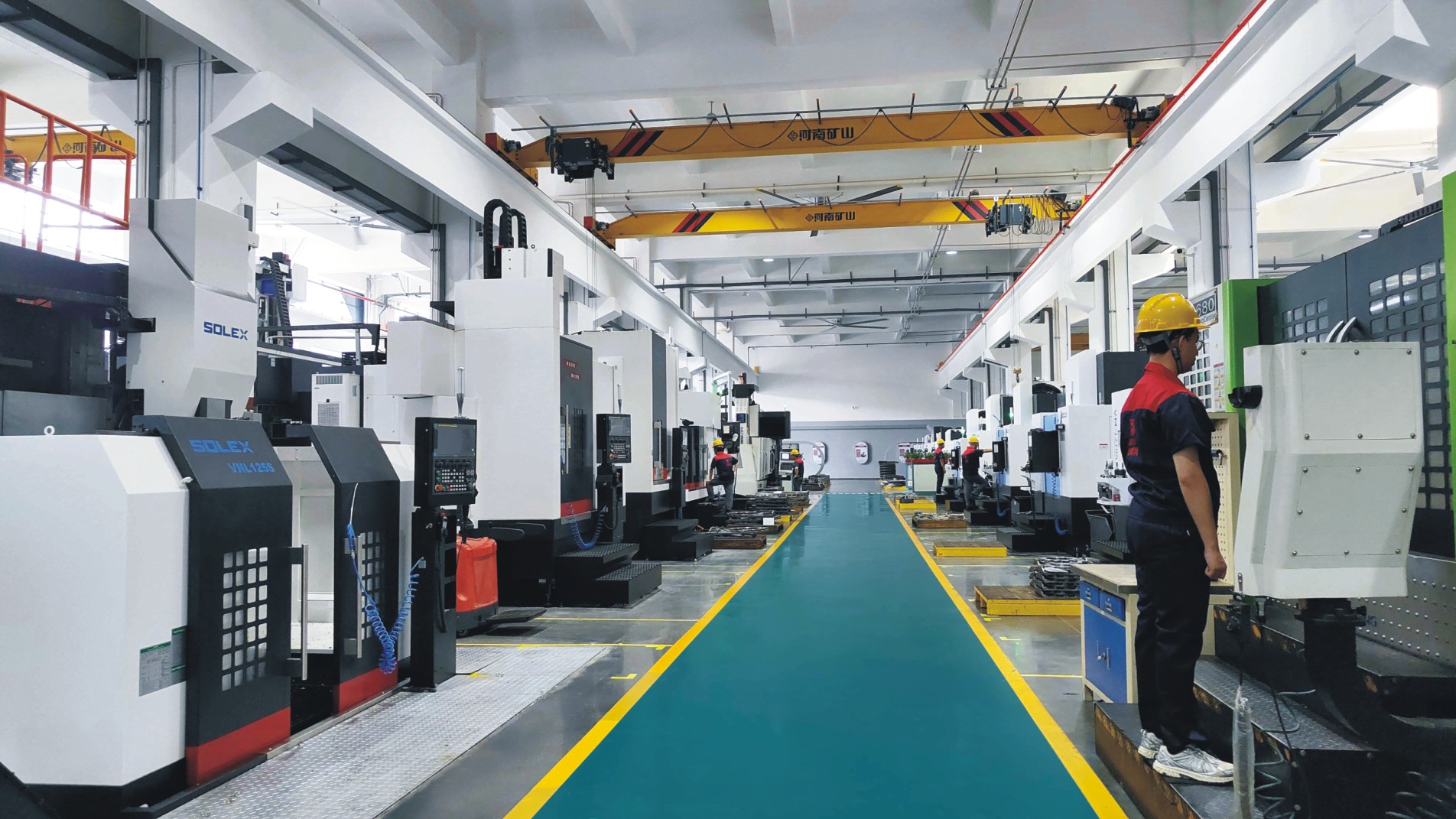
Factory Environment
Why Choose Us
Superior Quality
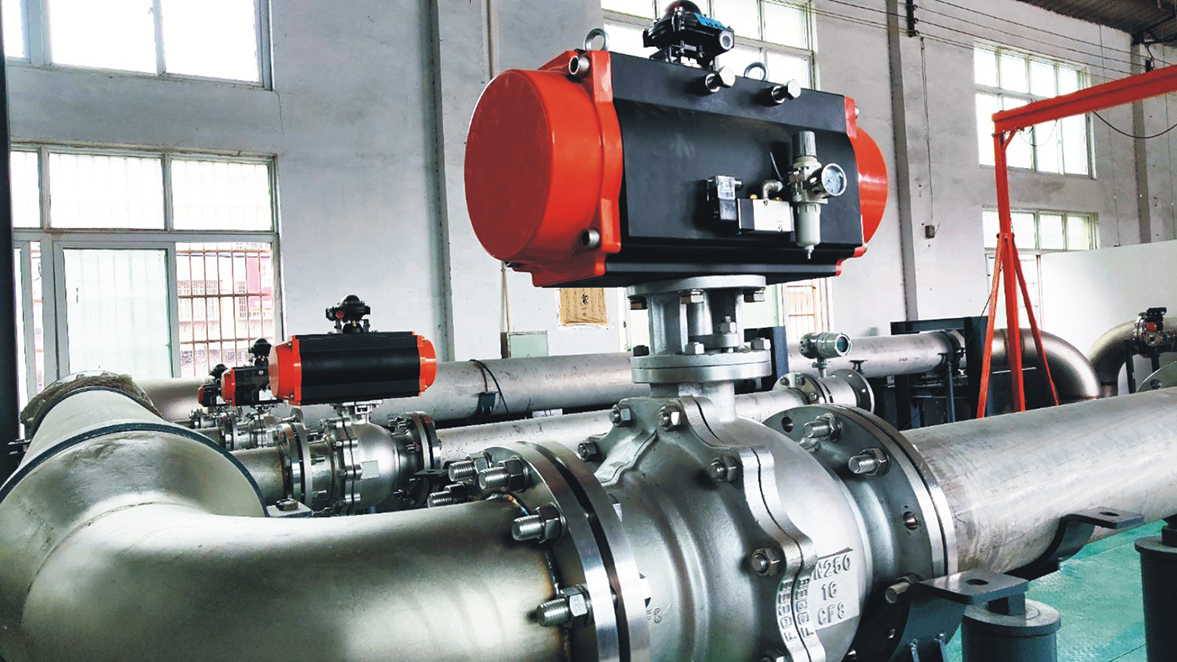
Our valves are manufactured using premium materials and undergo rigorous quality testing to ensure reliable performance in demanding industrial applications.
Advanced Technology
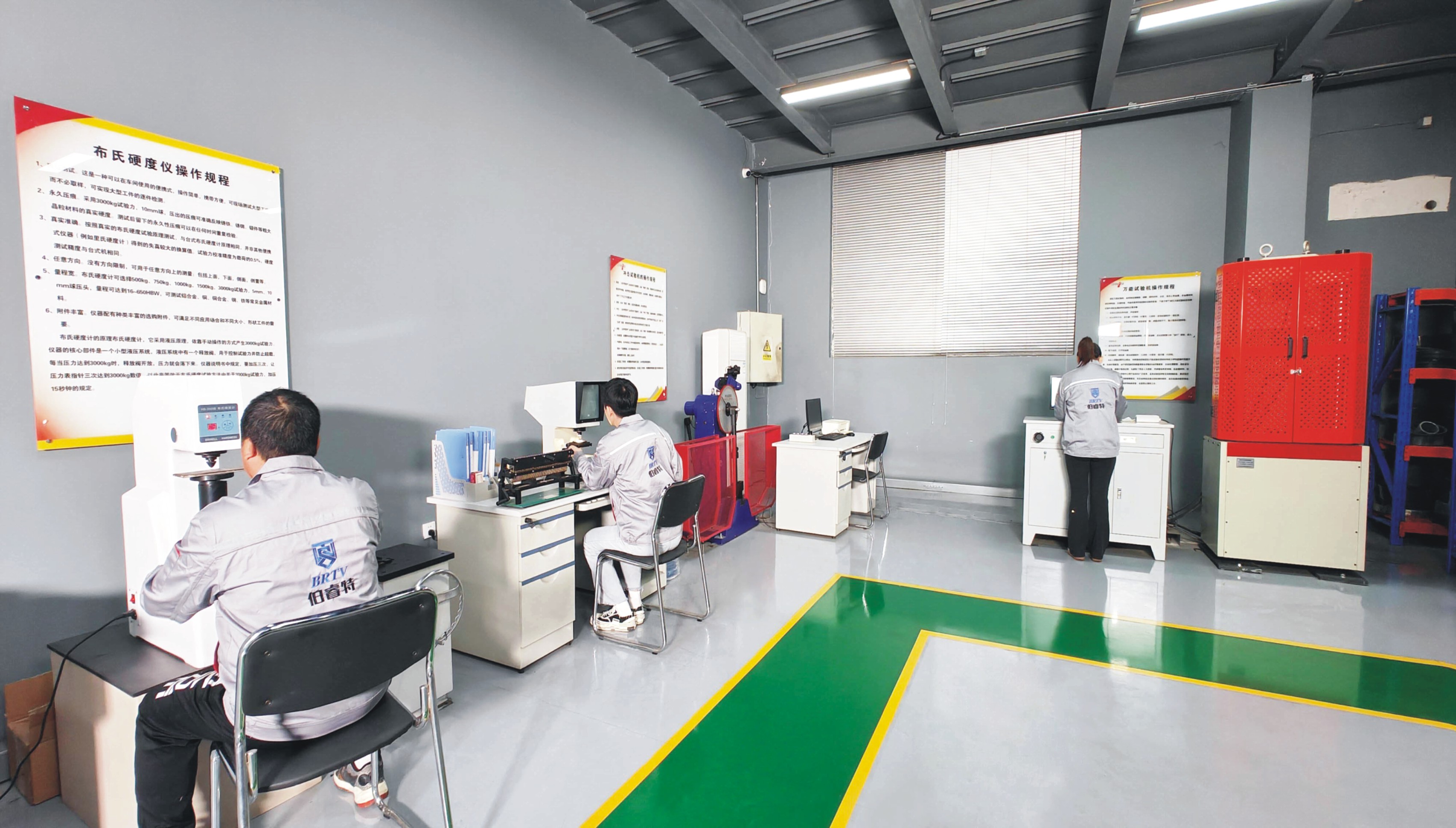
Equipped with state-of-the-art CNC machining centers and precision manufacturing equipment, we deliver valves with exceptional accuracy and consistency.
Competitive Pricing
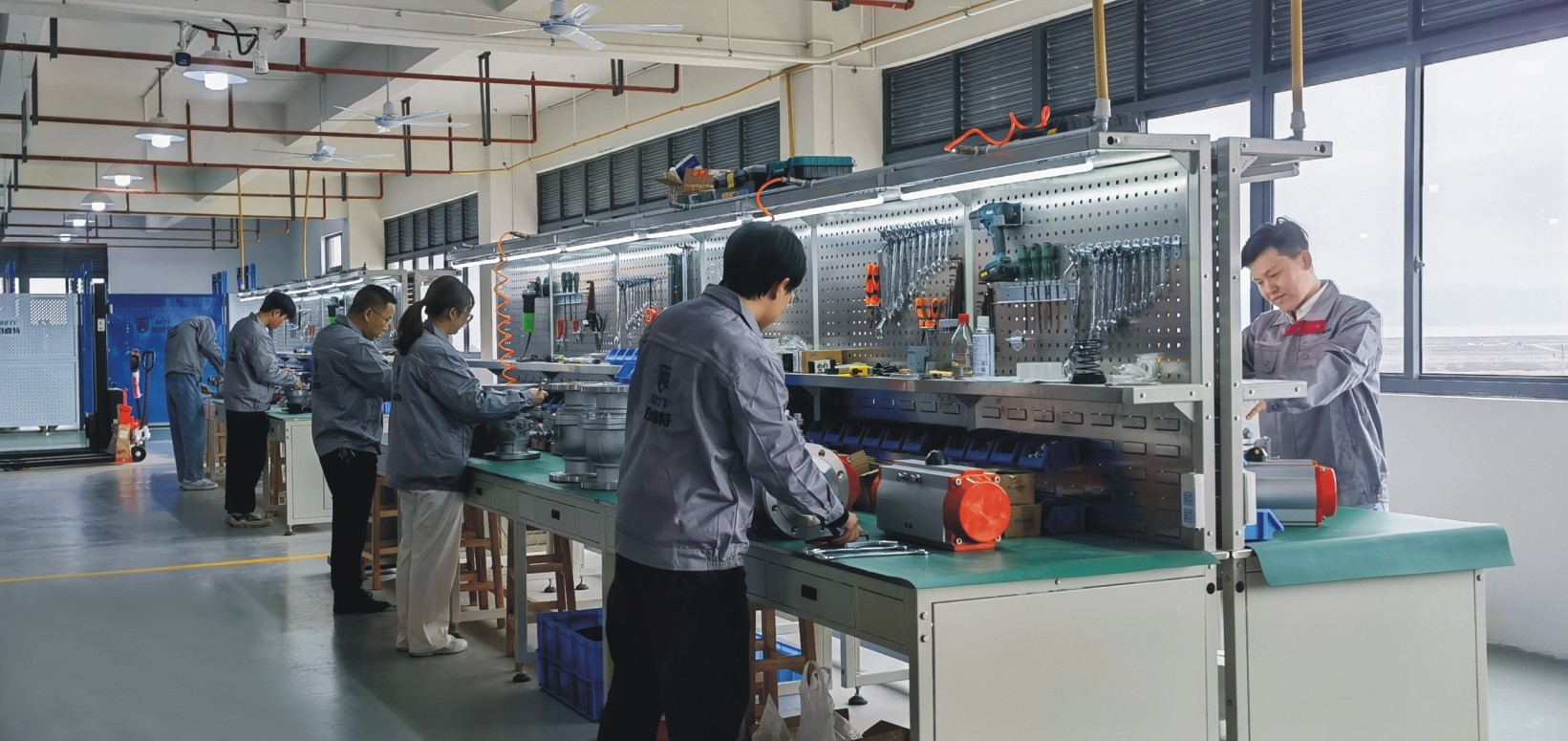
Through optimized manufacturing processes and bulk material procurement, we offer high-quality valves at competitive prices without compromising on quality.
Expert Support
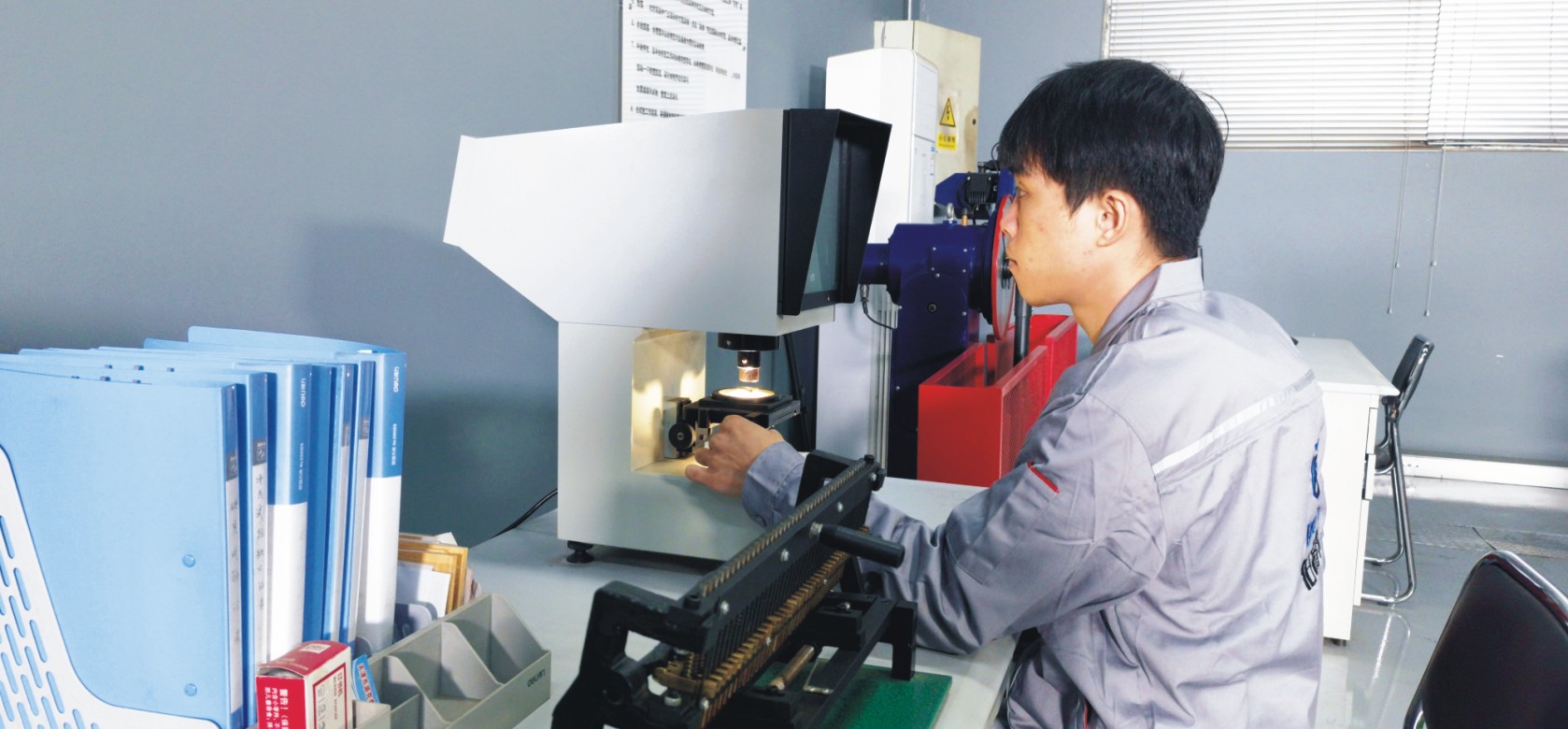
Our experienced technical team provides comprehensive support from product selection to after-sales service, ensuring optimal valve performance for your specific application.