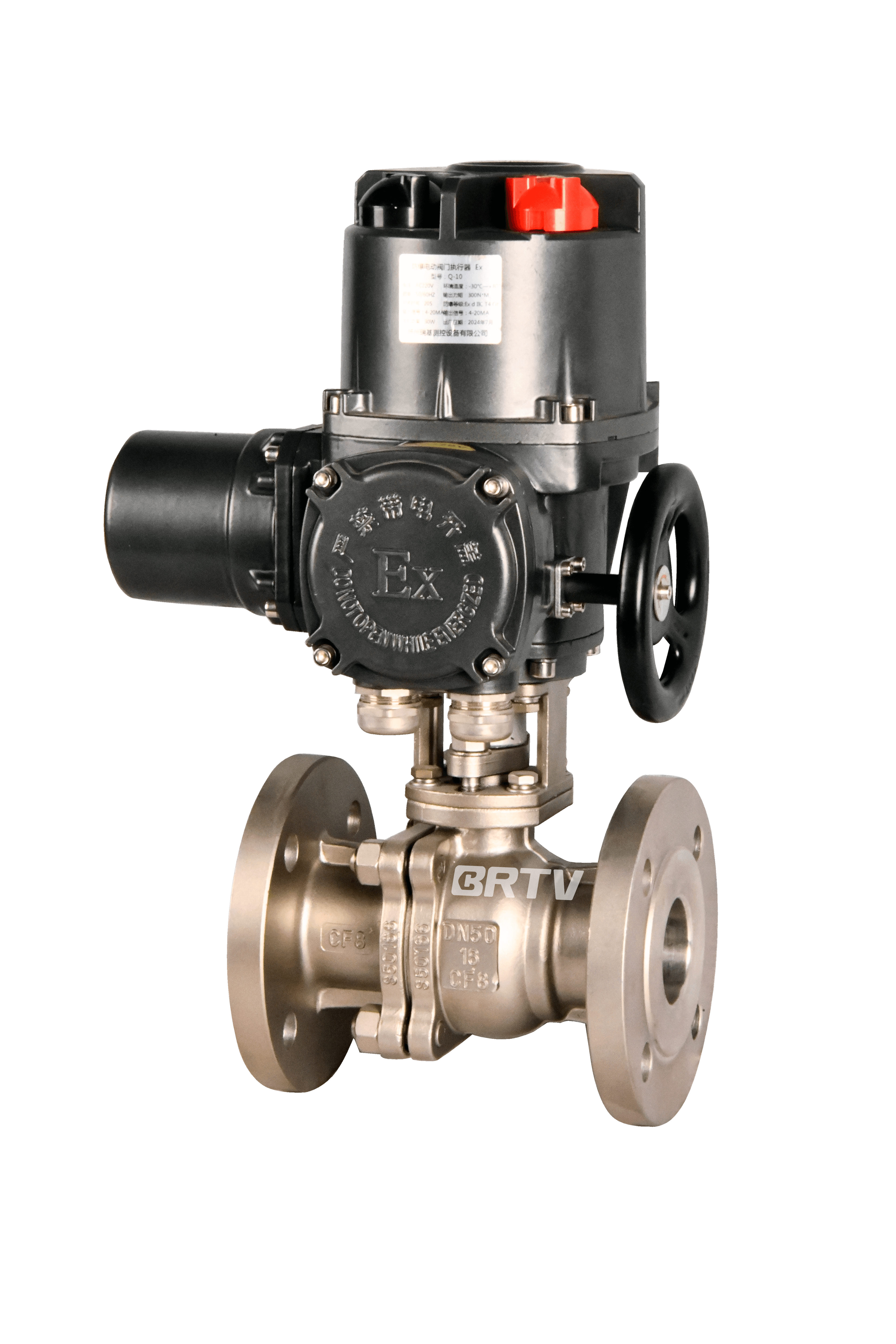
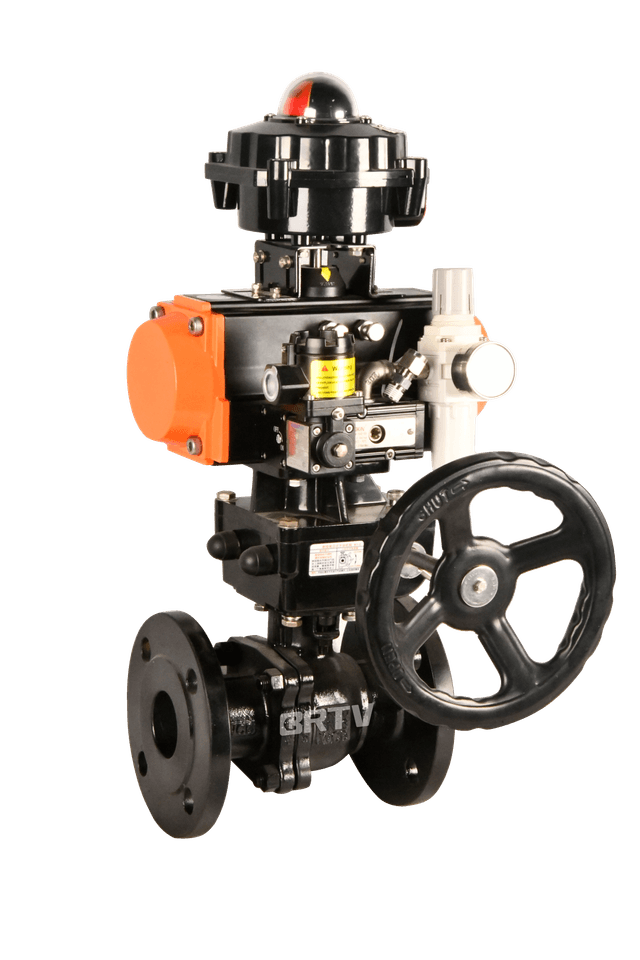
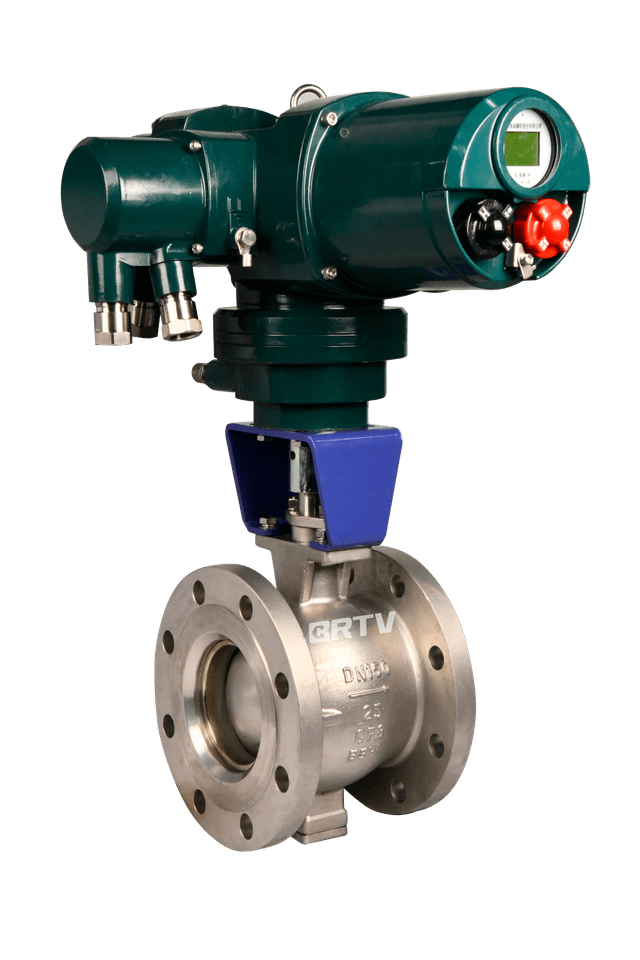
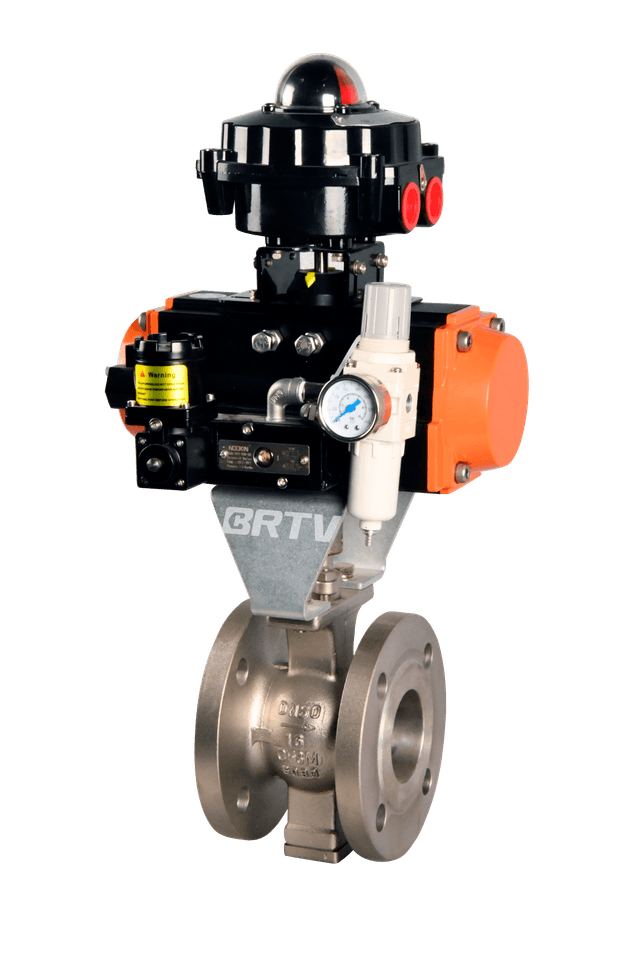
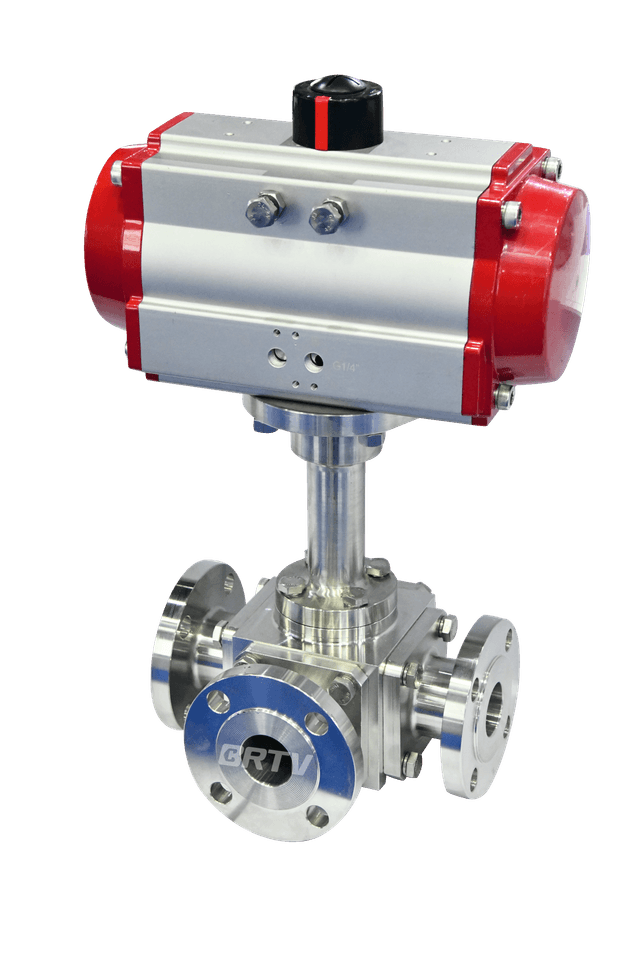
1. What is Electric Ball Valve?
An electric ball valve is an advanced, automated device with built-in features for fluid isolation and control in the current-day industrial applications. It combines a high-precision rotary mechanism with an electric actuator operating on electrical energy to turn the internal sphere. This hybrid delivers a powerful, maintenance-free option to remotely control or allow use in systems with precision bed valves for applications under pressure where manual operation is impractical. Frequently, this equipment is part of larger system control networks and can communicate using different communication protocols for real-time monitoring and automation.
This is very versatile as it does not need a background pressured air, unlike all the pneumatic alternative and will enable plug & play on site with no investment apart from an incoming electrical infrastructure if none already in place! The housing is designed to work with most foot mount configurations, usually conforming to international standards for seamless integration with an array of industrial actuators. This equipment is suitable for both chemical processing and water management, providing a safe bubble-tight seal with durable long-term operational capabilities.
2. How an Electric Ball Valve Works?
The functionality of this motor-driven unit centers on the conversion of electrical energy into mechanical torque. When an electrical signal—such as a 4-20mA current loop or a 0-10V voltage signal—is received by the actuator, the internal motor drives a series of high-strength gears. These gears rotate the stem, which is coupled to the internal sphere.
The mechanical operation follows a straightforward rotational logic: a ninety-degree rotation aligns the internal bore with the flow path to open the unit or blocks it to stop the flow. In the closed position, the polished surface of the sphere is pressed firmly against the sealing seats. For floating designs, the upstream pressure assists the seal by pushing the sphere toward the downstream seat, ensuring integrity even under fluctuating pressure conditions.
To ensure precise control, many electric actuators are equipped with limit switches or position transmitters. These components provide digital or analog feedback to the PLC or control room regarding the exact degree of opening. Additionally, the stem is designed with an anti-blowout shoulder. This safety feature ensures that the stem remains secure within the body under high internal pressure, preventing accidental ejection even if the packing gland is adjusted or fails.
3. Types of Electric Rotary Units
The diversity of these components allows them to serve in various engineering landscapes, categorized primarily by their construction materials and internal geometry.
Plastic Series: Specifically engineered for corrosive or high-purity environments, these units are constructed from polymers such as UPVC, CPVC, PPH, and PVDF. The PVDF variants are particularly valued for their chemical stability and resistance to aging, making them indispensable in the semiconductor and lithium battery industries.
Metal Series: These include housings made from Carbon Steel (WCB) or Stainless Steel grades like CF8, CF8M, and 316L. They are ideal for high-pressure industrial loops and standard utility lines where structural strength and temperature resistance are paramount.
Internal Port Variations:
- O-Type Bore: This is the standard configuration for full-port isolation, providing minimal flow resistance and high capacity.
- V-Type Bore: Featuring a notched sphere, this design is utilized for precise regulating applications. The V-notch allows for characterization of the flow and provides a shearing action that can handle media containing fibers or small solids.
4. Advantages of Automated Flow Systems
Modern automated flow components have been developed to meet stringent international metrics concretized by ANSI, GB and JIS standards. It is to ensure the same face-to-face dimensions, and mounting platforms such as defined in ISO 5211 are provided by different manufacturers.
Safety: Integration of Safety mechanisms is a major advantage among the others with reliability. Metal-housed units are also commonly fitted with anti-static devices in addition to the aforementioned anti-blowout stem. These devices provide electrical continuity between the sphere and housing to avoid static electricity that could ignite bubbles gas in an explosive environment.
Material Synergy:
The longevity of the equipment is enhanced by high-quality internal components. Sealing seats are typically manufactured from PTFE or reinforced RPTFE to ensure low friction and a long service life. O-rings made of EPDM or FPM provide reliable secondary sealing against environmental factors. Furthermore, for high-torque applications, stems are often made from high-strength alloys like 17-4PH to withstand the mechanical stresses generated by the electric motor.
5. Applications of the Electric Ball Valve
The versatility of the electric ball valve makes it essential in numerous advanced industrial sectors. In the Semiconductor and Lithium Battery industries, high-purity PVDF units are the standard for managing electrolytes and ultrapure water, where it is critical to prevent metallic contamination and ensure fluid purity.
The Chemical and Pharmaceutical sectors utilize these automated assemblies to manage aggressive reagents and solvents. The remote control capability provided by the electric actuator ensures operator safety by allowing for the handling of hazardous materials from a distance. In Water Treatment and Environmental Protection, UPVC and PPH models provide an economical and durable solution for desalination, chemical dosing, and sewage processing.
Furthermore, in traditional sectors like Power Generation and Petroleum processing, metal-housed units provide reliable isolation for gas, oil, and steam lines. Whether the task requires simple on-off functionality or integration into a complex modulation loop with a precision positioner, the combination of electrical actuation and a rotary sphere remains a cornerstone of efficient industrial fluid management. Its ability to provide high-torque operation with precise feedback makes it a preferred choice for the modern digital factory.