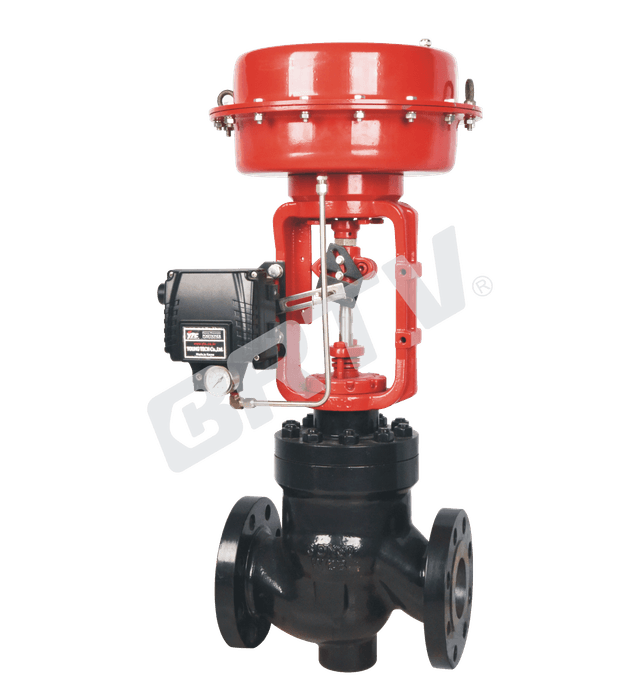
Pneumatic Diaphragm Single Seat Control Valve
Product Application
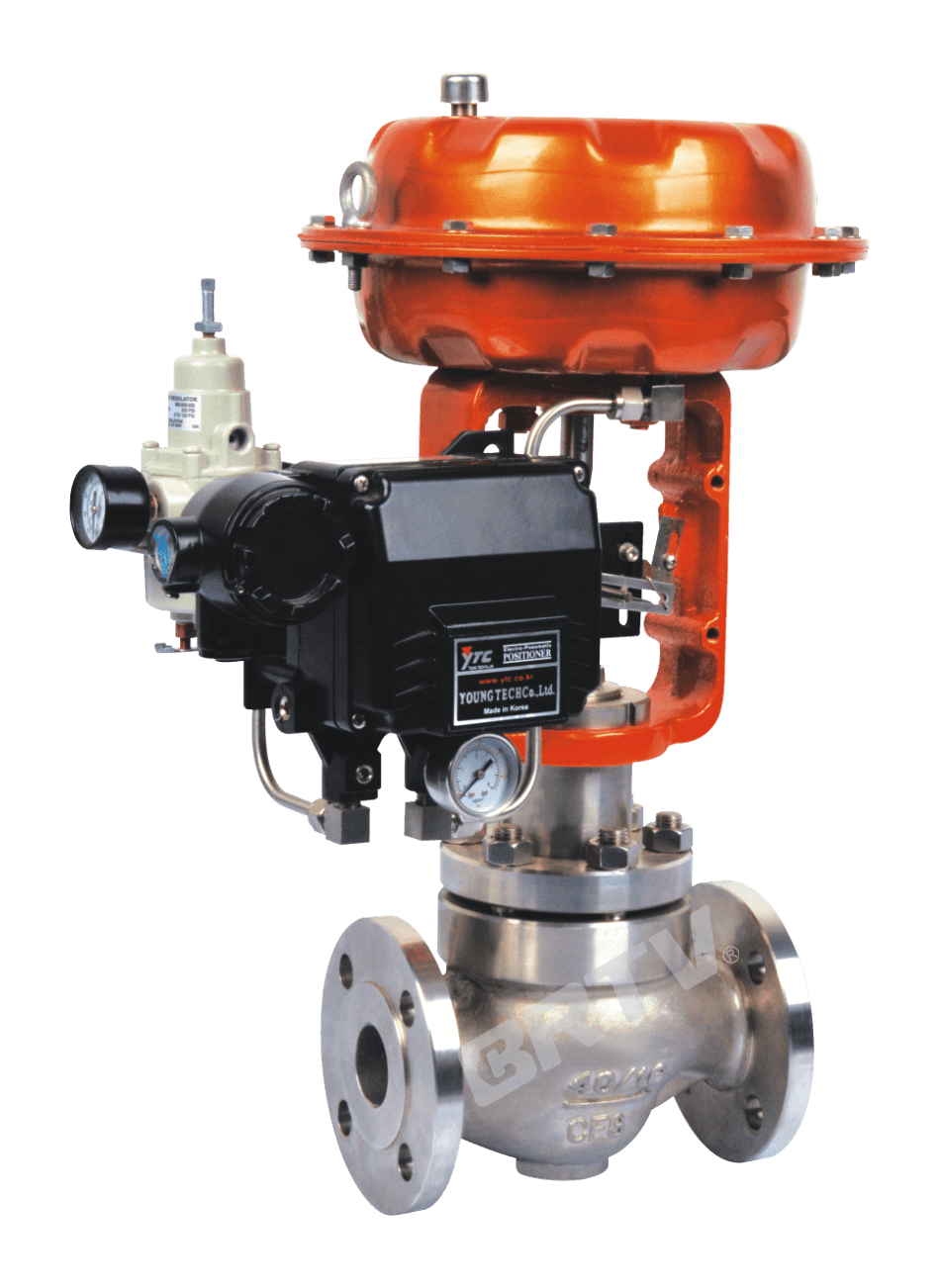
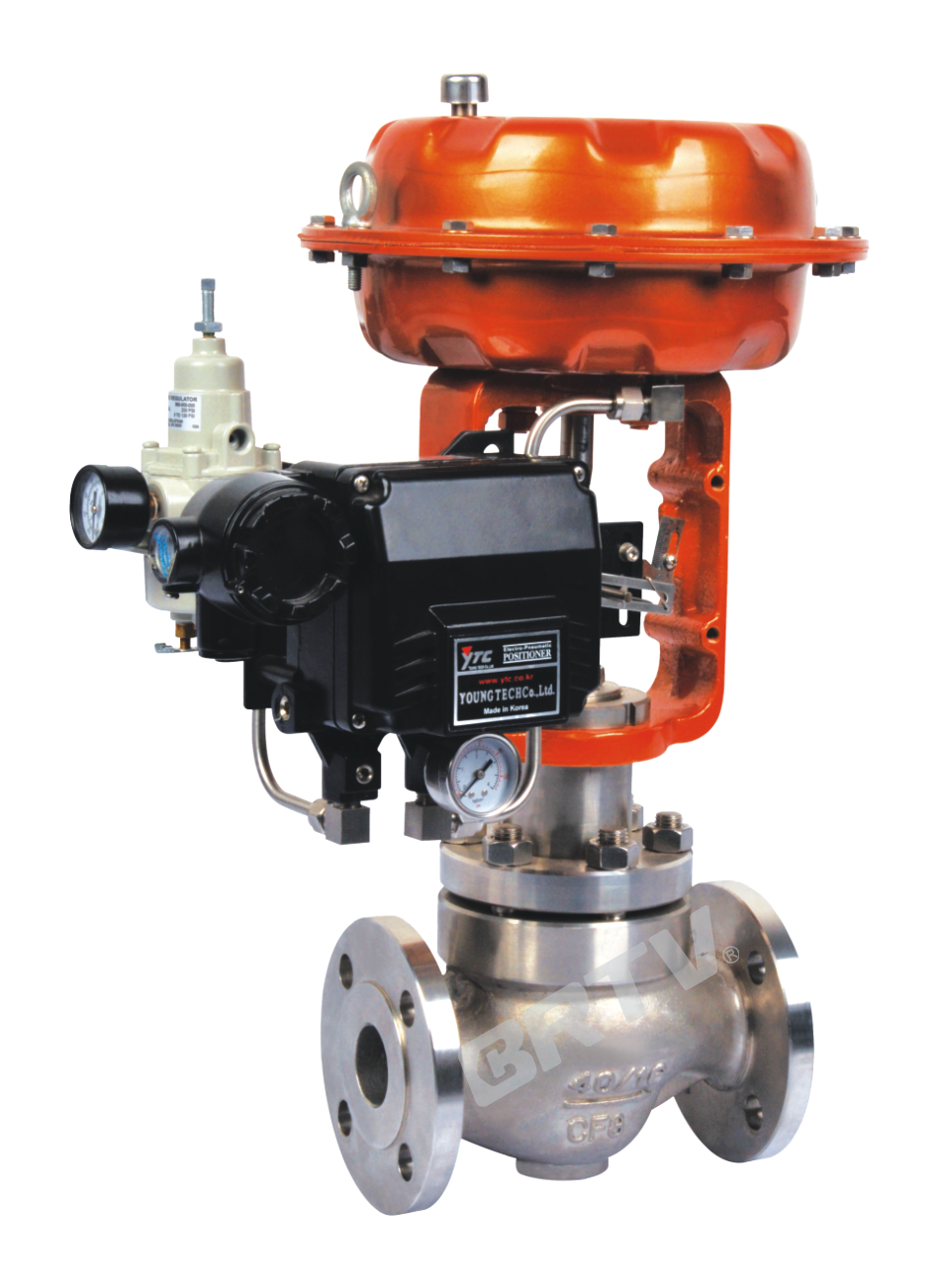
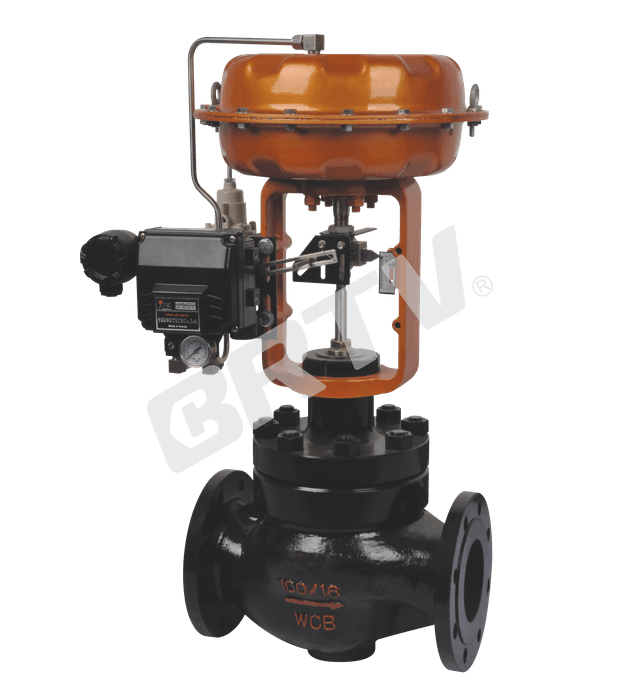
Pneumatic Diaphragm Single Seat Control Valve adopts a top-guided structure, compact design, and features double balanced valve body channels. It offers stable pressure drop loss, large flow capacity, wide adjustable range, and high flow characteristic accuracy.
It is suitable for media with small working pressure differences and strict leakage requirements.
Main Parts Materials
| Name of parts | Body | Seat | Filler | Diaphragm |
|---|
| Material | ZG230–450, ZG1Cr18Ni9Ti, 316, 316L, corrosion resistant alloy, etc. | 1Cr18Ni9Ti, 316, 316L, corrosion resistant alloy, F4, etc. | Polytetrafluoroethylene, flexible graphite | NBR nylon cloth |
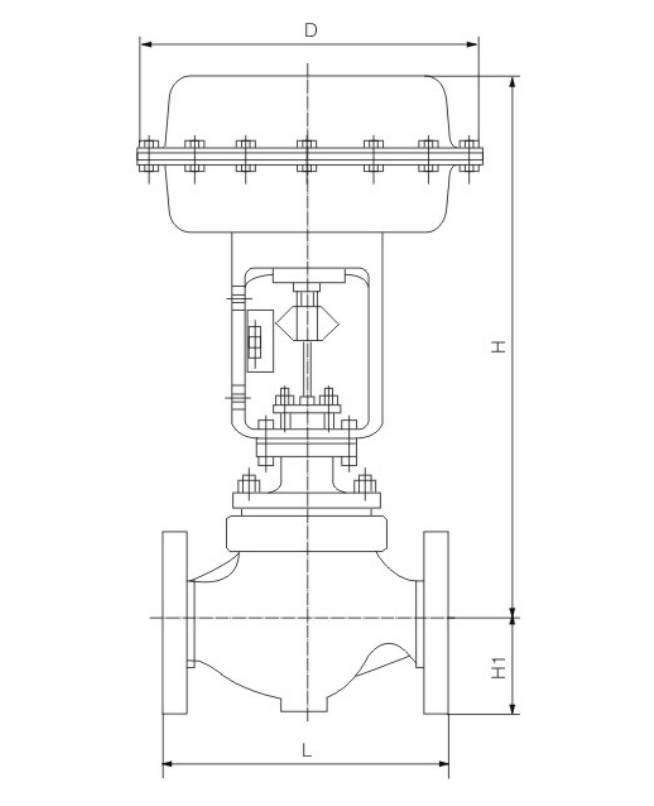
Main Size of Outside & Weight
L (mm)
| Nominal diameter (mm) | JIS 10K FF / ANSI 125 FF / ANSI 150 RF / JPI 150 RF / PN1.6MPa | JIS 16K RF | JIS 20K RF / ANSI 300 RF / JPI 300 RF / PN4.0MPa | JIS 40K RF / ANSI 600 RF / JPI 600 RF / PN6.4MPa | ANSI 150 RJ / JPI 150 RJ | ANSI 300 RJ / JPI 300 RJ | ANSI 600 RJ / JPI 600 RJ | JIS 16K LG | JIS 20K LG | JIS 30K LG | ANSI 300 LG / JPI 300 LG | ANSI 600 LG / JPI 600 LG | ANSI 150 SW/BW | ANSI 300 SW/BW | ANSI 600 SW/BW |
|---|
| 40 | 222 | 231 | 235 | 251 | 235 | 248 | 251 | 235 | 236 | 248 | 244 | 248 | 254 | 251 | 251 |
| 50 | 254 | 263 | 267 | 286 | 267 | 283 | 289 | 265 | 267 | 276 | 276 | 283 | 286 | 286 | 286 |
| 65 | 276 | 288 | 292 | 311 | 289 | 308 | 314 | 290 | 292 | 303 | 302 | 308 | 311 | 311 | 311 |
| 80 | 298 | 313 | 317 | 337 | 311 | 333 | 340 | 310 | 317 | 326 | 327 | 333 | 337 | 337 | 337 |
| 100 | 352 | 364 | 368 | 394 | 365 | 384 | 397 | 360 | 368 | 379 | 378 | 391 | 394 | 394 | 394 |
| 150 | 451 | 465 | 473 | 508 | 464 | 489 | 511 | 475 | 473 | 486 | 483 | 505 | 473 | 508 | 508 |
| 200 | 543 | 560 | 568 | 610 | 556 | 584 | 613 | 570 | 568 | 580 | 578 | 606 | 568 | 610 | 610 |
Dimensions & Height
| Nominal diameter (mm) | 40 | 50 | 65 | 80 | 100 | 150 | 200 |
|---|
| Standard type H (mm) | 425 | 427 | 575 | 580 | 610 | 785 | 1090 |
| Extended I H (mm) | 590 | 595 | 745 | 755 | 810 | 1020 | 1350 |
| Extended II H (mm) | 705 | 710 | 880 | 900 | 915 | 1250 | 1580 |
| Extended III H (mm) | 945 | 950 | 1130 | 1135 | 1150 | 1385 | 1710 |
| H1 (mm) | 70 | 80 | 88 | 98 | 113 | 170 | 220 |
| D (mm) | 285 | 285 | 285 | 360 | 360 | 470 | 470 |
Weight (kg)
| Standard | 40 | 50 | 65 | 80 | 100 | 150 | 200 |
|---|
| ANSI 125, 150, JIS 10K | 35 | 41 | 62 | 75 | 92 | 201 | 276 |
| ANSI 300, JIS 16K, 20K, 30K | 40 | 46 | 65 | 83 | 100 | 233 | 339 |
| ANSI 600, JIS 40K | 48 | 51 | 82 | 105 | 135 | 283 | 459 |
| Welded SW | 42 | 48 | 67 | 88 | 97 | 223 | 330 |
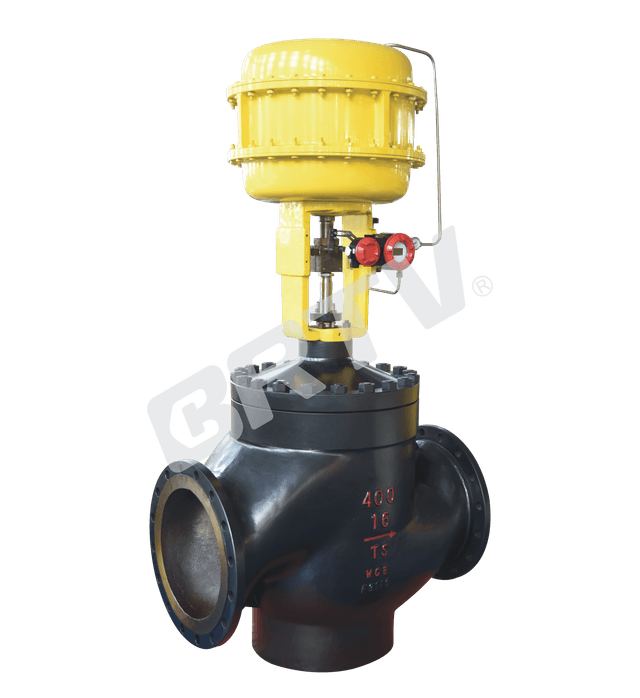
Pneumatic Diaphragm Three way Control Valve
Product Application
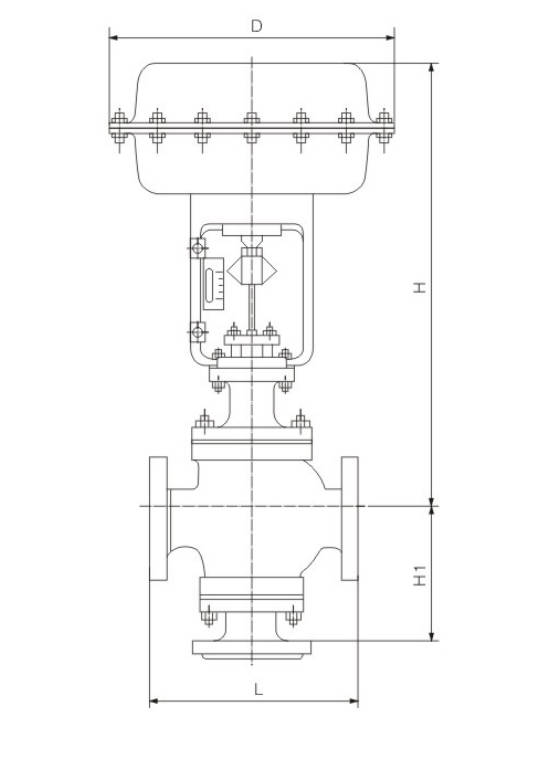
Pneumatic Diaphragm Three way Control Valve is a special control valve used for three-way regulation. It offers high control accuracy and stable, reliable operation.
The mixing (confluence) type is mainly used to combine two fluids into a third fluid, while the diverting (split) type is used to divide one fluid into two streams.
This product can replace two sets of single-seat or double-seat regulating valves that would otherwise be used in combination. It is suitable for regulating and controlling liquids, gases, steam, and other media.
Main Parts Materials
| Name of parts | Body | Seat | Filler | Diaphragm |
|---|
| Material | ZG230–450, ZG1Cr18Ni9Ti, 316, 316L, corrosion resistant alloy, etc. | 1Cr18Ni9Ti, 316, 316L, corrosion resistant alloy, F4, etc. | Polytetrafluoroethylene, flexible graphite | NBR nylon cloth |
Main size of outside & weight
| Nominal diameter (mm) | 25 | 32 | 40 | 50 | 65 | 80 | 100 | 125 | 150 | 200 |
|---|
| L (PN 1.6 MPa) | 185 | 200 | 220 | 250 | 275 | 300 | 350 | 410 | 450 | 550 |
| L (PN 4.0 MPa) | 190 | 210 | 230 | 255 | 285 | 310 | 355 | 425 | 460 | 560 |
| L (PN 6.4 MPa) | 200 | 210 | 235 | 265 | 295 | 320 | 370 | 440 | 475 | 570 |
| H1 (PN 1.6 MPa) | 140 | 150 | 160 | 180 | 200 | 220 | 220 | 256 | 278 | 322 |
| H1 (PN 4.0 MPa) | 150 | 160 | 170 | 190 | 220 | 232 | 256 | 295 | 313 | 372 |
| H1 (PN 6.4 MPa) | 160 | 170 | 180 | 200 | 220 | 242 | 266 | 300 | 318 | 382 |
| H (Standard) | 435 | 441 | 465 | 480 | 584 | 585 | 575 | 762 | 772 | 792 |
| H (Heat dissipation) | 565 | 574 | 595 | 610 | 631 | 748 | 738 | 961 | 971 | 989 |
| D (mm) | | | 285 | | | 360 | | | 470 | |
| Weight (kg) | 72 | 75 | 81 | 88 | 135 | 158 | 190 | 262 | 322 | 450 |
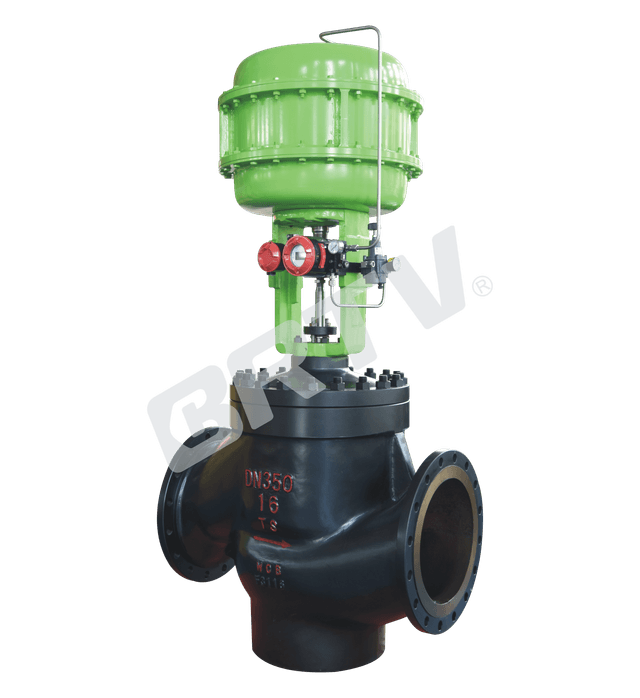
Pneumatic Diaphragm Angle Control Valve
Product Application
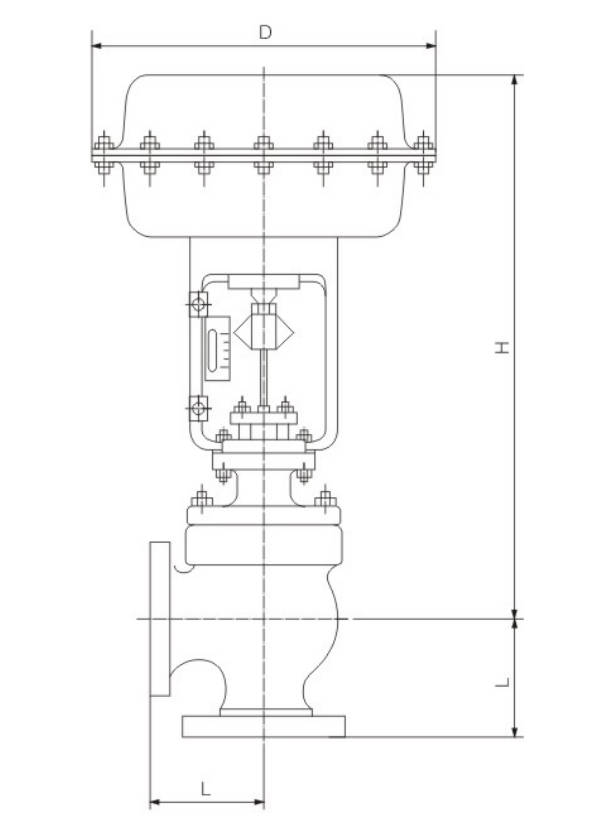
Pneumatic Diaphragm Angle Control Valve features a simple valve body design that is easy to manufacture and avoids defects caused by loose casting in traditional angle valves. It is equipped with a compact pneumatic diaphragm actuator.
The actuator provides stable and reliable operation, a simple flow path, and good anti-blocking performance. The valve is suitable for regulating high-viscosity media, as well as media containing suspended solids and granular particles, or applications requiring right-angle connections.
Main Parts Materials
| Name of parts | Body | Seat | Filler | Diaphragm |
|---|
| Material | ZG230–450, ZG1Cr18Ni9Ti, 316, 316L, corrosion resistant alloy, etc. | 1Cr18Ni9Ti, 316, 316L, corrosion resistant alloy, F4, etc. | Polytetrafluoroethylene, flexible graphite | NBR nylon cloth |
Main size of outside & weight
| Nominal diameter (mm) | 20 | 25 | 32 | 40 | 50 | 65 | 80 | 100 | 125 | 150 | 200 |
|---|
| L (PN 1.6 MPa) | 85 | 95 | 115 | 115 | 130 | 145 | 155 | 175 | 200 | 240 | 300 |
| L (PN 4.0 MPa) | 85 | 95 | 115 | 115 | 130 | 145 | 155 | 175 | 200 | 240 | 300 |
| L (PN 6.4 MPa) | 100 | 115 | 130 | 130 | 150 | 170 | 190 | 215 | 250 | 275 | 325 |
| H (Standard) | 413 | 421 | 449 | 468 | 463 | 584 | 623 | 658 | 766 | 796 | 801 |
| H (Heat dissipation) | 543 | 551 | 579 | 598 | 593 | 747 | 786 | 821 | 965 | 995 | 1000 |
| D (mm) | | | | 285 | | | 360 | | | 470 | |
| Weight (kg) | 24 | 33 | 36 | 37 | 41 | 76 | 86 | 104 | 174 | 212 | 310 |
Manufacturing Process
Step 1: Order and Design
According to the customer's working conditions, including pressure, temperature, flow rate, medium type, and leakage class, the basic specifications of the pneumatic diaphragm control valve are confirmed.
Engineers then prepare drawings for the valve body, bonnet, trim, actuator, and diaphragm structure, while also selecting suitable materials such as WCB, CF8, CF8M, or other stainless steel grades.
Step 2: Forging & Casting
The main pressure-bearing parts, especially the valve body and bonnet, are produced through casting or forging according to the design requirements.
For a pneumatic diaphragm control valve, the raw castings must have good mechanical strength and internal soundness to ensure safe performance under continuous operation. After casting, rough cleaning, heat treatment, and surface inspection are carried out.
Step 3: Machining
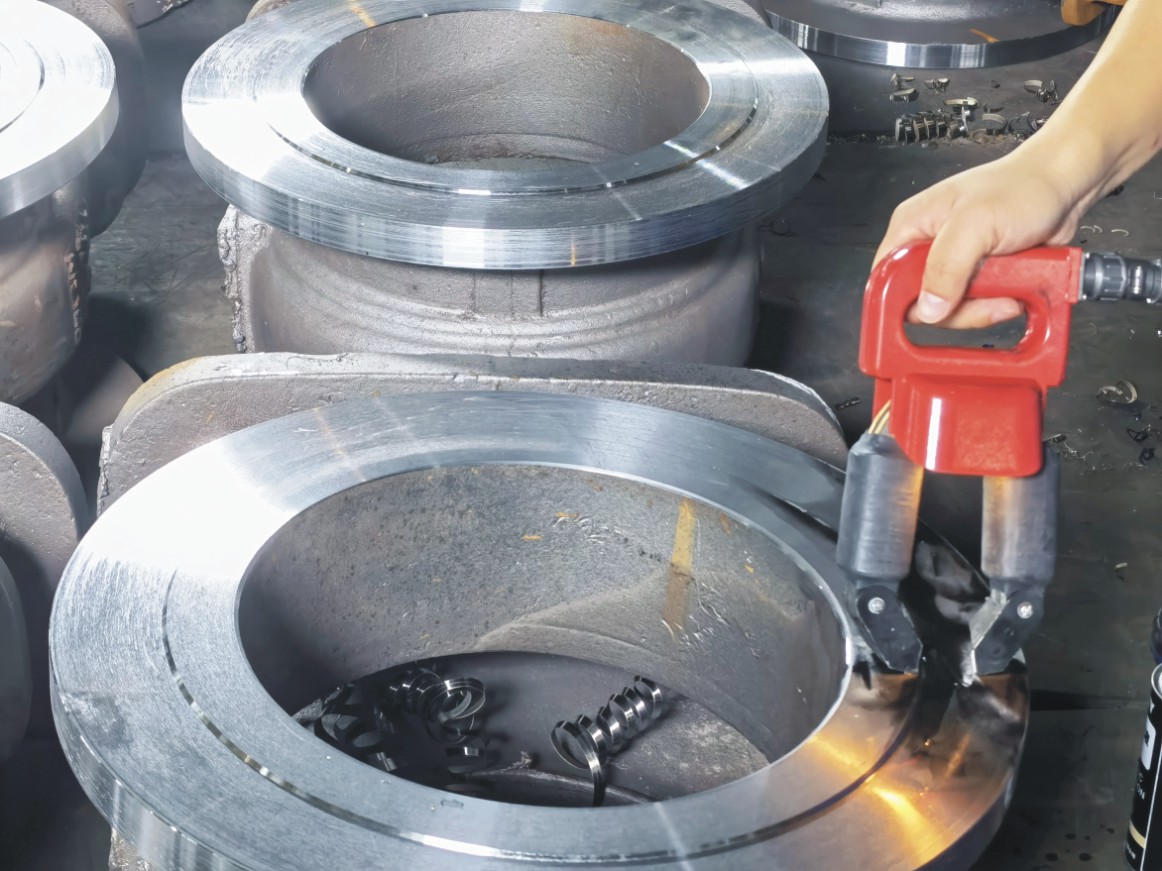
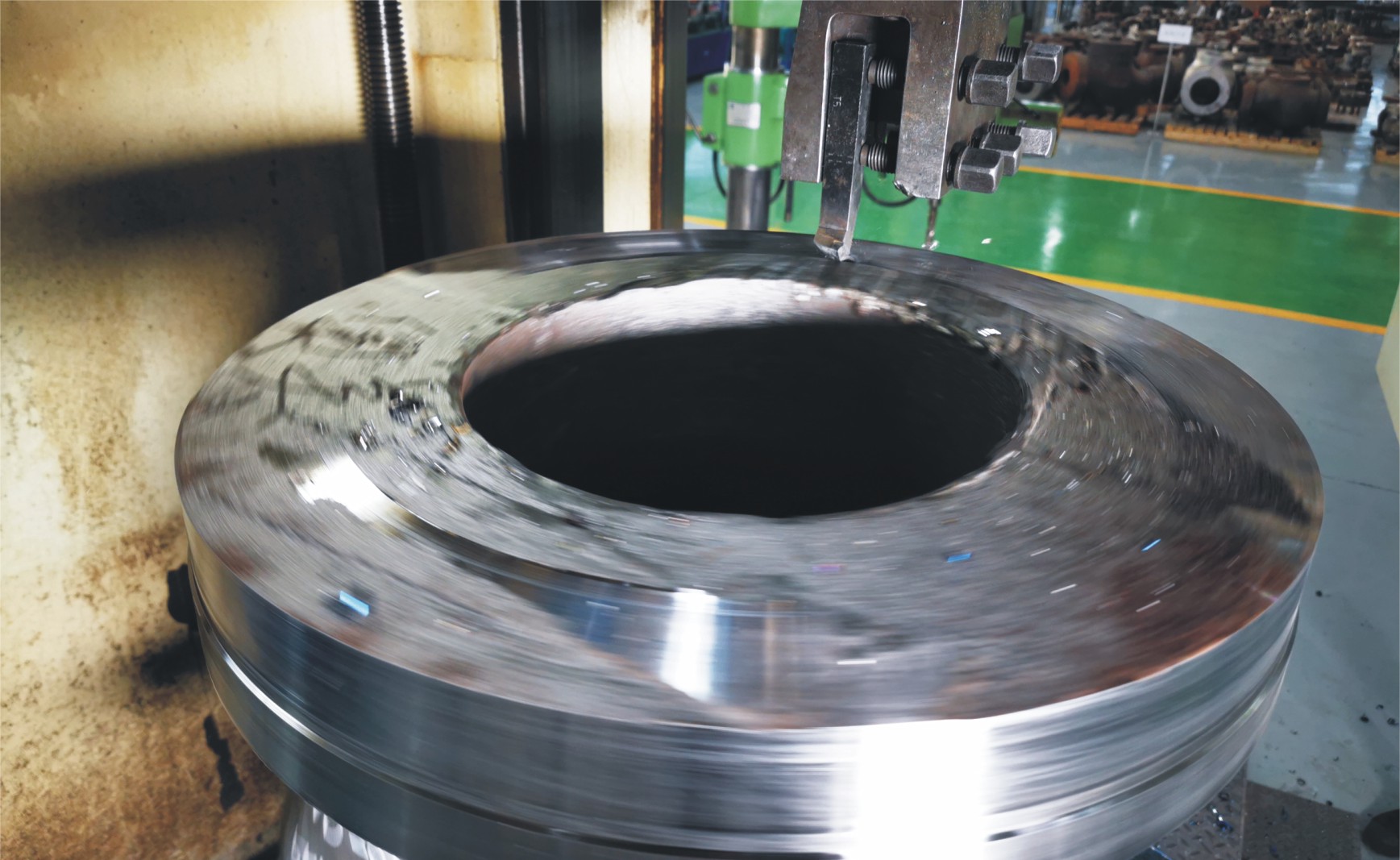
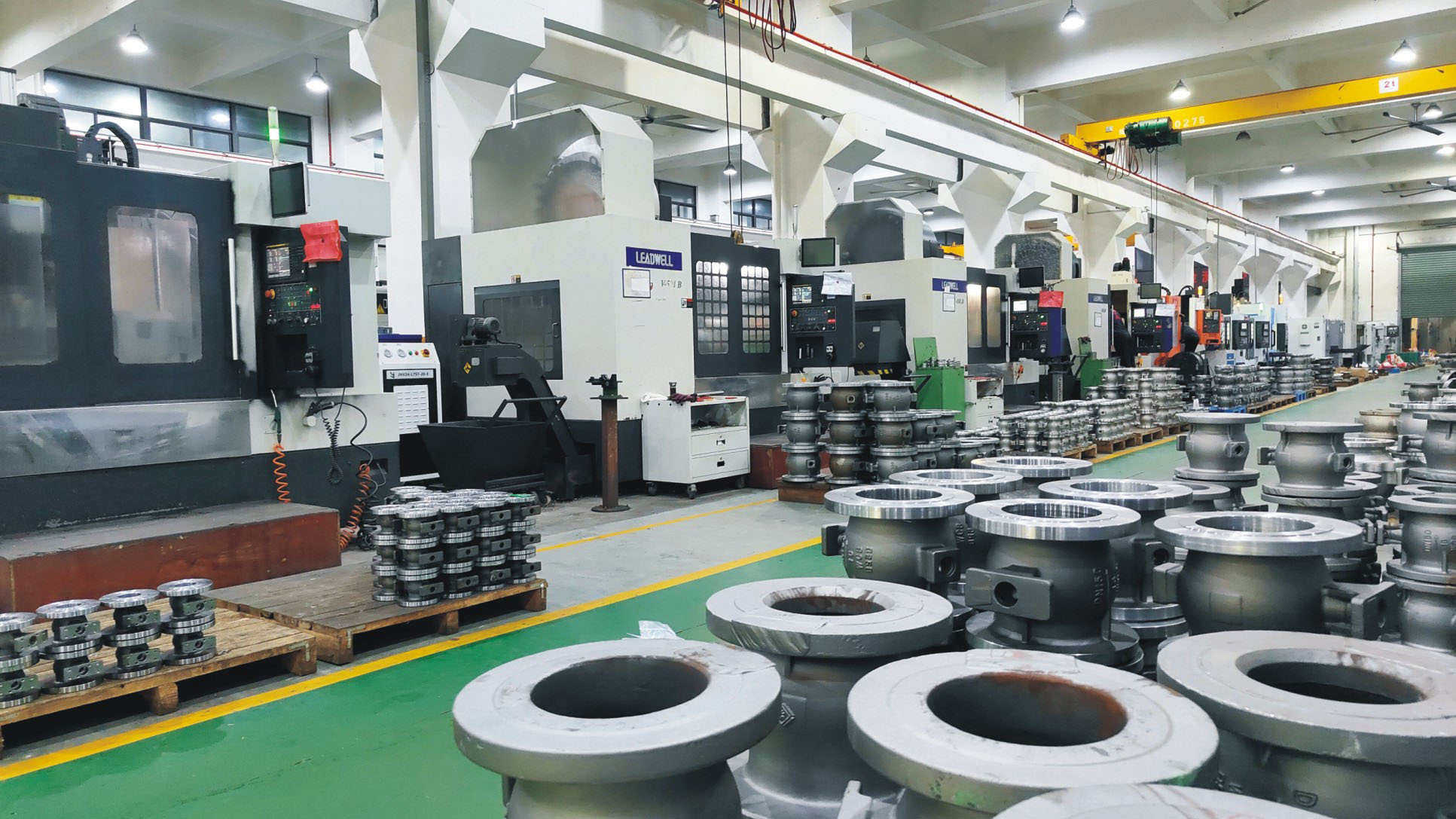
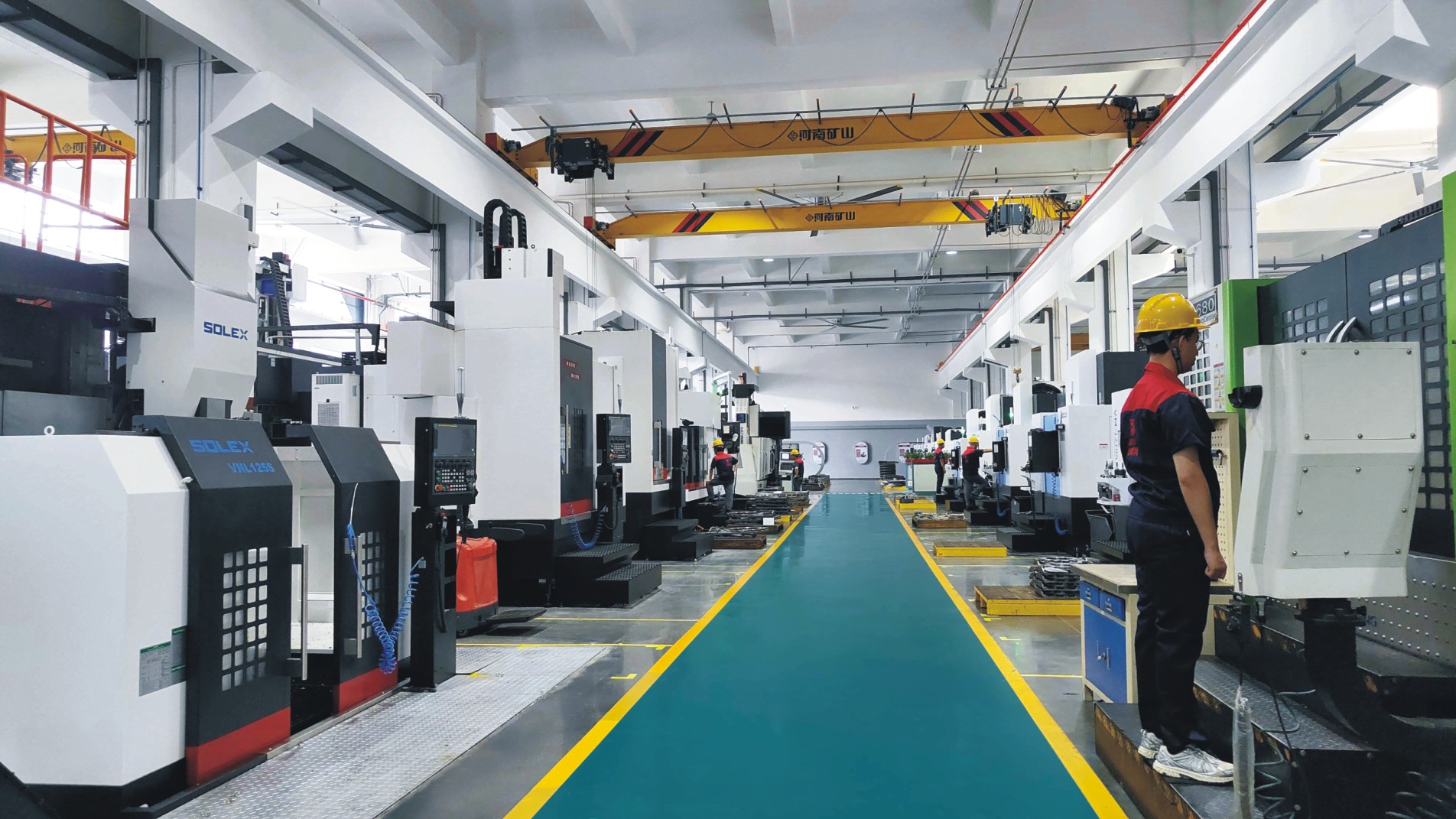
After the raw blanks are approved, machining starts with CNC lathes, machining centers, and drilling machines.
Key dimensions of the pneumatic diaphragm control valve such as flange faces, seat pocket, stem bore, and actuator connection parts are processed precisely to meet tolerance and sealing requirements. At this stage, the plug, seat, stem, and other internal components are also finished.
Step 4: Assembly
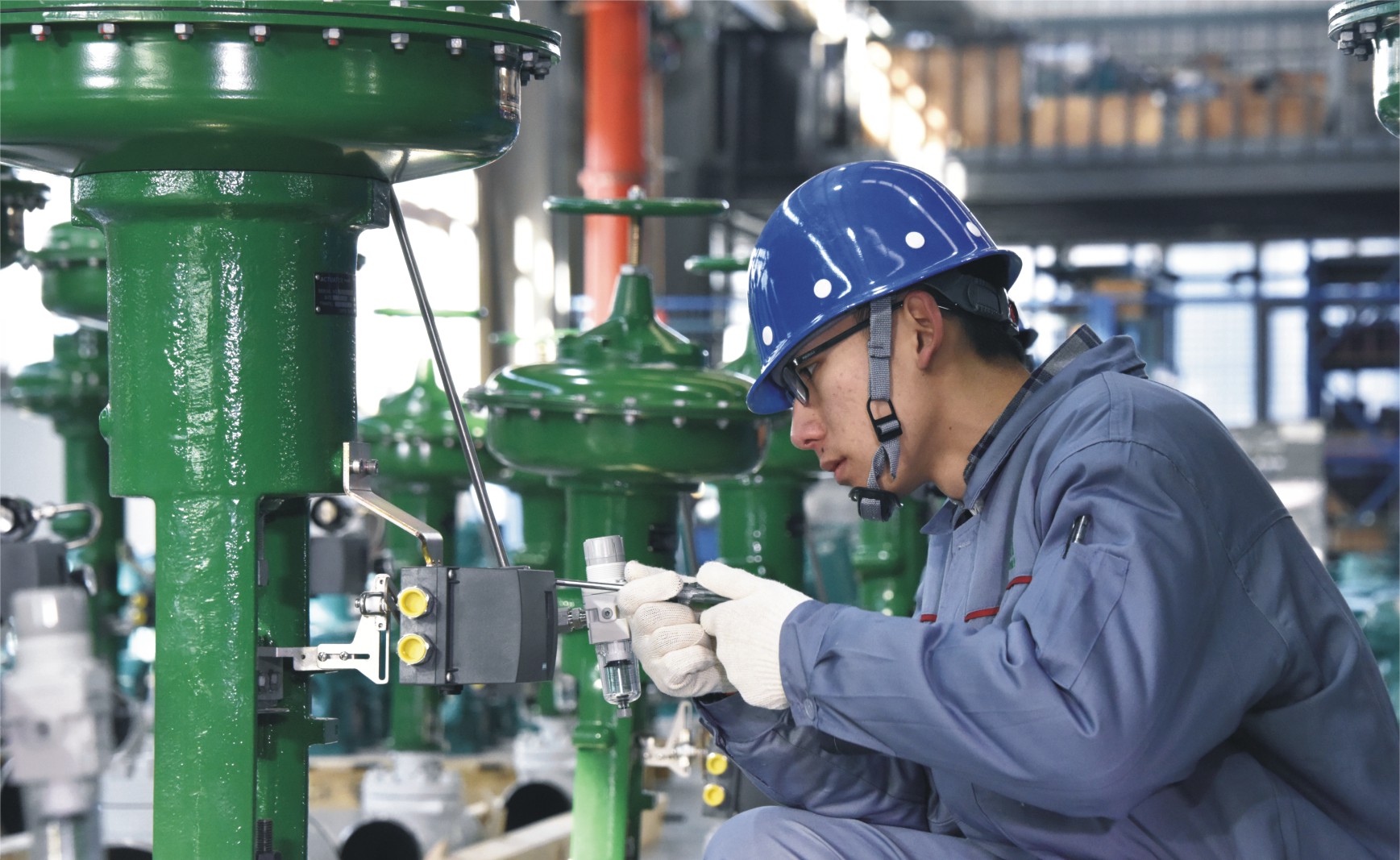
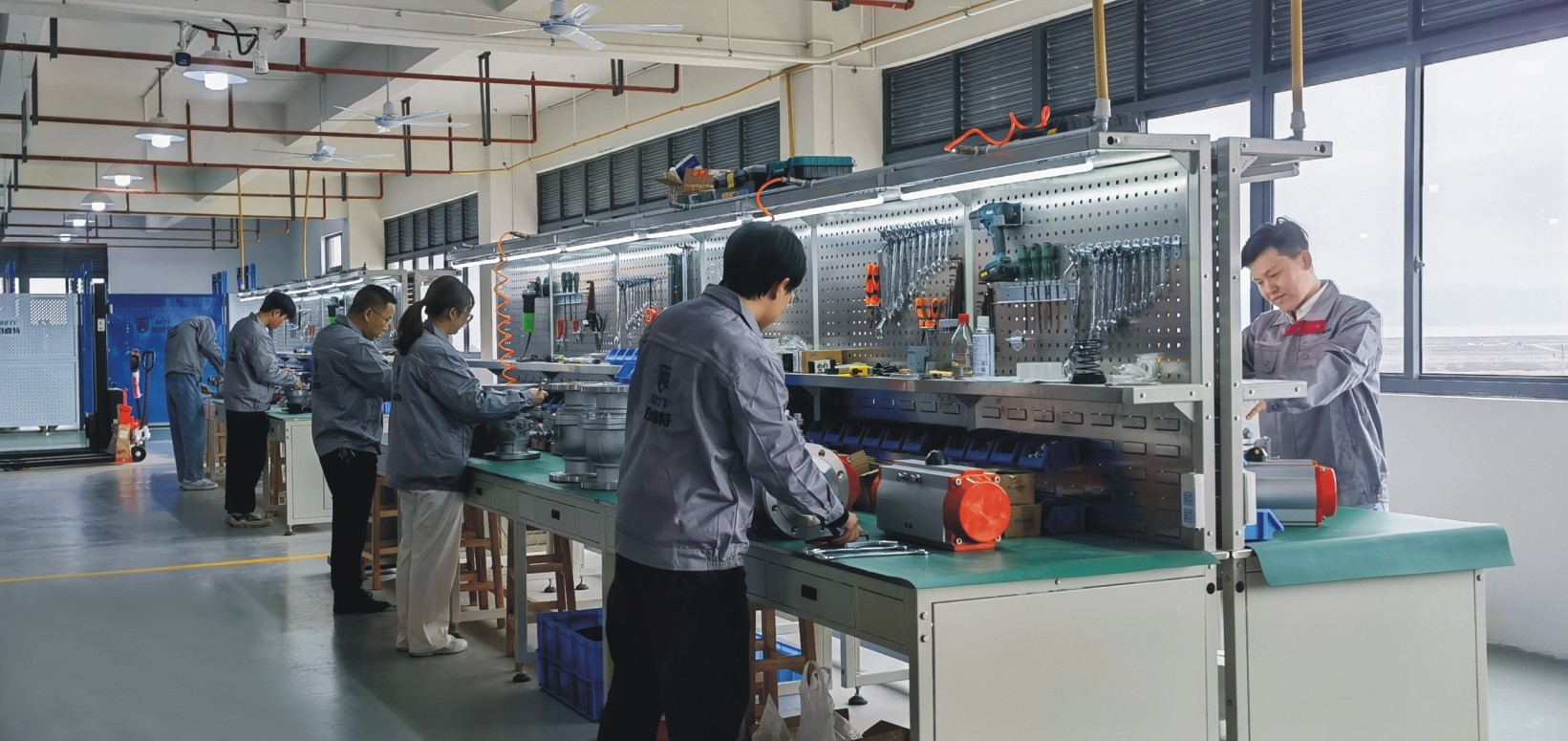
Once all parts pass inspection, assembly begins. The valve body, seat, plug, stem, bonnet, diaphragm actuator, positioner, and accessories are assembled in sequence.
During assembly of the pneumatic diaphragm control valve, special attention is paid to stem alignment, diaphragm installation, fastening torque, and smooth actuator movement, so that the valve can respond accurately to control signals.
Step 5: Testing & Quality Assurance
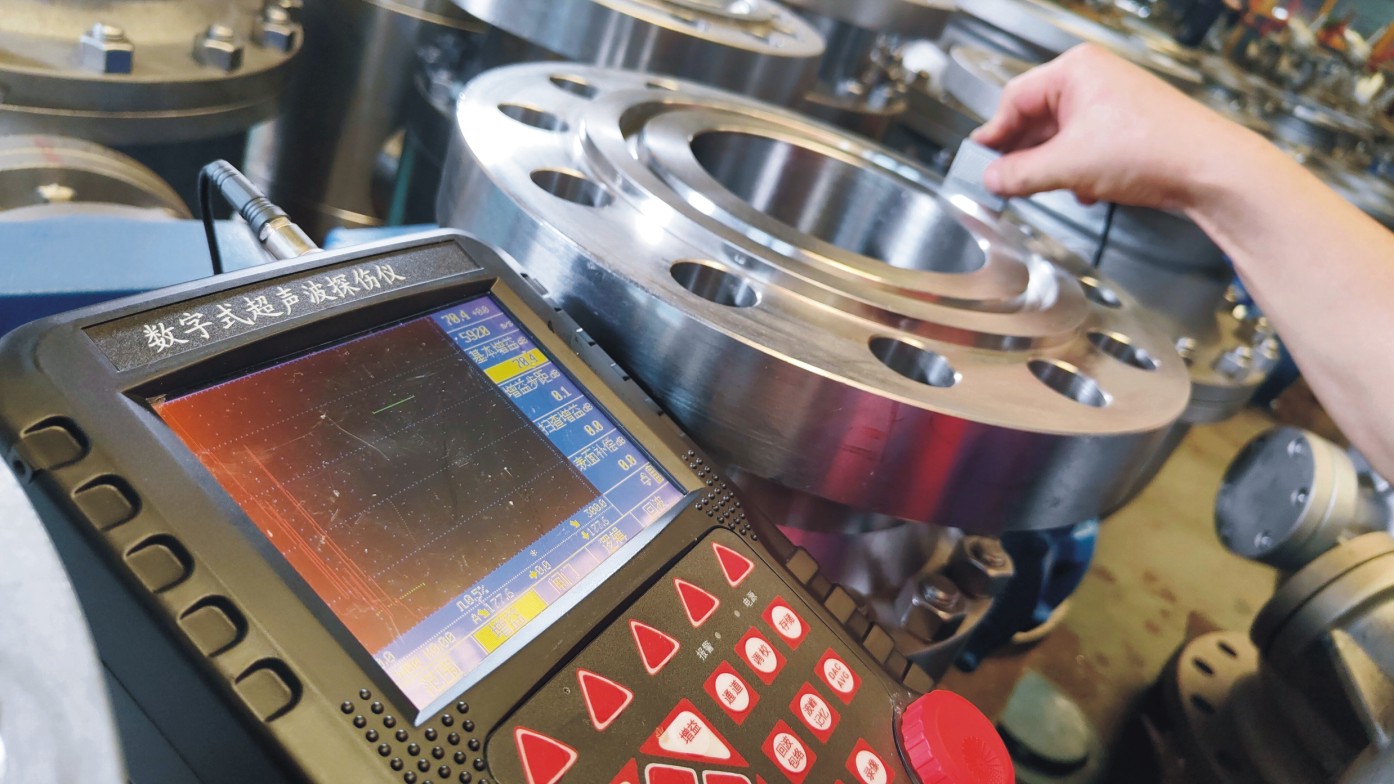
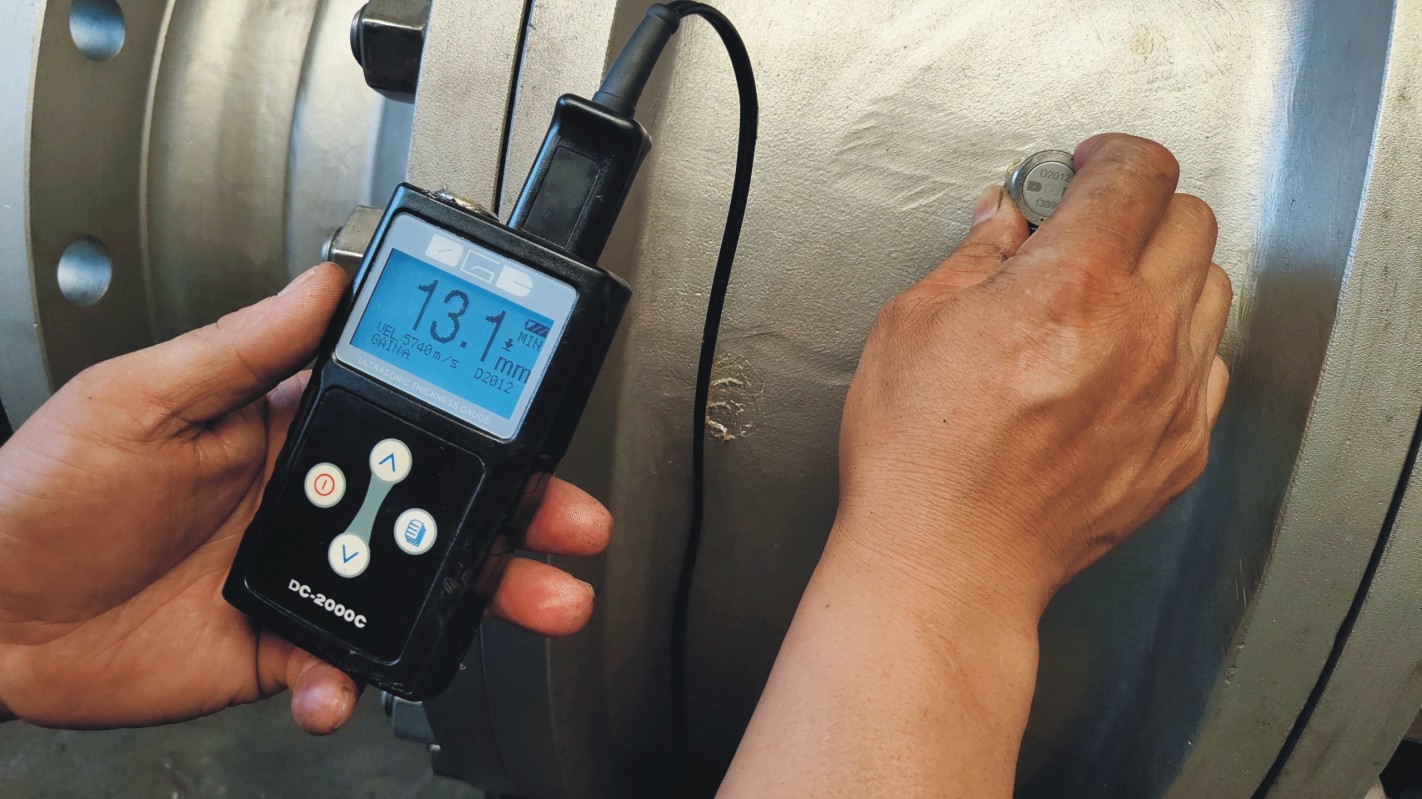
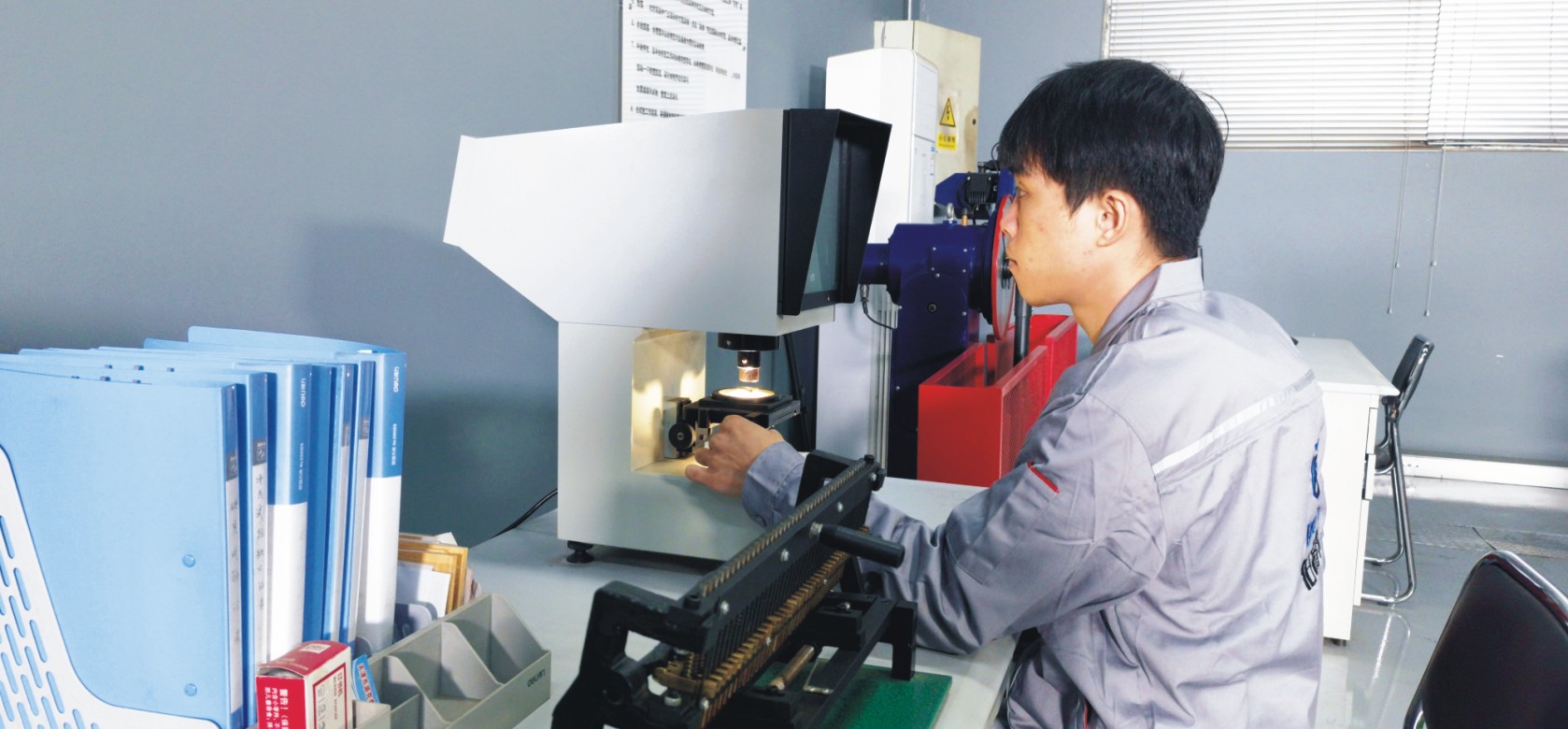
Each pneumatic diaphragm control valve must undergo strict testing before delivery, including shell pressure test, seat leakage test, air tightness test, stroke calibration, and action performance test.
If required, additional inspection such as material certificate review, PMI, or third-party witness testing can also be arranged to ensure full compliance with project standards.
Step 6: Painting and Finishing
After testing is completed, the valve surface is cleaned and painted according to customer or project requirements. Nameplate, tag number, flow direction mark, and final protection covers are added before packing.
This final step ensures the valve has a clean appearance, proper identification, and good protection during storage and transportation.
Applications
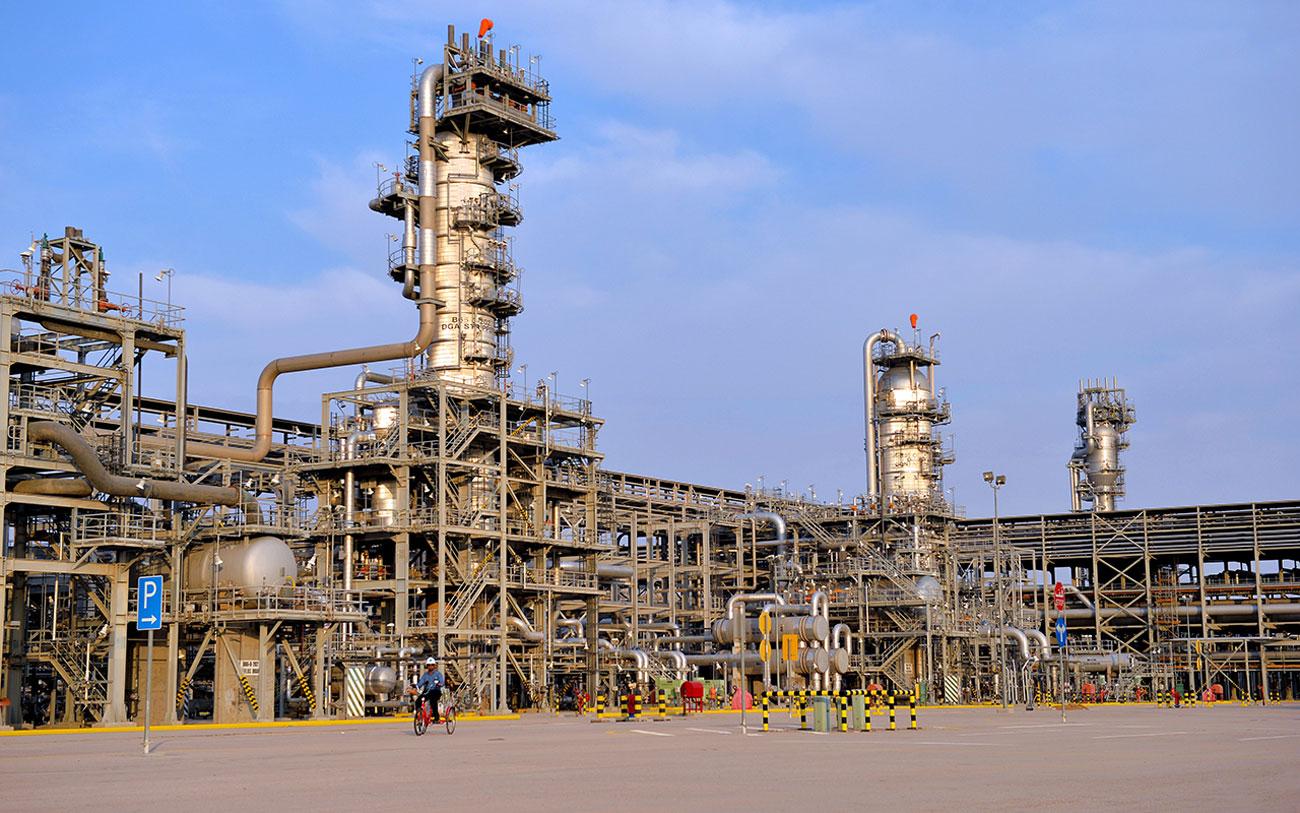
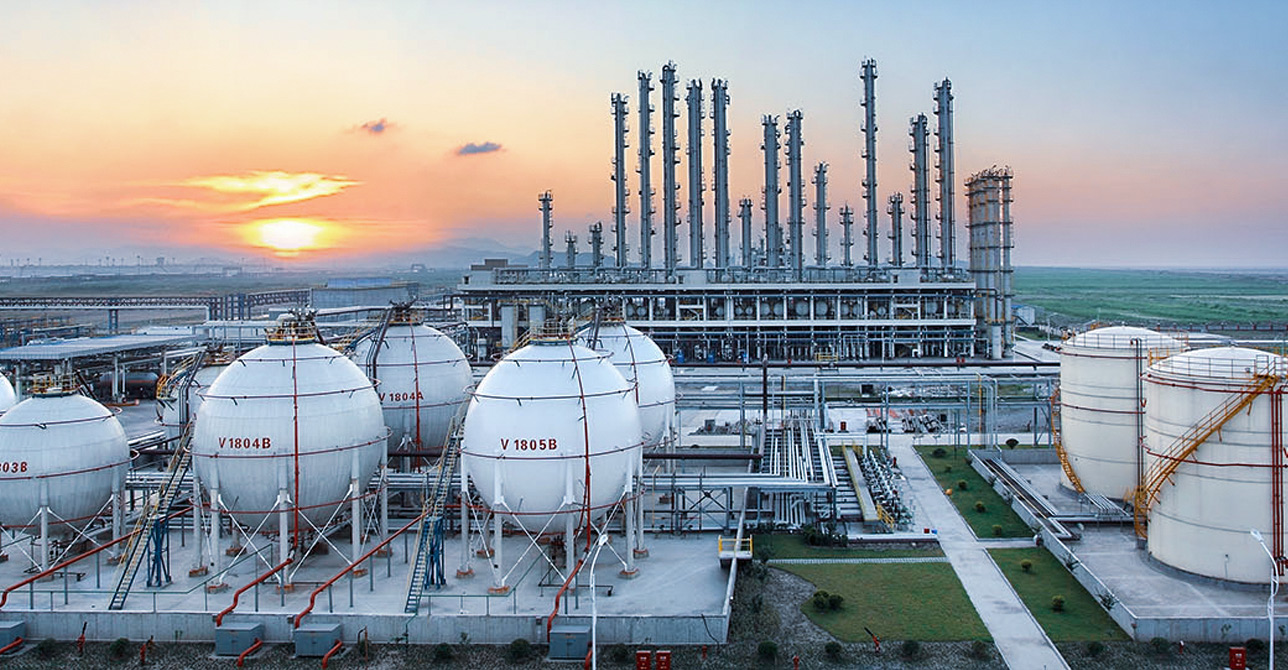
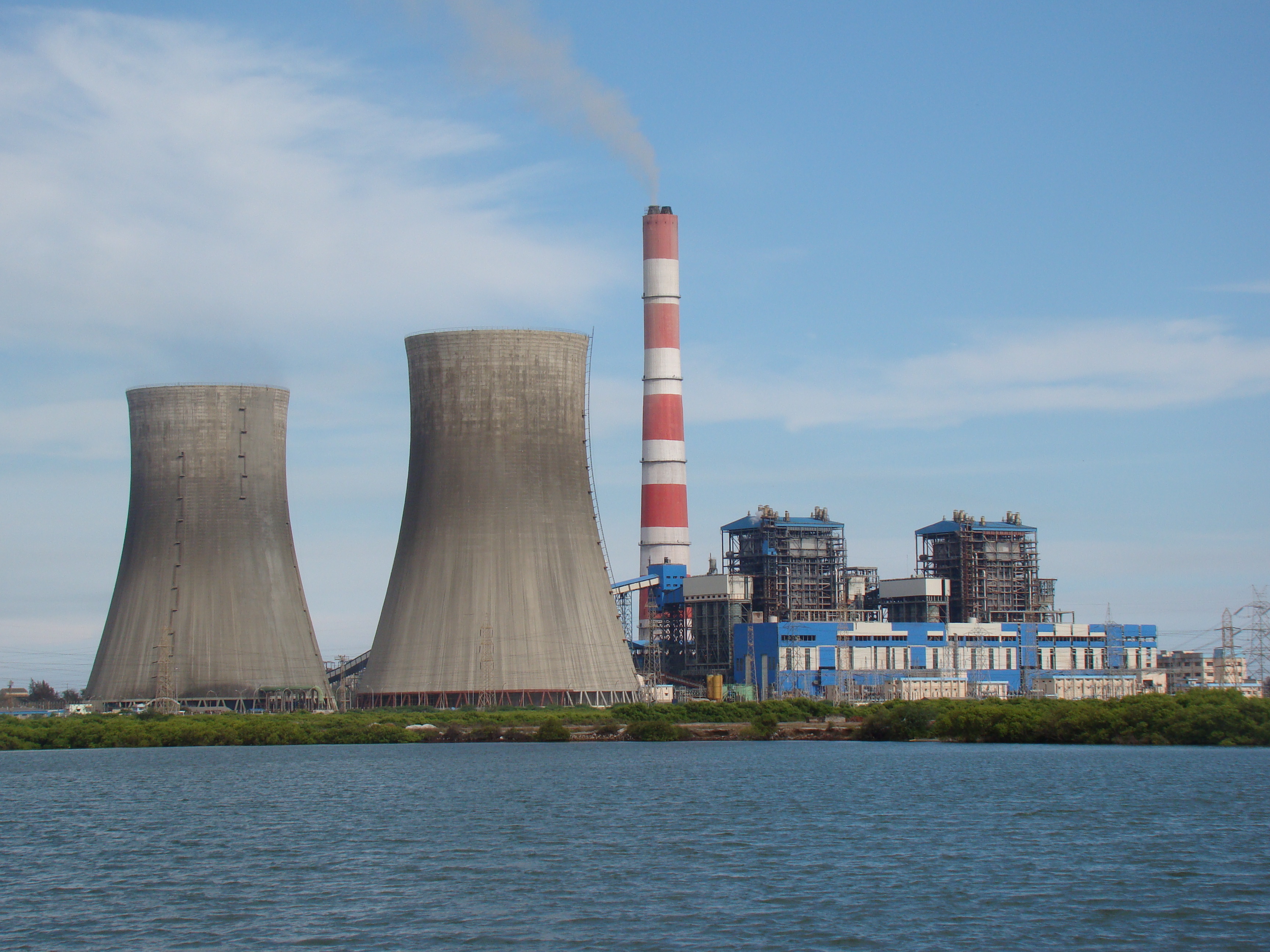
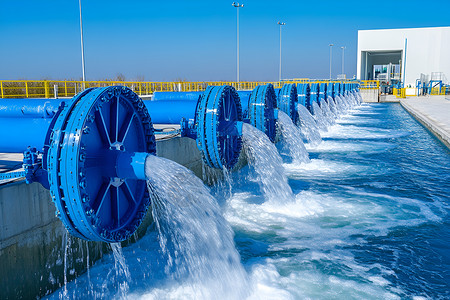
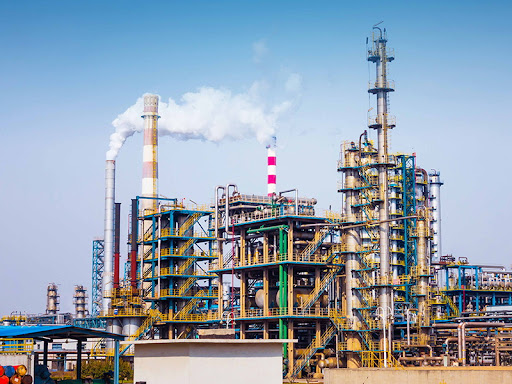
Pneumatic diaphragm control valves are widely used in various industrial sectors, such as chemical, petroleum, pharmaceutical, food, and environmental protection. In chemical production processes, these valves can be used to control parameters such as temperature, pressure, and liquid level in various chemical reactors, ensuring the stability and safety of the production process. In the petroleum industry, pneumatic diaphragm control valves can be used to control parameters such as oil well production rates and pressure, thereby improving oil extraction efficiency. In the pharmaceutical industry, pneumatic diaphragm control valves are used to regulate parameters such as the temperature and flow rate of pharmaceutical solutions, ensuring the quality and safety of the drugs. In environmental protection projects, these valves are employed to control parameters such as flow rate and liquid level in wastewater treatment systems, thereby improving treatment efficiency. In summary, as a critical industrial process control instrument, the pneumatic diaphragm control valve holds broad application prospects across various sectors.
These valves are widely used in:
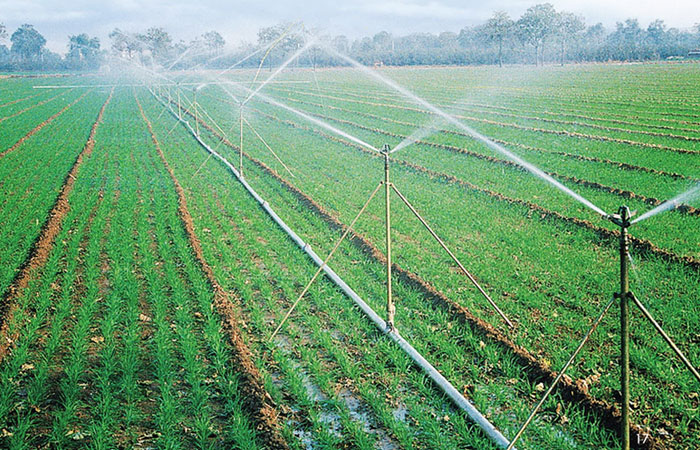
Agriculture and Irrigation
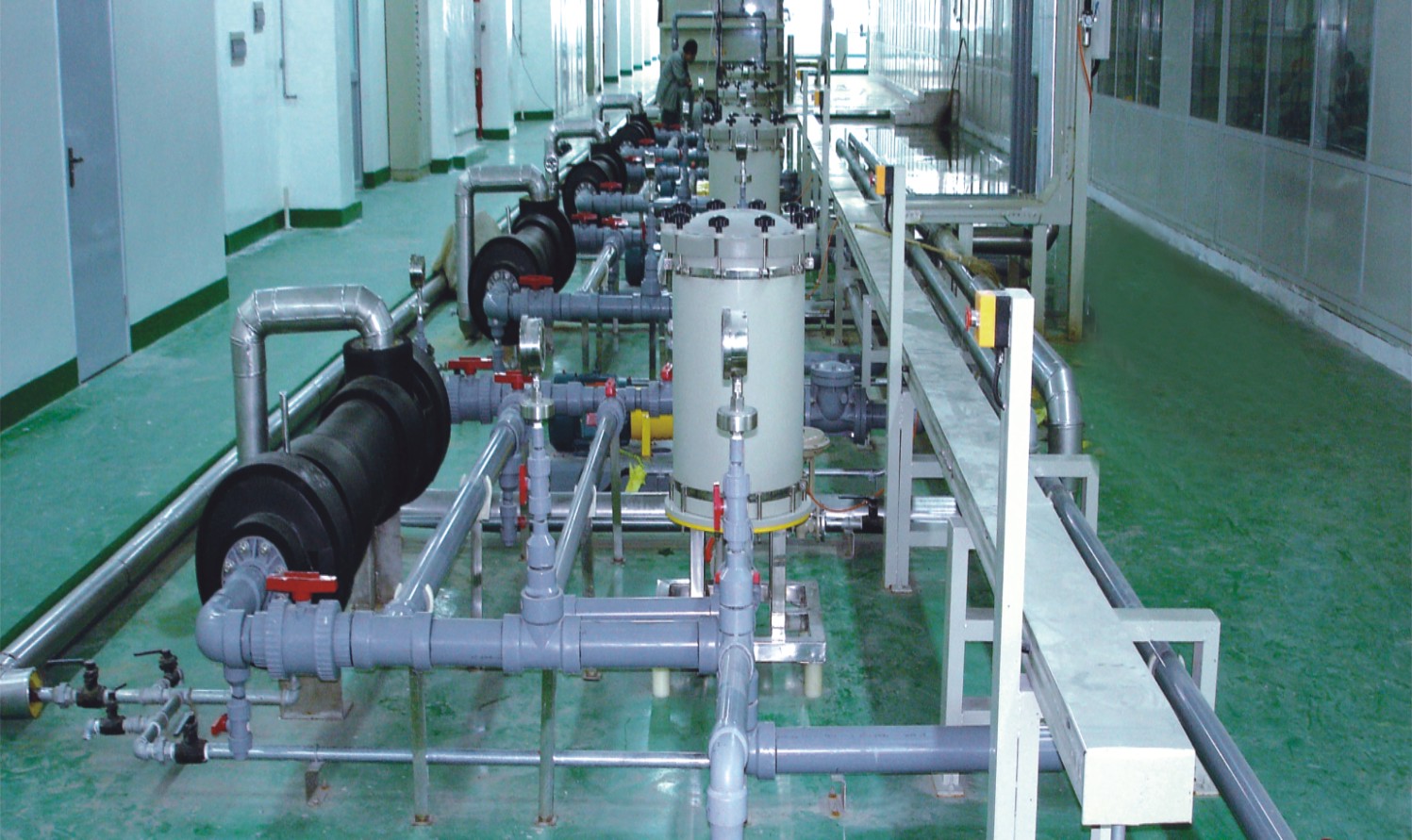
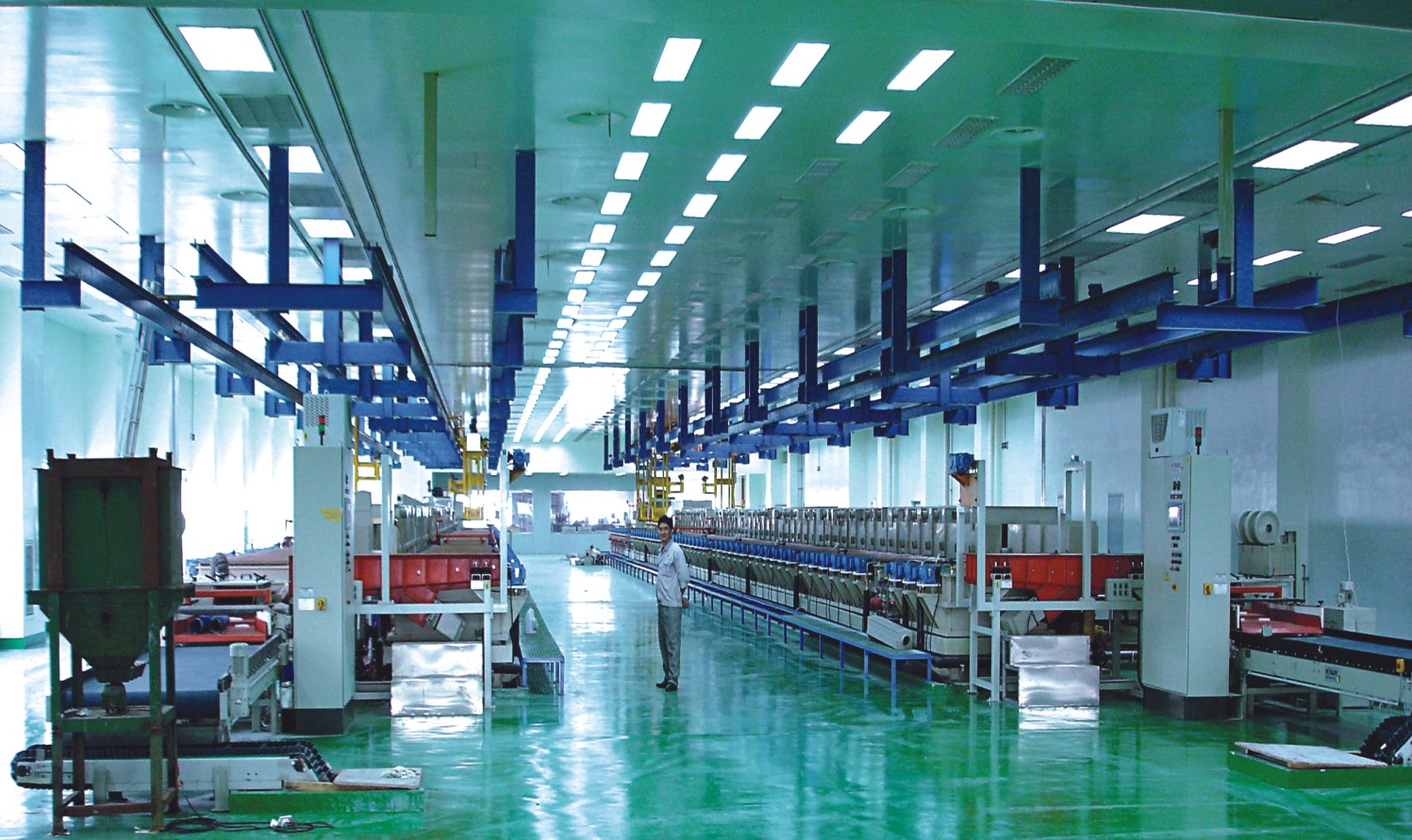
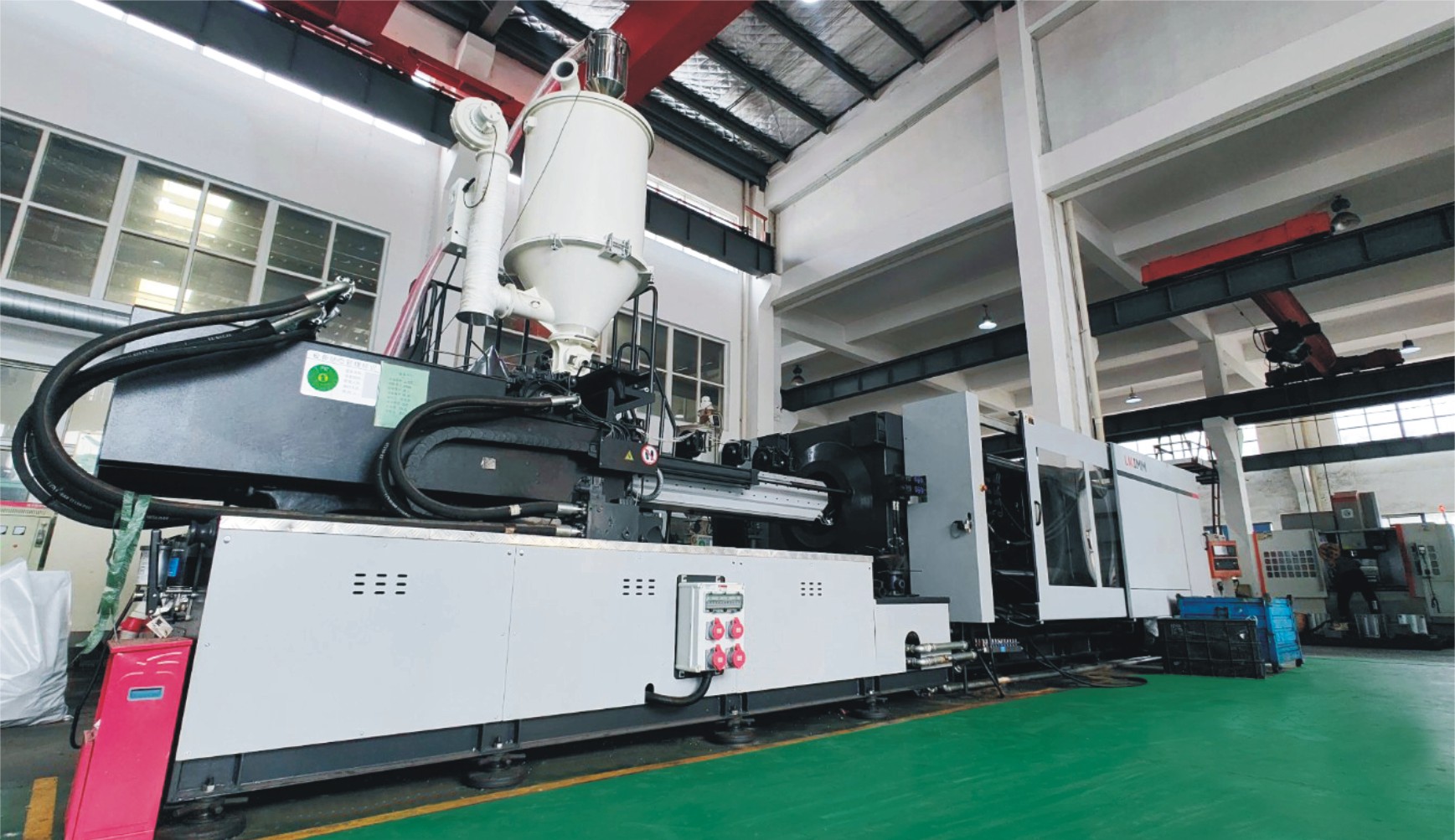
Factory Environment
Why Choose Us
Superior Quality
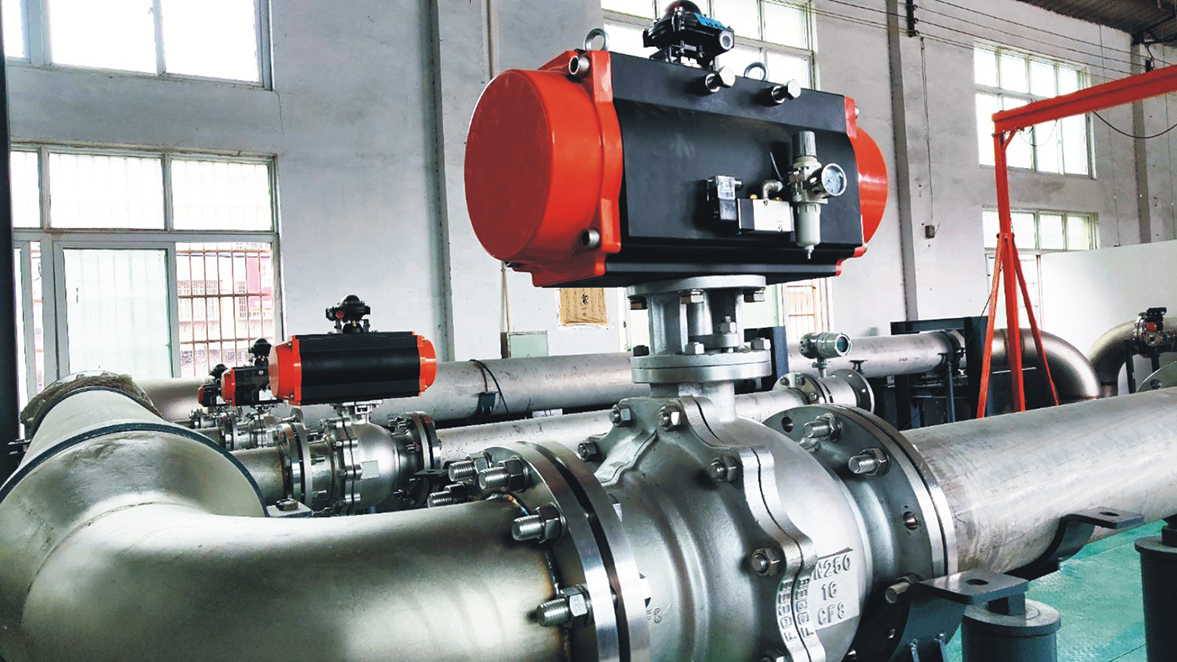
Our valves are manufactured using premium materials and undergo rigorous quality testing to ensure reliable performance in demanding industrial applications.
Advanced Technology
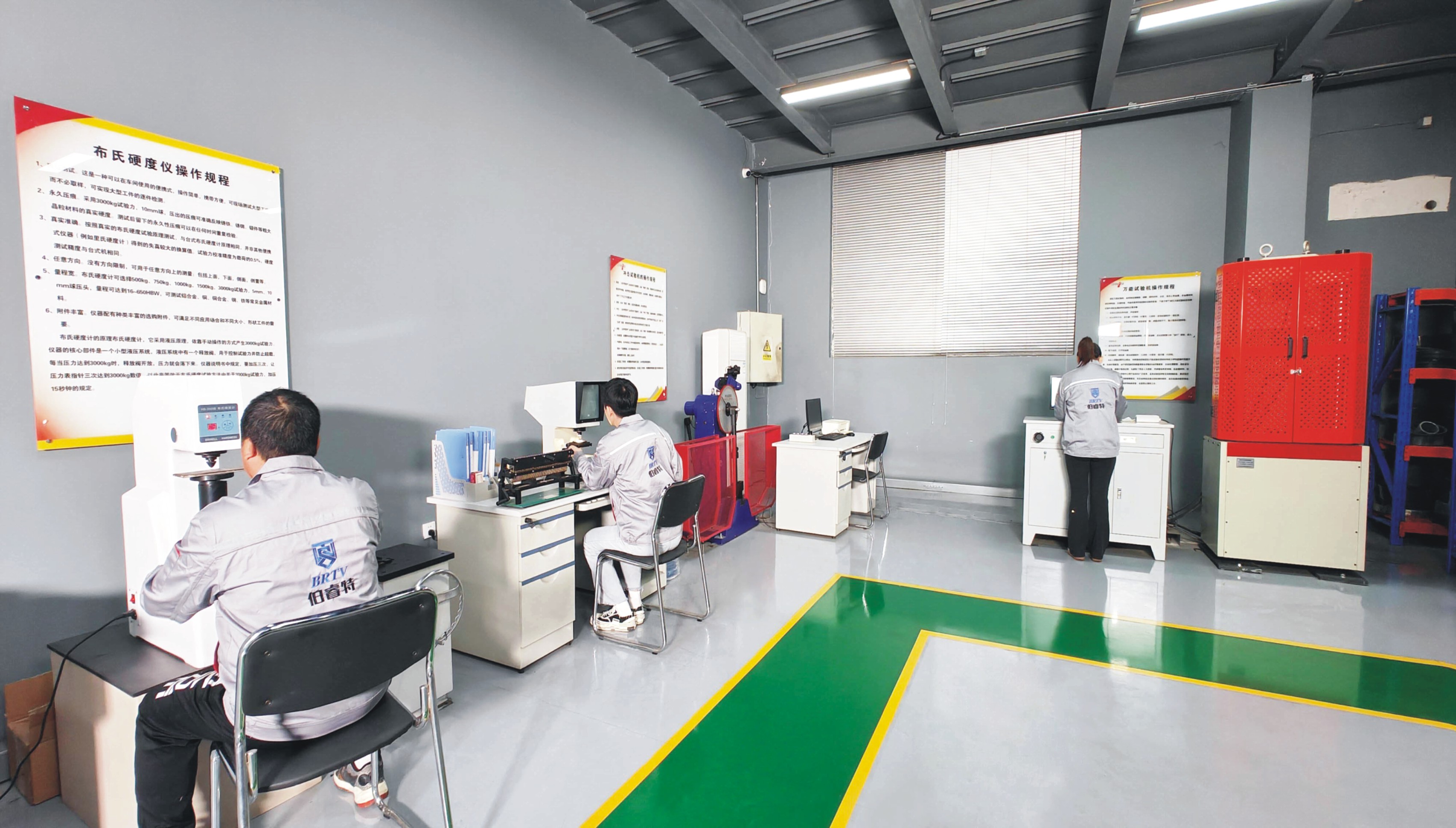
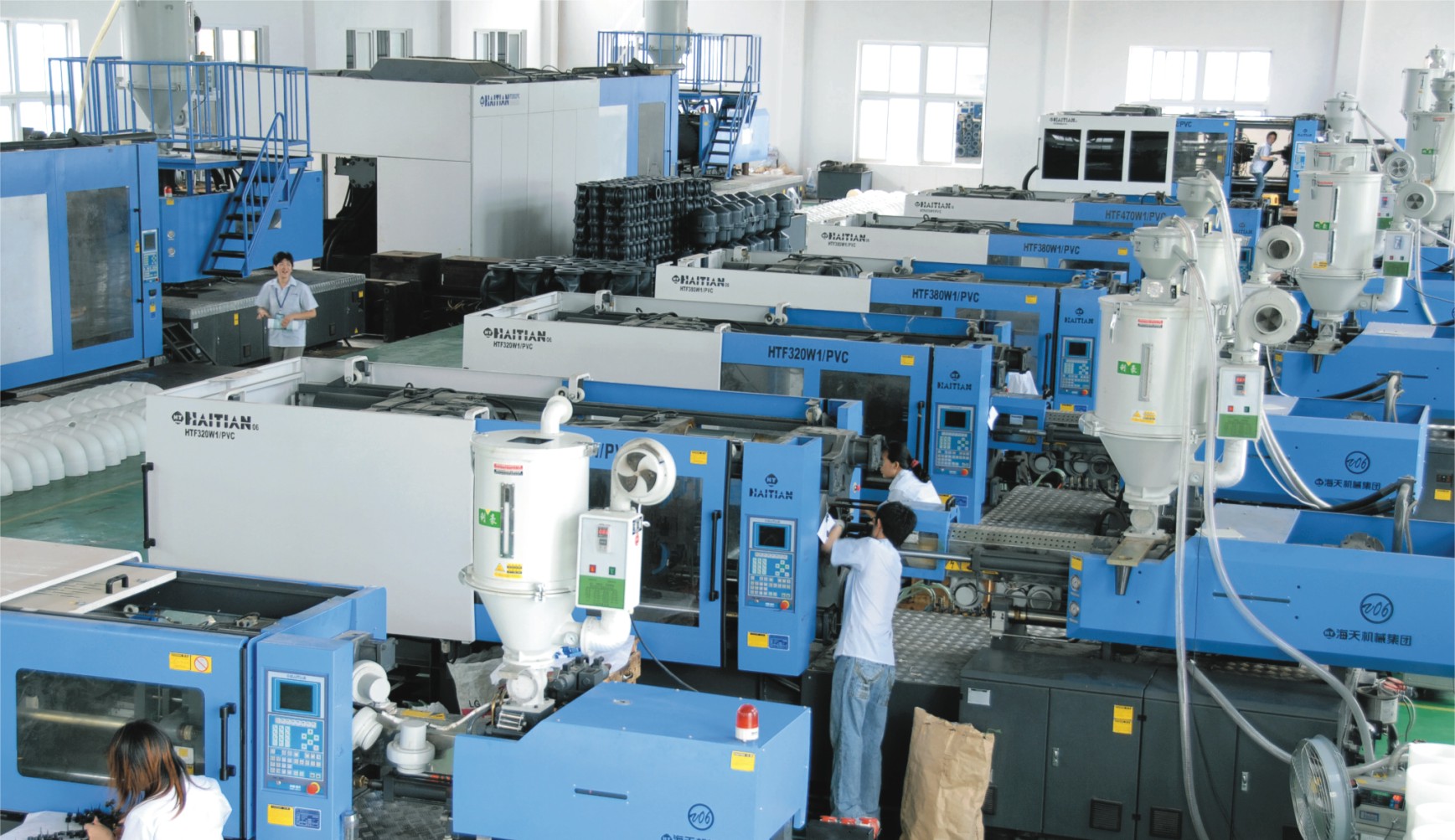
Equipped with state-of-the-art CNC machining centers and precision manufacturing equipment, we deliver valves with exceptional accuracy and consistency.
Competitive Pricing
Through optimized manufacturing processes and bulk material procurement, we offer high-quality valves at competitive prices without compromising on quality.
Expert Support
Our experienced technical team provides comprehensive support from product selection to after-sales service, ensuring optimal valve performance for your specific application.